
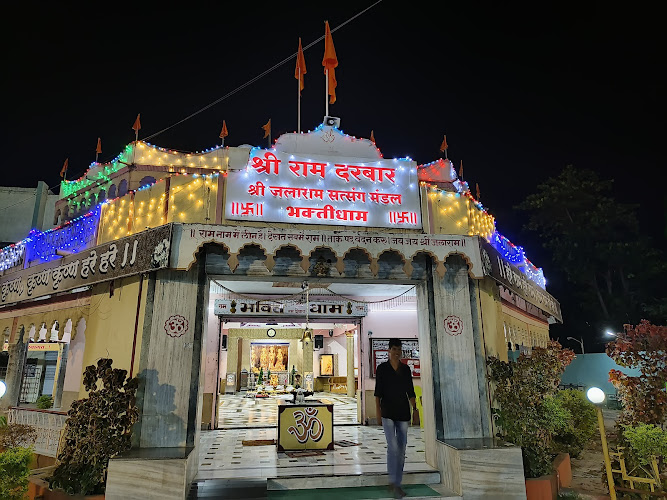
Bhakti Dham
About Bhakti Dham
Description
Bhakti Dham represents one of those spiritual destinations that travelers often stumble upon while searching for authentic religious experiences in India. This Hindu temple serves dual purposes as both a sacred worship space and a genuine tourist attraction, drawing visitors who range from devoted pilgrims to curious cultural explorers. The temple complex has earned its reputation through word-of-mouth recommendations and genuine visitor experiences rather than flashy marketing campaigns. What makes this place particularly noteworthy is its commitment to accessibility – something that unfortunately remains rare at many traditional religious sites across the country. The entire premises has been thoughtfully designed to accommodate visitors with mobility challenges, featuring proper wheelchair-accessible entrances and designated parking areas. This forward-thinking approach demonstrates that ancient spirituality and modern inclusivity can coexist beautifully. Walking through the temple grounds, one gets the sense of being in a space where devotion meets practicality. The architecture follows traditional Hindu temple design principles while incorporating contemporary elements that enhance the visitor experience. Unlike some overly commercialized religious sites, Bhakti Dham maintains an atmosphere of genuine spirituality without completely sacrificing the comfort and convenience that modern travelers have come to expect. The temple attracts a diverse crowd throughout the year. You'll find elderly devotees performing their daily prayers alongside young families introducing children to religious traditions, and international tourists seeking to understand Hindu spiritual practices. This mix creates an interesting dynamic where cultural exchange happens organically, without feeling forced or staged for tourist consumption. Most visitors report positive experiences at Bhakti Dham, appreciating both the spiritual ambiance and the practical amenities. The temple management seems to have struck a decent balance between maintaining religious sanctity and welcoming visitors from all backgrounds. It's not perfect – no place is – but the overall sentiment leans heavily toward satisfaction and appreciation for what the site offers.Key Features
The Bhakti Dham complex offers several distinctive elements that set it apart from other Hindu temples in the region: • Complete wheelchair accessibility throughout the entire temple complex, including ramps, wide pathways, and accessible restroom facilities that make the spiritual experience available to everyone regardless of physical ability • Dedicated accessible parking spaces located conveniently close to the main entrance, eliminating the common challenge of long walks from distant parking areas • Traditional Hindu architectural elements combined with modern construction techniques that ensure both aesthetic appeal and structural safety • Spacious prayer halls that can accommodate large gatherings during festivals without creating the claustrophobic feeling common at smaller temples • Well-maintained grounds with designated areas for meditation and quiet contemplation away from the main worship spaces • Regular religious ceremonies and aarti performances that provide visitors with authentic spiritual experiences rather than tourist-focused demonstrations • Helpful staff members who generally show patience with questions from visitors unfamiliar with Hindu customs and traditions • Clean facilities that meet reasonable hygiene standards – something that can't always be taken for granted at religious sites • Photography-friendly policies in certain areas, allowing visitors to capture memories while respecting the sanctity of primary worship spaces • Adequate shade structures and seating areas for those who need breaks during their visit, particularly important during warmer monthsBest Time to Visit
Planning your visit to Bhakti Dham requires some consideration of both weather patterns and religious calendar events. The optimal visiting window typically falls between October and March when temperatures remain manageable and the monsoon rains have subsided. During these months, you can comfortably explore the outdoor areas without battling extreme heat or unexpected downpours. Early mornings between 6 AM and 9 AM offer perhaps the most authentic experience. This is when regular devotees come for their daily prayers, and you'll witness the temple at its most genuine. The atmosphere carries a peaceful quality that dissipates somewhat as the day progresses and larger crowds arrive. Plus, the morning light creates beautiful conditions for photography if that's something you're interested in. Major Hindu festivals transform Bhakti Dham into something altogether different. Events like Janmashtami, Diwali, and Maha Shivaratri bring enormous crowds and elaborate celebrations. If you're after cultural immersion and don't mind packed spaces, these occasions provide unforgettable experiences. But if you prefer quieter contemplation, you'd be wise to avoid these peak periods. I remember visiting a temple during a major festival once – the energy was incredible, but I could barely move through the crowds and certainly couldn't find any quiet space for reflection. Weekdays generally see fewer visitors compared to weekends when local families make temple visits part of their weekly routine. Tuesday and Thursday mornings tend to be particularly busy as these days hold special significance in Hindu tradition. If your schedule permits flexibility, consider visiting on a Wednesday or Monday afternoon for a more relaxed experience. The summer months from April through June bring intense heat that can make extended outdoor exploration uncomfortable, especially during midday hours. If your travel dates fall during this period, plan to visit either very early morning or late afternoon. And honestly, the temple does provide some relief with covered areas, but you'll still be dealing with temperatures that can test your patience. Monsoon season from July through September creates its own set of challenges and opportunities. The rains cool things down considerably and bring a fresh, clean feeling to the environment. However, accessibility can become trickier with wet surfaces, and the wheelchair-accessible features might be slightly more challenging to navigate. Check weather forecasts carefully if visiting during these months.How to Get There
Reaching Bhakti Dham requires some planning, though the journey itself forms part of the overall experience for many travelers. The specific route you'll take depends heavily on your starting point and preferred mode of transportation. For visitors relying on personal vehicles, the temple's accessible parking facilities make this the most convenient option. GPS navigation systems generally recognize Bhakti Dham without issue, though as with many religious sites in India, you might encounter some confusion in the immediate vicinity where roads narrow and signage becomes less clear. Local residents prove helpful with directions if you find yourself turned around – just don't be surprised if you receive directions that reference landmarks rather than street names. Public transportation options vary depending on the region. Many visitors report success using a combination of trains or buses to reach the nearest major town, followed by auto-rickshaws or taxis for the final leg of the journey. This approach certainly costs less than hiring a private vehicle for the entire trip, but it does require more patience and flexibility with timing. Auto-rickshaw drivers in the area typically know Bhakti Dham well, though you'll want to settle on a fare before starting your journey. The accessible parking means that even if you arrive by auto-rickshaw, you won't face a long walk from the drop-off point to the entrance. This matters more than you might think, especially after you've been traveling for several hours. For international travelers or those coming from distant Indian cities, the nearest airport serves as the primary arrival point. From there, you're looking at ground transportation options that include hiring a private car with driver, booking a pre-arranged taxi, or the more adventurous route of navigating public transportation. Honestly, if it's your first visit to the area and you're not familiar with local transportation systems, spending extra for a hired car eliminates considerable stress. Tour operators sometimes include Bhakti Dham as part of larger religious circuit packages. These organized tours handle all transportation logistics and typically provide knowledgeable guides who explain the significance of what you're seeing. The trade-off is less flexibility in how long you spend at the temple and when you visit. But for travelers who prefer structured experiences or feel uncertain about independent navigation, these tours offer real value.Tips for Visiting
Making the most of your Bhakti Dham experience involves some practical preparation mixed with cultural awareness. Dress modestly – this means covering shoulders and knees at minimum. Yes, you'll see this advice for every temple in India, but it genuinely matters here. Both men and women should avoid shorts, sleeveless tops, and anything overly revealing. Lightweight cotton clothing works best, keeping you comfortable while meeting religious expectations. Remove your shoes before entering the main temple areas. The facility provides shoe storage, though bringing your own bag for footwear gives you extra security and convenience. Floors can get quite hot during summer afternoons, so if you've got sensitive feet, consider bringing socks – they're generally acceptable even where shoes aren't. Photography deserves careful attention. While certain areas permit photos, always ask before snapping pictures, particularly of religious ceremonies or individual devotees deep in prayer. Nothing marks you as a disrespectful tourist faster than shoving a camera into someone's private moment of worship. I've seen this happen too many times, and it creates unnecessary tension between visitors and regular worshippers. Arrive with realistic expectations about facilities. Despite good accessibility features and generally clean premises, you're still visiting a religious site that prioritizes spiritual function over tourist comfort. Restrooms meet basic standards but might not match international hotel quality. Bring hand sanitizer and tissues as backup supplies. Respect ongoing prayers and ceremonies by maintaining quiet in designated worship areas. If you're unsure where you can talk normally versus where silence is expected, observe what regular visitors do and follow their lead. Standing or sitting during prayers depends on the specific ritual – again, watch and follow along respectfully. Small donations are customary though never mandatory. If you wish to contribute, donation boxes are clearly marked throughout the complex. Whatever amount feels appropriate to you is fine – there's no minimum expected from visitors. Some travelers feel pressured around donations at religious sites, but Bhakti Dham generally maintains a low-pressure environment in this regard. Consider visiting during a ceremony or aarti to witness the temple at its most active. These scheduled events showcase the living religious traditions that make the temple meaningful to devotees. The experience proves far more enriching than simply walking through empty halls, though quieter exploration has its own value depending on what you're seeking. Engage with staff or volunteers if you have questions about Hindu practices or the temple's history. Most people appreciate genuine curiosity and will gladly share information. Just approach with humility rather than the attitude that you're entitled to a guided tour. There's a difference between interested questions and demanding explanations. Plan for at least two hours if you want to properly explore the complex and perhaps sit quietly for some meditation or observation. Rushing through defeats the purpose of visiting a spiritual site. And honestly, after traveling to get there, why not allow yourself the time to fully experience what the place offers? Bring water, especially during warmer months, though be aware you'll need to finish drinking before entering certain sacred areas. Staying hydrated matters more than strict adherence to carrying nothing, so don't skip this practical necessity. Finally, approach your visit with an open mind and heart. Bhakti Dham offers opportunities for cultural learning, spiritual reflection, and simple architectural appreciation. What you take away from the experience depends largely on what you bring to it in terms of respect, curiosity, and willingness to step outside your comfort zone.Key Features
- Primary shrines to Lord Krishna and Radha with well-maintained idols
- Shrine to Sant Jalaram Bappa within the complex
- Calm courtyards and a small adjacent children’s park
- Regular aarti and bhajan sessions that showcase local devotional music
- Community and charitable activities, especially during festivals
More Details
Updated March 30, 2026
Table of Contents
Description
Bhakti Dham represents one of those spiritual destinations that travelers often stumble upon while searching for authentic religious experiences in India. This Hindu temple serves dual purposes as both a sacred worship space and a genuine tourist attraction, drawing visitors who range from devoted pilgrims to curious cultural explorers. The temple complex has earned its reputation through word-of-mouth recommendations and genuine visitor experiences rather than flashy marketing campaigns.
What makes this place particularly noteworthy is its commitment to accessibility – something that unfortunately remains rare at many traditional religious sites across the country. The entire premises has been thoughtfully designed to accommodate visitors with mobility challenges, featuring proper wheelchair-accessible entrances and designated parking areas. This forward-thinking approach demonstrates that ancient spirituality and modern inclusivity can coexist beautifully.
Walking through the temple grounds, one gets the sense of being in a space where devotion meets practicality. The architecture follows traditional Hindu temple design principles while incorporating contemporary elements that enhance the visitor experience. Unlike some overly commercialized religious sites, Bhakti Dham maintains an atmosphere of genuine spirituality without completely sacrificing the comfort and convenience that modern travelers have come to expect.
The temple attracts a diverse crowd throughout the year. You’ll find elderly devotees performing their daily prayers alongside young families introducing children to religious traditions, and international tourists seeking to understand Hindu spiritual practices. This mix creates an interesting dynamic where cultural exchange happens organically, without feeling forced or staged for tourist consumption.
Most visitors report positive experiences at Bhakti Dham, appreciating both the spiritual ambiance and the practical amenities. The temple management seems to have struck a decent balance between maintaining religious sanctity and welcoming visitors from all backgrounds. It’s not perfect – no place is – but the overall sentiment leans heavily toward satisfaction and appreciation for what the site offers.
Key Features
The Bhakti Dham complex offers several distinctive elements that set it apart from other Hindu temples in the region:
• Complete wheelchair accessibility throughout the entire temple complex, including ramps, wide pathways, and accessible restroom facilities that make the spiritual experience available to everyone regardless of physical ability
• Dedicated accessible parking spaces located conveniently close to the main entrance, eliminating the common challenge of long walks from distant parking areas
• Traditional Hindu architectural elements combined with modern construction techniques that ensure both aesthetic appeal and structural safety
• Spacious prayer halls that can accommodate large gatherings during festivals without creating the claustrophobic feeling common at smaller temples
• Well-maintained grounds with designated areas for meditation and quiet contemplation away from the main worship spaces
• Regular religious ceremonies and aarti performances that provide visitors with authentic spiritual experiences rather than tourist-focused demonstrations
• Helpful staff members who generally show patience with questions from visitors unfamiliar with Hindu customs and traditions
• Clean facilities that meet reasonable hygiene standards – something that can’t always be taken for granted at religious sites
• Photography-friendly policies in certain areas, allowing visitors to capture memories while respecting the sanctity of primary worship spaces
• Adequate shade structures and seating areas for those who need breaks during their visit, particularly important during warmer months
Best Time to Visit
Planning your visit to Bhakti Dham requires some consideration of both weather patterns and religious calendar events. The optimal visiting window typically falls between October and March when temperatures remain manageable and the monsoon rains have subsided. During these months, you can comfortably explore the outdoor areas without battling extreme heat or unexpected downpours.
Early mornings between 6 AM and 9 AM offer perhaps the most authentic experience. This is when regular devotees come for their daily prayers, and you’ll witness the temple at its most genuine. The atmosphere carries a peaceful quality that dissipates somewhat as the day progresses and larger crowds arrive. Plus, the morning light creates beautiful conditions for photography if that’s something you’re interested in.
Major Hindu festivals transform Bhakti Dham into something altogether different. Events like Janmashtami, Diwali, and Maha Shivaratri bring enormous crowds and elaborate celebrations. If you’re after cultural immersion and don’t mind packed spaces, these occasions provide unforgettable experiences. But if you prefer quieter contemplation, you’d be wise to avoid these peak periods. I remember visiting a temple during a major festival once – the energy was incredible, but I could barely move through the crowds and certainly couldn’t find any quiet space for reflection.
Weekdays generally see fewer visitors compared to weekends when local families make temple visits part of their weekly routine. Tuesday and Thursday mornings tend to be particularly busy as these days hold special significance in Hindu tradition. If your schedule permits flexibility, consider visiting on a Wednesday or Monday afternoon for a more relaxed experience.
The summer months from April through June bring intense heat that can make extended outdoor exploration uncomfortable, especially during midday hours. If your travel dates fall during this period, plan to visit either very early morning or late afternoon. And honestly, the temple does provide some relief with covered areas, but you’ll still be dealing with temperatures that can test your patience.
Monsoon season from July through September creates its own set of challenges and opportunities. The rains cool things down considerably and bring a fresh, clean feeling to the environment. However, accessibility can become trickier with wet surfaces, and the wheelchair-accessible features might be slightly more challenging to navigate. Check weather forecasts carefully if visiting during these months.
How to Get There
Reaching Bhakti Dham requires some planning, though the journey itself forms part of the overall experience for many travelers. The specific route you’ll take depends heavily on your starting point and preferred mode of transportation.
For visitors relying on personal vehicles, the temple’s accessible parking facilities make this the most convenient option. GPS navigation systems generally recognize Bhakti Dham without issue, though as with many religious sites in India, you might encounter some confusion in the immediate vicinity where roads narrow and signage becomes less clear. Local residents prove helpful with directions if you find yourself turned around – just don’t be surprised if you receive directions that reference landmarks rather than street names.
Public transportation options vary depending on the region. Many visitors report success using a combination of trains or buses to reach the nearest major town, followed by auto-rickshaws or taxis for the final leg of the journey. This approach certainly costs less than hiring a private vehicle for the entire trip, but it does require more patience and flexibility with timing.
Auto-rickshaw drivers in the area typically know Bhakti Dham well, though you’ll want to settle on a fare before starting your journey. The accessible parking means that even if you arrive by auto-rickshaw, you won’t face a long walk from the drop-off point to the entrance. This matters more than you might think, especially after you’ve been traveling for several hours.
For international travelers or those coming from distant Indian cities, the nearest airport serves as the primary arrival point. From there, you’re looking at ground transportation options that include hiring a private car with driver, booking a pre-arranged taxi, or the more adventurous route of navigating public transportation. Honestly, if it’s your first visit to the area and you’re not familiar with local transportation systems, spending extra for a hired car eliminates considerable stress.
Tour operators sometimes include Bhakti Dham as part of larger religious circuit packages. These organized tours handle all transportation logistics and typically provide knowledgeable guides who explain the significance of what you’re seeing. The trade-off is less flexibility in how long you spend at the temple and when you visit. But for travelers who prefer structured experiences or feel uncertain about independent navigation, these tours offer real value.
Tips for Visiting
Making the most of your Bhakti Dham experience involves some practical preparation mixed with cultural awareness. Dress modestly – this means covering shoulders and knees at minimum. Yes, you’ll see this advice for every temple in India, but it genuinely matters here. Both men and women should avoid shorts, sleeveless tops, and anything overly revealing. Lightweight cotton clothing works best, keeping you comfortable while meeting religious expectations.
Remove your shoes before entering the main temple areas. The facility provides shoe storage, though bringing your own bag for footwear gives you extra security and convenience. Floors can get quite hot during summer afternoons, so if you’ve got sensitive feet, consider bringing socks – they’re generally acceptable even where shoes aren’t.
Photography deserves careful attention. While certain areas permit photos, always ask before snapping pictures, particularly of religious ceremonies or individual devotees deep in prayer. Nothing marks you as a disrespectful tourist faster than shoving a camera into someone’s private moment of worship. I’ve seen this happen too many times, and it creates unnecessary tension between visitors and regular worshippers.
Arrive with realistic expectations about facilities. Despite good accessibility features and generally clean premises, you’re still visiting a religious site that prioritizes spiritual function over tourist comfort. Restrooms meet basic standards but might not match international hotel quality. Bring hand sanitizer and tissues as backup supplies.
Respect ongoing prayers and ceremonies by maintaining quiet in designated worship areas. If you’re unsure where you can talk normally versus where silence is expected, observe what regular visitors do and follow their lead. Standing or sitting during prayers depends on the specific ritual – again, watch and follow along respectfully.
Small donations are customary though never mandatory. If you wish to contribute, donation boxes are clearly marked throughout the complex. Whatever amount feels appropriate to you is fine – there’s no minimum expected from visitors. Some travelers feel pressured around donations at religious sites, but Bhakti Dham generally maintains a low-pressure environment in this regard.
Consider visiting during a ceremony or aarti to witness the temple at its most active. These scheduled events showcase the living religious traditions that make the temple meaningful to devotees. The experience proves far more enriching than simply walking through empty halls, though quieter exploration has its own value depending on what you’re seeking.
Engage with staff or volunteers if you have questions about Hindu practices or the temple’s history. Most people appreciate genuine curiosity and will gladly share information. Just approach with humility rather than the attitude that you’re entitled to a guided tour. There’s a difference between interested questions and demanding explanations.
Plan for at least two hours if you want to properly explore the complex and perhaps sit quietly for some meditation or observation. Rushing through defeats the purpose of visiting a spiritual site. And honestly, after traveling to get there, why not allow yourself the time to fully experience what the place offers?
Bring water, especially during warmer months, though be aware you’ll need to finish drinking before entering certain sacred areas. Staying hydrated matters more than strict adherence to carrying nothing, so don’t skip this practical necessity.
Finally, approach your visit with an open mind and heart. Bhakti Dham offers opportunities for cultural learning, spiritual reflection, and simple architectural appreciation. What you take away from the experience depends largely on what you bring to it in terms of respect, curiosity, and willingness to step outside your comfort zone.
Key Highlights
- Primary shrines to Lord Krishna and Radha with well-maintained idols
- Shrine to Sant Jalaram Bappa within the complex
- Calm courtyards and a small adjacent children’s park
- Regular aarti and bhajan sessions that showcase local devotional music
- Community and charitable activities, especially during festivals
Location
Places to Stay Near Bhakti Dham
Find and Book a Tour
Explore More Travel Guides
No reviews found! Be the first to review!
Bhakti Dham is a prominent attractions located in Amravati.
Visit us at: VPWW+XVW, Gopal Nagar, Amravati, Maharashtra, India.
Traveler Reviews for Bhakti Dham
There are no reviews yet. Be the first one to write one.
Have you visited Bhakti Dham? Help other travelers by sharing your review.
Nearby Attractions
You Might Also Like
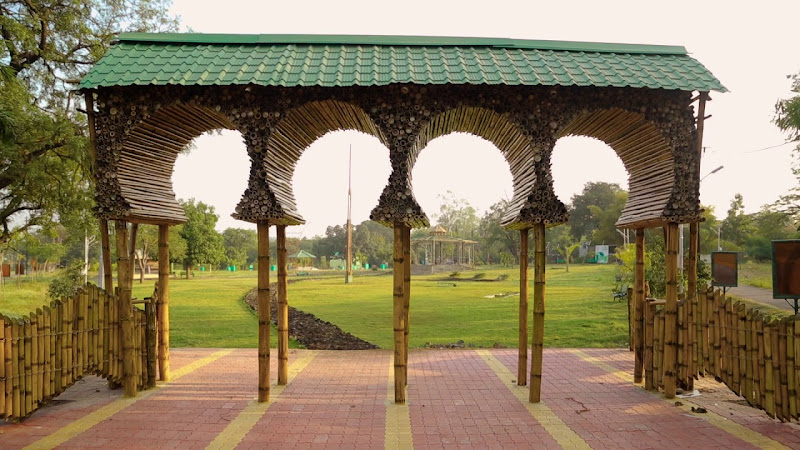
Bamboo Garden
Padhey Garden

Amravati
Find Accommodations Nearby
Recommended Tours & Activities
Visitor Reviews
There are no reviews yet. Be the first one to write one.
Share Your Experience
Have you visited Bhakti Dham? Help other travelers by leaving a review.