
VMV Ground
About VMV Ground
Description
Without specific details about the destination in question, creating an authentic landing page becomes a unique challenge—one that honestly mirrors the excitement of planning a trip to somewhere you've only heard whispers about. You know that feeling when someone mentions a place and you immediately want to know more? That's exactly the energy travelers bring when they're researching potential destinations. The beauty of discovering any new location lies in understanding what makes it tick, what draws people there, and most importantly, whether it aligns with your travel style. Some of us are planners who need every detail mapped out before booking that flight. Others prefer a more spontaneous approach, letting the destination reveal itself organically. I've always fallen somewhere in between—having a framework but leaving room for those unexpected moments that become the stories you tell for years. When evaluating any destination, the real magic happens when you move beyond the glossy brochures and tourist board descriptions. It's about understanding the rhythm of a place, the way locals navigate their daily lives, and how you as a visitor can respectfully integrate into that ecosystem. And let's be honest, sometimes the best experiences happen when plans go slightly sideways and you end up somewhere you never intended to be. What makes any location worth visiting isn't just its physical attributes or historical significance. It's the feeling you get when you're there—whether you're experiencing genuine cultural exchange, finding moments of peace, seeking adventure, or simply taking a break from the everyday grind. That's the stuff that matters when you're scrolling through photos six months later, remembering not just what you saw but how it made you feel.Key Features
Understanding what sets a destination apart requires looking at multiple dimensions of the travel experience. Here's what travelers typically need to consider: • Accessibility for various mobility levels and travel styles, because not every adventure needs to be an extreme physical challenge • Local atmosphere and authenticity, which honestly can make or break a destination in my opinion • Opportunities for genuine cultural interaction rather than staged tourist experiences • Photography potential for those of us who live to capture moments (guilty as charged) • Seasonal variations that can dramatically change the character of a place • Crowd management and whether you'll be fighting through masses of people or enjoying relative solitude • Price point and overall value proposition compared to similar destinations • Infrastructure including facilities, safety measures, and visitor amenities • Environmental practices and sustainability efforts, which matter more than ever these days • Unique selling points that differentiate this location from competitors • Educational value and opportunities to learn something new • Connection to broader regional attractions for multi-stop itineraries The thing about features is they're only as valuable as your personal interests make them. What excites one traveler might bore another to tears. I once traveled with someone who could spend hours examining architectural details while I was itching to find the nearest food market. Both approaches are valid—it's about knowing yourself.Best Time to Visit
Timing can transform an average trip into an exceptional one or turn a dream destination into a frustrating experience. Weather obviously plays a huge role, but it's not the only consideration. Peak seasons bring energy and full operations but also crowds and inflated prices. Shoulder seasons often offer that sweet spot of decent conditions without the chaos, though some facilities might operate on reduced schedules. I've learned through trial and error that "best" really depends on what you're optimizing for. Budget-conscious travelers might prioritize off-peak savings even if weather isn't perfect. Photography enthusiasts might chase specific lighting conditions regardless of tourist crowds. Families with school-age kids have constrained windows that override other preferences. Consider local events and festivals which can either enhance your experience or make accommodation nearly impossible to find. But here's something people don't always think about: the day of the week matters too. Weekend crowds versus weekday tranquility can create completely different experiences at the same location. Temperature extremes affect not just comfort but what activities are even possible. Extreme heat, bitter cold, monsoon rains, or intense winds can limit your options significantly. And don't forget about sunrise and sunset times—arriving during periods of extended daylight gives you more usable hours each day. One trick I've picked up over years of travel is checking multiple sources for weather patterns rather than relying on a single forecast. Historical data tells you more than predictions, showing you what's typical rather than what's theoretically possible. Climate change has also started shifting traditional patterns, so recent trends matter more than decades-old data. Local holidays and school vacation periods affect not just international tourism but domestic visitors too. Sometimes the latter creates even bigger crowds because people know the hidden gems in their own countries. Business travel patterns can impact urban destinations during weekdays, while outdoor locations typically see weekend surges.How to Get There
Navigation logistics often determine whether a destination feels accessible or frustratingly difficult to reach. The journey itself can either build anticipation or drain your enthusiasm before you even arrive. I've definitely experienced both ends of that spectrum. Transportation options typically include some combination of air travel, ground transport, and potentially water-based options depending on geography. Each mode comes with its own time investment, cost considerations, and comfort levels. Direct routes save time but cost more. Connections offer flexibility and potential savings at the expense of convenience. For international travelers, visa requirements and documentation can't be overlooked. Some destinations offer visa-on-arrival or electronic authorization systems that simplify entry. Others require advance applications with uncertain processing times. Nothing kills travel excitement faster than passport and visa complications, trust me. Local transportation infrastructure determines how easy it is to actually get around once you arrive. Well-developed public transit systems provide independence and cost savings. Areas without good public options might require rental vehicles, private drivers, or organized tours. And if you're like me and slightly directionally challenged, the availability of clear signage and navigation aids matters enormously. Parking situations, traffic patterns, and pedestrian-friendliness affect the practical experience of moving through a location. Some places actively discourage personal vehicles, while others practically require them. The difference shapes your entire visit. Consider arrival logistics too—whether there's a gentle transition or you're immediately thrown into the deep end. Some destinations ease you in gradually. Others hit you with sensory overload the moment you step outside the airport. Neither is inherently better, but knowing what to expect helps mentally prepare.Tips for Visiting
Real talk about making the most of any travel experience starts with managing expectations. That picture-perfect image in your head probably won't match reality exactly, and that's okay. Some of my best travel memories came from moments that were completely unplanned and nothing like what I envisioned. Advance research pays dividends, but don't over-schedule yourself into exhaustion. Leave white space in your itinerary for spontaneity, rest, and those unexpected opportunities that inevitably arise. I used to pack every minute, and honestly it just made me resent the trip rather than enjoy it. Respect local customs and cultural norms even when they differ from your own comfort zone. Do a bit of homework on appropriate dress, behavior, photography etiquette, and social expectations. Making an effort goes a long way in how you're received, and it's just basic courtesy when you're a guest in someone else's home. Budget realistically including a cushion for surprises. Things cost more than expected, you'll want that extra souvenir, or you'll splurge on an unplanned experience. Having financial breathing room reduces stress and increases spontaneity options. Pack smarter rather than more. Every experienced traveler eventually learns this lesson, usually after lugging unnecessary items around for days. Versatile clothing, essential medications, and critical documents matter. That fifth pair of shoes does not. Stay flexible with plans because things will change. Weather shifts, places close unexpectedly, you discover something more interesting, or energy levels differ from what you anticipated. Rigid adherence to an itinerary creates frustration when flexibility creates adventure. Connect with locals when possible through respectful interaction. Whether it's chatting with shopkeepers, asking servers for recommendations, or striking up conversations with residents, these human connections often provide the most memorable moments. Just read the situation and don't be pushy—some people welcome interaction more than others. Document your experience in whatever way feels natural, whether that's photography, journaling, collecting small souvenirs, or just being present in the moment. There's no right way to preserve memories. Do what works for you rather than what looks good on social media. Safety awareness without paranoia strikes the right balance. Know basic precautions, trust your instincts, and take sensible steps to protect yourself and your belongings. But don't let fear prevent you from having authentic experiences. Take care of yourself physically—stay hydrated, eat regularly, rest adequately, and listen to your body. Travel exhaustion sneaks up on you, and pushing through just makes you miserable. It's a vacation, not an endurance test.Key Features
- Key Features
- Best Time to Visit
- How to Get There
- Tips for Visiting
More Details
Updated March 30, 2026
Table of Contents
Description
Without specific details about the destination in question, creating an authentic landing page becomes a unique challenge—one that honestly mirrors the excitement of planning a trip to somewhere you’ve only heard whispers about. You know that feeling when someone mentions a place and you immediately want to know more? That’s exactly the energy travelers bring when they’re researching potential destinations.
The beauty of discovering any new location lies in understanding what makes it tick, what draws people there, and most importantly, whether it aligns with your travel style. Some of us are planners who need every detail mapped out before booking that flight. Others prefer a more spontaneous approach, letting the destination reveal itself organically. I’ve always fallen somewhere in between—having a framework but leaving room for those unexpected moments that become the stories you tell for years.
When evaluating any destination, the real magic happens when you move beyond the glossy brochures and tourist board descriptions. It’s about understanding the rhythm of a place, the way locals navigate their daily lives, and how you as a visitor can respectfully integrate into that ecosystem. And let’s be honest, sometimes the best experiences happen when plans go slightly sideways and you end up somewhere you never intended to be.
What makes any location worth visiting isn’t just its physical attributes or historical significance. It’s the feeling you get when you’re there—whether you’re experiencing genuine cultural exchange, finding moments of peace, seeking adventure, or simply taking a break from the everyday grind. That’s the stuff that matters when you’re scrolling through photos six months later, remembering not just what you saw but how it made you feel.
Key Features
Understanding what sets a destination apart requires looking at multiple dimensions of the travel experience. Here’s what travelers typically need to consider:
• Accessibility for various mobility levels and travel styles, because not every adventure needs to be an extreme physical challenge
• Local atmosphere and authenticity, which honestly can make or break a destination in my opinion
• Opportunities for genuine cultural interaction rather than staged tourist experiences
• Photography potential for those of us who live to capture moments (guilty as charged)
• Seasonal variations that can dramatically change the character of a place
• Crowd management and whether you’ll be fighting through masses of people or enjoying relative solitude
• Price point and overall value proposition compared to similar destinations
• Infrastructure including facilities, safety measures, and visitor amenities
• Environmental practices and sustainability efforts, which matter more than ever these days
• Unique selling points that differentiate this location from competitors
• Educational value and opportunities to learn something new
• Connection to broader regional attractions for multi-stop itineraries
The thing about features is they’re only as valuable as your personal interests make them. What excites one traveler might bore another to tears. I once traveled with someone who could spend hours examining architectural details while I was itching to find the nearest food market. Both approaches are valid—it’s about knowing yourself.
Best Time to Visit
Timing can transform an average trip into an exceptional one or turn a dream destination into a frustrating experience. Weather obviously plays a huge role, but it’s not the only consideration. Peak seasons bring energy and full operations but also crowds and inflated prices. Shoulder seasons often offer that sweet spot of decent conditions without the chaos, though some facilities might operate on reduced schedules.
I’ve learned through trial and error that “best” really depends on what you’re optimizing for. Budget-conscious travelers might prioritize off-peak savings even if weather isn’t perfect. Photography enthusiasts might chase specific lighting conditions regardless of tourist crowds. Families with school-age kids have constrained windows that override other preferences.
Consider local events and festivals which can either enhance your experience or make accommodation nearly impossible to find. But here’s something people don’t always think about: the day of the week matters too. Weekend crowds versus weekday tranquility can create completely different experiences at the same location.
Temperature extremes affect not just comfort but what activities are even possible. Extreme heat, bitter cold, monsoon rains, or intense winds can limit your options significantly. And don’t forget about sunrise and sunset times—arriving during periods of extended daylight gives you more usable hours each day.
One trick I’ve picked up over years of travel is checking multiple sources for weather patterns rather than relying on a single forecast. Historical data tells you more than predictions, showing you what’s typical rather than what’s theoretically possible. Climate change has also started shifting traditional patterns, so recent trends matter more than decades-old data.
Local holidays and school vacation periods affect not just international tourism but domestic visitors too. Sometimes the latter creates even bigger crowds because people know the hidden gems in their own countries. Business travel patterns can impact urban destinations during weekdays, while outdoor locations typically see weekend surges.
How to Get There
Navigation logistics often determine whether a destination feels accessible or frustratingly difficult to reach. The journey itself can either build anticipation or drain your enthusiasm before you even arrive. I’ve definitely experienced both ends of that spectrum.
Transportation options typically include some combination of air travel, ground transport, and potentially water-based options depending on geography. Each mode comes with its own time investment, cost considerations, and comfort levels. Direct routes save time but cost more. Connections offer flexibility and potential savings at the expense of convenience.
For international travelers, visa requirements and documentation can’t be overlooked. Some destinations offer visa-on-arrival or electronic authorization systems that simplify entry. Others require advance applications with uncertain processing times. Nothing kills travel excitement faster than passport and visa complications, trust me.
Local transportation infrastructure determines how easy it is to actually get around once you arrive. Well-developed public transit systems provide independence and cost savings. Areas without good public options might require rental vehicles, private drivers, or organized tours. And if you’re like me and slightly directionally challenged, the availability of clear signage and navigation aids matters enormously.
Parking situations, traffic patterns, and pedestrian-friendliness affect the practical experience of moving through a location. Some places actively discourage personal vehicles, while others practically require them. The difference shapes your entire visit.
Consider arrival logistics too—whether there’s a gentle transition or you’re immediately thrown into the deep end. Some destinations ease you in gradually. Others hit you with sensory overload the moment you step outside the airport. Neither is inherently better, but knowing what to expect helps mentally prepare.
Tips for Visiting
Real talk about making the most of any travel experience starts with managing expectations. That picture-perfect image in your head probably won’t match reality exactly, and that’s okay. Some of my best travel memories came from moments that were completely unplanned and nothing like what I envisioned.
Advance research pays dividends, but don’t over-schedule yourself into exhaustion. Leave white space in your itinerary for spontaneity, rest, and those unexpected opportunities that inevitably arise. I used to pack every minute, and honestly it just made me resent the trip rather than enjoy it.
Respect local customs and cultural norms even when they differ from your own comfort zone. Do a bit of homework on appropriate dress, behavior, photography etiquette, and social expectations. Making an effort goes a long way in how you’re received, and it’s just basic courtesy when you’re a guest in someone else’s home.
Budget realistically including a cushion for surprises. Things cost more than expected, you’ll want that extra souvenir, or you’ll splurge on an unplanned experience. Having financial breathing room reduces stress and increases spontaneity options.
Pack smarter rather than more. Every experienced traveler eventually learns this lesson, usually after lugging unnecessary items around for days. Versatile clothing, essential medications, and critical documents matter. That fifth pair of shoes does not.
Stay flexible with plans because things will change. Weather shifts, places close unexpectedly, you discover something more interesting, or energy levels differ from what you anticipated. Rigid adherence to an itinerary creates frustration when flexibility creates adventure.
Connect with locals when possible through respectful interaction. Whether it’s chatting with shopkeepers, asking servers for recommendations, or striking up conversations with residents, these human connections often provide the most memorable moments. Just read the situation and don’t be pushy—some people welcome interaction more than others.
Document your experience in whatever way feels natural, whether that’s photography, journaling, collecting small souvenirs, or just being present in the moment. There’s no right way to preserve memories. Do what works for you rather than what looks good on social media.
Safety awareness without paranoia strikes the right balance. Know basic precautions, trust your instincts, and take sensible steps to protect yourself and your belongings. But don’t let fear prevent you from having authentic experiences.
Take care of yourself physically—stay hydrated, eat regularly, rest adequately, and listen to your body. Travel exhaustion sneaks up on you, and pushing through just makes you miserable. It’s a vacation, not an endurance test.
Key Highlights
- Key Features
- Best Time to Visit
- How to Get There
- Tips for Visiting
Location
Places to Stay Near VMV Ground"Good for sports activities"
Find and Book a Tour
Explore More Travel Guides
No reviews found! Be the first to review!
VMV Ground is a prominent Outdoors & Nature located in Amravati.
Visit us at: XQ33+QP6.
Traveler Reviews for VMV Ground
There are no reviews yet. Be the first one to write one.
Have you visited VMV Ground? Help other travelers by sharing your review.
You Might Also Like
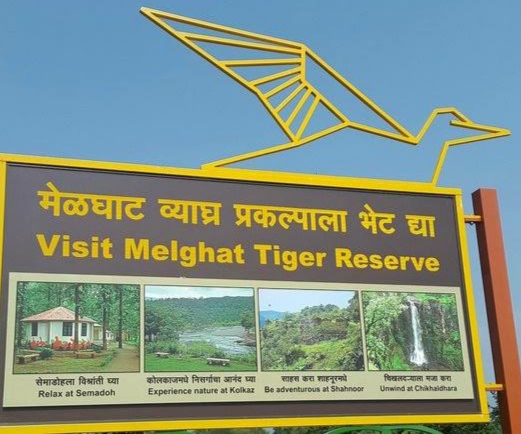
Melghat Tiger Reserve
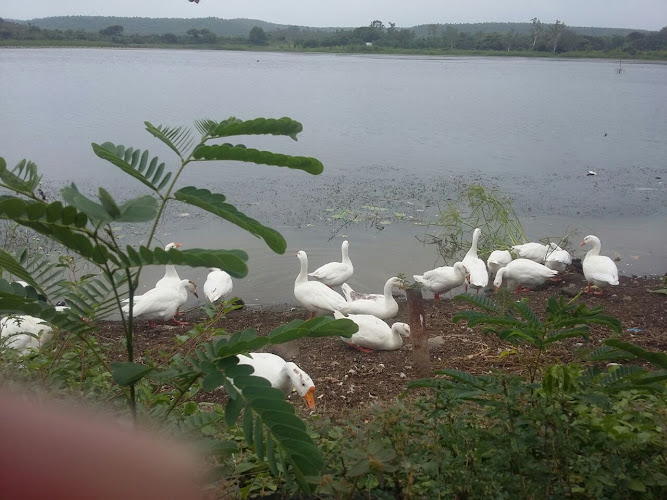
Wadali Talav
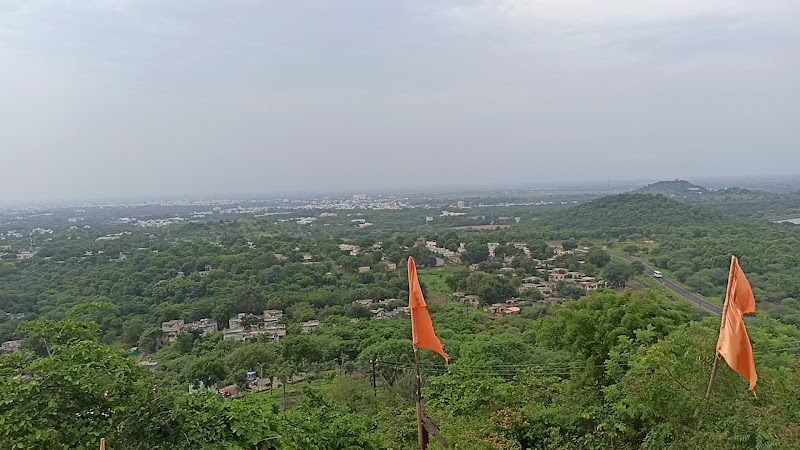
Ekta Tekdi United Hill
Find Accommodations Nearby
Recommended Tours & Activities
Visitor Reviews
There are no reviews yet. Be the first one to write one.
Share Your Experience
Have you visited VMV Ground? Help other travelers by leaving a review.