
Shipbuilding and Maritime Museum Rostock
About Shipbuilding and Maritime Museum Rostock
Description
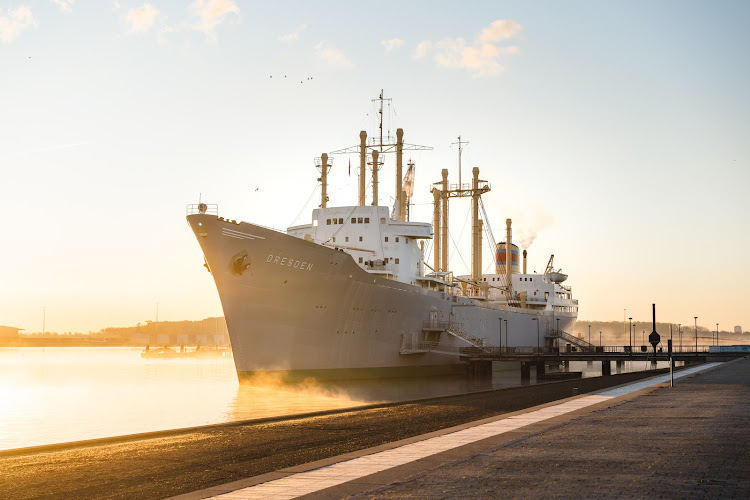
The Shipbuilding and Maritime Museum Rostock sits astride the Warnow River as one of Germany's most tangible tributes to seafaring life. At its heart is the MS DRESDEN, an original high-sea freighter weighing in at roughly 10,000 tonnes and preserved so thoroughly that visitors often comment it feels like a living memory rather than a display. The ship is docked inside the green expanse of the IGA Park, where concerts, playgrounds and lakeside promenades make a day at the museum easy to stretch into an afternoon picnic or an evening stroll.
Inside the MS DRESDEN, the collections mix hands-on exhibits with multimedia storytelling. The engine room, still smelling faintly of fuel and metal for those who spend time there, is a highlight: heavy machinery, gauges, and the hulking presence of the ship’s propulsion make shipbuilding technique and maritime mechanics surprisingly intimate. The museum presents the regional history of shipyards and seafaring through models, archival photos, oral histories and a few stubbornly vivid artifacts — a captain’s log, navigational instruments, uniforms, and personal effects that anchor broader historical trends in human stories.
There is also a Historic Boatyard attached to the museum where traditional woodworking and boatbuilding techniques are practiced and demonstrated. The boatyard is not a static exhibit; it is a working place where centuries-old skills are kept alive. Watching a craftsman caulk oak planks or plane timber is oddly hypnotic. The workshop frequently stages live demonstrations and smaller events that bring the technical side of shipbuilding into real time — something that tends to surprise first-time visitors who expect glass cases rather than chisels and steam-bent ribs of a hull in progress.
The observation deck — modest but well-placed — offers wide-angle views of the Warnow and the industrial skyline beyond. From here, the museum’s maritime identity connects to the living harbor and inland waterways. The IGA Park’s green spaces are an added bonus: in summer the ship’s silhouette against meadows and water is photogenic enough to tempt anyone with a camera (and the writer admits to taking an embarrassing number of photos the first time they visited).
Accessibility and family-friendly design matter here. The museum offers wheelchair-accessible entrances, parking and restrooms, and the layout is forgiving for strollers or slower-paced explorations. There’s a practical focus across the site — clear signage, helpful staff, and on-site parking that, yes, may be paid but is simple to use. There is no full-service restaurant on site, but the surroundings of the IGA Park mean food options and picnic spots are close by.
Key Features
- MS DRESDEN — a nearly intact 10,000-tonne high-sea freighter functioning as the museum’s central exhibit
- Historic Boatyard with live demonstrations of traditional wooden boatbuilding and shipwright skills
- Engine room walkthrough featuring original machinery and interpretation panels
- Observation deck with panoramic views over the Warnow and harbor activity
- Multimedia exhibits tracing regional shipbuilding, seafaring, and maritime trade history
- Live performances and special events held seasonally on the ship and in the park
- Wheelchair accessible entrance, parking, and restrooms
- Family- and child-friendly displays, activities and hands-on opportunities
- On-site and paid parking with straightforward access for cars and small buses
Best Time to Visit
Timing a trip to the Shipbuilding and Maritime Museum Rostock depends on what a visitor wants to experience. Late spring through early autumn is the most rewarding window: warmer weather, active boatyard demonstrations, and the IGA Park in full bloom make the museum feel lively and open. Summer weekends can be busy, especially when the museum schedules live performances or special maritime festivals, so arriving earlier in the day helps avoid the largest crowds.
But there’s a quieter charm to off-season visits too. Winter months strip the landscape down to stark lines and industrial silhouettes, which makes the ship’s interior — warm, slightly echoing, and full of metal and timber — feel even more atmospheric. Crowds thin, staff can spend more time with individual visitors, and photography is easier with fewer people in the shot. Midweek visits year-round tend to be calmer than weekends.
For visitors who want demonstrations in the Historic Boatyard, it’s smart to check the museum’s calendar (or ring ahead) and plan around scheduled workshops and live events. These sessions are where the site’s living heritage really comes alive: watching a wooden keel take shape is more rewarding than reading about it, and often those who make the work are happy to answer questions if the group is small and curious.
How to Get There
The museum is located on the banks of the Warnow in the northwestern area of Rostock’s urban expanse and is well integrated with the IGA Park setting. Most visitors arrive by car or public transport. On-site parking is available and straightforward, though it may be a paid lot during peak times. For those who prefer public transport, local buses and trams serve the general direction; visitors should select a stop that lists IGA Park or the nearby neighborhoods and follow pedestrian signage toward the riverside.
Walking routes from central Rostock are pleasant for those who like a longer stroll: the city’s urban fabric opens up as you approach the park, and the walk can be a nice way to shift gears from urban sightseeing to a more relaxed riverside mood. Bicycles are a practical option as well; Rostock offers a decent network of bike paths and the park has places to lock up or wheel a bike into nearby areas.
For international travelers, the nearest major rail connections to Rostock run from larger German cities. From the Hauptbahnhof (central station), local public transit or a short taxi ride will get a visitor to the museum. Taxis are plentiful enough and often preferred by groups with small children or those trying to pack a full day of activities without juggling connections. The observation deck and museum entrance are generally easy to find once inside the IGA Park — just follow the water.
Tips for Visiting
Plan to spend at least two hours. The MS DRESDEN alone can occupy a curious visitor for a solid 60–90 minutes if they take time in the engine room, bridge and crew quarters. Add another hour for the Historic Boatyard and any special exhibits or performances, and the timeline suddenly stretches. If the weather is fine, factor in extra time to wander the park and have a coffee or picnic.
Dress for contrast. The engine room and lower decks can be cool and scented with oil, while the observation deck and the park outside will be whatever the weather is doing. Comfortable shoes are a must; there are ladders, steep steps and narrow gangways in parts of the ship, and though accessibility is catered for, some areas are best navigated on foot. A lightweight jacket is a good idea even on warm days if the visitor plans to explore the lower decks.
Bring curiosity, not necessarily a camera obsession. Sure, there are amazing photo ops — the ship’s lines, the creak of wood in the boatyard, the harbor views — but some of the best moments are quieter: listening to an audio clip of a sailor’s memory, watching a craftsman fit a rib in place, or reading a handwritten log entry. The writer still remembers standing in a dimly lit cabin reading a captain’s notes that made the sea sound both dangerous and oddly mundane. Those little narrative artifacts stick with people more than a dozen photos ever will.
If there’s an event or a live performance listed, try to attend. They add depth and often bring the local maritime culture into sharper relief. Be aware that popular event days get more crowded and parking fills earlier. Conversely, weekday mornings offer the clearest opportunity for quiet exploration and more one-on-one interaction with staff and craftsmen.
Families should look for hands-on elements and shorter thematic trails that engage kids. The museum’s setup is forgiving for families: it’s possible to break a visit into bite-sized chunks, letting children play in the adjacent park or on playgrounds between exhibits. There are child-friendly displays and staff generally adapt well to younger visitors who ask an endless stream of imaginative questions (and yes, parents will probably enjoy being asked to demonstrate knot-tying).
Accessibility matters here and is taken seriously. Visitors who need wheelchair access or special assistance will find ramps, accessible restrooms, and parking. Still, calling ahead for specific needs or arranging a quieter time can make the experience smoother — staff are usually accommodating and quite glad to help plan a visit that’s both comfortable and interesting.
Finally, keep expectations realistic. The museum is beloved, and many reviewers praise it highly, but like any living museum — one that balances preservation and active craft — it has rough edges. Some exhibits are lovingly hand-crafted and a touch idiosyncratic. And so what? Those idiosyncrasies are part of the charm. The experience is human-scaled, tactile and honest. It’s not a blockbuster megamuseum, and that’s exactly why many people leave feeling like they’ve just had a private conversation with Rostock’s maritime past.
For visitors who care about local craft, naval history, or simply want a riverside cultural stop that combines mechanics, stories and green space, the Shipbuilding and Maritime Museum Rostock rewards curiosity more than it dazzles with gloss. And sometimes that is the best kind of museum: one that asks you to lean in and listen.
Key Features
- MS Dresden — intact preserved high-sea freighter with original bridge and crew areas
- Over 12,000 exhibits spanning ancient dugouts to modern shipbuilding technology
- Museum set in former shipyard with authentic maritime atmosphere
- Interactive displays and mini port/remote-controlled models for families
- Exhibits on marine radio, navigation and aviation ties to seafaring
More Details
Updated August 30, 2025
Table of Contents
- Description
- Key Features
- Best Time to Visit
- How to Get There
- Tips for Visiting
- Key Highlights
- Location
- Places to Stay Near Shipbuilding and Maritime Museum Rostock
- Find and Book a Tour
- Explore More Travel Guides
- Nearby Places You Might Like
- Traveler Reviews for Shipbuilding and Maritime Museum Rostock
- Share Your Experience
Description
The Shipbuilding and Maritime Museum Rostock sits astride the Warnow River as one of Germany’s most tangible tributes to seafaring life. At its heart is the MS DRESDEN, an original high-sea freighter weighing in at roughly 10,000 tonnes and preserved so thoroughly that visitors often comment it feels like a living memory rather than a display. The ship is docked inside the green expanse of the IGA Park, where concerts, playgrounds and lakeside promenades make a day at the museum easy to stretch into an afternoon picnic or an evening stroll.
Inside the MS DRESDEN, the collections mix hands-on exhibits with multimedia storytelling. The engine room, still smelling faintly of fuel and metal for those who spend time there, is a highlight: heavy machinery, gauges, and the hulking presence of the ship’s propulsion make shipbuilding technique and maritime mechanics surprisingly intimate. The museum presents the regional history of shipyards and seafaring through models, archival photos, oral histories and a few stubbornly vivid artifacts — a captain’s log, navigational instruments, uniforms, and personal effects that anchor broader historical trends in human stories.
There is also a Historic Boatyard attached to the museum where traditional woodworking and boatbuilding techniques are practiced and demonstrated. The boatyard is not a static exhibit; it is a working place where centuries-old skills are kept alive. Watching a craftsman caulk oak planks or plane timber is oddly hypnotic. The workshop frequently stages live demonstrations and smaller events that bring the technical side of shipbuilding into real time — something that tends to surprise first-time visitors who expect glass cases rather than chisels and steam-bent ribs of a hull in progress.
The observation deck — modest but well-placed — offers wide-angle views of the Warnow and the industrial skyline beyond. From here, the museum’s maritime identity connects to the living harbor and inland waterways. The IGA Park’s green spaces are an added bonus: in summer the ship’s silhouette against meadows and water is photogenic enough to tempt anyone with a camera (and the writer admits to taking an embarrassing number of photos the first time they visited).
Accessibility and family-friendly design matter here. The museum offers wheelchair-accessible entrances, parking and restrooms, and the layout is forgiving for strollers or slower-paced explorations. There’s a practical focus across the site — clear signage, helpful staff, and on-site parking that, yes, may be paid but is simple to use. There is no full-service restaurant on site, but the surroundings of the IGA Park mean food options and picnic spots are close by.
Key Features
- MS DRESDEN — a nearly intact 10,000-tonne high-sea freighter functioning as the museum’s central exhibit
- Historic Boatyard with live demonstrations of traditional wooden boatbuilding and shipwright skills
- Engine room walkthrough featuring original machinery and interpretation panels
- Observation deck with panoramic views over the Warnow and harbor activity
- Multimedia exhibits tracing regional shipbuilding, seafaring, and maritime trade history
- Live performances and special events held seasonally on the ship and in the park
- Wheelchair accessible entrance, parking, and restrooms
- Family- and child-friendly displays, activities and hands-on opportunities
- On-site and paid parking with straightforward access for cars and small buses
Best Time to Visit
Timing a trip to the Shipbuilding and Maritime Museum Rostock depends on what a visitor wants to experience. Late spring through early autumn is the most rewarding window: warmer weather, active boatyard demonstrations, and the IGA Park in full bloom make the museum feel lively and open. Summer weekends can be busy, especially when the museum schedules live performances or special maritime festivals, so arriving earlier in the day helps avoid the largest crowds.
But there’s a quieter charm to off-season visits too. Winter months strip the landscape down to stark lines and industrial silhouettes, which makes the ship’s interior — warm, slightly echoing, and full of metal and timber — feel even more atmospheric. Crowds thin, staff can spend more time with individual visitors, and photography is easier with fewer people in the shot. Midweek visits year-round tend to be calmer than weekends.
For visitors who want demonstrations in the Historic Boatyard, it’s smart to check the museum’s calendar (or ring ahead) and plan around scheduled workshops and live events. These sessions are where the site’s living heritage really comes alive: watching a wooden keel take shape is more rewarding than reading about it, and often those who make the work are happy to answer questions if the group is small and curious.
How to Get There
The museum is located on the banks of the Warnow in the northwestern area of Rostock’s urban expanse and is well integrated with the IGA Park setting. Most visitors arrive by car or public transport. On-site parking is available and straightforward, though it may be a paid lot during peak times. For those who prefer public transport, local buses and trams serve the general direction; visitors should select a stop that lists IGA Park or the nearby neighborhoods and follow pedestrian signage toward the riverside.
Walking routes from central Rostock are pleasant for those who like a longer stroll: the city’s urban fabric opens up as you approach the park, and the walk can be a nice way to shift gears from urban sightseeing to a more relaxed riverside mood. Bicycles are a practical option as well; Rostock offers a decent network of bike paths and the park has places to lock up or wheel a bike into nearby areas.
For international travelers, the nearest major rail connections to Rostock run from larger German cities. From the Hauptbahnhof (central station), local public transit or a short taxi ride will get a visitor to the museum. Taxis are plentiful enough and often preferred by groups with small children or those trying to pack a full day of activities without juggling connections. The observation deck and museum entrance are generally easy to find once inside the IGA Park — just follow the water.
Tips for Visiting
Plan to spend at least two hours. The MS DRESDEN alone can occupy a curious visitor for a solid 60–90 minutes if they take time in the engine room, bridge and crew quarters. Add another hour for the Historic Boatyard and any special exhibits or performances, and the timeline suddenly stretches. If the weather is fine, factor in extra time to wander the park and have a coffee or picnic.
Dress for contrast. The engine room and lower decks can be cool and scented with oil, while the observation deck and the park outside will be whatever the weather is doing. Comfortable shoes are a must; there are ladders, steep steps and narrow gangways in parts of the ship, and though accessibility is catered for, some areas are best navigated on foot. A lightweight jacket is a good idea even on warm days if the visitor plans to explore the lower decks.
Bring curiosity, not necessarily a camera obsession. Sure, there are amazing photo ops — the ship’s lines, the creak of wood in the boatyard, the harbor views — but some of the best moments are quieter: listening to an audio clip of a sailor’s memory, watching a craftsman fit a rib in place, or reading a handwritten log entry. The writer still remembers standing in a dimly lit cabin reading a captain’s notes that made the sea sound both dangerous and oddly mundane. Those little narrative artifacts stick with people more than a dozen photos ever will.
If there’s an event or a live performance listed, try to attend. They add depth and often bring the local maritime culture into sharper relief. Be aware that popular event days get more crowded and parking fills earlier. Conversely, weekday mornings offer the clearest opportunity for quiet exploration and more one-on-one interaction with staff and craftsmen.
Families should look for hands-on elements and shorter thematic trails that engage kids. The museum’s setup is forgiving for families: it’s possible to break a visit into bite-sized chunks, letting children play in the adjacent park or on playgrounds between exhibits. There are child-friendly displays and staff generally adapt well to younger visitors who ask an endless stream of imaginative questions (and yes, parents will probably enjoy being asked to demonstrate knot-tying).
Accessibility matters here and is taken seriously. Visitors who need wheelchair access or special assistance will find ramps, accessible restrooms, and parking. Still, calling ahead for specific needs or arranging a quieter time can make the experience smoother — staff are usually accommodating and quite glad to help plan a visit that’s both comfortable and interesting.
Finally, keep expectations realistic. The museum is beloved, and many reviewers praise it highly, but like any living museum — one that balances preservation and active craft — it has rough edges. Some exhibits are lovingly hand-crafted and a touch idiosyncratic. And so what? Those idiosyncrasies are part of the charm. The experience is human-scaled, tactile and honest. It’s not a blockbuster megamuseum, and that’s exactly why many people leave feeling like they’ve just had a private conversation with Rostock’s maritime past.
For visitors who care about local craft, naval history, or simply want a riverside cultural stop that combines mechanics, stories and green space, the Shipbuilding and Maritime Museum Rostock rewards curiosity more than it dazzles with gloss. And sometimes that is the best kind of museum: one that asks you to lean in and listen.
Key Highlights
- MS Dresden — intact preserved high-sea freighter with original bridge and crew areas
- Over 12,000 exhibits spanning ancient dugouts to modern shipbuilding technology
- Museum set in former shipyard with authentic maritime atmosphere
- Interactive displays and mini port/remote-controlled models for families
- Exhibits on marine radio, navigation and aviation ties to seafaring
Location
Places to Stay Near Shipbuilding and Maritime Museum Rostock
Find and Book a Tour
Explore More Travel Guides
No reviews found! Be the first to review!
Traveler Reviews for Shipbuilding and Maritime Museum Rostock
There are no reviews yet. Be the first one to write one.
Have you visited Shipbuilding and Maritime Museum Rostock? Help other travelers by sharing your review.
Nearby Attractions
You Might Also Like
"Lotsenehrung"
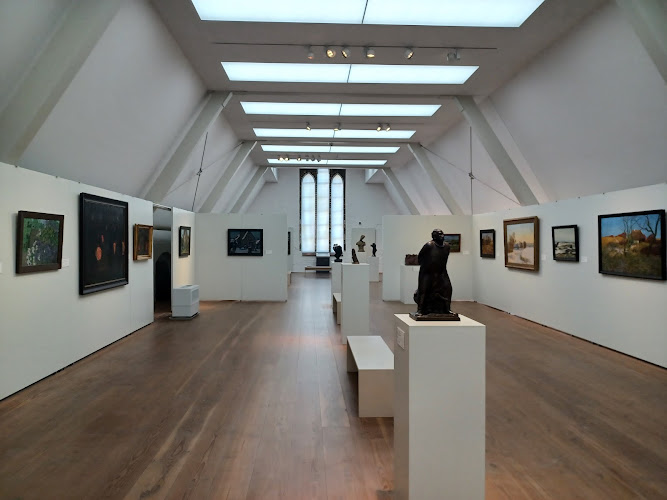
Culture Museum Rostock
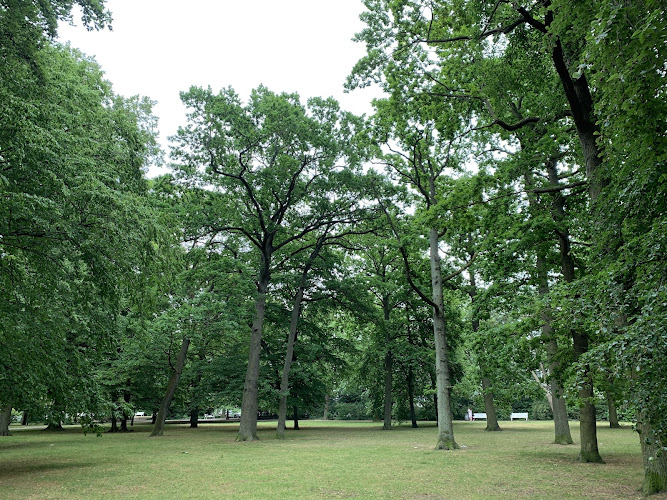
Kur Park
Find Accommodations Nearby
Recommended Tours & Activities
Visitor Reviews
There are no reviews yet. Be the first one to write one.
Share Your Experience
Have you visited Shipbuilding and Maritime Museum Rostock? Help other travelers by leaving a review.