
Culture Museum Rostock
About Culture Museum Rostock
Description
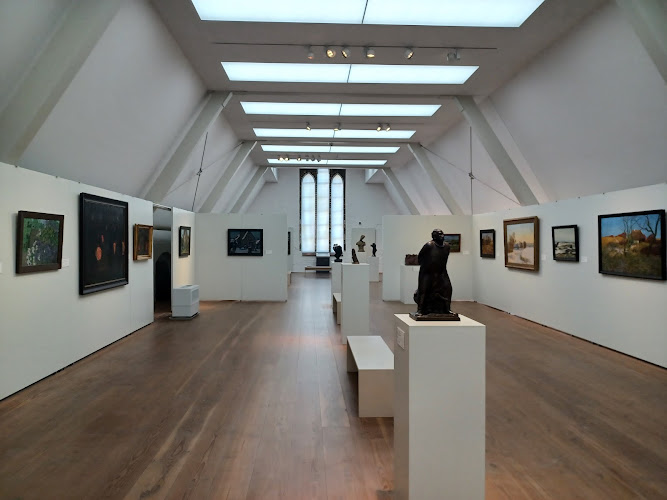
The Culture Museum Rostock sits within the stone-thick walls of a 13th-century monastery and reads like a layered diary of northern German life. Housed where monks once paced cloisters and chanted at dawn, the museum presents paintings, crafts, furnishings and a surprising array of cultural artifacts that chart Rostock’s shift from medieval trading hub to modern port city. It is a place where old beams meet careful display cases, and where the building itself is as much an exhibit as the objects inside.
Visitors quickly notice that this is not a polished, shiny block of a museum. Instead, it lives and breathes history. The high, arched ceilings, worn stone floors and narrow staircases give the space a lived-in authenticity that complements the collections. There are altarpieces and ecclesiastical furnishings alongside domestic objects — carved chests, embroidered samplers, rustic pewter — and oil paintings that document civic pride, family portraits and seascapes tied to Rostock’s maritime past. Together they tell stories about craft, faith, everyday life and the economic webs that once connected this corner of the Baltic with the rest of Europe.
Exhibits are arranged to encourage curiosity. One gallery might display a beautifully preserved painted chest with intricate ironwork, then lead to a room of folk costumes and festival regalia where stitch patterns and colors whisper about regional identity. Then, suddenly, there’s a small cabinet of shopkeepers’ labels and trade tokens — tiny, almost humble objects, but they illuminate how commerce and culture were braided here. Those tiny detours are the museum’s quiet strength; it rewards slow looking.
Accessibility is thoughtfully addressed. The museum provides a wheelchair-accessible entrance and restroom, so visitors with mobility needs can plan a visit with confidence. There are public restrooms available on site, though those expecting an on-site restaurant should note there is none; instead, local cafés and eateries around the old town make excellent pit stops before or after exploring. Families take note: the museum is considered good for kids, with tactile moments and approachable displays that engage younger visitors without overwhelming them. Children can see real history up close — carved toys, household tools, playful ceramics — and often leave with a stronger sense that history can be tangible and fun.
What gives Culture Museum Rostock its distinctive character is the interplay between object and architecture. The monastery’s cloister corridors create intimate sightlines; a beam of winter light cutting across a painted panel can make a 17th-century portrait feel startlingly immediate. And then there are the small, less-advertised touches: traces of medieval frescoes peeking behind later plasterwork, the sound of footsteps in a vaulted passage, a doorway that opens into a garden courtyard. Those elements combine to make visiting more than just a checklist of objects — it becomes a spatial, almost theatrical experience.
Curatorial choices lean local without being insular. The museum emphasizes Rostock’s particular stories — Hanseatic trade connections, regional craft traditions, the ebb and flow of religious and civic life — while positioning those narratives within wider German and Baltic contexts. That balance helps travelers who are new to the region make meaningful connections: for example, a painted merchant’s ledger or a carved ship model quickly becomes a portal into how goods, ideas and people moved across the sea centuries ago.
Some displays offer surprises. Visitors sometimes find single-room installations devoted to a fascinating microtopic: a guild master’s tools, a rare piece of stained glass rescued from a nearby church, or a cabinet showing how a local family’s household changed across three generations. These intimate studies are the museum’s hidden flourishes — little essays that reward curiosity.
The museum also works well for repeat visits. Exhibits rotate and seasonal shows bring in thematic material — occasionally contemporary artists are invited to respond to the building and its collections, producing lively juxtapositions between medieval architecture and modern perspectives. That’s one reason locals will keep returning; there’s always a fresh angle or a temporary exhibit that reframes familiar pieces.
Practical realities are treated honestly. The space can be quieter on weekday mornings and pleasantly busy on summer afternoons; the vaulted rooms hold sound in a way that can feel echoey when crowds grow. Lighting is used to dramatic effect in some galleries, so photographs can vary in quality; low-light areas enhance fragile textiles and paintings but make smartphone snaps less forgiving. Still, most visitors find that the atmosphere — intimate, slightly worn, a little theatrical — is part of the charm, not a drawback.
For people who love tactile history, the museum offers tangible rewards. Furnishings retain traces of use: smoothed armrests, repairs done by hands long gone, labels scrawled in old ink. Those human traces make the past feel near. And while some exhibits are formal and curated, others feel almost cobbled together by enthusiastic historians who wanted to preserve odd, beautiful things. That slightly eclectic sensibility is disarming; it makes the museum feel like a local cabinet of curiosities elevated into professional care.
Staff and volunteers often add to the experience. On many visits, guides provide short, personable tours that focus on peculiar objects or local anecdotes — a scandalous portrait, a ship model tied to a famous voyage, or a tale of how a particular artifact survived wars and rebuildings. Those stories animate the objects, turning them into characters in Rostock’s long narrative rather than silent artifacts behind glass.
Those planning a visit should keep a few things in mind. The museum is welcoming to families and accessible to visitors with reduced mobility, but it is not a high-tech, touch-screen-heavy institution. It’s most rewarding to those who enjoy close-looking, context and storytelling. Take your time, read the labels, ask questions. Often the most memorable discoveries are small: an embroidered wedding handkerchief with initials and a date, or an unexpectedly expressive face in a 16th-century portrait that seems to look right back at you.
Finally, Culture Museum Rostock is a reminder that buildings carry stories as powerfully as objects do. The monastery structure — its stonework, windows, and cloister — frames the collections in a way few modern museum spaces can. For travelers curious about the deeper currents of Rostock’s past, who like history that is textured and human-scaled, the museum offers a richly rewarding stop. It’s an invitation to slow down, to pay attention to craftsmanship and continuity, and to notice how everyday objects can illuminate centuries of life.
Key Features
Culture Museum Rostock
Tours & Activities
GetYourGuide provides this tour inventory. We may earn a commission if you book through it; verify current availability, prices, and terms with the provider.
Visitor Reviews
There are no reviews yet. Be the first one to write one.
Share Your Experience
Have you visited Culture Museum Rostock? Help other travelers by leaving a review.