

Schuppen Eins
About Schuppen Eins
Description
Schuppen Eins represents one of those fascinating transformations that make European industrial heritage so compelling for travelers. This historical landmark stands as a testament to adaptive reuse done right, where old warehouse bones have been given new life without losing their soul. The name itself - "Schuppen Eins" translates to "Shed One" in English - hints at its maritime origins, and stepping inside feels like walking through different chapters of history all at once. What makes this place genuinely interesting is how it refuses to be just one thing. It's simultaneously a museum, a shopping destination, an auto market, and a cultural space that hosts various exhibits throughout the year. I've always been drawn to places that evolve rather than staying frozen in time, and Schuppen Eins does exactly that. The building's industrial architecture provides this incredible backdrop - think high ceilings with exposed beams, wide open spaces that once housed cargo, and that unmistakable atmosphere of a working waterfront from another era. The facility manages to honor its past while serving present-day visitors in practical ways. You'll find accessibility features that many historic sites struggle to incorporate - wheelchair-friendly entrances and parking that actually work (not just technically exist on paper). And it's genuinely welcoming for families, which isn't always a given at historical landmarks that can sometimes feel stuffy or overly precious about their heritage. What strikes most visitors first is the sheer scale of the space. These weren't small storage sheds - these were serious industrial buildings designed to handle significant cargo operations. That means when you're browsing the auto market or checking out exhibits, you're doing so in a setting that feels grand and open rather than cramped like typical indoor venues.Key Features
Travelers visiting Schuppen Eins will discover several distinctive elements that set this destination apart from standard tourist attractions: • Automotive marketplace that brings together classic car enthusiasts, collectors, and casual browsers in an unexpected historical setting where vehicle culture meets maritime heritage • Rotating museum exhibits that change throughout the year, meaning repeat visits often yield completely different experiences depending on what's currently on display • Multi-level shopping opportunities housed within the original warehouse structure, offering everything from specialty goods to everyday items in an atmosphere far more interesting than conventional malls • Complete wheelchair accessibility including both building entrances and dedicated parking areas, making it one of the more accessible historical sites you'll encounter • Family-friendly environment where kids can actually enjoy themselves rather than being told to stay quiet and not touch anything like at many museums • Original industrial architecture featuring authentic structural elements, exposed brickwork, and maritime design features that photography enthusiasts absolutely love • Onsite services that handle various visitor needs without requiring you to leave the premises and hunt around unfamiliar neighborhoods • Event spaces that host special occasions, seasonal markets, and cultural programming beyond the permanent attractions • Climate-controlled interior that makes visiting comfortable regardless of weather conditions outside - particularly valuable during colder months or rainy daysBest Time to Visit
Timing your visit to Schuppen Eins requires thinking about what you want from the experience. Unlike outdoor attractions where weather dominates the decision, this indoor venue offers year-round appeal, though each season brings different advantages. Winter months from November through February actually work surprisingly well here. While many tourists avoid northern destinations during this period, Schuppen Eins becomes a cozy refuge from cold weather. The heating system keeps the vast interior comfortable, and there's something atmospheric about exploring an old maritime warehouse while rain or snow falls outside. Plus, you'll encounter fewer crowds during these months, making it easier to browse the auto market at your own pace and really examine the exhibits without constantly navigating around tour groups. Spring - particularly April and May - brings renewed energy as locals emerge from winter hibernation. The exhibits often refresh during this period, and if you're interested in the automotive aspects, spring is when serious buyers and sellers become more active. The longer daylight hours also mean you can explore the surrounding area before or after your visit. Summer sees peak tourist traffic, which is both good and bad. Good because the energy level rises and special events tend to cluster during these months. Bad because everyone else had the same idea to visit. Weekday mornings during summer offer the best compromise - decent weather for exploring the area afterward, but fewer crowds than weekend afternoons. Autumn, especially September and October, might be the sweet spot honestly. The summer rush has passed, the weather remains pleasant enough for walking around outside before heading in, and there's this certain atmosphere as the year winds down that suits a historical venue perfectly. Regarding specific days, weekdays generally offer calmer experiences than weekends when local families and domestic tourists visit in larger numbers. But if the auto market is your primary interest, weekend activity can actually enhance that experience with more sellers present and more action happening.How to Get There
Getting to Schuppen Eins proves straightforward for most travelers, though planning your approach saves time and frustration. The location benefits from multiple transportation options, each with distinct advantages depending on your circumstances. Public transportation serves the area reasonably well, with several bus routes stopping within walking distance. For visitors staying in central hotel districts, this often represents the most economical choice. The walk from nearby stops to the building itself takes just a few minutes and gives you a chance to see the surrounding area. Tram connections also serve the general vicinity, though you'll want to check current routes and schedules since these occasionally shift. Driving to Schuppen Eins makes sense for visitors who've rented cars or are exploring the broader region. The facility provides dedicated parking including those accessible spots mentioned earlier. Parking fees are typical for the area - not cheap by any means, but not outrageously expensive either. Navigation systems generally pinpoint the location accurately, though it helps to look for the distinctive warehouse architecture rather than solely relying on street addresses since the waterfront area can sometimes confuse GPS systems. Taxi and rideshare services work perfectly well for dropping off and picking up visitors. The advantage here is door-to-door convenience without parking concerns, particularly valuable if you're planning to purchase items at the market and don't want to lug them back on public transit. For the more adventurous traveler, cycling to Schuppen Eins offers a genuine local experience. The waterfront areas often feature bike paths or bike-friendly routes, and there's typically bike parking available near the entrance. This works best during milder weather months and gives you flexibility to explore surrounding neighborhoods at your own pace. If you're staying relatively close by, walking might be your best option. The approach on foot lets you appreciate the transition from modern city blocks to the historical waterfront district where Schuppen Eins lives.Tips for Visiting
Making the most of your Schuppen Eins experience involves some insider knowledge that guidebooks don't always cover. After talking with folks who've visited multiple times and paying attention to what actually works versus what sounds good in theory, these recommendations will help you avoid common mistakes. Allocate more time than you initially think necessary. First-time visitors consistently underestimate how much there is to see here. What looks like a quick hour-long stop easily expands to three or four hours once you start actually exploring. The combination of shopping, automotive displays, museum exhibits, and just wandering through the historic architecture creates a time warp effect. Bring cash as backup even though cards work in most areas. Some vendors at the auto market or smaller specialty shops prefer cash, and you don't want to miss out on something interesting because of payment logistics. And honestly, having cash just makes transactions faster when you're dealing with individual sellers. Wear comfortable walking shoes - this should be obvious given the size of the space, but you'd be surprised how many people show up in completely impractical footwear. The floors are hard concrete in many areas, and you'll be on your feet more than you realize. Check the exhibit schedule before visiting if museums are your primary interest. Since displays rotate, knowing what's currently featured helps set appropriate expectations. Some exhibits lean more toward local maritime history while others might focus on completely different themes. Photography enthusiasts should bring proper camera equipment rather than relying solely on phones. The interior lighting can be tricky with those high ceilings and mixed natural and artificial light sources. But the architectural elements and vintage automotive displays offer fantastic photo opportunities for those prepared to work with challenging light conditions. If you're seriously interested in the auto market, research beforehand what you're looking for and typical price ranges. Sellers here generally know their stuff, and showing up educated leads to better conversations and potentially better deals. It's not really a tourist trap situation, but rather an actual marketplace where knowledge matters. Visit the facilities early in your trip rather than saving them for last. Bathrooms are available and reasonably maintained, but it's better to locate them early than desperately searching later. Consider combining your visit with exploration of the surrounding waterfront area. Schuppen Eins doesn't exist in isolation - it's part of a larger historical district worth experiencing. Grabbing lunch or coffee nearby before or after your visit creates a fuller day. For families with children, set clear expectations about behavior regarding the automotive displays and exhibits. While the place welcomes kids, some items are valuable and fragile. Parents who prepare children beforehand have notably smoother visits than those dealing with behavioral issues on the fly. Don't rush through just to check it off your list. The real value of Schuppen Eins emerges when you slow down enough to appreciate the details - the architectural features, the stories behind exhibits, the characters you'll meet at the auto market. This isn't a place for hurried tourism; it rewards attention and curiosity.Key Features
- Historic listed warehouse architecture with harbour views
- Cluster of classic-car dealers, restoration workshops and small automotive exhibits
- Glass-fronted showrooms allowing visitors to watch restoration work
- Cafés and eateries inside the venue for casual dining
- Regular automotive events, markets and special exhibitions
More Details
Updated March 30, 2026
Table of Contents
Description
Schuppen Eins represents one of those fascinating transformations that make European industrial heritage so compelling for travelers. This historical landmark stands as a testament to adaptive reuse done right, where old warehouse bones have been given new life without losing their soul. The name itself – “Schuppen Eins” translates to “Shed One” in English – hints at its maritime origins, and stepping inside feels like walking through different chapters of history all at once.
What makes this place genuinely interesting is how it refuses to be just one thing. It’s simultaneously a museum, a shopping destination, an auto market, and a cultural space that hosts various exhibits throughout the year. I’ve always been drawn to places that evolve rather than staying frozen in time, and Schuppen Eins does exactly that. The building’s industrial architecture provides this incredible backdrop – think high ceilings with exposed beams, wide open spaces that once housed cargo, and that unmistakable atmosphere of a working waterfront from another era.
The facility manages to honor its past while serving present-day visitors in practical ways. You’ll find accessibility features that many historic sites struggle to incorporate – wheelchair-friendly entrances and parking that actually work (not just technically exist on paper). And it’s genuinely welcoming for families, which isn’t always a given at historical landmarks that can sometimes feel stuffy or overly precious about their heritage.
What strikes most visitors first is the sheer scale of the space. These weren’t small storage sheds – these were serious industrial buildings designed to handle significant cargo operations. That means when you’re browsing the auto market or checking out exhibits, you’re doing so in a setting that feels grand and open rather than cramped like typical indoor venues.
Key Features
Travelers visiting Schuppen Eins will discover several distinctive elements that set this destination apart from standard tourist attractions:
• Automotive marketplace that brings together classic car enthusiasts, collectors, and casual browsers in an unexpected historical setting where vehicle culture meets maritime heritage
• Rotating museum exhibits that change throughout the year, meaning repeat visits often yield completely different experiences depending on what’s currently on display
• Multi-level shopping opportunities housed within the original warehouse structure, offering everything from specialty goods to everyday items in an atmosphere far more interesting than conventional malls
• Complete wheelchair accessibility including both building entrances and dedicated parking areas, making it one of the more accessible historical sites you’ll encounter
• Family-friendly environment where kids can actually enjoy themselves rather than being told to stay quiet and not touch anything like at many museums
• Original industrial architecture featuring authentic structural elements, exposed brickwork, and maritime design features that photography enthusiasts absolutely love
• Onsite services that handle various visitor needs without requiring you to leave the premises and hunt around unfamiliar neighborhoods
• Event spaces that host special occasions, seasonal markets, and cultural programming beyond the permanent attractions
• Climate-controlled interior that makes visiting comfortable regardless of weather conditions outside – particularly valuable during colder months or rainy days
Best Time to Visit
Timing your visit to Schuppen Eins requires thinking about what you want from the experience. Unlike outdoor attractions where weather dominates the decision, this indoor venue offers year-round appeal, though each season brings different advantages.
Winter months from November through February actually work surprisingly well here. While many tourists avoid northern destinations during this period, Schuppen Eins becomes a cozy refuge from cold weather. The heating system keeps the vast interior comfortable, and there’s something atmospheric about exploring an old maritime warehouse while rain or snow falls outside. Plus, you’ll encounter fewer crowds during these months, making it easier to browse the auto market at your own pace and really examine the exhibits without constantly navigating around tour groups.
Spring – particularly April and May – brings renewed energy as locals emerge from winter hibernation. The exhibits often refresh during this period, and if you’re interested in the automotive aspects, spring is when serious buyers and sellers become more active. The longer daylight hours also mean you can explore the surrounding area before or after your visit.
Summer sees peak tourist traffic, which is both good and bad. Good because the energy level rises and special events tend to cluster during these months. Bad because everyone else had the same idea to visit. Weekday mornings during summer offer the best compromise – decent weather for exploring the area afterward, but fewer crowds than weekend afternoons.
Autumn, especially September and October, might be the sweet spot honestly. The summer rush has passed, the weather remains pleasant enough for walking around outside before heading in, and there’s this certain atmosphere as the year winds down that suits a historical venue perfectly.
Regarding specific days, weekdays generally offer calmer experiences than weekends when local families and domestic tourists visit in larger numbers. But if the auto market is your primary interest, weekend activity can actually enhance that experience with more sellers present and more action happening.
How to Get There
Getting to Schuppen Eins proves straightforward for most travelers, though planning your approach saves time and frustration. The location benefits from multiple transportation options, each with distinct advantages depending on your circumstances.
Public transportation serves the area reasonably well, with several bus routes stopping within walking distance. For visitors staying in central hotel districts, this often represents the most economical choice. The walk from nearby stops to the building itself takes just a few minutes and gives you a chance to see the surrounding area. Tram connections also serve the general vicinity, though you’ll want to check current routes and schedules since these occasionally shift.
Driving to Schuppen Eins makes sense for visitors who’ve rented cars or are exploring the broader region. The facility provides dedicated parking including those accessible spots mentioned earlier. Parking fees are typical for the area – not cheap by any means, but not outrageously expensive either. Navigation systems generally pinpoint the location accurately, though it helps to look for the distinctive warehouse architecture rather than solely relying on street addresses since the waterfront area can sometimes confuse GPS systems.
Taxi and rideshare services work perfectly well for dropping off and picking up visitors. The advantage here is door-to-door convenience without parking concerns, particularly valuable if you’re planning to purchase items at the market and don’t want to lug them back on public transit.
For the more adventurous traveler, cycling to Schuppen Eins offers a genuine local experience. The waterfront areas often feature bike paths or bike-friendly routes, and there’s typically bike parking available near the entrance. This works best during milder weather months and gives you flexibility to explore surrounding neighborhoods at your own pace.
If you’re staying relatively close by, walking might be your best option. The approach on foot lets you appreciate the transition from modern city blocks to the historical waterfront district where Schuppen Eins lives.
Tips for Visiting
Making the most of your Schuppen Eins experience involves some insider knowledge that guidebooks don’t always cover. After talking with folks who’ve visited multiple times and paying attention to what actually works versus what sounds good in theory, these recommendations will help you avoid common mistakes.
Allocate more time than you initially think necessary. First-time visitors consistently underestimate how much there is to see here. What looks like a quick hour-long stop easily expands to three or four hours once you start actually exploring. The combination of shopping, automotive displays, museum exhibits, and just wandering through the historic architecture creates a time warp effect.
Bring cash as backup even though cards work in most areas. Some vendors at the auto market or smaller specialty shops prefer cash, and you don’t want to miss out on something interesting because of payment logistics. And honestly, having cash just makes transactions faster when you’re dealing with individual sellers.
Wear comfortable walking shoes – this should be obvious given the size of the space, but you’d be surprised how many people show up in completely impractical footwear. The floors are hard concrete in many areas, and you’ll be on your feet more than you realize.
Check the exhibit schedule before visiting if museums are your primary interest. Since displays rotate, knowing what’s currently featured helps set appropriate expectations. Some exhibits lean more toward local maritime history while others might focus on completely different themes.
Photography enthusiasts should bring proper camera equipment rather than relying solely on phones. The interior lighting can be tricky with those high ceilings and mixed natural and artificial light sources. But the architectural elements and vintage automotive displays offer fantastic photo opportunities for those prepared to work with challenging light conditions.
If you’re seriously interested in the auto market, research beforehand what you’re looking for and typical price ranges. Sellers here generally know their stuff, and showing up educated leads to better conversations and potentially better deals. It’s not really a tourist trap situation, but rather an actual marketplace where knowledge matters.
Visit the facilities early in your trip rather than saving them for last. Bathrooms are available and reasonably maintained, but it’s better to locate them early than desperately searching later.
Consider combining your visit with exploration of the surrounding waterfront area. Schuppen Eins doesn’t exist in isolation – it’s part of a larger historical district worth experiencing. Grabbing lunch or coffee nearby before or after your visit creates a fuller day.
For families with children, set clear expectations about behavior regarding the automotive displays and exhibits. While the place welcomes kids, some items are valuable and fragile. Parents who prepare children beforehand have notably smoother visits than those dealing with behavioral issues on the fly.
Don’t rush through just to check it off your list. The real value of Schuppen Eins emerges when you slow down enough to appreciate the details – the architectural features, the stories behind exhibits, the characters you’ll meet at the auto market. This isn’t a place for hurried tourism; it rewards attention and curiosity.
Key Highlights
- Historic listed warehouse architecture with harbour views
- Cluster of classic-car dealers, restoration workshops and small automotive exhibits
- Glass-fronted showrooms allowing visitors to watch restoration work
- Cafés and eateries inside the venue for casual dining
- Regular automotive events, markets and special exhibitions
Location
Places to Stay Near Schuppen Eins
Find and Book a Tour
Explore More Travel Guides
No reviews found! Be the first to review!
Schuppen Eins is a prominent Historische Sehenswürdigkeit located in Bremen.
Visit us at: Konsul-Smidt-Straße 26, 28217 Bremen, Germany.
Traveler Reviews for Schuppen Eins
There are no reviews yet. Be the first one to write one.
Have you visited Schuppen Eins? Help other travelers by sharing your review.
Nearby Attractions
You Might Also Like
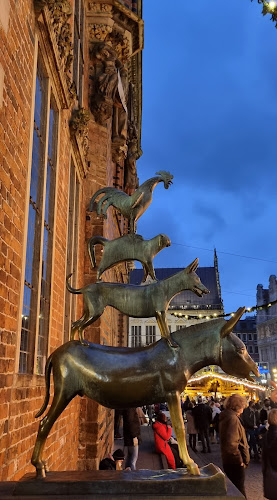
28195 Bremen
"Spuckstein" am Bremer Dom
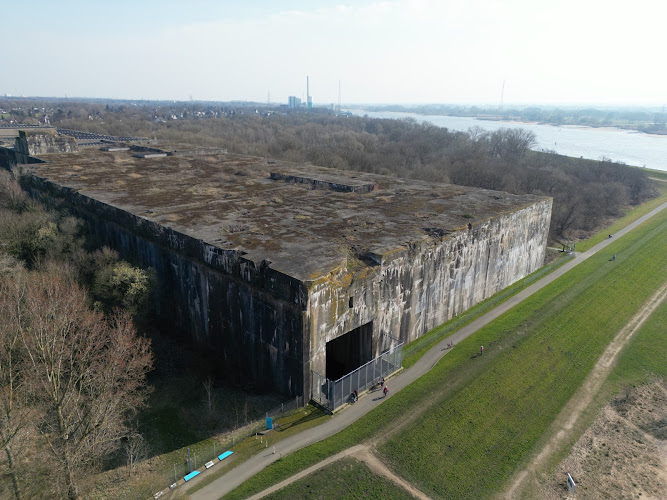
Valentin submarine pens
Find Accommodations Nearby
Recommended Tours & Activities
Visitor Reviews
There are no reviews yet. Be the first one to write one.
Share Your Experience
Have you visited Schuppen Eins? Help other travelers by leaving a review.