
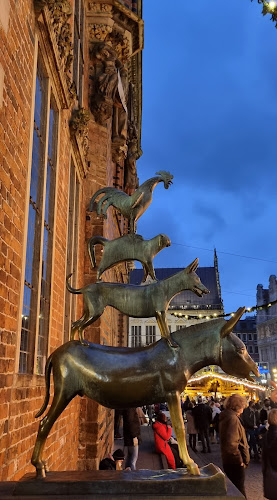
28195 Bremen
About 28195 Bremen
Description
The 28195 postal code area represents one of Bremen's most historically rich and culturally fascinating districts, encompassing parts of the city's medieval heart and surrounding neighborhoods. When you step into this area, you're walking through centuries of maritime heritage, architectural brilliance, and that distinctive North German character that makes Bremen so uniquely charming compared to other German cities. I spent a memorable autumn there a few years back, and honestly, the atmosphere caught me completely off guard. This part of Bremen isn't just another German city center - it's where you'll find yourself constantly stumbling upon hidden courtyards, centuries-old buildings that have witnessed everything from Hanseatic merchant negotiations to modern-day café culture, and streets that seem to whisper stories if you know how to listen. The 28195 area sits right in Bremen's core, which means you're never more than a short walk from the city's most iconic landmarks. But what really makes this postal code special is how it manages to feel both touristy and authentically local at the same time. You'll see groups of visitors snapping photos next to the famous Bremen Town Musicians statue, while local office workers grab their lunch from the same bakeries their grandparents probably frequented. What struck me most during my time exploring this district was the architectural diversity. You've got medieval structures standing proudly next to Art Nouveau buildings, and somehow it all works together without feeling jarring. The narrow streets open up into unexpected plazas, and the Weser River isn't far from anywhere in this zone, which gives the whole area this maritime freshness even when you're blocks from the water.Key Features
The 28195 Bremen area offers visitors an impressive array of experiences and characteristics: • The historic Schnoor Quarter with its remarkably well-preserved medieval lanes and houses dating back to the 15th and 16th centuries • Direct access to Bremen's UNESCO World Heritage Site, the Town Hall and Roland statue, representing over 600 years of civic freedom • A concentration of museums including the Kunsthalle Bremen and the Übersee-Museum that showcase art and cultural artifacts from around the world • The famous Böttcherstraße, a street that's essentially an open-air museum of Expressionist architecture from the 1920s • Numerous traditional German restaurants, international eateries, and cozy cafés tucked into historic buildings • The Schlachte promenade along the Weser River, where former warehouses now house beer gardens and restaurants • Easy pedestrian access throughout most of the district, making it ideal for exploring on foot • A thriving shopping scene that mixes international brands with local boutiques and specialty shops • Regular markets including the famous Christmas market that transforms the main square each winter • Proximity to the Theater Bremen and various smaller performance venues offering everything from opera to contemporary dance • Architecture spanning from Gothic and Renaissance to Baroque and modern styles • The Weser River waterfront with opportunities for boat tours and riverside walksBest Time to Visit
Timing your visit to the 28195 Bremen area really depends on what kind of experience you're after, and I've got some thoughts based on what I've seen across different seasons. December is absolutely magical if you can handle the cold - and I mean really cold, because North German winters don't mess around. The Christmas market in this district is legitimately one of Germany's finest, and unlike some of the more commercialized markets in bigger cities, Bremen's still maintains that cozy, authentic feel. The historic buildings get draped in lights, the smell of Glühwein and roasted almonds fills the air, and the whole postal code area transforms into something straight out of a fairy tale. Just pack layers, because standing around sipping mulled wine in freezing temperatures requires proper preparation. But here's the thing - summer, particularly June through August, offers something completely different. The days stretch long (we're talking daylight until nearly 10 PM in peak summer), the beer gardens along the Schlachte come alive, and you can actually enjoy walking around without needing seventeen layers of clothing. I'd argue late May or early September might actually be the sweet spot though. You get decent weather without the peak summer crowds, and hotel prices tend to be more reasonable. Spring in Bremen, especially April and May, brings its own charm. The city shakes off winter, outdoor cafés start setting up their terraces, and locals emerge from hibernation with an enthusiasm that's genuinely infectious. You might catch some rain - this is Northern Germany after all - but the cherry blossoms around the Wallanlagen parks are worth risking a drizzle. Autumn, particularly October, offers probably the best lighting for photography if that's your thing. The lower sun angles make those medieval buildings glow, and there's usually a cultural events calendar that picks up after the summer tourism season winds down. Plus, the fall food scene is excellent - game season brings special menu items to restaurants throughout the district. Weekdays generally provide a calmer experience than weekends, when both tourists and locals from surrounding areas converge on the 28195 area. If you want to see the attractions without fighting crowds, Tuesday through Thursday mornings are your best bet.How to Get There
Getting to the 28195 Bremen area is refreshingly straightforward, which honestly surprised me the first time I visited - sometimes German cities can be confusing to navigate. If you're flying in, Bremen Airport (which is actually pretty small and manageable compared to the chaos of Frankfurt or Munich) sits about 3.5 kilometers from the city center. The Tram 6 line connects the airport directly to the central station (Hauptbahnhof), and from there you're literally a 10-minute walk into the heart of the 28195 postal code area. The whole journey takes maybe 20 minutes if you time it right with the tram schedule. Many travelers actually fly into Hamburg Airport instead, which offers more international connections. It's about 120 kilometers away, but the train connection is excellent. You'll catch a train from Hamburg Hauptbahnhof to Bremen Hauptbahnhof - the journey takes roughly an hour, and trains run frequently throughout the day. Once you arrive at Bremen's main station, you're already essentially in the 28195 area or at its immediate edge. If you're coming by train from other German cities, Bremen's central station serves as a major hub on the Deutsche Bahn network. From Hannover, it's about an hour. From Berlin, expect around 3.5 hours. Amsterdam is roughly 4 hours away, making Bremen accessible for those doing a multi-country European trip. Driving into the 28195 area is possible but honestly not recommended. The historic center has limited parking, much of it is pedestrianized, and what parking exists is expensive and fills up quickly. If you must drive, look for Park & Ride facilities on the city's outskirts and use public transport into the center. There's one near the university that works well. Once you're in Bremen, the public transport system of trams and buses is reliable and covers the entire city efficiently. But here's the real secret - you probably won't need it much. The 28195 area is compact enough that walking is genuinely the best way to explore. I barely used public transport during my visits because everything was within comfortable walking distance. For those who enjoy cycling, Bremen is incredibly bike-friendly, and you'll see locals of all ages pedaling around. Bike rental shops are scattered throughout the district, and there's decent cycling infrastructure. Just watch out for cobblestones in the oldest parts - they're charming but can be tricky to navigate on two wheels.Tips for Visiting
After spending considerable time wandering through the 28195 Bremen area, I've picked up a few things that I wish someone had told me before my first visit. First off, wear comfortable walking shoes - and I cannot stress this enough. Those picturesque cobblestone streets are beautiful in photos but genuinely punishing on your feet after a few hours. I made the mistake of wearing fashionable-but-impractical shoes on my first day and regretted it immensely. The historic lanes of the Schnoor Quarter in particular have uneven surfaces that require proper footwear. The local tipping culture is more reserved than in places like the United States. Rounding up to the nearest euro or adding 5-10% for good service in restaurants is standard. Don't leave cash on the table though - tell your server the total amount you want to pay including tip when they bring the card machine or when you hand over cash. Learn a few basic German phrases even though many people speak English. A simple "Guten Tag" when entering shops or "Danke schön" goes a long way. Bremen locals appreciate the effort, and I noticed a definite difference in how people responded when I at least attempted German before switching to English. Many smaller shops and even some restaurants in the area still prefer cash over cards. While this is changing, especially post-pandemic, don't assume everywhere takes credit cards. Keep some euros on hand, particularly for smaller purchases. There are ATMs scattered throughout the district, but they charge fees if you're not with a German bank. If you're visiting the museums or multiple attractions, look into the ErlebnisCARD Bremen, which offers free public transport and discounts on various attractions. Depending on your itinerary, it can save you a decent amount. Do the math based on what you actually plan to visit though - sometimes these city cards aren't worth it if you're selective about attractions. The main lunch hour runs from about 12:00 to 14:00, and dinner service typically doesn't start until 18:00 or later. If you try to get dinner at 17:30, you'll find many restaurants still closed or in that awkward preparation phase. Embrace the German schedule or plan accordingly. Also, Sunday shopping is essentially non-existent - most stores are closed, though restaurants and cafés remain open. For the best local experience, venture slightly off the main tourist routes. The parallel streets to the heavily trafficked areas often have better prices, fewer crowds, and more authentic atmosphere. Some of my favorite discoveries were restaurants and shops on side streets where I was the only non-German speaker. Weather in Bremen changes fast, especially in shoulder seasons. Carry a light rain jacket even if the morning looks clear. I got caught in unexpected showers more than once, and watching tourists scramble for cover while locals calmly pulled out umbrellas they'd wisely brought along was a good lesson. The tap water is perfectly safe to drink, which saves money and plastic waste. Restaurants will try to sell you bottled water (it's a revenue thing), but you can request "Leitungswasser" (tap water) if you prefer, though some servers might give you a slight look of disapproval. Finally, take your time in this area. The 28195 Bremen district rewards slow exploration rather than rushed checklist tourism. Some of the best moments come from simply sitting in a café watching life unfold, wandering down a random alley that catches your eye, or striking up conversations with locals. The atmosphere and character reveal themselves gradually, not instantly, and that's exactly how it should be.Key Features
- Key Features
- Best Time to Visit
- How to Get There
- Tips for Visiting
More Details
Updated March 30, 2026
Table of Contents
Description
The 28195 postal code area represents one of Bremen’s most historically rich and culturally fascinating districts, encompassing parts of the city’s medieval heart and surrounding neighborhoods. When you step into this area, you’re walking through centuries of maritime heritage, architectural brilliance, and that distinctive North German character that makes Bremen so uniquely charming compared to other German cities.
I spent a memorable autumn there a few years back, and honestly, the atmosphere caught me completely off guard. This part of Bremen isn’t just another German city center – it’s where you’ll find yourself constantly stumbling upon hidden courtyards, centuries-old buildings that have witnessed everything from Hanseatic merchant negotiations to modern-day café culture, and streets that seem to whisper stories if you know how to listen.
The 28195 area sits right in Bremen’s core, which means you’re never more than a short walk from the city’s most iconic landmarks. But what really makes this postal code special is how it manages to feel both touristy and authentically local at the same time. You’ll see groups of visitors snapping photos next to the famous Bremen Town Musicians statue, while local office workers grab their lunch from the same bakeries their grandparents probably frequented.
What struck me most during my time exploring this district was the architectural diversity. You’ve got medieval structures standing proudly next to Art Nouveau buildings, and somehow it all works together without feeling jarring. The narrow streets open up into unexpected plazas, and the Weser River isn’t far from anywhere in this zone, which gives the whole area this maritime freshness even when you’re blocks from the water.
Key Features
The 28195 Bremen area offers visitors an impressive array of experiences and characteristics:
• The historic Schnoor Quarter with its remarkably well-preserved medieval lanes and houses dating back to the 15th and 16th centuries
• Direct access to Bremen’s UNESCO World Heritage Site, the Town Hall and Roland statue, representing over 600 years of civic freedom
• A concentration of museums including the Kunsthalle Bremen and the Übersee-Museum that showcase art and cultural artifacts from around the world
• The famous Böttcherstraße, a street that’s essentially an open-air museum of Expressionist architecture from the 1920s
• Numerous traditional German restaurants, international eateries, and cozy cafés tucked into historic buildings
• The Schlachte promenade along the Weser River, where former warehouses now house beer gardens and restaurants
• Easy pedestrian access throughout most of the district, making it ideal for exploring on foot
• A thriving shopping scene that mixes international brands with local boutiques and specialty shops
• Regular markets including the famous Christmas market that transforms the main square each winter
• Proximity to the Theater Bremen and various smaller performance venues offering everything from opera to contemporary dance
• Architecture spanning from Gothic and Renaissance to Baroque and modern styles
• The Weser River waterfront with opportunities for boat tours and riverside walks
Best Time to Visit
Timing your visit to the 28195 Bremen area really depends on what kind of experience you’re after, and I’ve got some thoughts based on what I’ve seen across different seasons.
December is absolutely magical if you can handle the cold – and I mean really cold, because North German winters don’t mess around. The Christmas market in this district is legitimately one of Germany’s finest, and unlike some of the more commercialized markets in bigger cities, Bremen’s still maintains that cozy, authentic feel. The historic buildings get draped in lights, the smell of Glühwein and roasted almonds fills the air, and the whole postal code area transforms into something straight out of a fairy tale. Just pack layers, because standing around sipping mulled wine in freezing temperatures requires proper preparation.
But here’s the thing – summer, particularly June through August, offers something completely different. The days stretch long (we’re talking daylight until nearly 10 PM in peak summer), the beer gardens along the Schlachte come alive, and you can actually enjoy walking around without needing seventeen layers of clothing. I’d argue late May or early September might actually be the sweet spot though. You get decent weather without the peak summer crowds, and hotel prices tend to be more reasonable.
Spring in Bremen, especially April and May, brings its own charm. The city shakes off winter, outdoor cafés start setting up their terraces, and locals emerge from hibernation with an enthusiasm that’s genuinely infectious. You might catch some rain – this is Northern Germany after all – but the cherry blossoms around the Wallanlagen parks are worth risking a drizzle.
Autumn, particularly October, offers probably the best lighting for photography if that’s your thing. The lower sun angles make those medieval buildings glow, and there’s usually a cultural events calendar that picks up after the summer tourism season winds down. Plus, the fall food scene is excellent – game season brings special menu items to restaurants throughout the district.
Weekdays generally provide a calmer experience than weekends, when both tourists and locals from surrounding areas converge on the 28195 area. If you want to see the attractions without fighting crowds, Tuesday through Thursday mornings are your best bet.
How to Get There
Getting to the 28195 Bremen area is refreshingly straightforward, which honestly surprised me the first time I visited – sometimes German cities can be confusing to navigate.
If you’re flying in, Bremen Airport (which is actually pretty small and manageable compared to the chaos of Frankfurt or Munich) sits about 3.5 kilometers from the city center. The Tram 6 line connects the airport directly to the central station (Hauptbahnhof), and from there you’re literally a 10-minute walk into the heart of the 28195 postal code area. The whole journey takes maybe 20 minutes if you time it right with the tram schedule.
Many travelers actually fly into Hamburg Airport instead, which offers more international connections. It’s about 120 kilometers away, but the train connection is excellent. You’ll catch a train from Hamburg Hauptbahnhof to Bremen Hauptbahnhof – the journey takes roughly an hour, and trains run frequently throughout the day. Once you arrive at Bremen’s main station, you’re already essentially in the 28195 area or at its immediate edge.
If you’re coming by train from other German cities, Bremen’s central station serves as a major hub on the Deutsche Bahn network. From Hannover, it’s about an hour. From Berlin, expect around 3.5 hours. Amsterdam is roughly 4 hours away, making Bremen accessible for those doing a multi-country European trip.
Driving into the 28195 area is possible but honestly not recommended. The historic center has limited parking, much of it is pedestrianized, and what parking exists is expensive and fills up quickly. If you must drive, look for Park & Ride facilities on the city’s outskirts and use public transport into the center. There’s one near the university that works well.
Once you’re in Bremen, the public transport system of trams and buses is reliable and covers the entire city efficiently. But here’s the real secret – you probably won’t need it much. The 28195 area is compact enough that walking is genuinely the best way to explore. I barely used public transport during my visits because everything was within comfortable walking distance.
For those who enjoy cycling, Bremen is incredibly bike-friendly, and you’ll see locals of all ages pedaling around. Bike rental shops are scattered throughout the district, and there’s decent cycling infrastructure. Just watch out for cobblestones in the oldest parts – they’re charming but can be tricky to navigate on two wheels.
Tips for Visiting
After spending considerable time wandering through the 28195 Bremen area, I’ve picked up a few things that I wish someone had told me before my first visit.
First off, wear comfortable walking shoes – and I cannot stress this enough. Those picturesque cobblestone streets are beautiful in photos but genuinely punishing on your feet after a few hours. I made the mistake of wearing fashionable-but-impractical shoes on my first day and regretted it immensely. The historic lanes of the Schnoor Quarter in particular have uneven surfaces that require proper footwear.
The local tipping culture is more reserved than in places like the United States. Rounding up to the nearest euro or adding 5-10% for good service in restaurants is standard. Don’t leave cash on the table though – tell your server the total amount you want to pay including tip when they bring the card machine or when you hand over cash.
Learn a few basic German phrases even though many people speak English. A simple “Guten Tag” when entering shops or “Danke schön” goes a long way. Bremen locals appreciate the effort, and I noticed a definite difference in how people responded when I at least attempted German before switching to English.
Many smaller shops and even some restaurants in the area still prefer cash over cards. While this is changing, especially post-pandemic, don’t assume everywhere takes credit cards. Keep some euros on hand, particularly for smaller purchases. There are ATMs scattered throughout the district, but they charge fees if you’re not with a German bank.
If you’re visiting the museums or multiple attractions, look into the ErlebnisCARD Bremen, which offers free public transport and discounts on various attractions. Depending on your itinerary, it can save you a decent amount. Do the math based on what you actually plan to visit though – sometimes these city cards aren’t worth it if you’re selective about attractions.
The main lunch hour runs from about 12:00 to 14:00, and dinner service typically doesn’t start until 18:00 or later. If you try to get dinner at 17:30, you’ll find many restaurants still closed or in that awkward preparation phase. Embrace the German schedule or plan accordingly. Also, Sunday shopping is essentially non-existent – most stores are closed, though restaurants and cafés remain open.
For the best local experience, venture slightly off the main tourist routes. The parallel streets to the heavily trafficked areas often have better prices, fewer crowds, and more authentic atmosphere. Some of my favorite discoveries were restaurants and shops on side streets where I was the only non-German speaker.
Weather in Bremen changes fast, especially in shoulder seasons. Carry a light rain jacket even if the morning looks clear. I got caught in unexpected showers more than once, and watching tourists scramble for cover while locals calmly pulled out umbrellas they’d wisely brought along was a good lesson.
The tap water is perfectly safe to drink, which saves money and plastic waste. Restaurants will try to sell you bottled water (it’s a revenue thing), but you can request “Leitungswasser” (tap water) if you prefer, though some servers might give you a slight look of disapproval.
Finally, take your time in this area. The 28195 Bremen district rewards slow exploration rather than rushed checklist tourism. Some of the best moments come from simply sitting in a café watching life unfold, wandering down a random alley that catches your eye, or striking up conversations with locals. The atmosphere and character reveal themselves gradually, not instantly, and that’s exactly how it should be.
Key Highlights
- Key Features
- Best Time to Visit
- How to Get There
- Tips for Visiting
Location
Places to Stay Near 28195 Bremen
Find and Book a Tour
Explore More Travel Guides
No reviews found! Be the first to review!
28195 Bremen is a prominent Attractions located in Bremen.
Visit us at: Böttcherstraße, 28195 Bremen, Germany.
Traveler Reviews for 28195 Bremen
There are no reviews yet. Be the first one to write one.
Have you visited 28195 Bremen? Help other travelers by sharing your review.
You Might Also Like

Glockenspiel House

Town Musicians of Bremen
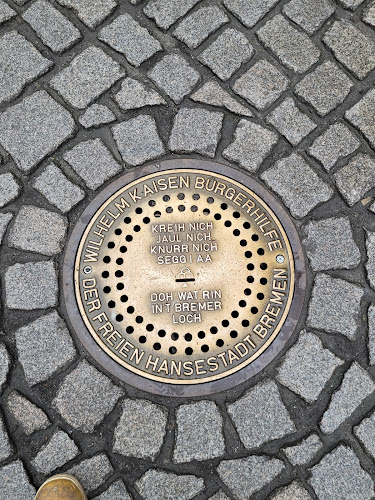
Bremen Hole
Find Accommodations Nearby
Recommended Tours & Activities
Visitor Reviews
There are no reviews yet. Be the first one to write one.
Share Your Experience
Have you visited 28195 Bremen? Help other travelers by leaving a review.