

Savannah Children’s Museum
About Savannah Children’s Museum
Description
The Savannah Children’s Museum is an outdoor-focused play and learning space that leans into hands-on discovery rather than passive observation. Located within walking distance of several downtown attractions, it presents an open-air environment where children can paint, splash, climb, and listen to stories without the usual hushed museum vibe. The emphasis is on active learning: arts & crafts pop up all over the schedule, short story-time sessions gather small groups under shade, and seasonal water play surfaces on warmer days so kids can cool off while experimenting with flow and motion. It’s not a building full of glass cases; it’s a backyard-sized laboratory for childhood curiosity, and most families find that difference refreshing.
The site is intentionally designed to accommodate a broad range of ages and abilities. There are simple sensory stations for toddlers, imaginative play structures for preschoolers, and slightly more challenging activities for early-elementary kids. A small outdoor theater hosts short performances and puppet shows that vary by season—perfect for children who need a few minutes of quieter stimulation between more boisterous activities. Practical accessibility features are in place: wheelchair-accessible entrances, parking, and restrooms are available, so caregivers with mobility needs can plan a visit without too many surprises.
One unpretentious thing that stands out: the museum feels local rather than corporate. Volunteer docents and staff often greet families by first name and will help a hesitant three-year-old try the water pump for the first time. A local parent once described it as the kind of place where, after five minutes, strangers are swapping sunscreen and snack tips like old acquaintances. That neighborhood-y vibe matters when traveling with kids; it makes the place feel safe and manageable, even on busier days.
Expect a modest admission fee—this is a small nonprofit-style operation rather than a large city museum—so planning ahead is smart. Because there’s no on-site restaurant, most visitors bring snacks, picnic blankets, or plan for a quick walk to a nearby cafe after the visit. Restroom facilities are available, but if a child is particular about changing rooms or needs a quiet nursing spot, it’s helpful to arrive a little early to scope out the most comfortable corners.
Programming is built around the idea of touch-and-do. Arts & crafts sessions rotate through themes like coastal ecology projects, simple printmaking, and collaborative mural painting. Story time is usually short—intentionally so—to match shorter attention spans; stories often pair with a related activity, like a nature scavenger hunt or a tiny-stage sing-along. During hot months, water play features—splash pads or hands-on water tables—become the unofficial centerpiece. These aren’t elaborate splash parks, but they’re thoughtfully set up to teach cause and effect (tilting a bucket, directing a stream) while keeping kids cool. Parents often comment that the water play is both the loudest and the most educational part of a visit.
Architecturally and aesthetically, the space leans toward recycled and locally sourced materials. Think painted shipping pallets, wooden play sculptures, and repurposed metalwork turned into climbing objects. That gives the museum a slightly handmade feel; it’s charming in a way that says someone on staff cared enough to make things themselves. This also means exhibits change often—staff and volunteers tweak setups to keep returning kids engaged. For travelers who plan to be in Savannah for several days, returning for a second or third short visit can reveal new corners and activities.
Operational realities are part of the honest picture. On sunny weekends or during school holiday weeks it gets busy: lines for certain attractions, limited shade spots, and occasional waits for the theater program. The museum manages crowds by rotating activities and limiting group sizes for programs, but families who prefer a slower pace will want to aim for weekday mornings. Weather is a major factor—because much of the museum is outdoors, rain means postponements and resets. That said, rainy-day sessions are sometimes replaced by impromptu puppet shows under covered areas, so it’s not always a total loss.
For travelers keen on educational value, the museum quietly packs in learning goals. Activities target sensory development, motor skills, imaginative play, and early science concepts—simple experimentation, observation, and cause-and-effect thinking. Volunteers and staff scaffold play with gentle prompts: Why does the water move faster down that gutter? What happens if we mix blue and yellow paint? That subtle facilitation separates aimless play from guided discovery, making a visit feel like both recess and a mini-classroom.
Practical concerns that matter to travelers: there is no full-service restaurant on site, so plan for snacks or a nearby lunch. The restrooms are accessible and well-maintained; changing tables are present but can be limited during peak hours. Security is relaxed but watchful—staff frequently perform roll calls at program start times and will help locate a lost child quickly. Parking is available nearby, including accessible spaces, but downtown events can affect traffic, so pad arrival time on event-heavy weekends.
What makes the Savannah Children’s Museum stand out from other kids’ attractions in the area is its outdoors-first personality and community feel. Many museums lean heavily on indoor, climate-controlled galleries; this place embraces sunshine, wind, and the occasional coastal breeze. For families from colder regions visiting Savannah on a winter break, the mild southern climate is a bonus: outdoor activities are enjoyable for much of the year. Yet the museum also shows good stewardship of the environment—programming often brings in local themes like tidal ecology and coastal heritage, encouraging kids to think about the place they are visiting.
For photographers or bloggers traveling through Savannah, the museum offers colorful, candid moments: a toddler covered in blue paint grinning at the camera, a group of kids watching a shadow-puppet show, a parent tying a sunhat while glancing toward the theater. It’s not about staged perfection. It’s about real family travel scenes that convey emotion and learning. Because of the outdoor layout, photos look natural and lively, not artificially lit or overly curated.
Families who return appreciate the rotating nature of exhibits and the way staff adapt activities to seasons. Staff update programs to incorporate local events, school themes, or holiday ideas, which keeps the museum feeling alive rather than static. Volunteers often come from the community, and occasionally travelers who fall in love with the place will sign up to help—there’s a sense that the museum belongs more to people than to a faceless institution. That makes it easy to recommend to other travelers seeking an authentic local experience in Savannah.
In short, the Savannah Children’s Museum is a low-pressure, high-engagement outdoor venue where kids can get messy, think, and run. It caters to families who prefer tactile play over screen-based entertainment and who appreciate staff who will kneel down and explain why that water wheel is spinning. It’s practical too: accessible, small-scale, and designed to make a morning or afternoon of discovery both fun and educational. Travelers will do well to treat it as a relaxed stop on a larger Savannah itinerary—an opportunity to let kids burn off energy, pick up a little coastal knowledge, and come away with a souvenir that isn’t something bought, but something learned.
Key Features
More Details
Updated August 29, 2025
Table of Contents
Description
The Savannah Children’s Museum is an outdoor-focused play and learning space that leans into hands-on discovery rather than passive observation. Located within walking distance of several downtown attractions, it presents an open-air environment where children can paint, splash, climb, and listen to stories without the usual hushed museum vibe. The emphasis is on active learning: arts & crafts pop up all over the schedule, short story-time sessions gather small groups under shade, and seasonal water play surfaces on warmer days so kids can cool off while experimenting with flow and motion. It’s not a building full of glass cases; it’s a backyard-sized laboratory for childhood curiosity, and most families find that difference refreshing.
The site is intentionally designed to accommodate a broad range of ages and abilities. There are simple sensory stations for toddlers, imaginative play structures for preschoolers, and slightly more challenging activities for early-elementary kids. A small outdoor theater hosts short performances and puppet shows that vary by season—perfect for children who need a few minutes of quieter stimulation between more boisterous activities. Practical accessibility features are in place: wheelchair-accessible entrances, parking, and restrooms are available, so caregivers with mobility needs can plan a visit without too many surprises.
One unpretentious thing that stands out: the museum feels local rather than corporate. Volunteer docents and staff often greet families by first name and will help a hesitant three-year-old try the water pump for the first time. A local parent once described it as the kind of place where, after five minutes, strangers are swapping sunscreen and snack tips like old acquaintances. That neighborhood-y vibe matters when traveling with kids; it makes the place feel safe and manageable, even on busier days.
Expect a modest admission fee—this is a small nonprofit-style operation rather than a large city museum—so planning ahead is smart. Because there’s no on-site restaurant, most visitors bring snacks, picnic blankets, or plan for a quick walk to a nearby cafe after the visit. Restroom facilities are available, but if a child is particular about changing rooms or needs a quiet nursing spot, it’s helpful to arrive a little early to scope out the most comfortable corners.
Programming is built around the idea of touch-and-do. Arts & crafts sessions rotate through themes like coastal ecology projects, simple printmaking, and collaborative mural painting. Story time is usually short—intentionally so—to match shorter attention spans; stories often pair with a related activity, like a nature scavenger hunt or a tiny-stage sing-along. During hot months, water play features—splash pads or hands-on water tables—become the unofficial centerpiece. These aren’t elaborate splash parks, but they’re thoughtfully set up to teach cause and effect (tilting a bucket, directing a stream) while keeping kids cool. Parents often comment that the water play is both the loudest and the most educational part of a visit.
Architecturally and aesthetically, the space leans toward recycled and locally sourced materials. Think painted shipping pallets, wooden play sculptures, and repurposed metalwork turned into climbing objects. That gives the museum a slightly handmade feel; it’s charming in a way that says someone on staff cared enough to make things themselves. This also means exhibits change often—staff and volunteers tweak setups to keep returning kids engaged. For travelers who plan to be in Savannah for several days, returning for a second or third short visit can reveal new corners and activities.
Operational realities are part of the honest picture. On sunny weekends or during school holiday weeks it gets busy: lines for certain attractions, limited shade spots, and occasional waits for the theater program. The museum manages crowds by rotating activities and limiting group sizes for programs, but families who prefer a slower pace will want to aim for weekday mornings. Weather is a major factor—because much of the museum is outdoors, rain means postponements and resets. That said, rainy-day sessions are sometimes replaced by impromptu puppet shows under covered areas, so it’s not always a total loss.
For travelers keen on educational value, the museum quietly packs in learning goals. Activities target sensory development, motor skills, imaginative play, and early science concepts—simple experimentation, observation, and cause-and-effect thinking. Volunteers and staff scaffold play with gentle prompts: Why does the water move faster down that gutter? What happens if we mix blue and yellow paint? That subtle facilitation separates aimless play from guided discovery, making a visit feel like both recess and a mini-classroom.
Practical concerns that matter to travelers: there is no full-service restaurant on site, so plan for snacks or a nearby lunch. The restrooms are accessible and well-maintained; changing tables are present but can be limited during peak hours. Security is relaxed but watchful—staff frequently perform roll calls at program start times and will help locate a lost child quickly. Parking is available nearby, including accessible spaces, but downtown events can affect traffic, so pad arrival time on event-heavy weekends.
What makes the Savannah Children’s Museum stand out from other kids’ attractions in the area is its outdoors-first personality and community feel. Many museums lean heavily on indoor, climate-controlled galleries; this place embraces sunshine, wind, and the occasional coastal breeze. For families from colder regions visiting Savannah on a winter break, the mild southern climate is a bonus: outdoor activities are enjoyable for much of the year. Yet the museum also shows good stewardship of the environment—programming often brings in local themes like tidal ecology and coastal heritage, encouraging kids to think about the place they are visiting.
For photographers or bloggers traveling through Savannah, the museum offers colorful, candid moments: a toddler covered in blue paint grinning at the camera, a group of kids watching a shadow-puppet show, a parent tying a sunhat while glancing toward the theater. It’s not about staged perfection. It’s about real family travel scenes that convey emotion and learning. Because of the outdoor layout, photos look natural and lively, not artificially lit or overly curated.
Families who return appreciate the rotating nature of exhibits and the way staff adapt activities to seasons. Staff update programs to incorporate local events, school themes, or holiday ideas, which keeps the museum feeling alive rather than static. Volunteers often come from the community, and occasionally travelers who fall in love with the place will sign up to help—there’s a sense that the museum belongs more to people than to a faceless institution. That makes it easy to recommend to other travelers seeking an authentic local experience in Savannah.
In short, the Savannah Children’s Museum is a low-pressure, high-engagement outdoor venue where kids can get messy, think, and run. It caters to families who prefer tactile play over screen-based entertainment and who appreciate staff who will kneel down and explain why that water wheel is spinning. It’s practical too: accessible, small-scale, and designed to make a morning or afternoon of discovery both fun and educational. Travelers will do well to treat it as a relaxed stop on a larger Savannah itinerary—an opportunity to let kids burn off energy, pick up a little coastal knowledge, and come away with a souvenir that isn’t something bought, but something learned.
Key Highlights
Savannah Children’s Museum
Location
Places to Stay Near Savannah Children's Museum
Find and Book a Tour
Explore More Travel Guides
No reviews found! Be the first to review!
Traveler Reviews for Savannah Children’s Museum
There are no reviews yet. Be the first one to write one.
Have you visited Savannah Children’s Museum? Help other travelers by sharing your review.
You Might Also Like

Pin Point Heritage Museum
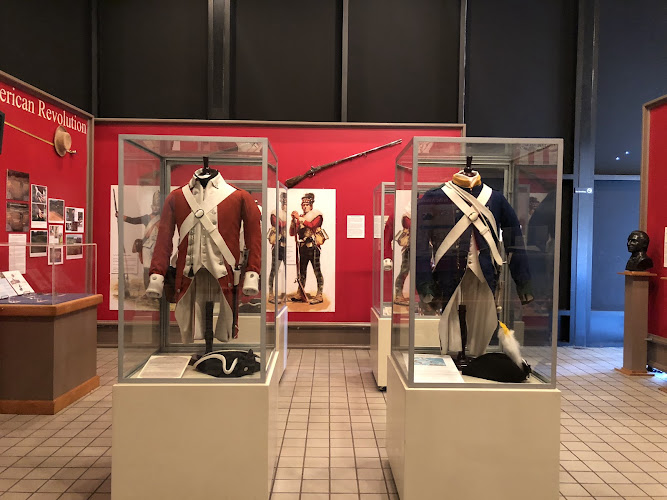
Savannah History Museum

Jepson Center & Telfair Children's Art Museum (CAM)
Find Accommodations Nearby
Recommended Tours & Activities
Visitor Reviews
There are no reviews yet. Be the first one to write one.
Share Your Experience
Have you visited Savannah Children’s Museum? Help other travelers by leaving a review.