

Pin Point Heritage Museum
About Pin Point Heritage Museum
Description
The Pin Point Heritage Museum stands as a quietly powerful reminder of a coastal way of life that has endured and adapted for generations. Housed in the former A.S. Varn & Son oyster and crab factory, the site preserves more than timber and metal — it preserves the daily rhythms, work songs, family stories, and spiritual practices of a Gullah/Geechee community forged by first-generation freedmen on the banks of the Moon River, just south of Savannah, Georgia. The museum is run by the Coastal Heritage Society and has been transformed from an industrial site into a living history place that helps visitors understand how people lived, worked, and worshipped in a small fishing enclave that was, for nearly a century, remarkably self-sustaining and relatively isolated.
Walking into the museum, visitors often feel a sense of stepping across time. The factory buildings retain that working smell of salt, wood, and grease — the smells that once meant livelihood for the community. Historic machinery, processing tables, and interpretive displays tell the oyster and crab story from tide to table. But the museum does more than catalog industry; it centers the Gullah/Geechee cultural traditions that shaped music, language, foodways, family networks, and religious life in Pin Point. Exhibits emphasize how the community anchored identity and economy to the estuary and marsh, and why that relationship mattered socially and spiritually.
For travelers interested in Black history, southern cultural landscapes, or coastal ecology, Pin Point Heritage Museum offers a layered experience. On the surface, one sees the factory: the conveyer belts, curing rooms, and packing areas that once shipped seafood beyond the tide. Underneath that, the interpretation reveals narratives of resilience: freed people building homes, raising children, and creating institutions such as churches and schools. Oral histories recorded by local elders, photographs of family gatherings, and objects from daily life make the history personal — these are not abstractions but the lived experiences of people who kept a community alive through decades of change.
Guided tours are a highlight. Knowledgeable docents — many with roots in the wider Coastal Georgia region — lead small groups through the restored spaces, offering storytelling that blends documented history with personal recollections collected from community members. The museum also runs a theater program and interpretive films that distill complex histories into accessible, emotional narratives. It is perfectly suited for curious adults, families traveling with children, and students on field trips. The place reads well for travelers who appreciate contextual storytelling rather than sterile displays.
Beyond exhibits and tours, the museum is also an entry point to broader themes important to regional and national conversations: African American history, cultural survival, coastal livelihoods, and environmental stewardship. Interpretive programming often draws links between traditional harvest methods and modern conservation, which can surprise visitors who expected only a static museum. Those surprises are good ones: they illuminate how past practices influence present-day conversations about marsh health, sustainable harvesting, and cultural preservation.
There is a palpable sense of pride in the site. That feeling comes through in signage curated by people who care about accuracy and dignity, in volunteer-led demonstrations that show how oysters were shucked and packed, and in special events that celebrate rites, recipes, and rhythms of community life. And yes, the museum leans into sensory experiences: visitors might hear a recording of local Gullah/Geechee speech, taste (at special events) a traditional dish inspired by the area, or stand at a window looking out over marshes that still feed people today. Those moments help connect the industrial architecture to human lives — to labor, leisure, and faith.
Practical amenities at the museum reflect thoughtful planning for visitors. Onsite parking and wheelchair-accessible entrances and restrooms make the museum approachable for many travelers. There is an admission fee, which supports conservation and educational programming; visitors generally find the value matches or exceeds the cost. Restroom facilities are available, and the museum is promoted as child-friendly, so families often include it on itineraries that otherwise focus on Savannah’s historic squares and riverfront. The place is small enough to feel intimate but large enough to offer a substantive visit of roughly one to two hours depending on participation in tours or programs.
Some lesser-known aspects deserve mention. First, the museum’s name underscores that this is a heritage place — not a reconstruction pretending to be something it is not. Many artifacts are original, and the adaptive reuse of the factory buildings maintains an honest materiality. Second, programming goes beyond weekday hours on occasion; community events, oral-history presentations, and seasonal celebrations bring the Pin Point story into sharper relief and often draw local residents back into the museum as storytellers. Third, the museum’s connection to the Moon River and the surrounding marshlands is not merely decorative. Interpretations explain the ecological importance of the area, and visitors learn how tides and seasons dictated work cycles. If someone has only seen Savannah’s manicured historic district, the marsh-side perspective offered here can feel like discovering a whole other Savannah, one shaped more by water than by bricks.
For travelers who like to tinker with itineraries, it’s useful to note that a visit to Pin Point can be paired with nearby outdoor activities: bird watching along marsh edges, short drives to coastal sites, or even a quiet picnic where the soundscape is dominated by water and wind rather than city noise. The museum staff sometimes recommends timing visits around high tide or specific interpretive events. Those small planning choices can amplify the experience, turning a short museum stop into a memorable half-day that blends culture and nature.
There is also an emotional honesty in the museum’s story-telling. The narrative does not pretend life was idyllic; it acknowledges hardships, changing economics, and the ways outside forces reshaped community life. Yet the emphasis remains on continuity and adaptation. That balanced approach makes the museum powerful: it avoids romanticizing the past, and instead invites visitors to appreciate the complexity of history. Visitors who come expecting only cheerful nostalgia may instead find a more nuanced and ultimately more meaningful engagement.
In short, the Pin Point Heritage Museum is a quiet but compelling cultural anchor. Travelers who prioritize meaningful, place-based history will find it rewarding. It is not a theme park or a flashy attraction; it is a thoughtful, carefully curated site that privileges voices from the community itself. And because the museum is operated by a regional heritage society, it benefits from professional stewardship while retaining grassroots authenticity. For those who linger, the museum often leaves a lasting impression: a renewed awareness of how landscape and labor shape identity, and how small communities can hold big stories.
Finally, a little practical honesty: the site can feel small on busy days, and interpretive tours may fill up, so it’s wise for planners to consider timing. Also, some visitors find their expectations shaped by other larger museums in Savannah; Pin Point asks for more quiet attention and rewards it with richer insight. Those willing to slow down and listen will walk away with a deeper appreciation of Gullah/Geechee culture, the oyster and crab economy that sustained generations, and the human decisions that knit a community together along the Moon River shoreline.
Key Features
More Details
Updated August 29, 2025
Table of Contents
Description
The Pin Point Heritage Museum stands as a quietly powerful reminder of a coastal way of life that has endured and adapted for generations. Housed in the former A.S. Varn & Son oyster and crab factory, the site preserves more than timber and metal — it preserves the daily rhythms, work songs, family stories, and spiritual practices of a Gullah/Geechee community forged by first-generation freedmen on the banks of the Moon River, just south of Savannah, Georgia. The museum is run by the Coastal Heritage Society and has been transformed from an industrial site into a living history place that helps visitors understand how people lived, worked, and worshipped in a small fishing enclave that was, for nearly a century, remarkably self-sustaining and relatively isolated.
Walking into the museum, visitors often feel a sense of stepping across time. The factory buildings retain that working smell of salt, wood, and grease — the smells that once meant livelihood for the community. Historic machinery, processing tables, and interpretive displays tell the oyster and crab story from tide to table. But the museum does more than catalog industry; it centers the Gullah/Geechee cultural traditions that shaped music, language, foodways, family networks, and religious life in Pin Point. Exhibits emphasize how the community anchored identity and economy to the estuary and marsh, and why that relationship mattered socially and spiritually.
For travelers interested in Black history, southern cultural landscapes, or coastal ecology, Pin Point Heritage Museum offers a layered experience. On the surface, one sees the factory: the conveyer belts, curing rooms, and packing areas that once shipped seafood beyond the tide. Underneath that, the interpretation reveals narratives of resilience: freed people building homes, raising children, and creating institutions such as churches and schools. Oral histories recorded by local elders, photographs of family gatherings, and objects from daily life make the history personal — these are not abstractions but the lived experiences of people who kept a community alive through decades of change.
Guided tours are a highlight. Knowledgeable docents — many with roots in the wider Coastal Georgia region — lead small groups through the restored spaces, offering storytelling that blends documented history with personal recollections collected from community members. The museum also runs a theater program and interpretive films that distill complex histories into accessible, emotional narratives. It is perfectly suited for curious adults, families traveling with children, and students on field trips. The place reads well for travelers who appreciate contextual storytelling rather than sterile displays.
Beyond exhibits and tours, the museum is also an entry point to broader themes important to regional and national conversations: African American history, cultural survival, coastal livelihoods, and environmental stewardship. Interpretive programming often draws links between traditional harvest methods and modern conservation, which can surprise visitors who expected only a static museum. Those surprises are good ones: they illuminate how past practices influence present-day conversations about marsh health, sustainable harvesting, and cultural preservation.
There is a palpable sense of pride in the site. That feeling comes through in signage curated by people who care about accuracy and dignity, in volunteer-led demonstrations that show how oysters were shucked and packed, and in special events that celebrate rites, recipes, and rhythms of community life. And yes, the museum leans into sensory experiences: visitors might hear a recording of local Gullah/Geechee speech, taste (at special events) a traditional dish inspired by the area, or stand at a window looking out over marshes that still feed people today. Those moments help connect the industrial architecture to human lives — to labor, leisure, and faith.
Practical amenities at the museum reflect thoughtful planning for visitors. Onsite parking and wheelchair-accessible entrances and restrooms make the museum approachable for many travelers. There is an admission fee, which supports conservation and educational programming; visitors generally find the value matches or exceeds the cost. Restroom facilities are available, and the museum is promoted as child-friendly, so families often include it on itineraries that otherwise focus on Savannah’s historic squares and riverfront. The place is small enough to feel intimate but large enough to offer a substantive visit of roughly one to two hours depending on participation in tours or programs.
Some lesser-known aspects deserve mention. First, the museum’s name underscores that this is a heritage place — not a reconstruction pretending to be something it is not. Many artifacts are original, and the adaptive reuse of the factory buildings maintains an honest materiality. Second, programming goes beyond weekday hours on occasion; community events, oral-history presentations, and seasonal celebrations bring the Pin Point story into sharper relief and often draw local residents back into the museum as storytellers. Third, the museum’s connection to the Moon River and the surrounding marshlands is not merely decorative. Interpretations explain the ecological importance of the area, and visitors learn how tides and seasons dictated work cycles. If someone has only seen Savannah’s manicured historic district, the marsh-side perspective offered here can feel like discovering a whole other Savannah, one shaped more by water than by bricks.
For travelers who like to tinker with itineraries, it’s useful to note that a visit to Pin Point can be paired with nearby outdoor activities: bird watching along marsh edges, short drives to coastal sites, or even a quiet picnic where the soundscape is dominated by water and wind rather than city noise. The museum staff sometimes recommends timing visits around high tide or specific interpretive events. Those small planning choices can amplify the experience, turning a short museum stop into a memorable half-day that blends culture and nature.
There is also an emotional honesty in the museum’s story-telling. The narrative does not pretend life was idyllic; it acknowledges hardships, changing economics, and the ways outside forces reshaped community life. Yet the emphasis remains on continuity and adaptation. That balanced approach makes the museum powerful: it avoids romanticizing the past, and instead invites visitors to appreciate the complexity of history. Visitors who come expecting only cheerful nostalgia may instead find a more nuanced and ultimately more meaningful engagement.
In short, the Pin Point Heritage Museum is a quiet but compelling cultural anchor. Travelers who prioritize meaningful, place-based history will find it rewarding. It is not a theme park or a flashy attraction; it is a thoughtful, carefully curated site that privileges voices from the community itself. And because the museum is operated by a regional heritage society, it benefits from professional stewardship while retaining grassroots authenticity. For those who linger, the museum often leaves a lasting impression: a renewed awareness of how landscape and labor shape identity, and how small communities can hold big stories.
Finally, a little practical honesty: the site can feel small on busy days, and interpretive tours may fill up, so it’s wise for planners to consider timing. Also, some visitors find their expectations shaped by other larger museums in Savannah; Pin Point asks for more quiet attention and rewards it with richer insight. Those willing to slow down and listen will walk away with a deeper appreciation of Gullah/Geechee culture, the oyster and crab economy that sustained generations, and the human decisions that knit a community together along the Moon River shoreline.
Key Highlights
Pin Point Heritage Museum
Location
Places to Stay Near Pin Point Heritage Museum
Find and Book a Tour
Explore More Travel Guides
No reviews found! Be the first to review!
Traveler Reviews for Pin Point Heritage Museum
There are no reviews yet. Be the first one to write one.
Have you visited Pin Point Heritage Museum? Help other travelers by sharing your review.
You Might Also Like

Davenport House Museum Entrance and Shop
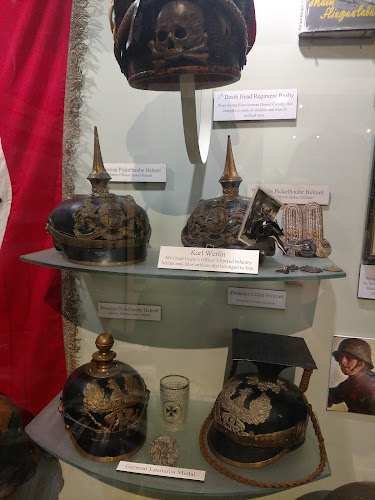
Webb Military Museum

Savannah Children's Museum
Find Accommodations Nearby
Recommended Tours & Activities
Visitor Reviews
There are no reviews yet. Be the first one to write one.
Share Your Experience
Have you visited Pin Point Heritage Museum? Help other travelers by leaving a review.