
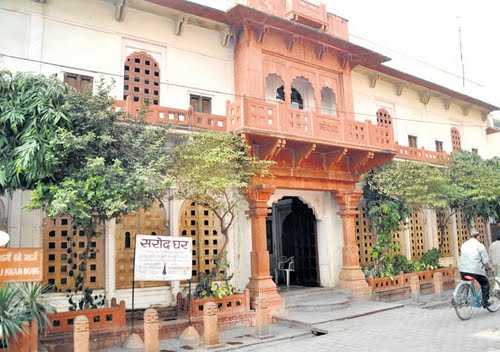
Sarod Ghar
About Sarod Ghar
Description
There’s something quietly magical about walking into Sarod Ghar in Gwalior. It’s not one of those flashy, tourist-packed places. Instead, it feels personal—like stepping into a story that’s still humming softly in the background. The museum, housed in the ancestral home of the legendary Ustad Amjad Ali Khan, is a heartfelt tribute to the world of Indian classical music. It’s where the past and present of the sarod—the soul-stirring string instrument—meet in a way that feels almost spiritual.
Inside, the air carries a certain reverence. You’ll find walls adorned with old photographs, letters, and instruments that once belonged to maestros who shaped the sound of Hindustani classical music. The museum doesn’t just display artifacts—it tells stories. Stories of dedication, discipline, and the kind of love for music that runs deep in the veins of Indian tradition. I remember standing in front of an old, slightly worn sarod and wondering about the hours of practice, the sweat, and the quiet pride it must’ve witnessed. You can almost hear the echoes of ragas if you stand still long enough.
What makes Sarod Ghar stand out is that it’s not just about looking—it’s about feeling. There’s a warmth to the place, an authenticity that’s hard to fake. It’s not a massive, air-conditioned museum with shiny lights and digital screens. Instead, it’s intimate, grounded, and very human. And that’s what makes it beautiful. For anyone who’s ever been moved by the sound of a sitar or sarod, this place feels like home.
Key Features
- Rich collection of instruments: From ancient stringed instruments to rare percussion pieces, each artifact tells its own story of evolution and artistry.
- Personal memorabilia: Letters, photographs, and awards belonging to Ustad Haafiz Ali Khan and Ustad Amjad Ali Khan offer a glimpse into their personal journeys and the legacy of their gharana.
- Live performances: Occasionally, the museum hosts intimate live sessions—small gatherings where the music feels raw and alive, not staged for spectacle.
- Educational experience: The museum serves as a learning hub for students and enthusiasts eager to understand the roots of Indian classical music.
- Peaceful atmosphere: Away from the city’s chaos, it’s a quiet corner where visitors can slow down and soak in the rhythm of history.
Now, I’ll be honest—some visitors find the museum small or wish it had more interactive exhibits. And fair enough, it’s not a high-tech setup. But that’s also part of its charm. It’s raw, real, and deeply connected to the people who built it. If you go in expecting a grand museum experience, you might miss the subtle beauty that makes it special.
Best Time to Visit
Gwalior can get pretty hot in the summer, so the best time to visit Sarod Ghar is between October and March. The weather’s pleasant, the city feels more alive, and you can comfortably explore the museum without melting under the sun. Morning visits are ideal—the light filtering through the old windows adds a certain serenity to the rooms. If you’re lucky, you might even catch a small performance or a music workshop during the winter months when cultural events are more frequent.
Personally, I prefer visiting in the early hours of the day. There’s something about the calm of a morning in Gwalior that makes the experience even more special. The sound of temple bells in the distance, the faint hum of life outside—it all blends perfectly with the quiet dignity of the museum.
How to Get There
Reaching Sarod Ghar is quite straightforward once you’re in Gwalior. The city is well-connected by train and road to major cities like Delhi, Agra, and Bhopal. From the Gwalior railway station, it’s just a short drive to the museum. Auto-rickshaws and taxis are easily available, though I’d recommend hiring a local cab if you plan to explore other attractions nearby like the Gwalior Fort or the Jai Vilas Palace. They’re all within a comfortable distance, and a local driver usually doubles up as a storyteller—sharing tidbits about the city’s rich musical heritage as you go.
If you’re someone who enjoys walking through old neighborhoods, the route to Sarod Ghar offers a glimpse of everyday life in Gwalior—narrow lanes, small shops selling traditional sweets, and locals who are always ready to point you in the right direction. Just ask for “Sarod Ghar” or “Kala Vithika” and someone will guide you. It’s that kind of place—well-loved by those who know it.
Tips for Visiting
Here’s a bit of practical advice, mixed with my own experience:
- Take your time: Don’t rush through. It’s a small museum, sure, but every corner has a story if you’re patient enough to notice it.
- Talk to the staff: The caretakers are often musicians or music lovers themselves. A short chat can lead to fascinating insights about the instruments or the history of the Khan family.
- No restaurant on-site: Grab a bite before you visit. There are plenty of local eateries nearby where you can try some authentic Gwaliori snacks afterward.
- Good for kids: If you’re traveling with children, this is a gentle introduction to Indian classical music. The exhibits are engaging enough to spark curiosity without overwhelming them.
- Photography: Always check the current rules before taking pictures. Some areas may restrict photography to preserve the artifacts.
- Combine your visit: Pair your trip with a visit to nearby attractions. The Gwalior Fort and Tansen’s tomb make for a perfect cultural day out.
And here’s a little tip I learned the hard way—carry a bottle of water and wear comfortable shoes. The lanes around the museum can be uneven, and you might end up exploring more than you planned (which, honestly, is half the fun). Also, if you’re a music lover, bring a small notebook. You’ll want to jot down names, thoughts, maybe even a few emotions that the place stirs up. I did, and reading those notes later felt like revisiting the museum all over again.
In the end, Sarod Ghar isn’t just a museum—it’s a feeling. It’s about standing in a quiet room and realizing that music isn’t just sound; it’s memory, emotion, and legacy all rolled into one. Whether you’re a traveler chasing cultural depth, a musician seeking inspiration, or simply someone curious about India’s artistic heart, this place will leave an imprint. It’s not perfect—but maybe that’s exactly why it feels so real.
Key Features
- Key Features
- Best Time to Visit
- How to Get There
- Tips for Visiting
More Details
Updated October 9, 2025
Table of Contents
Description
There’s something quietly magical about walking into Sarod Ghar in Gwalior. It’s not one of those flashy, tourist-packed places. Instead, it feels personal—like stepping into a story that’s still humming softly in the background. The museum, housed in the ancestral home of the legendary Ustad Amjad Ali Khan, is a heartfelt tribute to the world of Indian classical music. It’s where the past and present of the sarod—the soul-stirring string instrument—meet in a way that feels almost spiritual.
Inside, the air carries a certain reverence. You’ll find walls adorned with old photographs, letters, and instruments that once belonged to maestros who shaped the sound of Hindustani classical music. The museum doesn’t just display artifacts—it tells stories. Stories of dedication, discipline, and the kind of love for music that runs deep in the veins of Indian tradition. I remember standing in front of an old, slightly worn sarod and wondering about the hours of practice, the sweat, and the quiet pride it must’ve witnessed. You can almost hear the echoes of ragas if you stand still long enough.
What makes Sarod Ghar stand out is that it’s not just about looking—it’s about feeling. There’s a warmth to the place, an authenticity that’s hard to fake. It’s not a massive, air-conditioned museum with shiny lights and digital screens. Instead, it’s intimate, grounded, and very human. And that’s what makes it beautiful. For anyone who’s ever been moved by the sound of a sitar or sarod, this place feels like home.
Key Features
- Rich collection of instruments: From ancient stringed instruments to rare percussion pieces, each artifact tells its own story of evolution and artistry.
- Personal memorabilia: Letters, photographs, and awards belonging to Ustad Haafiz Ali Khan and Ustad Amjad Ali Khan offer a glimpse into their personal journeys and the legacy of their gharana.
- Live performances: Occasionally, the museum hosts intimate live sessions—small gatherings where the music feels raw and alive, not staged for spectacle.
- Educational experience: The museum serves as a learning hub for students and enthusiasts eager to understand the roots of Indian classical music.
- Peaceful atmosphere: Away from the city’s chaos, it’s a quiet corner where visitors can slow down and soak in the rhythm of history.
Now, I’ll be honest—some visitors find the museum small or wish it had more interactive exhibits. And fair enough, it’s not a high-tech setup. But that’s also part of its charm. It’s raw, real, and deeply connected to the people who built it. If you go in expecting a grand museum experience, you might miss the subtle beauty that makes it special.
Best Time to Visit
Gwalior can get pretty hot in the summer, so the best time to visit Sarod Ghar is between October and March. The weather’s pleasant, the city feels more alive, and you can comfortably explore the museum without melting under the sun. Morning visits are ideal—the light filtering through the old windows adds a certain serenity to the rooms. If you’re lucky, you might even catch a small performance or a music workshop during the winter months when cultural events are more frequent.
Personally, I prefer visiting in the early hours of the day. There’s something about the calm of a morning in Gwalior that makes the experience even more special. The sound of temple bells in the distance, the faint hum of life outside—it all blends perfectly with the quiet dignity of the museum.
How to Get There
Reaching Sarod Ghar is quite straightforward once you’re in Gwalior. The city is well-connected by train and road to major cities like Delhi, Agra, and Bhopal. From the Gwalior railway station, it’s just a short drive to the museum. Auto-rickshaws and taxis are easily available, though I’d recommend hiring a local cab if you plan to explore other attractions nearby like the Gwalior Fort or the Jai Vilas Palace. They’re all within a comfortable distance, and a local driver usually doubles up as a storyteller—sharing tidbits about the city’s rich musical heritage as you go.
If you’re someone who enjoys walking through old neighborhoods, the route to Sarod Ghar offers a glimpse of everyday life in Gwalior—narrow lanes, small shops selling traditional sweets, and locals who are always ready to point you in the right direction. Just ask for “Sarod Ghar” or “Kala Vithika” and someone will guide you. It’s that kind of place—well-loved by those who know it.
Tips for Visiting
Here’s a bit of practical advice, mixed with my own experience:
- Take your time: Don’t rush through. It’s a small museum, sure, but every corner has a story if you’re patient enough to notice it.
- Talk to the staff: The caretakers are often musicians or music lovers themselves. A short chat can lead to fascinating insights about the instruments or the history of the Khan family.
- No restaurant on-site: Grab a bite before you visit. There are plenty of local eateries nearby where you can try some authentic Gwaliori snacks afterward.
- Good for kids: If you’re traveling with children, this is a gentle introduction to Indian classical music. The exhibits are engaging enough to spark curiosity without overwhelming them.
- Photography: Always check the current rules before taking pictures. Some areas may restrict photography to preserve the artifacts.
- Combine your visit: Pair your trip with a visit to nearby attractions. The Gwalior Fort and Tansen’s tomb make for a perfect cultural day out.
And here’s a little tip I learned the hard way—carry a bottle of water and wear comfortable shoes. The lanes around the museum can be uneven, and you might end up exploring more than you planned (which, honestly, is half the fun). Also, if you’re a music lover, bring a small notebook. You’ll want to jot down names, thoughts, maybe even a few emotions that the place stirs up. I did, and reading those notes later felt like revisiting the museum all over again.
In the end, Sarod Ghar isn’t just a museum—it’s a feeling. It’s about standing in a quiet room and realizing that music isn’t just sound; it’s memory, emotion, and legacy all rolled into one. Whether you’re a traveler chasing cultural depth, a musician seeking inspiration, or simply someone curious about India’s artistic heart, this place will leave an imprint. It’s not perfect—but maybe that’s exactly why it feels so real.
Key Highlights
- Key Features
- Best Time to Visit
- How to Get There
- Tips for Visiting
Location
Places to Stay Near Sarod Ghar
Find and Book a Tour
Explore More Travel Guides
No reviews found! Be the first to review!
Traveler Reviews for Sarod Ghar
There are no reviews yet. Be the first one to write one.
Have you visited Sarod Ghar? Help other travelers by sharing your review.
You Might Also Like
Govt. museum

Jai Vilas Palace

Gwalior
Find Accommodations Nearby
Recommended Tours & Activities
Visitor Reviews
There are no reviews yet. Be the first one to write one.
Share Your Experience
Have you visited Sarod Ghar? Help other travelers by leaving a review.