
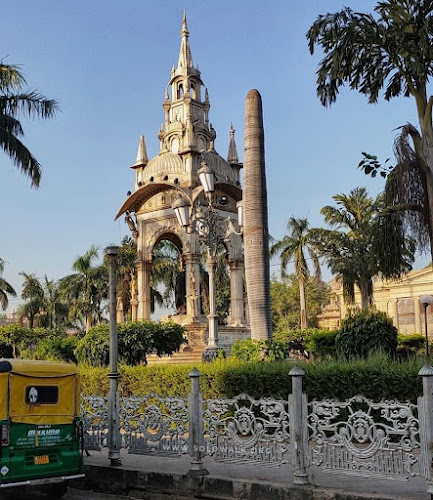
Gwalior
About Gwalior
Description
Gwalior, tucked away in the heart of Madhya Pradesh, is one of those places that somehow manages to blend grandeur and grit in equal measure. It’s a city that wears its history proudly—every stone, every archway, every echo from its fort seems to whisper tales of kings, queens, and warriors. The first time one sees the mighty Gwalior Fort perched high on its sandstone hill, it almost feels unreal. The fort dominates the skyline, standing guard over centuries of art, music, and royal intrigue. And yet, beyond its historical weight, Gwalior has this quiet charm that sneaks up on you—the smell of street food, the sound of temple bells, and the chatter of locals who are always up for a good story.
It’s not just another historical city; it’s a living museum. The Sas Bahu Ka Mandir, for instance, is a marvel of intricate carvings that seem to dance when the sunlight hits them just right. And then there’s the Gujari Mahal, now a museum but once the palace of a queen who dared to love differently. Inside, you’ll find relics that date back hundreds of years—pottery, sculptures, and artifacts that give a glimpse into the lives of people who once called this place home.
What’s fascinating about Gwalior is how it manages to stay grounded in its traditions while quietly embracing modernity. The old bazaars around the fort sell everything from handcrafted jewelry to spicy poha, and if you’re lucky, you might stumble upon a musician playing an old raga that seems to hang in the air long after he’s done. I remember sitting on the fort walls one evening, watching the city lights flicker below, thinking about how time has moved on, but Gwalior hasn’t lost its soul. It’s that kind of place—it lingers with you.
Key Features
- Gwalior Fort: A colossal sandstone fortress often called the “Gibraltar of India,” offering panoramic views and centuries of history.
- Sas Bahu Ka Mandir: Exquisite twin temples with intricate carvings that showcase the finesse of ancient artisans.
- Jain Rock Sculptures: Massive statues carved into the cliffs along the fort road, each one a masterpiece of devotion and artistry.
- Gujari Mahal Museum: A 15th-century palace turned archaeological museum housing rare artifacts, sculptures, and ancient relics.
- Man Mandir Palace: Known for its blue-tiled façade and ornate architecture that reflects the splendor of the Tomar dynasty.
- Gwalior’s Music Heritage: The birthplace of the legendary Tansen, one of the greatest musicians in Indian history, celebrated annually at the Tansen Music Festival.
- Local Cuisine: From tangy kachoris to creamy rabri, Gwalior’s street food scene is a delightful surprise for food lovers.
Best Time to Visit
If you ask locals when Gwalior truly comes alive, they’ll tell you—winter. Between October and March, the weather is pleasant enough for long walks through the fort’s courtyards or lazy afternoons exploring temples without melting under the sun. The air feels crisp, the skies are clear, and the city seems to hum a little softer. I once visited in December, and the evenings were just perfect for sipping hot chai while watching the light and sound show at the fort—it’s a memory etched in warm tones.
Summer, on the other hand, can be harsh. Temperatures often soar above 40°C, and sightseeing turns into a test of endurance. Monsoon brings some relief, painting the fort and surrounding landscapes in lush greens, but the humidity can make travel a bit sticky. Still, if you don’t mind a few showers, the post-rain freshness adds a certain magic to the city’s sandstone walls. For most travelers though, winter remains the golden window—comfortable, colorful, and full of festivals.
How to Get There
Reaching Gwalior is surprisingly easy, given its central location. The city is well-connected by air, rail, and road. Gwalior Airport has regular flights from major Indian cities like Delhi, Mumbai, and Hyderabad, making it a convenient entry point for travelers who prefer to save time. The railway station is another hub—one of the cleanest and most efficient I’ve seen in the region—with trains linking Gwalior to almost every corner of the country. If you’re a fan of road trips, the drive from Delhi takes around seven hours, depending on how often you stop for chai or samosas along the way (and trust me, you’ll want to stop).
Once in the city, auto-rickshaws and taxis are easy to find, though haggling a bit is part of the fun. For those who like a bit of adventure, renting a scooter or bike can make exploring the narrow lanes and hidden spots much more personal. There’s something about cruising down the old city roads with the fort in view that makes you feel like you’re part of history yourself.
Tips for Visiting
Here’s the thing—Gwalior is best enjoyed at your own pace. Don’t rush through the monuments trying to tick them off a list. Spend time wandering. Let the place speak to you. The fort alone can take half a day if you really dive into its stories. Wear comfortable shoes; the paths are steep and uneven in parts. Carry water, especially if you’re visiting during warmer months. And if you can, hire a local guide—they’re full of anecdotes that you won’t find in any travel book.
One of my favorite tips is to visit the fort early in the morning. The sunrise from the ramparts is breathtaking—the city slowly waking up beneath you, the temples glowing in the first light. Also, don’t skip the evening sound and light show; it’s a bit dramatic, sure, but it brings the fort’s legends to life in a way that’s oddly moving. For food, try the local joints rather than fancy restaurants. The kachoris from SS Kachori Wala or the laddoos from Bahadura Sweets are worth every calorie.
Safety-wise, Gwalior is generally friendly and welcoming. Like any other city, it’s smart to keep an eye on your belongings, especially in crowded places. And if you’re into photography, bring extra memory cards—you’ll need them. The play of light and shadow on the fort’s walls, the street scenes, the temples—they all beg to be captured.
Lastly, don’t just stick to the main attractions. Explore the lesser-known corners—the old havelis, the bustling bazaars, the smaller temples tucked away in quiet lanes. That’s where you’ll find the real Gwalior. The one that’s not in guidebooks but stays in your heart long after you’ve left. And honestly, that’s what traveling is all about, isn’t it?
Key Features
- Key Features
- Best Time to Visit
- How to Get There
- Tips for Visiting
More Details
Updated October 9, 2025
Table of Contents Gwalior, tucked away in the heart of Madhya Pradesh, is one of those places that somehow manages to blend grandeur and grit in equal measure. It’s a city that wears its history proudly—every stone, every archway, every echo from its fort seems to whisper tales of kings, queens, and warriors. The first time one sees the mighty Gwalior Fort perched high on its sandstone hill, it almost feels unreal. The fort dominates the skyline, standing guard over centuries of art, music, and royal intrigue. And yet, beyond its historical weight, Gwalior has this quiet charm that sneaks up on you—the smell of street food, the sound of temple bells, and the chatter of locals who are always up for a good story. It’s not just another historical city; it’s a living museum. The Sas Bahu Ka Mandir, for instance, is a marvel of intricate carvings that seem to dance when the sunlight hits them just right. And then there’s the Gujari Mahal, now a museum but once the palace of a queen who dared to love differently. Inside, you’ll find relics that date back hundreds of years—pottery, sculptures, and artifacts that give a glimpse into the lives of people who once called this place home. What’s fascinating about Gwalior is how it manages to stay grounded in its traditions while quietly embracing modernity. The old bazaars around the fort sell everything from handcrafted jewelry to spicy poha, and if you’re lucky, you might stumble upon a musician playing an old raga that seems to hang in the air long after he’s done. I remember sitting on the fort walls one evening, watching the city lights flicker below, thinking about how time has moved on, but Gwalior hasn’t lost its soul. It’s that kind of place—it lingers with you. If you ask locals when Gwalior truly comes alive, they’ll tell you—winter. Between October and March, the weather is pleasant enough for long walks through the fort’s courtyards or lazy afternoons exploring temples without melting under the sun. The air feels crisp, the skies are clear, and the city seems to hum a little softer. I once visited in December, and the evenings were just perfect for sipping hot chai while watching the light and sound show at the fort—it’s a memory etched in warm tones. Summer, on the other hand, can be harsh. Temperatures often soar above 40°C, and sightseeing turns into a test of endurance. Monsoon brings some relief, painting the fort and surrounding landscapes in lush greens, but the humidity can make travel a bit sticky. Still, if you don’t mind a few showers, the post-rain freshness adds a certain magic to the city’s sandstone walls. For most travelers though, winter remains the golden window—comfortable, colorful, and full of festivals. Reaching Gwalior is surprisingly easy, given its central location. The city is well-connected by air, rail, and road. Gwalior Airport has regular flights from major Indian cities like Delhi, Mumbai, and Hyderabad, making it a convenient entry point for travelers who prefer to save time. The railway station is another hub—one of the cleanest and most efficient I’ve seen in the region—with trains linking Gwalior to almost every corner of the country. If you’re a fan of road trips, the drive from Delhi takes around seven hours, depending on how often you stop for chai or samosas along the way (and trust me, you’ll want to stop). Once in the city, auto-rickshaws and taxis are easy to find, though haggling a bit is part of the fun. For those who like a bit of adventure, renting a scooter or bike can make exploring the narrow lanes and hidden spots much more personal. There’s something about cruising down the old city roads with the fort in view that makes you feel like you’re part of history yourself. Here’s the thing—Gwalior is best enjoyed at your own pace. Don’t rush through the monuments trying to tick them off a list. Spend time wandering. Let the place speak to you. The fort alone can take half a day if you really dive into its stories. Wear comfortable shoes; the paths are steep and uneven in parts. Carry water, especially if you’re visiting during warmer months. And if you can, hire a local guide—they’re full of anecdotes that you won’t find in any travel book. One of my favorite tips is to visit the fort early in the morning. The sunrise from the ramparts is breathtaking—the city slowly waking up beneath you, the temples glowing in the first light. Also, don’t skip the evening sound and light show; it’s a bit dramatic, sure, but it brings the fort’s legends to life in a way that’s oddly moving. For food, try the local joints rather than fancy restaurants. The kachoris from SS Kachori Wala or the laddoos from Bahadura Sweets are worth every calorie. Safety-wise, Gwalior is generally friendly and welcoming. Like any other city, it’s smart to keep an eye on your belongings, especially in crowded places. And if you’re into photography, bring extra memory cards—you’ll need them. The play of light and shadow on the fort’s walls, the street scenes, the temples—they all beg to be captured. Lastly, don’t just stick to the main attractions. Explore the lesser-known corners—the old havelis, the bustling bazaars, the smaller temples tucked away in quiet lanes. That’s where you’ll find the real Gwalior. The one that’s not in guidebooks but stays in your heart long after you’ve left. And honestly, that’s what traveling is all about, isn’t it?Description
Key Features
Best Time to Visit
How to Get There
Tips for Visiting
Key Highlights
- Key Features
- Best Time to Visit
- How to Get There
- Tips for Visiting
Location
Places to Stay Near Gwalior
Find and Book a Tour
Explore More Travel Guides
No reviews found! Be the first to review!
Traveler Reviews for Gwalior
There are no reviews yet. Be the first one to write one.
Have you visited Gwalior? Help other travelers by sharing your review.
You Might Also Like
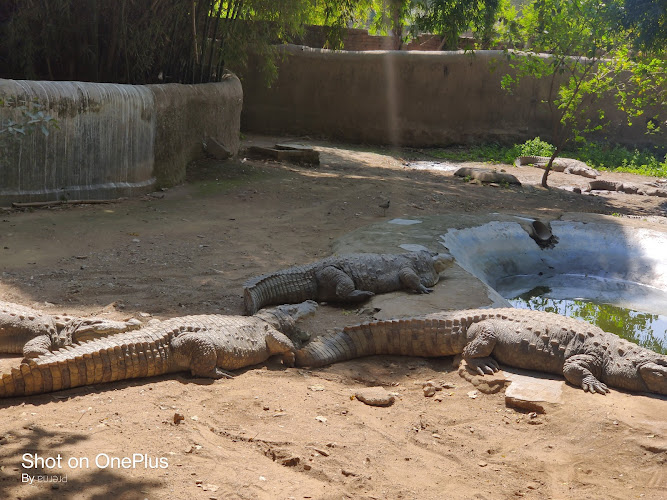
Gwalior Zoo
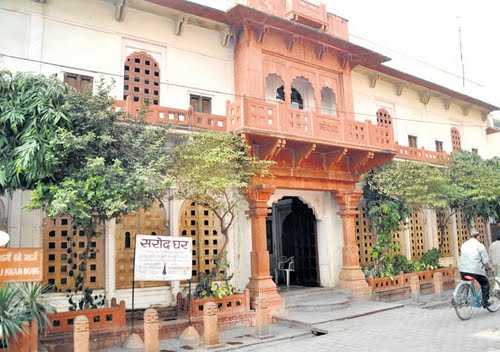
Sarod Ghar
Mangal Bhavan
Find Accommodations Nearby
Recommended Tours & Activities
Visitor Reviews
There are no reviews yet. Be the first one to write one.
Share Your Experience
Have you visited Gwalior? Help other travelers by leaving a review.