
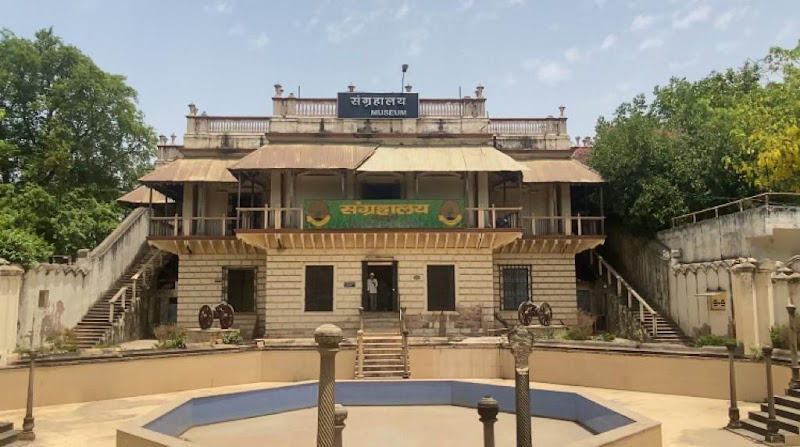
Govt. museum
About Govt. museum
Description
The Government Museum in Gwalior is one of those places that quietly sneaks up on you. You might not expect much at first—after all, museums can sometimes feel like a maze of dusty glass cases—but this one has a strange charm that grows on you the longer you wander its halls. The museum sits inside a part of the grand Moti Mahal complex, and it feels like stepping into a time capsule that still hums with stories of kings, artisans, and everyday folks who shaped the region’s history.
What makes this museum stand out isn’t just its collection (though that’s pretty impressive) but the way it captures the layered history of Madhya Pradesh. You’ll find ancient sculptures, faded manuscripts, and weaponry that looks like it’s straight out of an epic. The stone carvings—some dating back to the 1st century—are breathtaking in their detail. I remember staring at one piece for a good ten minutes, trying to imagine the hands that chiseled it centuries ago. It’s humbling, really.
And while the museum isn’t flashy or overly polished, that’s part of its appeal. It feels authentic, like history is still breathing through the walls. The staff, though few, are genuinely helpful if you take the time to chat. I once got into a conversation with a guide who told me how the museum’s oldest statue was discovered buried under a temple courtyard—stories like that make the visit far more personal.
For travelers, especially those curious about India’s cultural and artistic evolution, this museum is a must-see. It’s not a massive tourist trap; it’s quieter, more introspective. You can take your time, walk slowly, and actually absorb what you’re seeing. And honestly, that’s rare these days.
Key Features
- Ancient Sculptures: The museum houses an impressive collection of stone and bronze sculptures from the Gupta and Kushan periods, showcasing the evolution of Indian art.
- Historical Manuscripts: Delicate palm-leaf manuscripts and rare texts that shed light on India’s ancient knowledge systems and languages.
- Arms and Armor: A fascinating display of swords, shields, and spears used by Rajput warriors, each with intricate craftsmanship.
- Miniature Paintings: Beautifully detailed artworks that depict royal life, mythological stories, and local folklore.
- Numismatic Collection: Coins from different dynasties—Maurya, Gupta, Mughal—offering glimpses into the region’s economic and political history.
- Terracotta Artifacts: Everyday objects from ancient settlements that reveal how ordinary people lived, worked, and worshipped.
- Architectural Setting: The museum’s building itself, part of the Moti Mahal complex, is a piece of history with its Indo-European design and ornate interiors.
Best Time to Visit
Honestly, Gwalior can get pretty hot, so if you’re planning a visit, aim for the cooler months—October through February are perfect. The air is crisp, the sunlight is gentle, and you can explore without feeling like you’re melting. I went once in late November, and it was just right. The museum’s courtyards looked golden under the winter sun, and there was this calm, almost meditative vibe in the air.
Avoid the peak summer months unless you’re a fan of 40°C afternoons. The monsoon season, though lovely in its own way, can make getting around a bit tricky. But if you don’t mind a bit of rain, the greenery around the museum really pops during that time, giving the whole place a fresh, earthy scent.
How to Get There
Getting to the Government Museum is fairly easy, especially if you’re already in Gwalior. The city’s well-connected by rail and road, and local transport options are plenty. Auto-rickshaws are the most convenient way to get around, though if you’re like me and prefer a bit of comfort, booking a cab through a local app might be a better idea. The museum isn’t far from the city center, so you won’t spend hours in traffic.
If you’re coming from out of town, Gwalior’s railway station is a major stop on the Delhi–Chennai line, and the airport has flights from major Indian cities. Once you reach the city, it’s just a short ride to the museum. The roads are decent, and the route takes you past some classic old architecture, which makes the journey itself part of the experience. I still remember catching glimpses of the fort walls in the distance—it felt like the city was whispering stories from every corner.
Tips for Visiting
Here’s the thing about visiting the Government Museum—it’s not just about ticking off another tourist spot. If you slow down and really look, you’ll notice little details that most people miss. So, a few tips from someone who’s been there more than once:
- Start Early: Try to reach in the morning when it’s quieter. You’ll have the galleries mostly to yourself, and the lighting is perfect for photos.
- Ask Questions: The staff might seem reserved, but they know a ton. Ask about their favorite artifacts—you’ll get stories that aren’t written on the display cards.
- No Rush: Don’t treat it like a checklist. Spend time in each section. The sculptures, especially, deserve a few extra minutes of your attention.
- Photography: Check the rules before snapping pictures. Some sections may have restrictions, and you don’t want to get into trouble for a selfie.
- Hydrate and Dress Light: Even if you visit in winter, carry water. The museum complex can take a couple of hours to explore fully.
- Pair It with Other Attractions: The Gwalior Fort and Jai Vilas Palace are nearby. You can easily make it a full-day cultural trip.
- Souvenirs: There isn’t a big gift shop, but local stalls outside sometimes sell small handicrafts and postcards—worth checking out.
One thing I always tell friends: don’t expect a high-tech museum experience here. There are no fancy digital displays or VR headsets. But what you get instead is something more tangible—a sense of connection. You can feel the weight of centuries in the air, and that’s something no screen can replicate. It’s a place where history doesn’t shout; it whispers, and you just have to listen.
And maybe that’s what makes the Government Museum in Gwalior so special. It’s not about grandeur or spectacle. It’s about quiet discovery, about realizing that even the smallest artifact can hold a universe of stories. So, if you’re ever in this part of India, take a couple of hours—no, take half a day—and wander through its halls. You’ll leave with more than just photos; you’ll leave with a sense of having touched something timeless.
Key Features
- Key Features
- Best Time to Visit
- How to Get There
- Tips for Visiting
More Details
Updated October 9, 2025
Table of Contents
Description
The Government Museum in Gwalior is one of those places that quietly sneaks up on you. You might not expect much at first—after all, museums can sometimes feel like a maze of dusty glass cases—but this one has a strange charm that grows on you the longer you wander its halls. The museum sits inside a part of the grand Moti Mahal complex, and it feels like stepping into a time capsule that still hums with stories of kings, artisans, and everyday folks who shaped the region’s history.
What makes this museum stand out isn’t just its collection (though that’s pretty impressive) but the way it captures the layered history of Madhya Pradesh. You’ll find ancient sculptures, faded manuscripts, and weaponry that looks like it’s straight out of an epic. The stone carvings—some dating back to the 1st century—are breathtaking in their detail. I remember staring at one piece for a good ten minutes, trying to imagine the hands that chiseled it centuries ago. It’s humbling, really.
And while the museum isn’t flashy or overly polished, that’s part of its appeal. It feels authentic, like history is still breathing through the walls. The staff, though few, are genuinely helpful if you take the time to chat. I once got into a conversation with a guide who told me how the museum’s oldest statue was discovered buried under a temple courtyard—stories like that make the visit far more personal.
For travelers, especially those curious about India’s cultural and artistic evolution, this museum is a must-see. It’s not a massive tourist trap; it’s quieter, more introspective. You can take your time, walk slowly, and actually absorb what you’re seeing. And honestly, that’s rare these days.
Key Features
- Ancient Sculptures: The museum houses an impressive collection of stone and bronze sculptures from the Gupta and Kushan periods, showcasing the evolution of Indian art.
- Historical Manuscripts: Delicate palm-leaf manuscripts and rare texts that shed light on India’s ancient knowledge systems and languages.
- Arms and Armor: A fascinating display of swords, shields, and spears used by Rajput warriors, each with intricate craftsmanship.
- Miniature Paintings: Beautifully detailed artworks that depict royal life, mythological stories, and local folklore.
- Numismatic Collection: Coins from different dynasties—Maurya, Gupta, Mughal—offering glimpses into the region’s economic and political history.
- Terracotta Artifacts: Everyday objects from ancient settlements that reveal how ordinary people lived, worked, and worshipped.
- Architectural Setting: The museum’s building itself, part of the Moti Mahal complex, is a piece of history with its Indo-European design and ornate interiors.
Best Time to Visit
Honestly, Gwalior can get pretty hot, so if you’re planning a visit, aim for the cooler months—October through February are perfect. The air is crisp, the sunlight is gentle, and you can explore without feeling like you’re melting. I went once in late November, and it was just right. The museum’s courtyards looked golden under the winter sun, and there was this calm, almost meditative vibe in the air.
Avoid the peak summer months unless you’re a fan of 40°C afternoons. The monsoon season, though lovely in its own way, can make getting around a bit tricky. But if you don’t mind a bit of rain, the greenery around the museum really pops during that time, giving the whole place a fresh, earthy scent.
How to Get There
Getting to the Government Museum is fairly easy, especially if you’re already in Gwalior. The city’s well-connected by rail and road, and local transport options are plenty. Auto-rickshaws are the most convenient way to get around, though if you’re like me and prefer a bit of comfort, booking a cab through a local app might be a better idea. The museum isn’t far from the city center, so you won’t spend hours in traffic.
If you’re coming from out of town, Gwalior’s railway station is a major stop on the Delhi–Chennai line, and the airport has flights from major Indian cities. Once you reach the city, it’s just a short ride to the museum. The roads are decent, and the route takes you past some classic old architecture, which makes the journey itself part of the experience. I still remember catching glimpses of the fort walls in the distance—it felt like the city was whispering stories from every corner.
Tips for Visiting
Here’s the thing about visiting the Government Museum—it’s not just about ticking off another tourist spot. If you slow down and really look, you’ll notice little details that most people miss. So, a few tips from someone who’s been there more than once:
- Start Early: Try to reach in the morning when it’s quieter. You’ll have the galleries mostly to yourself, and the lighting is perfect for photos.
- Ask Questions: The staff might seem reserved, but they know a ton. Ask about their favorite artifacts—you’ll get stories that aren’t written on the display cards.
- No Rush: Don’t treat it like a checklist. Spend time in each section. The sculptures, especially, deserve a few extra minutes of your attention.
- Photography: Check the rules before snapping pictures. Some sections may have restrictions, and you don’t want to get into trouble for a selfie.
- Hydrate and Dress Light: Even if you visit in winter, carry water. The museum complex can take a couple of hours to explore fully.
- Pair It with Other Attractions: The Gwalior Fort and Jai Vilas Palace are nearby. You can easily make it a full-day cultural trip.
- Souvenirs: There isn’t a big gift shop, but local stalls outside sometimes sell small handicrafts and postcards—worth checking out.
One thing I always tell friends: don’t expect a high-tech museum experience here. There are no fancy digital displays or VR headsets. But what you get instead is something more tangible—a sense of connection. You can feel the weight of centuries in the air, and that’s something no screen can replicate. It’s a place where history doesn’t shout; it whispers, and you just have to listen.
And maybe that’s what makes the Government Museum in Gwalior so special. It’s not about grandeur or spectacle. It’s about quiet discovery, about realizing that even the smallest artifact can hold a universe of stories. So, if you’re ever in this part of India, take a couple of hours—no, take half a day—and wander through its halls. You’ll leave with more than just photos; you’ll leave with a sense of having touched something timeless.
Key Highlights
- Key Features
- Best Time to Visit
- How to Get There
- Tips for Visiting
Location
Places to Stay Near Govt. museum
Find and Book a Tour
Explore More Travel Guides
No reviews found! Be the first to review!
Traveler Reviews for Govt. museum
There are no reviews yet. Be the first one to write one.
Have you visited Govt. museum? Help other travelers by sharing your review.
You Might Also Like
The Manvendra Global School, Gwalior
Tomb of Muhammad Ghaus
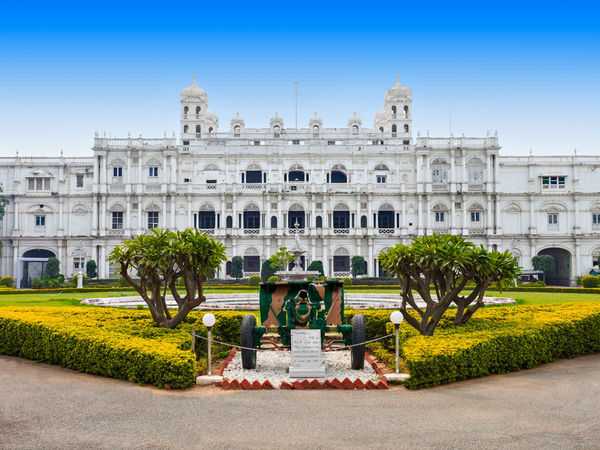
Jai Vilas Palace
Find Accommodations Nearby
Recommended Tours & Activities
Visitor Reviews
There are no reviews yet. Be the first one to write one.
Share Your Experience
Have you visited Govt. museum? Help other travelers by leaving a review.