

Jai Vilas Palace
About Jai Vilas Palace
Description
There’s something quietly regal about stepping into the Jai Vilas Palace. Maybe it’s the way sunlight spills across the marble floors or how every chandelier seems to whisper a story from another century. Built in 1874 by Maharaja Jayajirao Scindia, this grand palace in Gwalior is more than just a royal residence—it’s a living museum that still hums with the echoes of the Scindia dynasty. Even after all these years, it manages to blend opulence with warmth, making visitors feel like they’re walking through a time capsule that’s still very much alive.
The palace is an architectural marvel that fuses European design sensibilities with Indian craftsmanship. Its first floor is Tuscan in style, the second follows Italian Doric traditions, and the third—well, that’s where Corinthian elegance takes over. It’s like the architects couldn’t decide which style to choose, so they went with all three, and somehow, it works beautifully. Inside, the rooms are filled with ornate furniture, Belgian crystal chandeliers, and intricate tapestries that tell tales of power, art, and ambition. The Durbar Hall, perhaps the most jaw-dropping part of the palace, is said to have two chandeliers so heavy that ten elephants were used to test the strength of the ceiling before they were hung. Talk about royal confidence.
Today, part of the palace serves as the Jiwaji Rao Scindia Museum, open to the public. It houses an eclectic collection of artifacts—everything from royal carriages and swords to silver train sets that once served guests dinner in style. There’s an undeniable charm in seeing these relics up close, knowing they were once part of daily life for one of India’s most influential royal families. And while the grandeur can be overwhelming, there’s also a strange sense of intimacy here, as if the palace still remembers the laughter, the footsteps, and the quiet conversations that filled its halls.
Sure, not everyone finds every corner perfect—some visitors think the maintenance could be better, while others wish for more detailed signage—but most walk away impressed, even awestruck. The palace doesn’t just show you history; it makes you feel it. And that’s something few places can pull off.
Key Features
- Architectural Fusion: A rare blend of Tuscan, Italian Doric, and Corinthian styles, making it a visual treat for architecture enthusiasts.
- Durbar Hall: Known for its massive chandeliers, gilt decorations, and a ceiling that could rival any European palace.
- Jiwaji Rao Scindia Museum: A treasure trove of royal artifacts, paintings, textiles, and vintage automobiles.
- Royal Car Collection: Includes Rolls-Royce, Cadillac, and other classic cars once owned by the Scindias.
- Silver Train Dining Set: A miniature silver train that once served guests food and drinks across the dining table—yes, really.
- Accessibility: Wheelchair-accessible entrances, restrooms, and parking make it comfortable for all visitors.
- Family-Friendly: Kids tend to love the grandeur and the storytelling exhibits, making it a great educational stop.
- Paid Parking: Convenient parking is available right near the entrance, though it can get busy on weekends.
Best Time to Visit
If you ask me, the best time to explore Jai Vilas Palace is between October and March. The weather is comfortably cool, and you can wander the palace grounds without breaking into a sweat. Summers in Gwalior can be quite unforgiving—think blazing sun and warm winds that make even the marble floors feel hot. Monsoons, on the other hand, bring a certain charm with cloudy skies and that earthy scent after the rain, but it’s not ideal if you plan to spend a lot of time outdoors.
Visiting in the winter months also means you can pair your trip with other nearby attractions like the Gwalior Fort and Tansen’s Tomb without feeling rushed. Plus, the palace tends to host cultural events and exhibitions around this time, adding a bit of extra sparkle to your visit. I went once in December, and honestly, walking through those echoing halls in the soft winter light felt almost cinematic.
How to Get There
Reaching Jai Vilas Palace is pretty straightforward. Gwalior is well-connected by road, rail, and air, so you’ve got options. The city’s railway station is just a short drive away, making it easy to reach from Delhi, Agra, or Bhopal. If you’re flying in, Gwalior Airport handles domestic flights and is only about 10 kilometers from the palace. For those who enjoy a good road trip (I’m one of them), the highways leading into Gwalior are surprisingly smooth, and the drive offers glimpses of rural Madhya Pradesh that are worth the journey alone.
Once you’re in the city, you can easily grab a cab, auto-rickshaw, or even use local ride-hailing apps to reach the palace. Parking is available on-site, though it’s paid, and weekends can get a bit crowded. I’d recommend arriving early in the day—around 10 a.m.—to beat the rush and have the place almost to yourself for those perfect photos.
Tips for Visiting
Here’s where a bit of insider advice can go a long way. First off, wear comfortable shoes. The palace is huge, and you’ll be doing a fair bit of walking. Also, photography is allowed in most areas, but be mindful—some sections might restrict flash or tripods. Carry a bottle of water, especially if you’re visiting in the warmer months, because exploring those grand halls can be surprisingly tiring.
The museum staff are generally friendly and knowledgeable, so don’t hesitate to ask questions—they often share details that aren’t on the placards. If you’re a history buff, consider hiring a local guide; their stories bring the palace to life in ways that brochures just can’t. And here’s a small personal tip: take a moment to just sit quietly in the Durbar Hall. Let your eyes wander over the chandeliers, the gilded walls, the sheer scale of it all. It’s one of those rare places where silence feels sacred.
Families with kids will find it surprisingly engaging—the grandeur tends to capture children’s imaginations, and the museum’s varied exhibits keep things interesting. Accessibility is another plus point; the palace has wheelchair-friendly entrances and restrooms, which isn’t something you find at every heritage site in India.
Lastly, plan your visit during weekdays if possible. Weekends can get crowded, and you’ll appreciate the calm that comes with fewer people around. And don’t rush—give yourself at least two to three hours to truly soak it all in. Whether you’re a history lover, an architecture enthusiast, or just someone who enjoys a good story wrapped in marble and gold, Jai Vilas Palace won’t disappoint. It’s one of those places that lingers in your memory long after you’ve left, like the faint echo of a royal melody that refuses to fade.
Key Features
- Key Features
- Best Time to Visit
- How to Get There
- Tips for Visiting
More Details
Updated October 9, 2025
Table of Contents
Description
There’s something quietly regal about stepping into the Jai Vilas Palace. Maybe it’s the way sunlight spills across the marble floors or how every chandelier seems to whisper a story from another century. Built in 1874 by Maharaja Jayajirao Scindia, this grand palace in Gwalior is more than just a royal residence—it’s a living museum that still hums with the echoes of the Scindia dynasty. Even after all these years, it manages to blend opulence with warmth, making visitors feel like they’re walking through a time capsule that’s still very much alive.
The palace is an architectural marvel that fuses European design sensibilities with Indian craftsmanship. Its first floor is Tuscan in style, the second follows Italian Doric traditions, and the third—well, that’s where Corinthian elegance takes over. It’s like the architects couldn’t decide which style to choose, so they went with all three, and somehow, it works beautifully. Inside, the rooms are filled with ornate furniture, Belgian crystal chandeliers, and intricate tapestries that tell tales of power, art, and ambition. The Durbar Hall, perhaps the most jaw-dropping part of the palace, is said to have two chandeliers so heavy that ten elephants were used to test the strength of the ceiling before they were hung. Talk about royal confidence.
Today, part of the palace serves as the Jiwaji Rao Scindia Museum, open to the public. It houses an eclectic collection of artifacts—everything from royal carriages and swords to silver train sets that once served guests dinner in style. There’s an undeniable charm in seeing these relics up close, knowing they were once part of daily life for one of India’s most influential royal families. And while the grandeur can be overwhelming, there’s also a strange sense of intimacy here, as if the palace still remembers the laughter, the footsteps, and the quiet conversations that filled its halls.
Sure, not everyone finds every corner perfect—some visitors think the maintenance could be better, while others wish for more detailed signage—but most walk away impressed, even awestruck. The palace doesn’t just show you history; it makes you feel it. And that’s something few places can pull off.
Key Features
- Architectural Fusion: A rare blend of Tuscan, Italian Doric, and Corinthian styles, making it a visual treat for architecture enthusiasts.
- Durbar Hall: Known for its massive chandeliers, gilt decorations, and a ceiling that could rival any European palace.
- Jiwaji Rao Scindia Museum: A treasure trove of royal artifacts, paintings, textiles, and vintage automobiles.
- Royal Car Collection: Includes Rolls-Royce, Cadillac, and other classic cars once owned by the Scindias.
- Silver Train Dining Set: A miniature silver train that once served guests food and drinks across the dining table—yes, really.
- Accessibility: Wheelchair-accessible entrances, restrooms, and parking make it comfortable for all visitors.
- Family-Friendly: Kids tend to love the grandeur and the storytelling exhibits, making it a great educational stop.
- Paid Parking: Convenient parking is available right near the entrance, though it can get busy on weekends.
Best Time to Visit
If you ask me, the best time to explore Jai Vilas Palace is between October and March. The weather is comfortably cool, and you can wander the palace grounds without breaking into a sweat. Summers in Gwalior can be quite unforgiving—think blazing sun and warm winds that make even the marble floors feel hot. Monsoons, on the other hand, bring a certain charm with cloudy skies and that earthy scent after the rain, but it’s not ideal if you plan to spend a lot of time outdoors.
Visiting in the winter months also means you can pair your trip with other nearby attractions like the Gwalior Fort and Tansen’s Tomb without feeling rushed. Plus, the palace tends to host cultural events and exhibitions around this time, adding a bit of extra sparkle to your visit. I went once in December, and honestly, walking through those echoing halls in the soft winter light felt almost cinematic.
How to Get There
Reaching Jai Vilas Palace is pretty straightforward. Gwalior is well-connected by road, rail, and air, so you’ve got options. The city’s railway station is just a short drive away, making it easy to reach from Delhi, Agra, or Bhopal. If you’re flying in, Gwalior Airport handles domestic flights and is only about 10 kilometers from the palace. For those who enjoy a good road trip (I’m one of them), the highways leading into Gwalior are surprisingly smooth, and the drive offers glimpses of rural Madhya Pradesh that are worth the journey alone.
Once you’re in the city, you can easily grab a cab, auto-rickshaw, or even use local ride-hailing apps to reach the palace. Parking is available on-site, though it’s paid, and weekends can get a bit crowded. I’d recommend arriving early in the day—around 10 a.m.—to beat the rush and have the place almost to yourself for those perfect photos.
Tips for Visiting
Here’s where a bit of insider advice can go a long way. First off, wear comfortable shoes. The palace is huge, and you’ll be doing a fair bit of walking. Also, photography is allowed in most areas, but be mindful—some sections might restrict flash or tripods. Carry a bottle of water, especially if you’re visiting in the warmer months, because exploring those grand halls can be surprisingly tiring.
The museum staff are generally friendly and knowledgeable, so don’t hesitate to ask questions—they often share details that aren’t on the placards. If you’re a history buff, consider hiring a local guide; their stories bring the palace to life in ways that brochures just can’t. And here’s a small personal tip: take a moment to just sit quietly in the Durbar Hall. Let your eyes wander over the chandeliers, the gilded walls, the sheer scale of it all. It’s one of those rare places where silence feels sacred.
Families with kids will find it surprisingly engaging—the grandeur tends to capture children’s imaginations, and the museum’s varied exhibits keep things interesting. Accessibility is another plus point; the palace has wheelchair-friendly entrances and restrooms, which isn’t something you find at every heritage site in India.
Lastly, plan your visit during weekdays if possible. Weekends can get crowded, and you’ll appreciate the calm that comes with fewer people around. And don’t rush—give yourself at least two to three hours to truly soak it all in. Whether you’re a history lover, an architecture enthusiast, or just someone who enjoys a good story wrapped in marble and gold, Jai Vilas Palace won’t disappoint. It’s one of those places that lingers in your memory long after you’ve left, like the faint echo of a royal melody that refuses to fade.
Key Highlights
- Key Features
- Best Time to Visit
- How to Get There
- Tips for Visiting
Location
Places to Stay Near Jai Vilas Palace
Find and Book a Tour
Explore More Travel Guides
No reviews found! Be the first to review!
Traveler Reviews for Jai Vilas Palace
There are no reviews yet. Be the first one to write one.
Have you visited Jai Vilas Palace? Help other travelers by sharing your review.
You Might Also Like
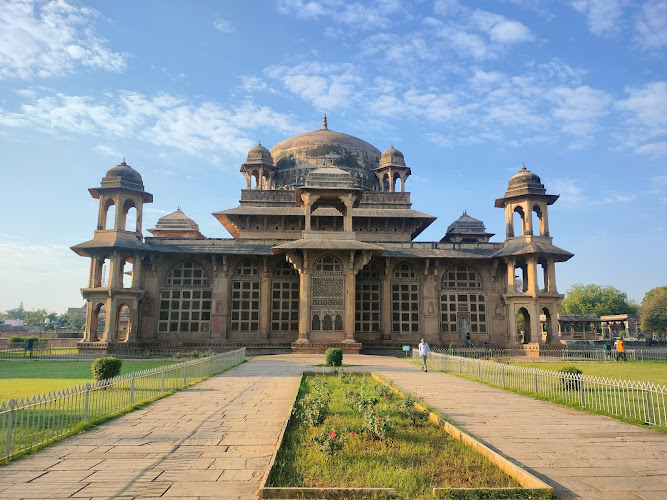
Tomb of Tansen
Old Water Park
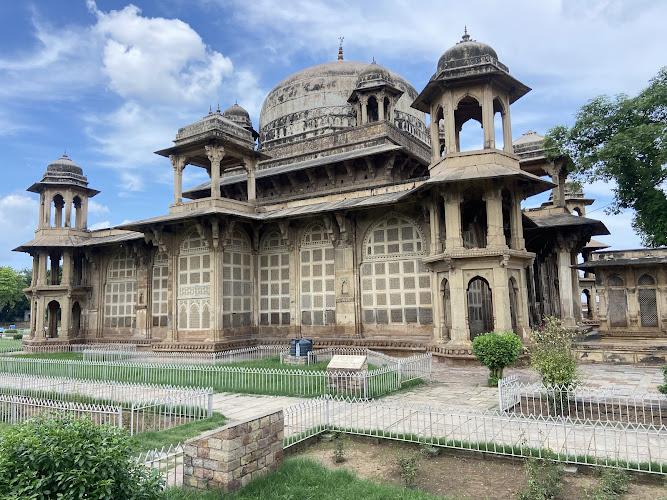
Tomb of Muhammad Ghaus
Find Accommodations Nearby
Recommended Tours & Activities
Visitor Reviews
There are no reviews yet. Be the first one to write one.
Share Your Experience
Have you visited Jai Vilas Palace? Help other travelers by leaving a review.