
Santuario della Consolata
About Santuario della Consolata
Description
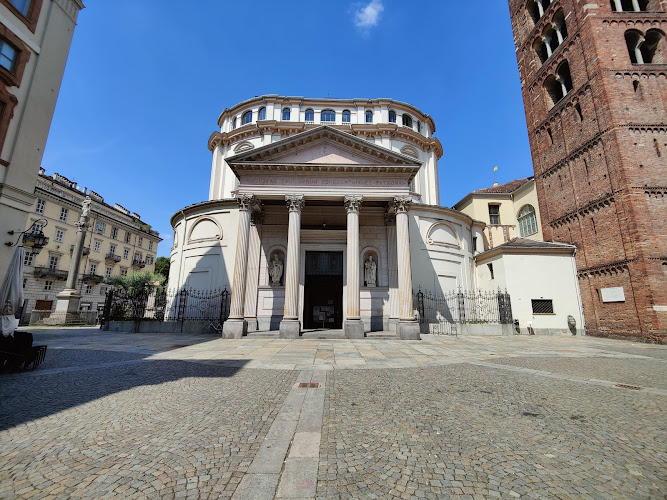
The Santuario della Consolata is one of those places that quietly sneaks up on you. At first glance from the outside, it looks elegant but not overly showy, with its classical portico and clean lines. But step inside, and it’s like stepping into a different world entirely. The interior bursts with Baroque drama—polychrome marble, gilded details, sweeping arches, and a play of light that makes everything feel alive. It’s not just a church; it’s an experience that leaves you a little bit stunned, even if you’ve seen your fair share of European sanctuaries.
What makes this sanctuary so special is its deep connection to Marian devotion. For centuries, locals and pilgrims alike have come here seeking comfort, guidance, or simply a moment of peace. The atmosphere inside is hushed but not intimidating—more welcoming than austere. You’ll see people lighting candles, pausing in reflection, or admiring the art. And honestly, even if you’re not particularly religious, it’s hard not to feel something in a space so layered with history and emotion.
The sanctuary has its quirks too. It’s not a massive cathedral where you feel dwarfed by the scale. Instead, it has a more intimate feel, with chapels tucked into corners and details that reward slow exploration. The polychrome marble, for instance, is not just decorative—it creates a vibrant rhythm throughout the church, pulling your eyes from one detail to the next. It’s the kind of place where you notice new things each time you visit.
Of course, not everyone falls head over heels. Some visitors find the style a bit overwhelming or too ornate. Baroque architecture is, after all, not known for its subtlety. But for many travelers, that’s exactly the charm. It’s unapologetically rich, a feast for the senses, and a reminder of a time when art and faith were completely intertwined. In short, the Santuario della Consolata is more than just a stop on a sightseeing list—it’s a place that lingers with you long after you’ve stepped back out onto the streets of Turin.
Key Features
- Striking Baroque interior filled with polychrome marble and gilded details
- Classical portico exterior offering a contrast to the ornate inside
- Numerous chapels and side altars, each with unique artwork and devotional significance
- Atmosphere of Marian devotion, attracting both pilgrims and casual visitors
- Wheelchair accessible entrance, parking, and restrooms for inclusive visiting
- Rich historical significance tied to centuries of local faith and tradition
- Peaceful ambiance despite being located in the heart of a bustling city
Best Time to Visit
Timing your visit can make a big difference. Personally, I’ve found that early mornings are the sweet spot. The sanctuary is quieter then, and you can soak in the atmosphere without too much distraction. There’s something about the way the morning light filters in that adds to the spiritual feel of the place. Afternoons, especially weekends, tend to bring in more crowds—both tourists and locals. If you enjoy people-watching and don’t mind a bit of bustle, that can be a good time too.
Seasonally, spring and autumn are lovely in Turin overall, and visiting the sanctuary during those months means you can enjoy the city without the extremes of summer heat or winter chill. Christmas time is also special here. The decorations, music, and local traditions give the sanctuary an extra layer of warmth and magic. But if you’re someone who prefers a quieter, more contemplative visit, stick to off-peak times.
How to Get There
Getting to the Santuario della Consolata is fairly straightforward. It’s centrally located in Turin, so if you’re staying in the city, you can easily walk there from many major landmarks. For those relying on public transport, buses and trams stop nearby, and the walk from a metro station isn’t long either. I’ve walked there multiple times from Piazza Castello, and it’s a pleasant stroll through some of Turin’s historic streets.
If you’re driving, there are parking options in the area, though like most Italian cities, navigating traffic and finding a spot can test your patience. Thankfully, the sanctuary has wheelchair accessible parking, which is a thoughtful touch for travelers with mobility needs. And if you’re more of a cyclist, Turin is becoming increasingly bike-friendly, so that’s another option worth considering.
Tips for Visiting
A few practical tips can make your visit smoother and more enjoyable. First, dress respectfully. While Turin is a modern city and you’ll see a mix of styles, this is still an active place of worship. Covering shoulders and knees is a good rule of thumb. I once forgot a scarf and felt a bit awkward—lesson learned.
Photography is usually allowed, but be mindful. Flash is a no-go, and it’s always better to check if there are restrictions in certain areas. Also, try not to disrupt people who are there to pray. It’s easy to get caught up in snapping photos of the marble and frescoes, but pausing to just sit quietly can be just as rewarding.
If you’re traveling with kids, the sanctuary can be a surprisingly good stop. While younger children might not be fascinated by Baroque architecture, the colors and details do capture attention. Just be prepared to explain why they need to keep their voices down. For accessibility, the sanctuary does a good job with ramps and restrooms, so visitors with mobility challenges can enjoy the space without too much hassle.
Finally, don’t rush. This isn’t the kind of place you breeze through in ten minutes. Give yourself time to wander, to notice the little details, and maybe even to sit for a while. And if you’re lucky, you might stumble upon a service or music performance, which adds an entirely different dimension to the experience. Santuario della Consolata isn’t just about what you see—it’s about what you feel when you’re there.
Key Features
- Striking Baroque interior filled with polychrome marble and gilded details
- Classical portico exterior offering a contrast to the ornate inside
- Numerous chapels and side altars, each with unique artwork and devotional significance
- Atmosphere of Marian devotion, attracting both pilgrims and casual visitors
- Wheelchair accessible entrance, parking, and restrooms for inclusive visiting
- Rich historical significance tied to centuries of local faith and tradition
- Peaceful ambiance despite being located in the heart of a bustling city
More Details
Updated September 30, 2025
Table of Contents
Description
The Santuario della Consolata is one of those places that quietly sneaks up on you. At first glance from the outside, it looks elegant but not overly showy, with its classical portico and clean lines. But step inside, and it’s like stepping into a different world entirely. The interior bursts with Baroque drama—polychrome marble, gilded details, sweeping arches, and a play of light that makes everything feel alive. It’s not just a church; it’s an experience that leaves you a little bit stunned, even if you’ve seen your fair share of European sanctuaries.
What makes this sanctuary so special is its deep connection to Marian devotion. For centuries, locals and pilgrims alike have come here seeking comfort, guidance, or simply a moment of peace. The atmosphere inside is hushed but not intimidating—more welcoming than austere. You’ll see people lighting candles, pausing in reflection, or admiring the art. And honestly, even if you’re not particularly religious, it’s hard not to feel something in a space so layered with history and emotion.
The sanctuary has its quirks too. It’s not a massive cathedral where you feel dwarfed by the scale. Instead, it has a more intimate feel, with chapels tucked into corners and details that reward slow exploration. The polychrome marble, for instance, is not just decorative—it creates a vibrant rhythm throughout the church, pulling your eyes from one detail to the next. It’s the kind of place where you notice new things each time you visit.
Of course, not everyone falls head over heels. Some visitors find the style a bit overwhelming or too ornate. Baroque architecture is, after all, not known for its subtlety. But for many travelers, that’s exactly the charm. It’s unapologetically rich, a feast for the senses, and a reminder of a time when art and faith were completely intertwined. In short, the Santuario della Consolata is more than just a stop on a sightseeing list—it’s a place that lingers with you long after you’ve stepped back out onto the streets of Turin.
Key Features
- Striking Baroque interior filled with polychrome marble and gilded details
- Classical portico exterior offering a contrast to the ornate inside
- Numerous chapels and side altars, each with unique artwork and devotional significance
- Atmosphere of Marian devotion, attracting both pilgrims and casual visitors
- Wheelchair accessible entrance, parking, and restrooms for inclusive visiting
- Rich historical significance tied to centuries of local faith and tradition
- Peaceful ambiance despite being located in the heart of a bustling city
Best Time to Visit
Timing your visit can make a big difference. Personally, I’ve found that early mornings are the sweet spot. The sanctuary is quieter then, and you can soak in the atmosphere without too much distraction. There’s something about the way the morning light filters in that adds to the spiritual feel of the place. Afternoons, especially weekends, tend to bring in more crowds—both tourists and locals. If you enjoy people-watching and don’t mind a bit of bustle, that can be a good time too.
Seasonally, spring and autumn are lovely in Turin overall, and visiting the sanctuary during those months means you can enjoy the city without the extremes of summer heat or winter chill. Christmas time is also special here. The decorations, music, and local traditions give the sanctuary an extra layer of warmth and magic. But if you’re someone who prefers a quieter, more contemplative visit, stick to off-peak times.
How to Get There
Getting to the Santuario della Consolata is fairly straightforward. It’s centrally located in Turin, so if you’re staying in the city, you can easily walk there from many major landmarks. For those relying on public transport, buses and trams stop nearby, and the walk from a metro station isn’t long either. I’ve walked there multiple times from Piazza Castello, and it’s a pleasant stroll through some of Turin’s historic streets.
If you’re driving, there are parking options in the area, though like most Italian cities, navigating traffic and finding a spot can test your patience. Thankfully, the sanctuary has wheelchair accessible parking, which is a thoughtful touch for travelers with mobility needs. And if you’re more of a cyclist, Turin is becoming increasingly bike-friendly, so that’s another option worth considering.
Tips for Visiting
A few practical tips can make your visit smoother and more enjoyable. First, dress respectfully. While Turin is a modern city and you’ll see a mix of styles, this is still an active place of worship. Covering shoulders and knees is a good rule of thumb. I once forgot a scarf and felt a bit awkward—lesson learned.
Photography is usually allowed, but be mindful. Flash is a no-go, and it’s always better to check if there are restrictions in certain areas. Also, try not to disrupt people who are there to pray. It’s easy to get caught up in snapping photos of the marble and frescoes, but pausing to just sit quietly can be just as rewarding.
If you’re traveling with kids, the sanctuary can be a surprisingly good stop. While younger children might not be fascinated by Baroque architecture, the colors and details do capture attention. Just be prepared to explain why they need to keep their voices down. For accessibility, the sanctuary does a good job with ramps and restrooms, so visitors with mobility challenges can enjoy the space without too much hassle.
Finally, don’t rush. This isn’t the kind of place you breeze through in ten minutes. Give yourself time to wander, to notice the little details, and maybe even to sit for a while. And if you’re lucky, you might stumble upon a service or music performance, which adds an entirely different dimension to the experience. Santuario della Consolata isn’t just about what you see—it’s about what you feel when you’re there.
Key Highlights
- Striking Baroque interior filled with polychrome marble and gilded details
- Classical portico exterior offering a contrast to the ornate inside
- Numerous chapels and side altars, each with unique artwork and devotional significance
- Atmosphere of Marian devotion, attracting both pilgrims and casual visitors
- Wheelchair accessible entrance, parking, and restrooms for inclusive visiting
- Rich historical significance tied to centuries of local faith and tradition
- Peaceful ambiance despite being located in the heart of a bustling city
Location
Places to Stay Near Santuario della Consolata
Find and Book a Tour
Explore More Travel Guides
No reviews found! Be the first to review!
Traveler Reviews for Santuario della Consolata
There are no reviews yet. Be the first one to write one.
Have you visited Santuario della Consolata? Help other travelers by sharing your review.
You Might Also Like
Free Walking Tour Turin

Villa della Regina
Museo Le Nuove
Find Accommodations Nearby
Recommended Tours & Activities
Visitor Reviews
There are no reviews yet. Be the first one to write one.
Share Your Experience
Have you visited Santuario della Consolata? Help other travelers by leaving a review.