
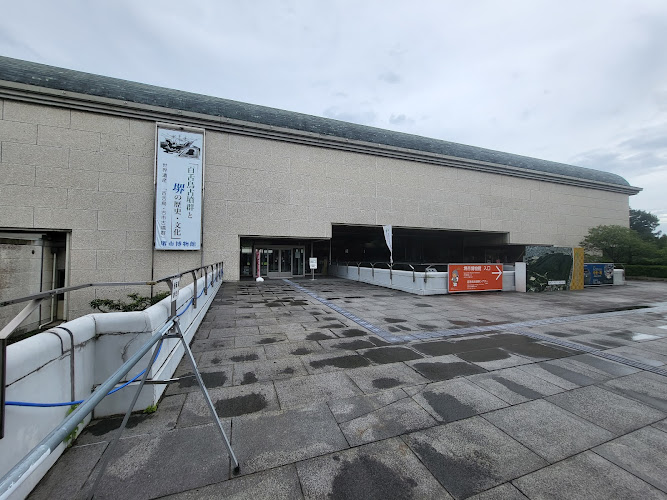
Sakai City Museum
About Sakai City Museum
Description
Alright, let’s get straight to the heart of what makes the Sakai City Museum tick. Imagine stepping into a place where history doesn’t just sit quietly behind glass—it nudges you in the ribs and says, "Hey, check this out." That’s exactly how I felt the first time I wandered in, honestly not expecting to be wowed by anything more than the cool air-con on a blazing Osaka afternoon.
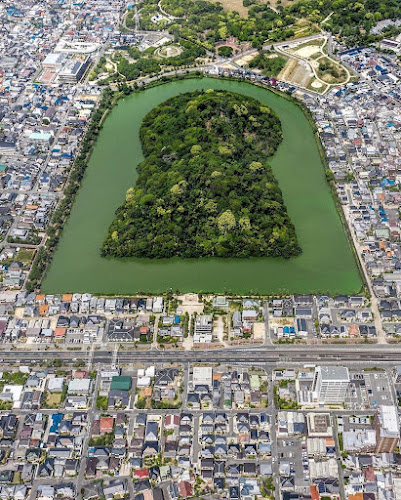
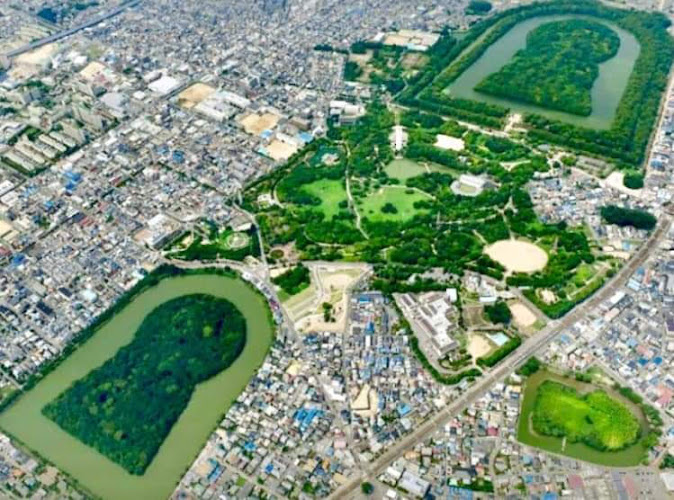
What hits you first is this enormous Sakai weaving loom—seriously, it’s huge. I’d only ever seen those things in textbooks, and suddenly here I was, craning my neck up at a living piece of Sakai’s centuries-old craftsmanship. Then you stroll a bit further, and bang: there’s this meticulously crafted diorama of the Mozu tombs. If you’ve ever looked at Google Maps and seen those keyhole-shaped burial mounds, the Mozu-Furuichi Kofun—you know, those ancient graves that have UNESCO credentials—this place gives you context for what they actually meant to people a long, long time ago. It’s hands-on. Some displays even let you try out virtual reality (VR) to get a bird’s eye view, which was honestly kind of trippy but super enlightening.
What makes Sakai City Museum more than just another local history spot is its effort to humanize the past. There’s something in the way it balances the really big, important tales of emperors and tomb builders with everyday artifacts—old utensils, kimonos, toys, and records about daily life. You don’t need to be an archaeology nerd to have fun here (though, if you are, bring a notepad).
And I’ll admit, not every exhibit is a home run—some descriptions could use more English, and a few cases venture dangerously close to musty-old-museum territory. Still, it’s the kind of place where even families with kids (I definitely saw a bunch of kids magnetized by interactive corners) and curious travelers can lose an afternoon wandering around. The museum does a solid job opening up the living history of Sakai, with enough modern displays that you don’t get bogged down by cobwebs.
Key Features
- Massive Sakai Weaving Loom: Possibly one of the largest looms you’ll see, representing what made Sakai famous as a textile hub.
- Mozu Tombs Diorama: Immersive, detailed, and way easier to understand than an old map. Great for visual learners (like me—I'm hopeless with abstract timelines).
- Interactive VR Experiences: Get an aerial virtual reality tour of kofun tombs—you’ve never "flown" over ancient history like this before, trust me.
- Rotating Special Exhibitions: Themes change several times a year, from samurai swords (yep, really) to Edo era pop culture. Keeps things fresh if you visit more than once.
- Kid-Friendly Corners: Hands-on activities and simple guides so no one has to fake excitement at old scrolls. I wish more museums did this.
- Wheelchair Access and Rentals: Ticks the inclusive travel box with ramps, restrooms, and wheelchairs for rent—so everyone can explore comfortably.
- Well-Maintained Facilities: Clean restrooms, spacious galleries, and—oddly enough—a genuinely pleasant sitting area overlooking a park. Perfect for a breather or a quiet moment to jot down a journal entry.
- Local Flavor: Exhibits tie into Sakai’s reputation for cutlery, bikes, incense, and trade—there’s more than grave mounds here if you’re a culture hunter.
Best Time to Visit
So, when’s the sweet spot? Osaka isn’t exactly shy about its seasons—sweltering summers, fleeting cherry blossoms, rainy patches, and those golden autumn afternoons that make you want to stroll forever. I’m going to stick my neck out and say that the absolute best time to swing by the Sakai City Museum is either late March to early May or in the October-November autumn window.
Why? First, the adjoining Daisen Park bursts with cherry blossoms and later with vibrant foliage, which means you get a double-whammy of culture and nature if you time it just right. Floating through the museum when the park outside is awash in pink or gold is magical—I mean, you’ll want to charge your phone for photos.
Plus, families tend to visit during Japanese school holidays, so if you prefer a quieter pace, avoid Golden Week (late April–early May). Weekdays tend to be calmer anyway, which gives you more space to chat with staff or just soak it all in. And bring a light jacket! Those museum air conditioners can pack a punch.
How to Get There
Alright, getting to the museum is relatively painless (thank goodness, right?). If you’re staying in Osaka city center or even flying in from Kansai Airport, reaching Sakai is as easy as hopping on the Nankai Line. Just aim for Mozu Station or Mikunigaoka Station—both are accessible and only a short stroll from the museum grounds.
I usually make a mini adventure out of it. Here’s my favorite way: Take the train to Mozu Station, pop out, and spend a minute gawping at the sheer scale of the Daisen Park. The museum hides right inside the park, and the walk gets you in the mood. Signs are pretty clear (and there’s always that universal look of museum-goers to follow—cameras, guidebooks, and curious expressions). Buses also swing by from Sakai Station if you’re less keen on walking, and taxis are always an option if you’re traveling with kids or elderly family.
One heads-up: Parking isn’t always guaranteed if you’re driving. Street parking can be a bit of a hunt, especially during peak cherry blossom or festival season. The whole area just fills with people who want a piece of the action. If mobility’s an issue, don’t worry—the museum’s entrance and pathways are very accommodating. Just don’t expect valet parking or anything fancy!
Tips for Visiting
Now, let’s talk practicalities and a little bit of “what I wish I knew beforehand.” First up: give yourself a couple of hours, minimum. Maybe more if you're the kind of person who reads every single bit of info (guilty—my family eventually drags me away from museums, muttering under their breath).
- Go in the morning if you can—the museum’s less crowded, and you’ll have more time to enjoy the park afterward. Trust me, it makes all the difference for photos and peaceful browsing.
- Bring snacks and water. There’s no restaurant on site, and while vending machines usually save the day, your options are limited. Daisen Park has plenty of spots for an impromptu picnic if you’re hungry.
- Check current exhibitions ahead of time. Some special displays may feature famous Japanese swords or local artists, and these rotate regularly. (I've missed a killer samurai helmet show once, and I’m still kicking myself.)
- Consider the accessibility perks. The museum lends wheelchairs, and restrooms are well-designed for accessibility. If you need something specific, the front desk staff generally go the extra mile.
- Engage the staff—seriously. Even if your Japanese is rusty, pointing and smiling does wonders. They're full of quirky local trivia, like why Sakai knives are world-class or which kofun mound is everyone’s favorite.
- Pack light, but don't skip your camera or journal. The exhibits and surrounding gardens throw up lots of inspiration, especially for artists, writers, or habitual Instagrammers.
Overall, I’d say the Sakai City Museum isn’t your typical flashy, high-tech institution, but that’s part of its charm. If you’re after a slice of authentic Japanese history—gritty, beautiful, and a tad quirky—this is your ticket. Plus, the sense of local pride here is infectious. I left with a new respect for Sakai, its craftspeople, and, dare I say, for the patience required to weave textiles or build colossal tombs. Whether you’re planning an Osaka itinerary, a family day out, or just ducking out of the rain, you really shouldn’t sleep on this low-key gem.
And who knows—maybe you’ll find your own favorite artifact or story. Just don’t blame me if you end up nerding out over kofun, too.
Key Features
- Key Features
- Best Time to Visit
- How to Get There
- Tips for Visiting
More Details
Updated June 9, 2025
Table of Contents
Description
Alright, let’s get straight to the heart of what makes the Sakai City Museum tick. Imagine stepping into a place where history doesn’t just sit quietly behind glass—it nudges you in the ribs and says, “Hey, check this out.” That’s exactly how I felt the first time I wandered in, honestly not expecting to be wowed by anything more than the cool air-con on a blazing Osaka afternoon.
What hits you first is this enormous Sakai weaving loom—seriously, it’s huge. I’d only ever seen those things in textbooks, and suddenly here I was, craning my neck up at a living piece of Sakai’s centuries-old craftsmanship. Then you stroll a bit further, and bang: there’s this meticulously crafted diorama of the Mozu tombs. If you’ve ever looked at Google Maps and seen those keyhole-shaped burial mounds, the Mozu-Furuichi Kofun—you know, those ancient graves that have UNESCO credentials—this place gives you context for what they actually meant to people a long, long time ago. It’s hands-on. Some displays even let you try out virtual reality (VR) to get a bird’s eye view, which was honestly kind of trippy but super enlightening.
What makes Sakai City Museum more than just another local history spot is its effort to humanize the past. There’s something in the way it balances the really big, important tales of emperors and tomb builders with everyday artifacts—old utensils, kimonos, toys, and records about daily life. You don’t need to be an archaeology nerd to have fun here (though, if you are, bring a notepad).
And I’ll admit, not every exhibit is a home run—some descriptions could use more English, and a few cases venture dangerously close to musty-old-museum territory. Still, it’s the kind of place where even families with kids (I definitely saw a bunch of kids magnetized by interactive corners) and curious travelers can lose an afternoon wandering around. The museum does a solid job opening up the living history of Sakai, with enough modern displays that you don’t get bogged down by cobwebs.
Key Features
- Massive Sakai Weaving Loom: Possibly one of the largest looms you’ll see, representing what made Sakai famous as a textile hub.
- Mozu Tombs Diorama: Immersive, detailed, and way easier to understand than an old map. Great for visual learners (like me—I’m hopeless with abstract timelines).
- Interactive VR Experiences: Get an aerial virtual reality tour of kofun tombs—you’ve never “flown” over ancient history like this before, trust me.
- Rotating Special Exhibitions: Themes change several times a year, from samurai swords (yep, really) to Edo era pop culture. Keeps things fresh if you visit more than once.
- Kid-Friendly Corners: Hands-on activities and simple guides so no one has to fake excitement at old scrolls. I wish more museums did this.
- Wheelchair Access and Rentals: Ticks the inclusive travel box with ramps, restrooms, and wheelchairs for rent—so everyone can explore comfortably.
- Well-Maintained Facilities: Clean restrooms, spacious galleries, and—oddly enough—a genuinely pleasant sitting area overlooking a park. Perfect for a breather or a quiet moment to jot down a journal entry.
- Local Flavor: Exhibits tie into Sakai’s reputation for cutlery, bikes, incense, and trade—there’s more than grave mounds here if you’re a culture hunter.
Best Time to Visit
So, when’s the sweet spot? Osaka isn’t exactly shy about its seasons—sweltering summers, fleeting cherry blossoms, rainy patches, and those golden autumn afternoons that make you want to stroll forever. I’m going to stick my neck out and say that the absolute best time to swing by the Sakai City Museum is either late March to early May or in the October-November autumn window.
Why? First, the adjoining Daisen Park bursts with cherry blossoms and later with vibrant foliage, which means you get a double-whammy of culture and nature if you time it just right. Floating through the museum when the park outside is awash in pink or gold is magical—I mean, you’ll want to charge your phone for photos.
Plus, families tend to visit during Japanese school holidays, so if you prefer a quieter pace, avoid Golden Week (late April–early May). Weekdays tend to be calmer anyway, which gives you more space to chat with staff or just soak it all in. And bring a light jacket! Those museum air conditioners can pack a punch.
How to Get There
Alright, getting to the museum is relatively painless (thank goodness, right?). If you’re staying in Osaka city center or even flying in from Kansai Airport, reaching Sakai is as easy as hopping on the Nankai Line. Just aim for Mozu Station or Mikunigaoka Station—both are accessible and only a short stroll from the museum grounds.
I usually make a mini adventure out of it. Here’s my favorite way: Take the train to Mozu Station, pop out, and spend a minute gawping at the sheer scale of the Daisen Park. The museum hides right inside the park, and the walk gets you in the mood. Signs are pretty clear (and there’s always that universal look of museum-goers to follow—cameras, guidebooks, and curious expressions). Buses also swing by from Sakai Station if you’re less keen on walking, and taxis are always an option if you’re traveling with kids or elderly family.
One heads-up: Parking isn’t always guaranteed if you’re driving. Street parking can be a bit of a hunt, especially during peak cherry blossom or festival season. The whole area just fills with people who want a piece of the action. If mobility’s an issue, don’t worry—the museum’s entrance and pathways are very accommodating. Just don’t expect valet parking or anything fancy!
Tips for Visiting
Now, let’s talk practicalities and a little bit of “what I wish I knew beforehand.” First up: give yourself a couple of hours, minimum. Maybe more if you’re the kind of person who reads every single bit of info (guilty—my family eventually drags me away from museums, muttering under their breath).
- Go in the morning if you can—the museum’s less crowded, and you’ll have more time to enjoy the park afterward. Trust me, it makes all the difference for photos and peaceful browsing.
- Bring snacks and water. There’s no restaurant on site, and while vending machines usually save the day, your options are limited. Daisen Park has plenty of spots for an impromptu picnic if you’re hungry.
- Check current exhibitions ahead of time. Some special displays may feature famous Japanese swords or local artists, and these rotate regularly. (I’ve missed a killer samurai helmet show once, and I’m still kicking myself.)
- Consider the accessibility perks. The museum lends wheelchairs, and restrooms are well-designed for accessibility. If you need something specific, the front desk staff generally go the extra mile.
- Engage the staff—seriously. Even if your Japanese is rusty, pointing and smiling does wonders. They’re full of quirky local trivia, like why Sakai knives are world-class or which kofun mound is everyone’s favorite.
- Pack light, but don’t skip your camera or journal. The exhibits and surrounding gardens throw up lots of inspiration, especially for artists, writers, or habitual Instagrammers.
Overall, I’d say the Sakai City Museum isn’t your typical flashy, high-tech institution, but that’s part of its charm. If you’re after a slice of authentic Japanese history—gritty, beautiful, and a tad quirky—this is your ticket. Plus, the sense of local pride here is infectious. I left with a new respect for Sakai, its craftspeople, and, dare I say, for the patience required to weave textiles or build colossal tombs. Whether you’re planning an Osaka itinerary, a family day out, or just ducking out of the rain, you really shouldn’t sleep on this low-key gem.
And who knows—maybe you’ll find your own favorite artifact or story. Just don’t blame me if you end up nerding out over kofun, too.
Key Highlights
- Key Features
- Best Time to Visit
- How to Get There
- Tips for Visiting
Location
Places to Stay Near Sakai City Museum
Find and Book a Tour
Explore More Travel Guides
No reviews found! Be the first to review!
Traveler Reviews for Sakai City Museum
There are no reviews yet. Be the first one to write one.
Have you visited Sakai City Museum? Help other travelers by sharing your review.
You Might Also Like
Mozu Mounded Tombs

Sakai Plaza of Rikyu and Akiko (Risho no Mori)
Daisen-ryo Kofun (Tomb of Emperor Nintoku)
Find Accommodations Nearby
Recommended Tours & Activities
Visitor Reviews
There are no reviews yet. Be the first one to write one.
Share Your Experience
Have you visited Sakai City Museum? Help other travelers by leaving a review.