
Mozu Mounded Tombs
About Mozu Mounded Tombs
Description
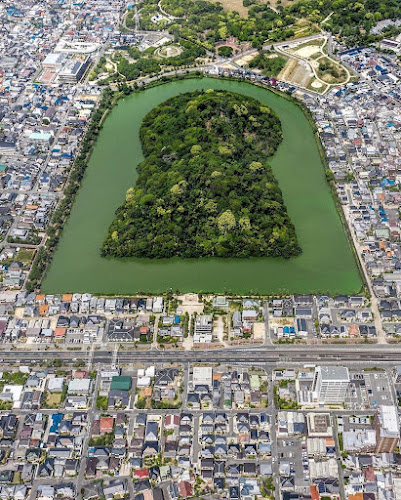
The Mozu Mounded Tombs, also known as the Mozu-Furuichi Kofun Group, are one of those places that quietly blow your mind without needing any flashy gimmicks. These massive, keyhole-shaped burial mounds go back to the 4th and 5th centuries, smack in the middle of Japan’s Kofun period. What makes them fascinating isn’t just their size (though some are absolutely enormous), but the fact that they still sit in the middle of modern Osaka Prefecture, surrounded by neighborhoods, schools, and daily life. It feels surreal—like stepping into a time capsule while the world keeps buzzing around you.
Walking around the park-like grounds, you’ll notice how peaceful it is. The moats, the greenery, and the sheer scale of the tombs give it a quiet dignity. Some visitors are awed by the history and the engineering, others might think, “Well, it’s just a big hill.” And honestly, both reactions are valid. That’s the charm of this site—it’s not about flashy ruins or dramatic temples; it’s about subtlety, patience, and looking closely at what’s right in front of you.
Personally, I found myself slowing down here in a way I don’t usually do when traveling. There’s something grounding about standing near a structure that’s been around for over 1,500 years, built for kings and leaders whose names most of us will never know. It’s humbling, and it makes you think about how fleeting our own busy lives are in comparison.
Key Features
- Distinctive keyhole-shaped burial mounds, some among the largest in the world
- Moats surrounding many of the tombs, adding both beauty and mystery
- UNESCO World Heritage designation since 2019
- Peaceful parkland atmosphere, perfect for walking and reflection
- Educational displays that explain the Kofun period and burial practices
- Accessible paths and parking for visitors with mobility needs
- Family-friendly environment where kids can enjoy the open spaces
One of the most striking features is Daisenryo Kofun, believed to be the tomb of Emperor Nintoku. It’s so massive that you can’t even take it all in from the ground—you almost need a drone or a plane to really appreciate its full keyhole shape. But even if you can’t see it from above, just knowing you’re standing next to one of the largest tombs in the world is pretty wild.
Best Time to Visit
Timing makes a big difference here. Spring is gorgeous, with cherry blossoms softening the edges of the tombs and moats. If you’re into photography, that’s your golden season. Summer can be hot and humid—typical Osaka weather—so bring water and a hat if you go then. Autumn is probably my personal favorite. The crisp air, the changing leaves, and the quieter atmosphere make it feel almost poetic. Winter has its own charm too, though it’s a little stark, and you’ll need to bundle up.
If you’re the type who doesn’t love crowds, weekdays in the morning are your best bet. You’ll have the paths mostly to yourself, and it’s easier to let your imagination wander without the background noise of tour groups.
How to Get There
Getting to the Mozu Mounded Tombs is surprisingly straightforward. From central Osaka, you can hop on the JR Hanwa Line and get off at Mozu Station. It’s just a short walk from there to the main tombs. If you’re coming from Namba or Tennoji, the trip is quick and painless—no complicated transfers.
For those who prefer buses or even renting a bike, both are doable. Biking around the area is actually a fun option, especially since the tombs are spread out across Sakai. You’ll spot smaller kofun tucked between residential streets, which adds to the sense of discovery. Driving is possible too, and there are accessible parking lots if you’re traveling with family or need extra convenience.
Tips for Visiting
Here are some things I wish I had known before my first visit:
- Bring good walking shoes. The site covers a wide area, and you’ll be walking more than you think.
- Don’t expect to climb the tombs. They’re protected, so you’ll be admiring from the outside. The beauty is in the scale and the atmosphere, not in climbing to the top.
- Pack snacks or water. Facilities are limited inside the park areas, though you’ll find convenience stores nearby.
- Take your time. Rushing through won’t do it justice. The magic is in slowing down and noticing the details—the moats, the trees, the quiet.
- Bring kids along. The open spaces are safe and fun for children to explore, and it’s a nice way to introduce them to history without it feeling stuffy.
- Look for viewpoints. While you can’t see the full keyhole shape from the ground, there are observation spots and maps that help you visualize the layout.
- Respect the site. These are not just tourist attractions—they’re ancient burial grounds. A little mindfulness goes a long way.
One last personal note: don’t be surprised if you leave feeling a little reflective. This isn’t the kind of attraction that hits you with immediate wow-factor like a flashy castle or temple. Instead, it lingers. Days later, you might find yourself thinking back to those quiet moats and grassy mounds, and realizing they left a deeper impression than you expected. And honestly, that’s what makes the Mozu Mounded Tombs worth the trip.
Key Features
- Distinctive keyhole-shaped burial mounds, some among the largest in the world
- Moats surrounding many of the tombs, adding both beauty and mystery
- UNESCO World Heritage designation since 2019
- Peaceful parkland atmosphere, perfect for walking and reflection
- Educational displays that explain the Kofun period and burial practices
- Accessible paths and parking for visitors with mobility needs
- Family-friendly environment where kids can enjoy the open spaces
More Details
Updated September 23, 2025
Table of Contents
Description
The Mozu Mounded Tombs, also known as the Mozu-Furuichi Kofun Group, are one of those places that quietly blow your mind without needing any flashy gimmicks. These massive, keyhole-shaped burial mounds go back to the 4th and 5th centuries, smack in the middle of Japan’s Kofun period. What makes them fascinating isn’t just their size (though some are absolutely enormous), but the fact that they still sit in the middle of modern Osaka Prefecture, surrounded by neighborhoods, schools, and daily life. It feels surreal—like stepping into a time capsule while the world keeps buzzing around you.
Walking around the park-like grounds, you’ll notice how peaceful it is. The moats, the greenery, and the sheer scale of the tombs give it a quiet dignity. Some visitors are awed by the history and the engineering, others might think, “Well, it’s just a big hill.” And honestly, both reactions are valid. That’s the charm of this site—it’s not about flashy ruins or dramatic temples; it’s about subtlety, patience, and looking closely at what’s right in front of you.
Personally, I found myself slowing down here in a way I don’t usually do when traveling. There’s something grounding about standing near a structure that’s been around for over 1,500 years, built for kings and leaders whose names most of us will never know. It’s humbling, and it makes you think about how fleeting our own busy lives are in comparison.
Key Features
- Distinctive keyhole-shaped burial mounds, some among the largest in the world
- Moats surrounding many of the tombs, adding both beauty and mystery
- UNESCO World Heritage designation since 2019
- Peaceful parkland atmosphere, perfect for walking and reflection
- Educational displays that explain the Kofun period and burial practices
- Accessible paths and parking for visitors with mobility needs
- Family-friendly environment where kids can enjoy the open spaces
One of the most striking features is Daisenryo Kofun, believed to be the tomb of Emperor Nintoku. It’s so massive that you can’t even take it all in from the ground—you almost need a drone or a plane to really appreciate its full keyhole shape. But even if you can’t see it from above, just knowing you’re standing next to one of the largest tombs in the world is pretty wild.
Best Time to Visit
Timing makes a big difference here. Spring is gorgeous, with cherry blossoms softening the edges of the tombs and moats. If you’re into photography, that’s your golden season. Summer can be hot and humid—typical Osaka weather—so bring water and a hat if you go then. Autumn is probably my personal favorite. The crisp air, the changing leaves, and the quieter atmosphere make it feel almost poetic. Winter has its own charm too, though it’s a little stark, and you’ll need to bundle up.
If you’re the type who doesn’t love crowds, weekdays in the morning are your best bet. You’ll have the paths mostly to yourself, and it’s easier to let your imagination wander without the background noise of tour groups.
How to Get There
Getting to the Mozu Mounded Tombs is surprisingly straightforward. From central Osaka, you can hop on the JR Hanwa Line and get off at Mozu Station. It’s just a short walk from there to the main tombs. If you’re coming from Namba or Tennoji, the trip is quick and painless—no complicated transfers.
For those who prefer buses or even renting a bike, both are doable. Biking around the area is actually a fun option, especially since the tombs are spread out across Sakai. You’ll spot smaller kofun tucked between residential streets, which adds to the sense of discovery. Driving is possible too, and there are accessible parking lots if you’re traveling with family or need extra convenience.
Tips for Visiting
Here are some things I wish I had known before my first visit:
- Bring good walking shoes. The site covers a wide area, and you’ll be walking more than you think.
- Don’t expect to climb the tombs. They’re protected, so you’ll be admiring from the outside. The beauty is in the scale and the atmosphere, not in climbing to the top.
- Pack snacks or water. Facilities are limited inside the park areas, though you’ll find convenience stores nearby.
- Take your time. Rushing through won’t do it justice. The magic is in slowing down and noticing the details—the moats, the trees, the quiet.
- Bring kids along. The open spaces are safe and fun for children to explore, and it’s a nice way to introduce them to history without it feeling stuffy.
- Look for viewpoints. While you can’t see the full keyhole shape from the ground, there are observation spots and maps that help you visualize the layout.
- Respect the site. These are not just tourist attractions—they’re ancient burial grounds. A little mindfulness goes a long way.
One last personal note: don’t be surprised if you leave feeling a little reflective. This isn’t the kind of attraction that hits you with immediate wow-factor like a flashy castle or temple. Instead, it lingers. Days later, you might find yourself thinking back to those quiet moats and grassy mounds, and realizing they left a deeper impression than you expected. And honestly, that’s what makes the Mozu Mounded Tombs worth the trip.
Key Highlights
- Distinctive keyhole-shaped burial mounds, some among the largest in the world
- Moats surrounding many of the tombs, adding both beauty and mystery
- UNESCO World Heritage designation since 2019
- Peaceful parkland atmosphere, perfect for walking and reflection
- Educational displays that explain the Kofun period and burial practices
- Accessible paths and parking for visitors with mobility needs
- Family-friendly environment where kids can enjoy the open spaces
Location
Places to Stay Near Mozu Mounded Tombs
Find and Book a Tour
Explore More Travel Guides
No reviews found! Be the first to review!
Traveler Reviews for Mozu Mounded Tombs
There are no reviews yet. Be the first one to write one.
Have you visited Mozu Mounded Tombs? Help other travelers by sharing your review.
You Might Also Like

Sakai Plaza of Rikyu and Akiko (Risho no Mori)
Daisen Park Japanese Garden

Doto
Find Accommodations Nearby
Recommended Tours & Activities
Visitor Reviews
There are no reviews yet. Be the first one to write one.
Share Your Experience
Have you visited Mozu Mounded Tombs? Help other travelers by leaving a review.