
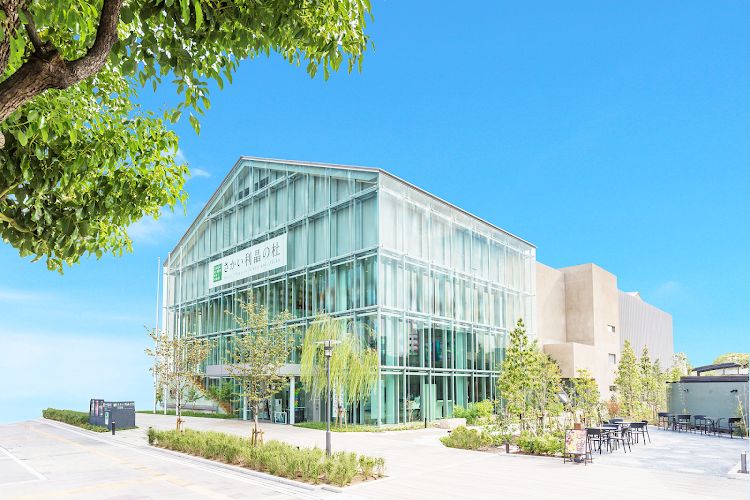
Sakai Plaza of Rikyu and Akiko (Risho no Mori)
About Sakai Plaza of Rikyu and Akiko (Risho no Mori)
Description
The Sakai Plaza of Rikyu and Akiko, affectionately called Risho no Mori, is one of those places that quietly sneaks up on you. At first glance, it looks like a modern museum space, but step inside and you’ll find yourself immersed in centuries of Japanese culture, history, and artistry. This cultural hub celebrates two of Sakai’s most influential figures: Sen no Rikyu, the revered tea master who shaped the Japanese tea ceremony into what it is today, and Yosano Akiko, a bold poet who helped carve the path for modern Japanese literature. Together, their stories paint a vivid picture of Sakai as a city that has always been at the crossroads of tradition and innovation.
Walking through the exhibits feels a bit like time travel. One moment you’re standing in front of displays about the Azuchi-Momoyama period, when Rikyu was redefining aesthetics with his philosophy of wabi-cha, and the next you’re diving into the Meiji and Taisho eras, when Akiko’s sharp words and unapologetic voice challenged societal norms. It’s not a massive museum, which honestly I think is a plus—you can take your time, absorb the details, and not feel rushed or overwhelmed. Some visitors might find the exhibits a little text-heavy, but if you’re curious about Japanese culture beyond the surface level, this place rewards your attention.
The overall vibe is calm and reflective, which makes sense given the themes of tea and poetry. And while it’s certainly educational, it doesn’t feel stiff. There’s a warmth to the space, especially in the tea ceremony hall where you can actually experience the rituals Rikyu perfected. It’s not just about looking at artifacts behind glass; it’s about stepping into traditions that are still alive today. Families often bring kids here too, and while younger ones might not grasp the deeper cultural significance, there’s enough interactivity and visual appeal to keep them engaged.
Key Features
- Dedicated exhibits on Sen no Rikyu, the tea master who shaped Japanese tea ceremony culture
- Displays on Yosano Akiko, a pioneering poet of modern Japanese literature
- A tea ceremony hall where visitors can observe or participate in authentic rituals
- Wheelchair accessible entrances, restrooms, and even rental services for accessibility
- Family-friendly atmosphere with exhibits suitable for kids
- Paid parking available nearby for convenience
- Modern museum design that blends interactive learning with historical depth
Best Time to Visit
If you’re the type who likes to avoid crowds, weekdays are your best bet. The museum doesn’t usually get overwhelmingly busy, but weekends can draw families and tour groups. Personally, I’d suggest visiting in the late morning or early afternoon. That way, you can take your time exploring the exhibits and then head out to nearby attractions in Sakai without feeling rushed. And if you’re already planning a trip during spring or autumn, you’re in luck—those seasons bring a comfortable climate that makes walking around the city afterward much more enjoyable. Summer can be hot and humid, which might sap your energy before you even get to the tea hall, while winter has its own quiet charm but requires bundling up.
How to Get There
Reaching the Sakai Plaza of Rikyu and Akiko is straightforward. From central Osaka, you can hop on the Nankai Line and get off at Sakai Station. From there, it’s a short walk or quick bus ride. If you’re more of a planner, you’ll appreciate how well-connected Sakai is by public transport—no need to stress about complicated transfers. For those who prefer driving, there’s a paid parking lot nearby, though space can be limited during busier times. Honestly, I’d recommend sticking with trains if you’re already in Osaka; it’s reliable, affordable, and saves you the headache of parking in a busy city.
Tips for Visiting
Here’s where a little insider advice can make your visit smoother. First, don’t skip the tea ceremony hall. Even if you think tea ceremonies are just about sipping matcha, experiencing one firsthand is surprisingly moving—it slows you down in the best way. Second, bring a bit of patience. Some of the exhibits lean heavily on written explanations, and while translations are available, you’ll get more out of it if you take your time. If you’re traveling with kids, set their expectations: this isn’t a flashy amusement park, but it’s a chance to introduce them to cultural heritage in a hands-on way.
Accessibility is thoughtfully considered here, which I really respect. Wheelchair users will find the facilities accommodating, and even strollers for families are easy to manage. Just remember there’s no in-house restaurant, so plan your meals before or after your visit. There are plenty of local eateries in Sakai worth trying anyway—some of the best soba I’ve ever had was just a short walk from the plaza. And if you’re a photography enthusiast, you’ll find plenty of beautiful angles inside, but be mindful of areas where photography might be restricted.
Lastly, go in with curiosity. The Sakai Plaza of Rikyu and Akiko isn’t about flashy displays or Instagrammable moments (though you’ll still find a few). It’s about connecting with the spirit of two individuals who shaped Japanese culture in very different but equally profound ways. If you give yourself the time and mindset to engage, you’ll come away with a deeper appreciation not just for Sakai, but for the cultural threads that continue to shape Japan today.
Key Features
- Dedicated exhibits on Sen no Rikyu, the tea master who shaped Japanese tea ceremony culture
- Displays on Yosano Akiko, a pioneering poet of modern Japanese literature
- A tea ceremony hall where visitors can observe or participate in authentic rituals
- Wheelchair accessible entrances, restrooms, and even rental services for accessibility
- Family-friendly atmosphere with exhibits suitable for kids
- Paid parking available nearby for convenience
- Modern museum design that blends interactive learning with historical depth
More Details
Updated September 23, 2025
Table of Contents
- Description
- Key Features
- Best Time to Visit
- How to Get There
- Tips for Visiting
- Key Highlights
- Location
- Places to Stay Near Sakai Plaza of Rikyu and Akiko (Risho no Mori)
- Find and Book a Tour
- Explore More Travel Guides
- Nearby Places You Might Like
- Traveler Reviews for Sakai Plaza of Rikyu and Akiko (Risho no Mori)
- Share Your Experience
Description
The Sakai Plaza of Rikyu and Akiko, affectionately called Risho no Mori, is one of those places that quietly sneaks up on you. At first glance, it looks like a modern museum space, but step inside and you’ll find yourself immersed in centuries of Japanese culture, history, and artistry. This cultural hub celebrates two of Sakai’s most influential figures: Sen no Rikyu, the revered tea master who shaped the Japanese tea ceremony into what it is today, and Yosano Akiko, a bold poet who helped carve the path for modern Japanese literature. Together, their stories paint a vivid picture of Sakai as a city that has always been at the crossroads of tradition and innovation.
Walking through the exhibits feels a bit like time travel. One moment you’re standing in front of displays about the Azuchi-Momoyama period, when Rikyu was redefining aesthetics with his philosophy of wabi-cha, and the next you’re diving into the Meiji and Taisho eras, when Akiko’s sharp words and unapologetic voice challenged societal norms. It’s not a massive museum, which honestly I think is a plus—you can take your time, absorb the details, and not feel rushed or overwhelmed. Some visitors might find the exhibits a little text-heavy, but if you’re curious about Japanese culture beyond the surface level, this place rewards your attention.
The overall vibe is calm and reflective, which makes sense given the themes of tea and poetry. And while it’s certainly educational, it doesn’t feel stiff. There’s a warmth to the space, especially in the tea ceremony hall where you can actually experience the rituals Rikyu perfected. It’s not just about looking at artifacts behind glass; it’s about stepping into traditions that are still alive today. Families often bring kids here too, and while younger ones might not grasp the deeper cultural significance, there’s enough interactivity and visual appeal to keep them engaged.
Key Features
- Dedicated exhibits on Sen no Rikyu, the tea master who shaped Japanese tea ceremony culture
- Displays on Yosano Akiko, a pioneering poet of modern Japanese literature
- A tea ceremony hall where visitors can observe or participate in authentic rituals
- Wheelchair accessible entrances, restrooms, and even rental services for accessibility
- Family-friendly atmosphere with exhibits suitable for kids
- Paid parking available nearby for convenience
- Modern museum design that blends interactive learning with historical depth
Best Time to Visit
If you’re the type who likes to avoid crowds, weekdays are your best bet. The museum doesn’t usually get overwhelmingly busy, but weekends can draw families and tour groups. Personally, I’d suggest visiting in the late morning or early afternoon. That way, you can take your time exploring the exhibits and then head out to nearby attractions in Sakai without feeling rushed. And if you’re already planning a trip during spring or autumn, you’re in luck—those seasons bring a comfortable climate that makes walking around the city afterward much more enjoyable. Summer can be hot and humid, which might sap your energy before you even get to the tea hall, while winter has its own quiet charm but requires bundling up.
How to Get There
Reaching the Sakai Plaza of Rikyu and Akiko is straightforward. From central Osaka, you can hop on the Nankai Line and get off at Sakai Station. From there, it’s a short walk or quick bus ride. If you’re more of a planner, you’ll appreciate how well-connected Sakai is by public transport—no need to stress about complicated transfers. For those who prefer driving, there’s a paid parking lot nearby, though space can be limited during busier times. Honestly, I’d recommend sticking with trains if you’re already in Osaka; it’s reliable, affordable, and saves you the headache of parking in a busy city.
Tips for Visiting
Here’s where a little insider advice can make your visit smoother. First, don’t skip the tea ceremony hall. Even if you think tea ceremonies are just about sipping matcha, experiencing one firsthand is surprisingly moving—it slows you down in the best way. Second, bring a bit of patience. Some of the exhibits lean heavily on written explanations, and while translations are available, you’ll get more out of it if you take your time. If you’re traveling with kids, set their expectations: this isn’t a flashy amusement park, but it’s a chance to introduce them to cultural heritage in a hands-on way.
Accessibility is thoughtfully considered here, which I really respect. Wheelchair users will find the facilities accommodating, and even strollers for families are easy to manage. Just remember there’s no in-house restaurant, so plan your meals before or after your visit. There are plenty of local eateries in Sakai worth trying anyway—some of the best soba I’ve ever had was just a short walk from the plaza. And if you’re a photography enthusiast, you’ll find plenty of beautiful angles inside, but be mindful of areas where photography might be restricted.
Lastly, go in with curiosity. The Sakai Plaza of Rikyu and Akiko isn’t about flashy displays or Instagrammable moments (though you’ll still find a few). It’s about connecting with the spirit of two individuals who shaped Japanese culture in very different but equally profound ways. If you give yourself the time and mindset to engage, you’ll come away with a deeper appreciation not just for Sakai, but for the cultural threads that continue to shape Japan today.
Key Highlights
- Dedicated exhibits on Sen no Rikyu, the tea master who shaped Japanese tea ceremony culture
- Displays on Yosano Akiko, a pioneering poet of modern Japanese literature
- A tea ceremony hall where visitors can observe or participate in authentic rituals
- Wheelchair accessible entrances, restrooms, and even rental services for accessibility
- Family-friendly atmosphere with exhibits suitable for kids
- Paid parking available nearby for convenience
- Modern museum design that blends interactive learning with historical depth
Location
Places to Stay Near Sakai Plaza of Rikyu and Akiko (Risho no Mori)
Find and Book a Tour
Explore More Travel Guides
No reviews found! Be the first to review!
Traveler Reviews for Sakai Plaza of Rikyu and Akiko (Risho no Mori)
There are no reviews yet. Be the first one to write one.
Have you visited Sakai Plaza of Rikyu and Akiko (Risho no Mori)? Help other travelers by sharing your review.
You Might Also Like

Oizumi Ryokuchi Park

Mihara History Museum
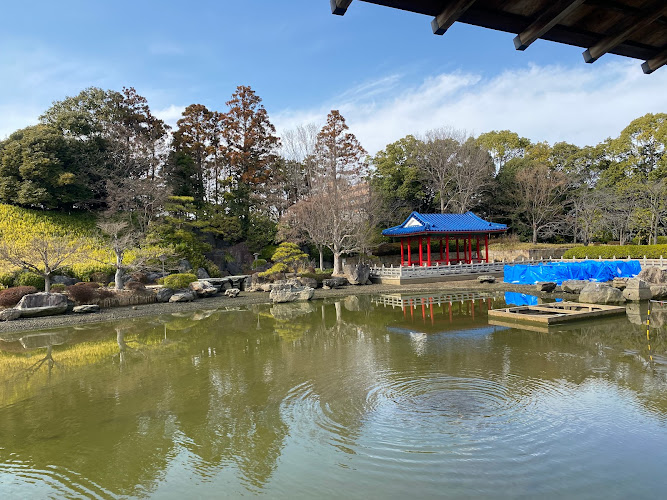
Daisen Park Japanese Garden
Find Accommodations Nearby
Recommended Tours & Activities
Visitor Reviews
There are no reviews yet. Be the first one to write one.
Share Your Experience
Have you visited Sakai Plaza of Rikyu and Akiko (Risho no Mori)? Help other travelers by leaving a review.