
Ruwanweli Maha Seya
About Ruwanweli Maha Seya
Description
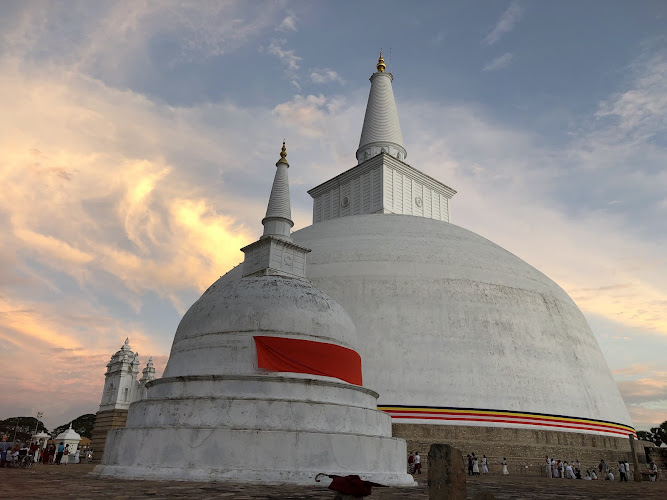
If history could talk, I bet Ruwanweli Maha Seya would have a thousand tales – legends of kings, devotion, and feats that still boggle the mind. For anyone who finds themselves standing on the broad, sun-warmed slabs of this ancient monument, the scale and atmosphere are just… humbling. Built all the way back in 140 BCE, this immense stupa rises to a height of 103 meters and is honestly one of the world’s oldest and most significant Buddhist sites. You know when you walk right up, there's a giddy stir in your stomach knowing so many pilgrims and travelers have felt awe at this same spot for over 2,000 years.
The Ruwanweli Maha Seya’s dome is this glowing, pristine white during the day, always gleaming against Sri Lanka’s blue sky. It isn’t just about eye-candy though. This is sacred, holy ground for Buddhists, believed to contain relics of the Buddha himself. And beneath all the grandeur lies a story of grit and unity—King Dutugamunu, a national hero, orchestrated its construction as a symbol of triumph and spiritual ambition.
Of course, being such a revered site means you’ll see a steady tapestry of monks, families in white, and foreign wanderers (like me a few years back, awkward sunhat and all). There’s an electric sense of purpose here. But yes, sometimes all that popularity can mean the place feels a little crowded or busy, especially on full-moon poya days. Not everyone’s cup of tea, and the midday sun can be especially brutal, so some visitors get put off. But, if you ask me, the spiritual vibe is worth every bead of sweat.
What I truly adore about Ruwanweli Maha Seya is this: even if you’re not particularly spiritual, the grandeur and history are just undeniable. Plus, there are these moments—like the sound of chanting, or the sight of peacocks wandering through the outer courtyards—that remind you how alive and layered this place is. I’ve had chance encounters with friendly locals eager to share insights, barter for a lotus flower at the entrance, and once even joined in a festival procession by pure accident. Did I struggle with finding an ATM? Yes. Did I fall in love with wild monkeys scampering along the wall? Also yes. Such is the magic and the messiness of a truly ancient pilgrimage site.
Key Features
- Historic Stupa: Dating back over 2,000 years, an architectural masterpiece reaching 103 meters high, still standing strong after centuries.
- Buddhist Relics: Believed to enshrine sacred relics of Lord Buddha, attracting devotees from all over the world.
- Life-sized Elephant Wall: The base is famously circled by a ring of carved stone elephants, each with a distinct personality if you look close enough.
- Massive Courtyard: Wide, open precinct where rituals, alms-offerings, and spontaneous chanting create an unforgettable atmosphere. Great people-watching spot, by the way.
- Pilgrim Activities: Frequent religious ceremonies, especially on poya days—expect vibrant processions and flower offerings. (Trust me, catching one feels electric.)
- Accessibility: Wheelchair-friendly entrances and parking make it inclusive for most travelers. I’ve seen visitors of all abilities making rounds and soaking up the energy.
- Nighttime Glow: When night falls, the stupa is beautifully illuminated, transforming the entire site into a dreamlike temple glowing gently in the darkness. Pro tip: sunset here is goosebump-worthy.
- Photo Opportunities: Whether you’re a pro with a DSLR or shooting on your smartphone, there’s no bad angle here.
- Cultural Etiquette: Strict dress code and respectful behavior enforced—this ain’t your typical tourist snapstop.
Best Time to Visit
Sri Lanka’s weather is, frankly, like a moody artist—sometimes gentle, sometimes ferocious. If you ask me, the golden months for visiting Ruwanweli Maha Seya are December through April. The weather’s pretty dry, so you don’t have to worry about your shoes getting squishy in the monsoon puddles (speaking from soggy experience!). Early mornings are my personal favorite; the sun hasn’t yet reached full power, the birds are getting noisy, and the site feels almost private. You’ll catch the monks finishing up their morning rituals, and light filters softly over the stupa’s white dome at dawn.
But let’s be real, if your travel dates are set in stone, don’t let a little drizzle scare you away. Most travelers still visit year-round, and during the rainy season—May to September—the crowds thin out. Pack a decent umbrella, expect sudden downpours, and you might have some magical moody photos no one else gets.
One huge thing: Full-moon poya days (monthly Buddhist holidays) are next-level. The site transforms into a hive of white-robed pilgrims. Sure, it’s busier, but the energy crackling in the air is totally unforgettable. I’ve stumbled into a poya day before, and if you don’t mind crowds, you won’t regret it.
How to Get There
Getting to Ruwanweli Maha Seya isn’t tricky, but it does require a bit of planning. If you’re starting from Colombo, expect a 5- to 6-hour drive by car or bus to Anuradhapura. The city itself is well-connected by train and bus routes—but, be ready for some good-old road bumps and adventurous buses that aren’t always on schedule (Sri Lankan time is real…). If you’re into train journeys—my personal favorite—book a seat early, since they get snapped up fast during peak season.
Once in Anuradhapura, the site is right in the sacred city complex. Tuk-tuks swirl everywhere, and it’s super easy to hire one for a quick trip from your guesthouse or hotel. Personally, I love biking around the ancient city—the ruins and reservoirs make every pedal worth it. Parking for bikes, cars, and even buses is available nearby. Don’t sweat about accessibility: ramps and paths for wheelchairs are there at the entrance, making it way more inclusive than you’d think for a place built way before modern standards.
Note—if you’re the independent, map-wielding explorer type (guilty), pack some patience. The sacred city covers a huge area, so some signage can be confusing. Ask a local if you’re unsure—they’re usually more than happy to point you in the right direction, maybe even offer a story or two along the way.
Tips for Visiting
- Dress Decently: Shoulders and knees must be covered (yes, for everyone), and hats off before entering. I forgot once and spent an hour sheepishly borrowing a scarf!
- Mind the Sun: The stone surfaces get hot—seriously hot. Take socks, or risk hopping awkwardly from shadow to shadow like I did my first time.
- Remove Shoes: Before you set foot on sacred ground, shoes come off. Keep them safe, or bring a bag for carrying.
- Respect Ceremonies: If you stumble upon a ritual or offering, keep a respectful distance or ask before snapping photos. It’s part of the charm, but this isn’t a zoo.
- Hydrate, Hydrate, Hydrate: Bring water, especially if you’re here during midday heat.
- Photography Pointers: Drones are a no-no and tripods are sometimes frowned upon during busy periods. But there are more angles than you could ever fit in one memory card—look for elephants, lotus flower piles, or that magic light at dusk.
- Stay Alert for Monkeys: These little guys are cheeky and love snatching food or shiny items. They’re cute, but don’t underestimate them. I almost lost a pair of sunglasses once!
- Wheelchair Access: Entrances and the main walkways are in great shape for those with limited mobility. Don’t worry about getting around—the locals are pros at helping out if you need a hand.
- Get There Early or Late: For cooler weather, softer light, and fewer crowds, sunrise and sunset are unbeatable.
- Bring Cash: Facilities like ATMs aren’t always super close. And many of the vendors (especially the lovely ladies selling flowers at the entrance) accept cash only.
- Be Patient: With so much foot traffic, sometimes moving around feels slow. Take your time—soak in the layers of history, people-watch, and let the day unfold a bit more slowly.
Every time I’ve visited, I’ve left feeling lighter than when I arrived. The Ruwanweli Maha Seya isn’t just another
Key Features
- Key Features
- Best Time to Visit
- How to Get There
- Tips for Visiting
More Details
Updated June 9, 2025
Table of Contents
Description
If history could talk, I bet Ruwanweli Maha Seya would have a thousand tales – legends of kings, devotion, and feats that still boggle the mind. For anyone who finds themselves standing on the broad, sun-warmed slabs of this ancient monument, the scale and atmosphere are just… humbling. Built all the way back in 140 BCE, this immense stupa rises to a height of 103 meters and is honestly one of the world’s oldest and most significant Buddhist sites. You know when you walk right up, there’s a giddy stir in your stomach knowing so many pilgrims and travelers have felt awe at this same spot for over 2,000 years.
The Ruwanweli Maha Seya’s dome is this glowing, pristine white during the day, always gleaming against Sri Lanka’s blue sky. It isn’t just about eye-candy though. This is sacred, holy ground for Buddhists, believed to contain relics of the Buddha himself. And beneath all the grandeur lies a story of grit and unity—King Dutugamunu, a national hero, orchestrated its construction as a symbol of triumph and spiritual ambition.
Of course, being such a revered site means you’ll see a steady tapestry of monks, families in white, and foreign wanderers (like me a few years back, awkward sunhat and all). There’s an electric sense of purpose here. But yes, sometimes all that popularity can mean the place feels a little crowded or busy, especially on full-moon poya days. Not everyone’s cup of tea, and the midday sun can be especially brutal, so some visitors get put off. But, if you ask me, the spiritual vibe is worth every bead of sweat.
What I truly adore about Ruwanweli Maha Seya is this: even if you’re not particularly spiritual, the grandeur and history are just undeniable. Plus, there are these moments—like the sound of chanting, or the sight of peacocks wandering through the outer courtyards—that remind you how alive and layered this place is. I’ve had chance encounters with friendly locals eager to share insights, barter for a lotus flower at the entrance, and once even joined in a festival procession by pure accident. Did I struggle with finding an ATM? Yes. Did I fall in love with wild monkeys scampering along the wall? Also yes. Such is the magic and the messiness of a truly ancient pilgrimage site.
Key Features
- Historic Stupa: Dating back over 2,000 years, an architectural masterpiece reaching 103 meters high, still standing strong after centuries.
- Buddhist Relics: Believed to enshrine sacred relics of Lord Buddha, attracting devotees from all over the world.
- Life-sized Elephant Wall: The base is famously circled by a ring of carved stone elephants, each with a distinct personality if you look close enough.
- Massive Courtyard: Wide, open precinct where rituals, alms-offerings, and spontaneous chanting create an unforgettable atmosphere. Great people-watching spot, by the way.
- Pilgrim Activities: Frequent religious ceremonies, especially on poya days—expect vibrant processions and flower offerings. (Trust me, catching one feels electric.)
- Accessibility: Wheelchair-friendly entrances and parking make it inclusive for most travelers. I’ve seen visitors of all abilities making rounds and soaking up the energy.
- Nighttime Glow: When night falls, the stupa is beautifully illuminated, transforming the entire site into a dreamlike temple glowing gently in the darkness. Pro tip: sunset here is goosebump-worthy.
- Photo Opportunities: Whether you’re a pro with a DSLR or shooting on your smartphone, there’s no bad angle here.
- Cultural Etiquette: Strict dress code and respectful behavior enforced—this ain’t your typical tourist snapstop.
Best Time to Visit
Sri Lanka’s weather is, frankly, like a moody artist—sometimes gentle, sometimes ferocious. If you ask me, the golden months for visiting Ruwanweli Maha Seya are December through April. The weather’s pretty dry, so you don’t have to worry about your shoes getting squishy in the monsoon puddles (speaking from soggy experience!). Early mornings are my personal favorite; the sun hasn’t yet reached full power, the birds are getting noisy, and the site feels almost private. You’ll catch the monks finishing up their morning rituals, and light filters softly over the stupa’s white dome at dawn.
But let’s be real, if your travel dates are set in stone, don’t let a little drizzle scare you away. Most travelers still visit year-round, and during the rainy season—May to September—the crowds thin out. Pack a decent umbrella, expect sudden downpours, and you might have some magical moody photos no one else gets.
One huge thing: Full-moon poya days (monthly Buddhist holidays) are next-level. The site transforms into a hive of white-robed pilgrims. Sure, it’s busier, but the energy crackling in the air is totally unforgettable. I’ve stumbled into a poya day before, and if you don’t mind crowds, you won’t regret it.
How to Get There
Getting to Ruwanweli Maha Seya isn’t tricky, but it does require a bit of planning. If you’re starting from Colombo, expect a 5- to 6-hour drive by car or bus to Anuradhapura. The city itself is well-connected by train and bus routes—but, be ready for some good-old road bumps and adventurous buses that aren’t always on schedule (Sri Lankan time is real…). If you’re into train journeys—my personal favorite—book a seat early, since they get snapped up fast during peak season.
Once in Anuradhapura, the site is right in the sacred city complex. Tuk-tuks swirl everywhere, and it’s super easy to hire one for a quick trip from your guesthouse or hotel. Personally, I love biking around the ancient city—the ruins and reservoirs make every pedal worth it. Parking for bikes, cars, and even buses is available nearby. Don’t sweat about accessibility: ramps and paths for wheelchairs are there at the entrance, making it way more inclusive than you’d think for a place built way before modern standards.
Note—if you’re the independent, map-wielding explorer type (guilty), pack some patience. The sacred city covers a huge area, so some signage can be confusing. Ask a local if you’re unsure—they’re usually more than happy to point you in the right direction, maybe even offer a story or two along the way.
Tips for Visiting
- Dress Decently: Shoulders and knees must be covered (yes, for everyone), and hats off before entering. I forgot once and spent an hour sheepishly borrowing a scarf!
- Mind the Sun: The stone surfaces get hot—seriously hot. Take socks, or risk hopping awkwardly from shadow to shadow like I did my first time.
- Remove Shoes: Before you set foot on sacred ground, shoes come off. Keep them safe, or bring a bag for carrying.
- Respect Ceremonies: If you stumble upon a ritual or offering, keep a respectful distance or ask before snapping photos. It’s part of the charm, but this isn’t a zoo.
- Hydrate, Hydrate, Hydrate: Bring water, especially if you’re here during midday heat.
- Photography Pointers: Drones are a no-no and tripods are sometimes frowned upon during busy periods. But there are more angles than you could ever fit in one memory card—look for elephants, lotus flower piles, or that magic light at dusk.
- Stay Alert for Monkeys: These little guys are cheeky and love snatching food or shiny items. They’re cute, but don’t underestimate them. I almost lost a pair of sunglasses once!
- Wheelchair Access: Entrances and the main walkways are in great shape for those with limited mobility. Don’t worry about getting around—the locals are pros at helping out if you need a hand.
- Get There Early or Late: For cooler weather, softer light, and fewer crowds, sunrise and sunset are unbeatable.
- Bring Cash: Facilities like ATMs aren’t always super close. And many of the vendors (especially the lovely ladies selling flowers at the entrance) accept cash only.
- Be Patient: With so much foot traffic, sometimes moving around feels slow. Take your time—soak in the layers of history, people-watch, and let the day unfold a bit more slowly.
Every time I’ve visited, I’ve left feeling lighter than when I arrived. The Ruwanweli Maha Seya isn’t just another
Key Highlights
- Key Features
- Best Time to Visit
- How to Get There
- Tips for Visiting
Location
Places to Stay Near Ruwanweli Maha Seya
Find and Book a Tour
Explore More Travel Guides
No reviews found! Be the first to review!
Traveler Reviews for Ruwanweli Maha Seya
There are no reviews yet. Be the first one to write one.
Have you visited Ruwanweli Maha Seya? Help other travelers by sharing your review.
You Might Also Like
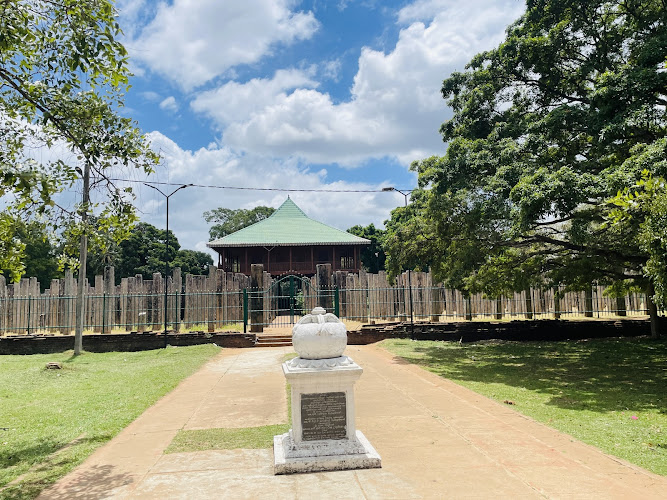
Lovamahapaya | ලෝවාමහාපාය
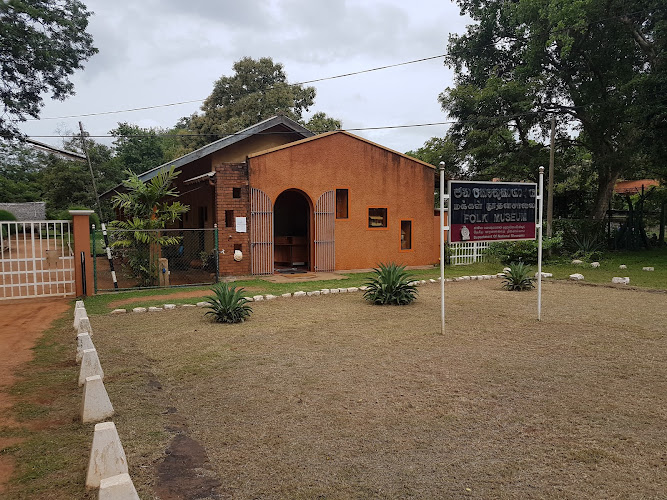
Folk Museum
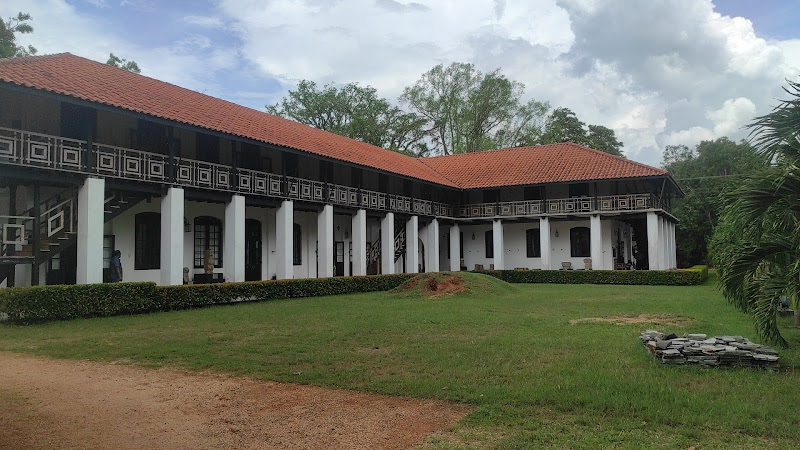
Archaeological Museum, Anuradhapura
Find Accommodations Nearby
Recommended Tours & Activities
Visitor Reviews
There are no reviews yet. Be the first one to write one.
Share Your Experience
Have you visited Ruwanweli Maha Seya? Help other travelers by leaving a review.