
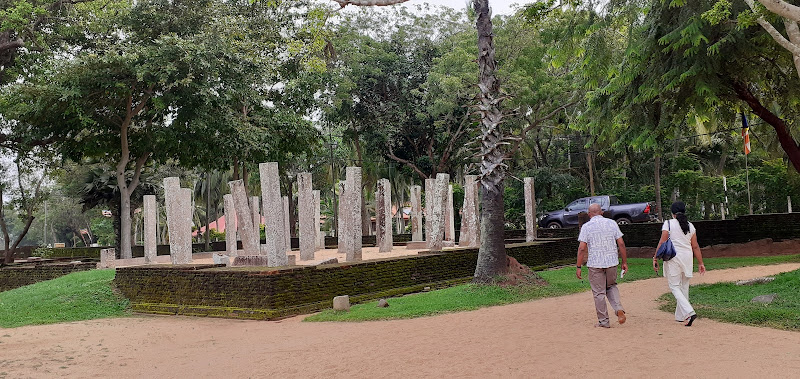
Anuradhapura Unesco Signage
About Anuradhapura Unesco Signage
Description
So, you’ve found yourself wandering the ancient city of Anuradhapura, Sri Lanka, and you stumble across those UNESCO Signage spots—maybe not what you’d expect to be wowed by, right? But let’s pause for a second: these signs, scattered with intention across the ruins, are more than just info boards or selfie backdrops. For someone like me (who honestly gets lost more often than I care to admit), these UNESCO markings are lifesavers, breadcrumbs back into the past, and moments of pause that slow you down in the best possible way.
What sets the UNESCO Signage in Anuradhapura apart, really, is how they draw you deeper into the story—not in a boring, textbook kind of way, but through quirky, sometimes poetic snippets about each sacred tree, stone relic, or forgotten artifact. These aren’t your run-of-the-mill, slapdash tourist boards. They’re like friendly guides—silent, yes, but brimming with the kind of insight that makes you stop and catch your breath for a second (even if it is just from the sun beating down). They point out bits you’d easily miss; the tiny inscription worn away by centuries, or the Buddha statue that gazes back so serenely you forget your sunburn.
And, let’s not beat around the bush: navigating a place like Anuradhapura—where maps look like inscrutable spaghettis of monuments—is overwhelming. The signage keeps you grounded, hands you context when you need it most, and respects your curiosity, whether you’re nine-on-a-school-trip or a history buff who planned this day with spreadsheets. Even when kids start to meltdown because they’re hungry or tired, these friendly UNESCO posts give them (and you!) a mini destination to look forward to—“Just one more sign, then we’ll find ice-cream.” I’ve, uh, used that technique myself.
No, you won’t leave Anuradhapura raving about a sign. But you will leave with more than just selfies and dust in your shoes—a few “Aha!” moments sparked by the thoughtful placement of these markers, and a growing appreciation for a place treasured across centuries.
Key Features
- Rich Context: The signage doesn’t simply list facts—it weaves together stories, legends, and sometimes wit to help you connect with ancient Sri Lankan heritage. Great for those who want to feel the pulse of history rather than just scan bullet points.
- Multilingual Information: You’ll often find details in English, Sinhala, and Tamil, making the stories accessible to everyone. As a language geek myself, I absolutely love seeing places pay attention to inclusivity.
- Strategic Placement: The signs are thoughtfully installed at significant archaeological sites, so you won’t miss the most iconic (or the most peculiar) spots even if you wander off-course for a bit.
- Kid-Friendly Content: With simple language and sometimes engaging illustrations, even younger tourists can get the gist of Anuradhapura’s ancient tales. It brings a little fun to the family outing without requiring a lecture.
- High Durability: Built to withstand tropical downpours and burning sun, the signage maintains clear visibility for years. I’ve trekked back years later and found the same boards still standing proud.
- Maps and Directions: Some signs provide helpful mini-maps or arrows pointing towards the nearest rest area, temple, or toilet (seriously underrated when you’ve walked miles on end!).
- Photogenic Markers: Okay, confession: I *do* love a photo with a well-designed UNESCO sign for the travel album. It’s like a badge of honor. You’ll find these markers make potent backdrops for memory-making snaps.
Best Time to Visit
Can I give you a piece of honest, perhaps slightly grumpy advice? Pick your timing with care—Sri Lanka’s heat is no joke, and Anuradhapura likes to embrace you with a warm, sometimes sweltering, hug. Most folks (myself included) prefer visiting between December and April, when rains back off and you can roam without turning into a puddle.
Early mornings are nothing short of magical here. Dew sparkles, light slants through the dagobas, and tour buses haven’t disgorged their hordes yet. If you have little ones or older folks with you, absolutely aim for sunrise—the sun is friendlier, and you’ll share the ruins with chipper birds instead of crowds.
If you roll in during the monsoon (May to September), you might find the greenery at its lushest, though you’ll need to dodge an afternoon deluge or three. That said, there’s a strong appeal in the quieter vibe post-shower, though your shoes might get a bit muddy. For those who love some drama in their clouds (and aren’t picky about wet socks), this can actually be the best time.
How to Get There
Alright, let’s demystify the journey. Anuradhapura’s not some remote jungle fortress; it’s surprisingly well-linked up. If you’re the train type, hop on from Colombo Fort—it’s a scenic ride past fields, rivers, and little stations, though don’t expect bullet-train speeds. On my last ride, a local grandpa insisted I share his string hoppers for breakfast, so, you know, be open to those lovely surprises.
Buses run like clockwork—but a word to the wise: invest in an express ticket if you value your kneecaps. Standing room only is a rite of passage, but maybe not so much after a long-haul flight.
Private taxis or hired cars are available, but—I’ll shoot straight—drive times can stretch with traffic. If you can, snag a driver who doubles as a guide; some know hidden temples and shortcut tales the ordinary traveler misses.
Once you arrive, the UNESCO signage is scattered across the ancient city’s grounds—Sanctuary area, Sacred Bo Tree, Ruwanwelisaya, Isurumuniya Temple, and beyond. In fact, half the adventure is seeking them out. You could bike between spots (super popular, totally worth it if your legs are up for it!) or rent an electric tuk-tuk for shade and giggles.
Tips for Visiting
- Stay Hydrated: Seriously, bring water—lots. Even the signage will remind you, in so many words, that dehydration can sneak up on you when you’re gawking at ruins.
- Don’t Rush: I know everyone says it, but really—take your time at each sign. The magic is partly in the details you’d gloss over otherwise. Whenever I lingered and chatted with locals near the signage, I ended up discovering cool personal stories.
- Read Between the Lines: Some tidbits are subtle and reference myths or folklore. Don’t hesitate to snap a photo of the details to google later or ask a guide for backstory.
- Mind the Dress Code: The ruins are sacred space, so keep shoulders and knees covered. The signage includes gentle reminders, but pack a shawl or sarong just in case—you’ll thank me later.
- Combine With a Guided Tour: If you’re hungry for more, consider pairing your wander with a local guide. They riff off the UNESCO info and will plug in the local flavor you crave.
- Photography Etiquette: While most signage is fair game for snapping, some religious relics nearby might not be. Ask first, or look for a little sticker indicating what’s okay. Trust me—an awkward moment can be avoided with a quick thumbs-up to a guard.
- Pace Yourself with Kids: Anuradhapura is sprawling and hot. Plan snack and shade stops, and use the signage as built-in goalposts to keep kids entertained and engaged. I’ve seen patient parents turn sign-reading into a scavenger hunt. Genius.
- Protect from the Sun: Hats, sunscreen, and sunglasses go a long way toward warding off “ruin fatigue.” You’ll cover more ground (and read more fascinating signs) if you’re not battling sunstroke.
- Journal Your Discoveries: Bring a notebook or use your phone to jot down facts or feelings that strike you at each marker. The info here sticks with you more when you write it down, at least in my experience.
- Eco-Friendly Matters: Respect the grounds—don’t lean or place bags on the signs. It preserves them for future curious minds (and avoids grumpy glances from wardens).
Visiting the UNESCO Signage in Anuradhapura is really a matter of letting yourself be invited into the story of a civilization. Approach these markers not just as waypoints, but as conversation starters—with yourself, your travel buddies, or even a local guide who decides to fill you in on what didn’t make it to the plaque
Key Features
- Key Features
- Best Time to Visit
- How to Get There
- Tips for Visiting
More Details
Updated June 8, 2025
Table of Contents
Description
So, you’ve found yourself wandering the ancient city of Anuradhapura, Sri Lanka, and you stumble across those UNESCO Signage spots—maybe not what you’d expect to be wowed by, right? But let’s pause for a second: these signs, scattered with intention across the ruins, are more than just info boards or selfie backdrops. For someone like me (who honestly gets lost more often than I care to admit), these UNESCO markings are lifesavers, breadcrumbs back into the past, and moments of pause that slow you down in the best possible way.
What sets the UNESCO Signage in Anuradhapura apart, really, is how they draw you deeper into the story—not in a boring, textbook kind of way, but through quirky, sometimes poetic snippets about each sacred tree, stone relic, or forgotten artifact. These aren’t your run-of-the-mill, slapdash tourist boards. They’re like friendly guides—silent, yes, but brimming with the kind of insight that makes you stop and catch your breath for a second (even if it is just from the sun beating down). They point out bits you’d easily miss; the tiny inscription worn away by centuries, or the Buddha statue that gazes back so serenely you forget your sunburn.
And, let’s not beat around the bush: navigating a place like Anuradhapura—where maps look like inscrutable spaghettis of monuments—is overwhelming. The signage keeps you grounded, hands you context when you need it most, and respects your curiosity, whether you’re nine-on-a-school-trip or a history buff who planned this day with spreadsheets. Even when kids start to meltdown because they’re hungry or tired, these friendly UNESCO posts give them (and you!) a mini destination to look forward to—“Just one more sign, then we’ll find ice-cream.” I’ve, uh, used that technique myself.
No, you won’t leave Anuradhapura raving about a sign. But you will leave with more than just selfies and dust in your shoes—a few “Aha!” moments sparked by the thoughtful placement of these markers, and a growing appreciation for a place treasured across centuries.
Key Features
- Rich Context: The signage doesn’t simply list facts—it weaves together stories, legends, and sometimes wit to help you connect with ancient Sri Lankan heritage. Great for those who want to feel the pulse of history rather than just scan bullet points.
- Multilingual Information: You’ll often find details in English, Sinhala, and Tamil, making the stories accessible to everyone. As a language geek myself, I absolutely love seeing places pay attention to inclusivity.
- Strategic Placement: The signs are thoughtfully installed at significant archaeological sites, so you won’t miss the most iconic (or the most peculiar) spots even if you wander off-course for a bit.
- Kid-Friendly Content: With simple language and sometimes engaging illustrations, even younger tourists can get the gist of Anuradhapura’s ancient tales. It brings a little fun to the family outing without requiring a lecture.
- High Durability: Built to withstand tropical downpours and burning sun, the signage maintains clear visibility for years. I’ve trekked back years later and found the same boards still standing proud.
- Maps and Directions: Some signs provide helpful mini-maps or arrows pointing towards the nearest rest area, temple, or toilet (seriously underrated when you’ve walked miles on end!).
- Photogenic Markers: Okay, confession: I *do* love a photo with a well-designed UNESCO sign for the travel album. It’s like a badge of honor. You’ll find these markers make potent backdrops for memory-making snaps.
Best Time to Visit
Can I give you a piece of honest, perhaps slightly grumpy advice? Pick your timing with care—Sri Lanka’s heat is no joke, and Anuradhapura likes to embrace you with a warm, sometimes sweltering, hug. Most folks (myself included) prefer visiting between December and April, when rains back off and you can roam without turning into a puddle.
Early mornings are nothing short of magical here. Dew sparkles, light slants through the dagobas, and tour buses haven’t disgorged their hordes yet. If you have little ones or older folks with you, absolutely aim for sunrise—the sun is friendlier, and you’ll share the ruins with chipper birds instead of crowds.
If you roll in during the monsoon (May to September), you might find the greenery at its lushest, though you’ll need to dodge an afternoon deluge or three. That said, there’s a strong appeal in the quieter vibe post-shower, though your shoes might get a bit muddy. For those who love some drama in their clouds (and aren’t picky about wet socks), this can actually be the best time.
How to Get There
Alright, let’s demystify the journey. Anuradhapura’s not some remote jungle fortress; it’s surprisingly well-linked up. If you’re the train type, hop on from Colombo Fort—it’s a scenic ride past fields, rivers, and little stations, though don’t expect bullet-train speeds. On my last ride, a local grandpa insisted I share his string hoppers for breakfast, so, you know, be open to those lovely surprises.
Buses run like clockwork—but a word to the wise: invest in an express ticket if you value your kneecaps. Standing room only is a rite of passage, but maybe not so much after a long-haul flight.
Private taxis or hired cars are available, but—I’ll shoot straight—drive times can stretch with traffic. If you can, snag a driver who doubles as a guide; some know hidden temples and shortcut tales the ordinary traveler misses.
Once you arrive, the UNESCO signage is scattered across the ancient city’s grounds—Sanctuary area, Sacred Bo Tree, Ruwanwelisaya, Isurumuniya Temple, and beyond. In fact, half the adventure is seeking them out. You could bike between spots (super popular, totally worth it if your legs are up for it!) or rent an electric tuk-tuk for shade and giggles.
Tips for Visiting
- Stay Hydrated: Seriously, bring water—lots. Even the signage will remind you, in so many words, that dehydration can sneak up on you when you’re gawking at ruins.
- Don’t Rush: I know everyone says it, but really—take your time at each sign. The magic is partly in the details you’d gloss over otherwise. Whenever I lingered and chatted with locals near the signage, I ended up discovering cool personal stories.
- Read Between the Lines: Some tidbits are subtle and reference myths or folklore. Don’t hesitate to snap a photo of the details to google later or ask a guide for backstory.
- Mind the Dress Code: The ruins are sacred space, so keep shoulders and knees covered. The signage includes gentle reminders, but pack a shawl or sarong just in case—you’ll thank me later.
- Combine With a Guided Tour: If you’re hungry for more, consider pairing your wander with a local guide. They riff off the UNESCO info and will plug in the local flavor you crave.
- Photography Etiquette: While most signage is fair game for snapping, some religious relics nearby might not be. Ask first, or look for a little sticker indicating what’s okay. Trust me—an awkward moment can be avoided with a quick thumbs-up to a guard.
- Pace Yourself with Kids: Anuradhapura is sprawling and hot. Plan snack and shade stops, and use the signage as built-in goalposts to keep kids entertained and engaged. I’ve seen patient parents turn sign-reading into a scavenger hunt. Genius.
- Protect from the Sun: Hats, sunscreen, and sunglasses go a long way toward warding off “ruin fatigue.” You’ll cover more ground (and read more fascinating signs) if you’re not battling sunstroke.
- Journal Your Discoveries: Bring a notebook or use your phone to jot down facts or feelings that strike you at each marker. The info here sticks with you more when you write it down, at least in my experience.
- Eco-Friendly Matters: Respect the grounds—don’t lean or place bags on the signs. It preserves them for future curious minds (and avoids grumpy glances from wardens).
Visiting the UNESCO Signage in Anuradhapura is really a matter of letting yourself be invited into the story of a civilization. Approach these markers not just as waypoints, but as conversation starters—with yourself, your travel buddies, or even a local guide who decides to fill you in on what didn’t make it to the plaque
Key Highlights
- Key Features
- Best Time to Visit
- How to Get There
- Tips for Visiting
Location
Places to Stay Near Anuradhapura Unesco Signage
Find and Book a Tour
Explore More Travel Guides
No reviews found! Be the first to review!
Traveler Reviews for Anuradhapura Unesco Signage
There are no reviews yet. Be the first one to write one.
Have you visited Anuradhapura Unesco Signage? Help other travelers by sharing your review.
You Might Also Like
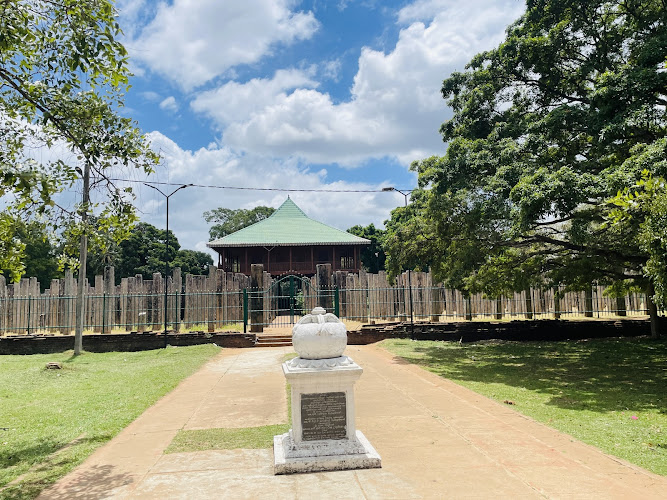
Lovamahapaya | ලෝවාමහාපාය
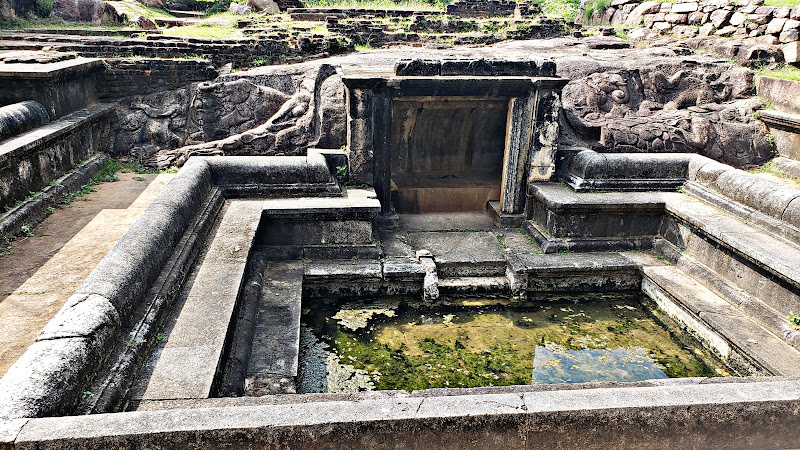
Ranmasu Uyana (Royal Park)
Perimiyankulama New Bridge
Find Accommodations Nearby
Recommended Tours & Activities
Visitor Reviews
There are no reviews yet. Be the first one to write one.
Share Your Experience
Have you visited Anuradhapura Unesco Signage? Help other travelers by leaving a review.