
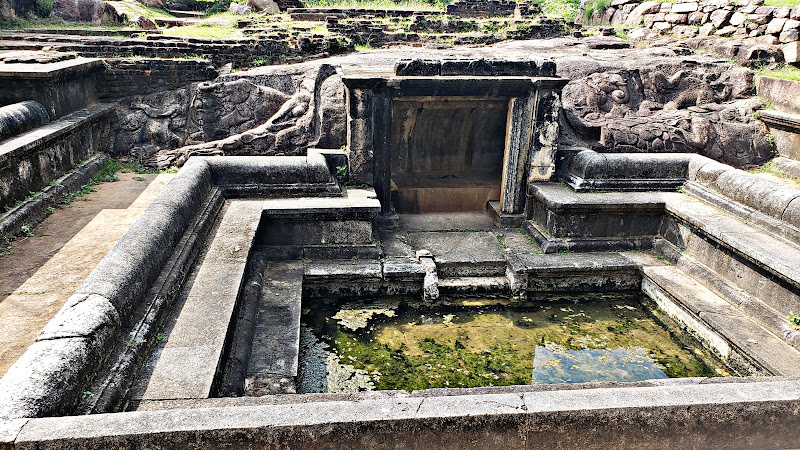
Ranmasu Uyana (Royal Park)
About Ranmasu Uyana (Royal Park)
Description
Let’s talk about Ranmasu Uyana—yeah, that mouthful translates to “Royal Park” but, I promise, it’s got a lot more spice than your average garden stroll. This place, smack in Anuradhapura, practically hums with age and history, in that way only a truly ancient site can. Now, you might wander through palaces or modern city parks and think you’ve “seen it all,” but walking through Ranmasu Uyana? Whole different vibe. These are not just fancy old rocks (though you’ll find plenty of those)—it’s a living testament to the sophistication Sri Lankan kings brought to leisure and spirituality, centuries before smart phones and air-conditioning.
Even before you pass through the time-worn entrance, you can feel that hush, almost respectful silence that hovers around places where centuries stack up. Stuff here dates back to the 3rd century BCE (yup, that’s more than 2,000 years ago—makes your grandma's old photo album seem pretty recent). The park was the exclusive playground of royals—imagine that, swanning around amid meticulously carved stone bathing ponds, lush gardens, and mystical etchings, while your subjects busied themselves outside.
But don’t expect Versailles perfection or English roses. Ranmasu Uyana has a golden wildness—a mix of ancient ingenuity and natural overgrowth that feels right, like nature and history holding hands. The park’s main draw? The enigmatic Sakwala Chakraya, this circular stone carving that’s the subject of enough UFO and ancient code theories to fill a Netflix docuseries. Stand before it in person, and even a cynic’s gonna get goosebumps—there’s just something otherworldly about it.
Got kids? They’ll love mucking about the open space (just remind 'em not to climb where they shouldn’t). Wheelchair users, unfortunately, will find the terrain challenging—the ancient steps, unpaved paths, and boulders aren’t very accommodating. But for the able-bodied, every corner’s an archaeology lover’s dream. I swear, the air almost tastes of ancient secrets (or maybe that’s just the dry zone’s dust—who can say?).
For me, wandering those weathered paths under towering trees, discovering leftover ruins and listening to birdsong echoing the past—felt less like visiting a tourist attraction, more like strolling through a living, breathing relic. It isn’t all shiny, scrubbed, and over-explained. Nope, Ranmasu Uyana lets you fill in the blanks with your own imagination. Isn’t that what travel is all about?
Key Features
- Ancient Royal Baths: Ingenious hydraulic engineering—think of them as the swanky swimming pools of Sri Lanka’s old kings. I’m convinced they knew a thing or two about chilling in style.
- Sakwala Chakraya: This is the crowd-puller, folks. A mysterious circle of symbols etched into a stone slab—you’ll hear everything from “ancient map of the universe” to “early sci-fi doodle” as theories. Stand here, debate with your travel buddies, and let your mind wander (Aliens? Lost knowledge? Who really knows?).
- Lush Greenery and Wildlife: I spotted monkeys, a riot of birds, and (warn your snack-carrying kids) some very enterprising squirrels. The greenery’s thicker in the rainy months, which is stunning if you don’t mind the odd muddy patch.
- Discreet Ruins: Scattered around are remains of pavilions, garden paths, and perhaps centuries-old daydreams. Let yourself get a little lost—it’s the best way to discover tucked-away gems.
- Quiet Corners for Reflection: Unlike crowded temples or markets, you’ll actually find silent pockets—perfect for solo thinking, sketching, or just zoning out under the shadows.
- Historical Markers (but Not Overdone): There’s enough signage to guide you, but not so much that you feel like you’re reading a textbook instead of soaking it all up with your senses.
What sets Ranmasu Uyana apart, at least in my opinion? It’s that rare combo of raw history and natural beauty, blended so you feel the centuries—yet, the stories aren’t spoon-fed. You’ve got to lean in, listen, and maybe get a little dirt on your shoes.
Best Time to Visit
Okay, let’s get real—you do not want to bake in the harsh Anuradhapura midday sun with nothing but a straw hat and optimism for company. Instead, plan your visit in the early morning or late afternoon. The light’s softer, the temperature way more forgiving, and you’re more likely to get those magical ‘nobody else here’ moments.
Rainy season in this part of Sri Lanka typically runs from October to January. The upside? Fresher greenery, clearer reflective pools, all that good stuff. Downside? Potentially slippery paths (so, pack grippy shoes). The dry season, from May to September, makes for easier walking—though bring a water bottle unless you want to wilt faster than week-old basil.
If I were you, I’d aim for a weekday, maybe Tuesday or Wednesday, when the crowd’s thinner and you can channel your inner explorer without someone’s selfie stick photobombing you every minute. Any local festival or public holiday, though, and you’ll have lots of company—like, lots. Up to you what sort of energy you want!
How to Get There
First thing: Ranmasu Uyana finds itself right near Lanka’s crown-jewel city of Anuradhapura. If you’re kicking around Anuradhapura town—maybe you just gawked at Thuparamaya or Jetavanaramaya—this site is just a hop and a skip away (not literally, but it’s close!).
By Car or Tuk-Tuk: Easiest choice. Hire a tuk-tuk from central Anuradhapura and tell the driver ‘Ranmasu Uyana.’ These folks know the spot—you’ll likely pay a fair fare and enjoy the breeze. Parking’s available for cars too, though spaces fill up quickly on busy days.
By Bicycle: Super popular and, honestly, my favorite. Bike rentals are everywhere in Anuradhapura. The ride to Ranmasu Uyana is mostly flat and scenic—watch for the occasional monkey darting across the path. Plus, you can stop on a whim to snap photos or wander any temple that catches your fancy.
On Foot: If you’re staying near the ancient city, you can totally walk here. Just don’t try it in that midday sun—seriously. Hat, sunscreen, and plenty of water recommended!
Buses run along the main roads, but honestly, you’ll still have to march a bit from the closest stop. In my view? Get yourself a tuk-tuk, or pedal over for the full adventure.
Tips for Visiting
- Bring Water and Sun Protection: Seriously, it gets hot, and shade doesn’t always show up when you need it. A big hat, loads of sunscreen, and at least a bottle or two of water are essential.
- Mind Your Footwear: The paths are often uneven, with sneaky stone steps and roots doing their best to trip distracted explorers. Wear sturdy shoes you don’t mind getting dusty.
- Respect the Site: Yes, it’s beautiful and Instagram-worthy, but remember you’re walking through an ancient royal park—act like you’re a guest in someone’s home (a 2,000-year-old home).
- Kids Will Love It—But Supervise: Let them run, marvel, and play, but keep a close eye near water features and steep drops.
- Plan for Minimal Facilities: Don’t expect cafes, souvenir stalls, or modern bathrooms on site. It’s an archeological oasis more than a touristy hotspot. Bring a snack if you need, and take your rubbish out with you.
- Peak Season is BUSY: You’ll see bigger crowds during holidays and festival weeks. I personally prefer the quieter off-peak times for a more personal feel.
- Photography is Welcome, but do take a moment to put your camera down and just be in the moment—that circle of carved symbols? Worth soaking up with your own two eyes first.
- Guides Available: If you’re curious about
Key Features
- Key Features
- Best Time to Visit
- How to Get There
- Tips for Visiting
More Details
Updated June 9, 2025
Table of Contents
Description
Let’s talk about Ranmasu Uyana—yeah, that mouthful translates to “Royal Park” but, I promise, it’s got a lot more spice than your average garden stroll. This place, smack in Anuradhapura, practically hums with age and history, in that way only a truly ancient site can. Now, you might wander through palaces or modern city parks and think you’ve “seen it all,” but walking through Ranmasu Uyana? Whole different vibe. These are not just fancy old rocks (though you’ll find plenty of those)—it’s a living testament to the sophistication Sri Lankan kings brought to leisure and spirituality, centuries before smart phones and air-conditioning.
Even before you pass through the time-worn entrance, you can feel that hush, almost respectful silence that hovers around places where centuries stack up. Stuff here dates back to the 3rd century BCE (yup, that’s more than 2,000 years ago—makes your grandma’s old photo album seem pretty recent). The park was the exclusive playground of royals—imagine that, swanning around amid meticulously carved stone bathing ponds, lush gardens, and mystical etchings, while your subjects busied themselves outside.
But don’t expect Versailles perfection or English roses. Ranmasu Uyana has a golden wildness—a mix of ancient ingenuity and natural overgrowth that feels right, like nature and history holding hands. The park’s main draw? The enigmatic Sakwala Chakraya, this circular stone carving that’s the subject of enough UFO and ancient code theories to fill a Netflix docuseries. Stand before it in person, and even a cynic’s gonna get goosebumps—there’s just something otherworldly about it.
Got kids? They’ll love mucking about the open space (just remind ’em not to climb where they shouldn’t). Wheelchair users, unfortunately, will find the terrain challenging—the ancient steps, unpaved paths, and boulders aren’t very accommodating. But for the able-bodied, every corner’s an archaeology lover’s dream. I swear, the air almost tastes of ancient secrets (or maybe that’s just the dry zone’s dust—who can say?).
For me, wandering those weathered paths under towering trees, discovering leftover ruins and listening to birdsong echoing the past—felt less like visiting a tourist attraction, more like strolling through a living, breathing relic. It isn’t all shiny, scrubbed, and over-explained. Nope, Ranmasu Uyana lets you fill in the blanks with your own imagination. Isn’t that what travel is all about?
Key Features
- Ancient Royal Baths: Ingenious hydraulic engineering—think of them as the swanky swimming pools of Sri Lanka’s old kings. I’m convinced they knew a thing or two about chilling in style.
- Sakwala Chakraya: This is the crowd-puller, folks. A mysterious circle of symbols etched into a stone slab—you’ll hear everything from “ancient map of the universe” to “early sci-fi doodle” as theories. Stand here, debate with your travel buddies, and let your mind wander (Aliens? Lost knowledge? Who really knows?).
- Lush Greenery and Wildlife: I spotted monkeys, a riot of birds, and (warn your snack-carrying kids) some very enterprising squirrels. The greenery’s thicker in the rainy months, which is stunning if you don’t mind the odd muddy patch.
- Discreet Ruins: Scattered around are remains of pavilions, garden paths, and perhaps centuries-old daydreams. Let yourself get a little lost—it’s the best way to discover tucked-away gems.
- Quiet Corners for Reflection: Unlike crowded temples or markets, you’ll actually find silent pockets—perfect for solo thinking, sketching, or just zoning out under the shadows.
- Historical Markers (but Not Overdone): There’s enough signage to guide you, but not so much that you feel like you’re reading a textbook instead of soaking it all up with your senses.
What sets Ranmasu Uyana apart, at least in my opinion? It’s that rare combo of raw history and natural beauty, blended so you feel the centuries—yet, the stories aren’t spoon-fed. You’ve got to lean in, listen, and maybe get a little dirt on your shoes.
Best Time to Visit
Okay, let’s get real—you do not want to bake in the harsh Anuradhapura midday sun with nothing but a straw hat and optimism for company. Instead, plan your visit in the early morning or late afternoon. The light’s softer, the temperature way more forgiving, and you’re more likely to get those magical ‘nobody else here’ moments.
Rainy season in this part of Sri Lanka typically runs from October to January. The upside? Fresher greenery, clearer reflective pools, all that good stuff. Downside? Potentially slippery paths (so, pack grippy shoes). The dry season, from May to September, makes for easier walking—though bring a water bottle unless you want to wilt faster than week-old basil.
If I were you, I’d aim for a weekday, maybe Tuesday or Wednesday, when the crowd’s thinner and you can channel your inner explorer without someone’s selfie stick photobombing you every minute. Any local festival or public holiday, though, and you’ll have lots of company—like, lots. Up to you what sort of energy you want!
How to Get There
First thing: Ranmasu Uyana finds itself right near Lanka’s crown-jewel city of Anuradhapura. If you’re kicking around Anuradhapura town—maybe you just gawked at Thuparamaya or Jetavanaramaya—this site is just a hop and a skip away (not literally, but it’s close!).
By Car or Tuk-Tuk: Easiest choice. Hire a tuk-tuk from central Anuradhapura and tell the driver ‘Ranmasu Uyana.’ These folks know the spot—you’ll likely pay a fair fare and enjoy the breeze. Parking’s available for cars too, though spaces fill up quickly on busy days.
By Bicycle: Super popular and, honestly, my favorite. Bike rentals are everywhere in Anuradhapura. The ride to Ranmasu Uyana is mostly flat and scenic—watch for the occasional monkey darting across the path. Plus, you can stop on a whim to snap photos or wander any temple that catches your fancy.
On Foot: If you’re staying near the ancient city, you can totally walk here. Just don’t try it in that midday sun—seriously. Hat, sunscreen, and plenty of water recommended!
Buses run along the main roads, but honestly, you’ll still have to march a bit from the closest stop. In my view? Get yourself a tuk-tuk, or pedal over for the full adventure.
Tips for Visiting
- Bring Water and Sun Protection: Seriously, it gets hot, and shade doesn’t always show up when you need it. A big hat, loads of sunscreen, and at least a bottle or two of water are essential.
- Mind Your Footwear: The paths are often uneven, with sneaky stone steps and roots doing their best to trip distracted explorers. Wear sturdy shoes you don’t mind getting dusty.
- Respect the Site: Yes, it’s beautiful and Instagram-worthy, but remember you’re walking through an ancient royal park—act like you’re a guest in someone’s home (a 2,000-year-old home).
- Kids Will Love It—But Supervise: Let them run, marvel, and play, but keep a close eye near water features and steep drops.
- Plan for Minimal Facilities: Don’t expect cafes, souvenir stalls, or modern bathrooms on site. It’s an archeological oasis more than a touristy hotspot. Bring a snack if you need, and take your rubbish out with you.
- Peak Season is BUSY: You’ll see bigger crowds during holidays and festival weeks. I personally prefer the quieter off-peak times for a more personal feel.
- Photography is Welcome, but do take a moment to put your camera down and just be in the moment—that circle of carved symbols? Worth soaking up with your own two eyes first.
-
Guides Available: If you’re curious about
Key Highlights
- Key Features
- Best Time to Visit
- How to Get There
- Tips for Visiting
Location
Places to Stay Near Ranmasu Uyana (Royal Park)
Find and Book a Tour
Explore More Travel Guides
No reviews found! Be the first to review!
Traveler Reviews for Ranmasu Uyana (Royal Park)
There are no reviews yet. Be the first one to write one.
Have you visited Ranmasu Uyana (Royal Park)? Help other travelers by sharing your review.
You Might Also Like
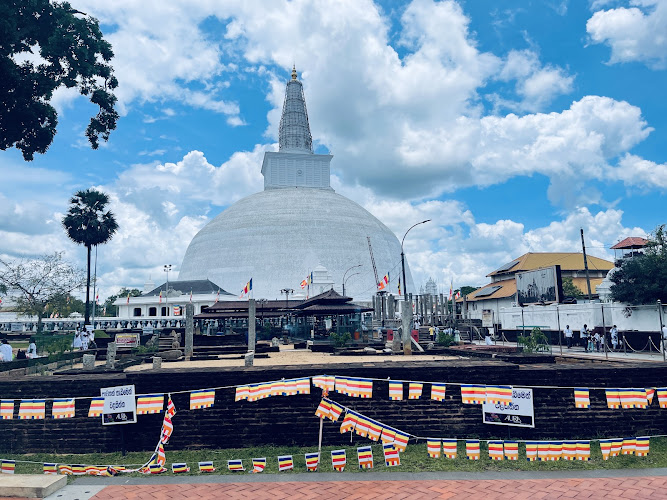
Maha Viharaya, Anuradhapura
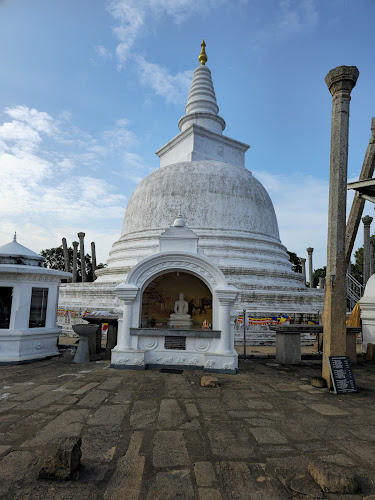
Thuparamaya
Perimiyankulama New Bridge
Find Accommodations Nearby
Recommended Tours & Activities
Visitor Reviews
There are no reviews yet. Be the first one to write one.
Share Your Experience
Have you visited Ranmasu Uyana (Royal Park)? Help other travelers by leaving a review.