
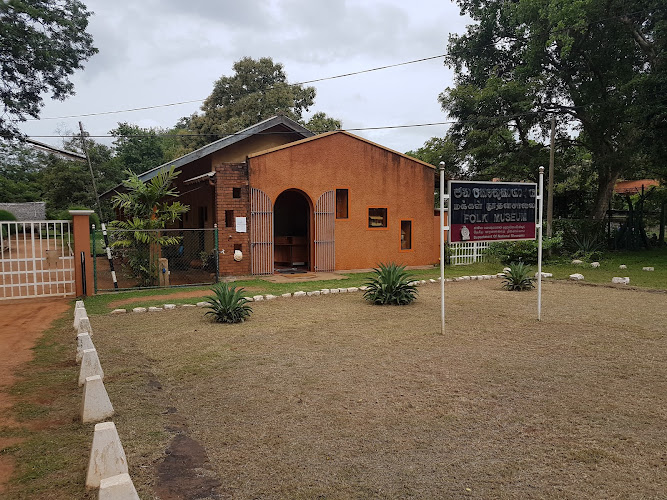
Folk Museum
About Folk Museum
Description
Ever wanted to tumble straight into the pages of history rather than just flipping them? For me, the Folk Museum in Anuradhapura was that feeling incarnate. I’ll admit, I’m quite the museum enthusiast—the kind who lingers, reads every label, and, yes, probably annoys travel companions. This place didn’t disappoint. It’s not flashy or overwhelming; instead, it’s the sort of understated spot where ancient daily life quietly whispers to you. Not the tourist-stuffed hub you might fear. I’ve noticed it attracts curious wanderers and families more keen on authenticity than frantic photo ops.
A highlight for me personally is how unapologetically real everything feels. The Folk Museum focuses on rural Sri Lankan heritage, with artifacts reflecting the agricultural soul of the region—think farming tools, pottery, and household items, many of which date back generations. You aren’t just learning about history; you’re kind of standing in the middle of it. Don’t expect golden thrones or Hollywood drama. Do expect woven mats, carved wooden utensils, and even ancient children’s toys that my grandparents would have recognized—which, by the way, is a wild thing to witness up close.
Parents: this spot’s a deal for children who love to poke at things and ask questions—there’s just enough tactile exhibits and kid-focused explanations to keep them swapping their screens for some real-world fascination. And folks with mobility needs won’t find the usual hurdles; the entrance and parking lot are wheelchair accessible. Thoughtful, right?
Sure, it’s no palace. You’ll sometimes spot a display needing a dust and interpretive signs with a typo or two. The museum is a little time-worn in places, but frankly, it fits the theme. Maybe it’s just me, but I prefer honest edges over sterile perfection.
Key Features
- Authentic Rural Artifacts: From battered plows to ornate household items, get a slice-of-life peek at how villagers lived, worked, and played decades—or centuries—ago.
- Interactive Displays for Kids: Designed for curious hands and short attention spans, several exhibits welcome little explorers (and probably a few grown ones, if we’re honest).
- Wheelchair Accessible: No awkward steps or surprise obstacles—just an even path right in, with accessible parking close by.
- Cultural Interpretation: Labels and occasional guides explain the why behind each artifact—sometimes a little wonky in translation, but always full of heart and quirky local flavour.
- Tranquil Atmosphere: Sheltered from the city’s buzz, it’s actually peaceful—a breather for reflection, wandering, and slow travel at its best.
- Spacious Interiors: Even on busier days, you won’t feel squished by crowds; plenty of space to stand still and take it all in.
- Family-Friendly Experience: The focus on daily life is a winner for all ages—no bored kids juggling with parents’ phones here.
- No Onsite Restaurant: Small note: you won’t find a café or snack shack inside. Plan ahead—maybe pack a bottle of water and a granola bar in your bag.
Best Time to Visit
If you ask me, and you sort of are, I’d swing by the Folk Museum either early in the morning or late afternoon. The light’s softer, fewer crowds shuffle through (even on weekends), and the whole place takes on a hush that feels invitingly old world. Anuradhapura’s weather—let’s not dance around it—can run hot and sticky, especially around midday. While the museum’s interiors offer relief from the blazing sun, you’ll probably appreciate cooler temps if you’re the type, like me, who starts melting above 30°C.
Peak travel season, around January to April, gets busier, but truth be told, you’ll rarely find yourself fighting for elbow room. If you love wandering with time on your hands (and a notepad or sketchbook in the other), weekdays are golden. And for big festival-goers—with Sri Lankan New Year in April, you might see bonus local activity and cultural vibes in and around the museum.
How to Get There
So, practicalities. If you’re already within Anuradhapura, hopping into a tuk-tuk is hands down the easiest route. Drivers know the Folk Museum well—no wild goose chases, promise. Traveling from Colombo or a bit farther afield? Trains drop you at the main Anuradhapura station, then you’re a 10-15 minute ride from there. I once made the mistake of thinking I could walk from the city center, and while doable, I’d only recommend it if you love a good, ambling stroll and don’t mind the heat. And hydrate, always hydrate.
Some travel guides will try to nudge you toward guided tours; honestly, unless you adore history professors (nothing against them!), going solo or with a small group is just as immersive. Parking is straightforward, if a little basic—no underground luxury here, but plenty of space for cars and scooters out front.
Tips for Visiting
First up: bring snacks! As much as I dream of museums with aromatic coffee wafting from an onsite café, you’ll have to step outside for food and drinks. Best bet? Eat before you arrive or keep some nibbles handy. And if you’re traveling with kids or anyone who likes to ‘hangry’ at the drop of a hat, you’ll thank me for this advice later.
Photos? Yes, but be respectful—some display areas are sensitive, especially religious or ancestral items. I’ve seen a few folks get politely shooed away for overzealous flashes, so it’s worth checking signage or asking at the desk before you start snapping everything.
Comfort is king (or queen). Forget heels—opt for easy walking shoes or sandals. The grounds aren’t huge but you’ll be on your feet, and uneven floors have tripped up more than one unsuspecting visitor. Bring water, especially in the dry season, because humidity sneaks up faster than you expect. A lightweight shirt and sunglasses do wonders for the stroll to and from your ride; you don’t want to look sun-frazzled in your travel photos—trust me.
If you’re a history buff, jot down a few questions ahead of time. Staff and guides are usually chatty and genuinely passionate about their culture, but shy until you break the ice. And if you have any accessibility needs, there’s no need to call ahead unless you want extra assurance—facilities are solid and up to date.
Allow an hour, maybe two if you’re the deeply curious sort (or just love to linger in cool, quiet rooms). Oh, and leave a tiny bit of room in your itinerary for spontaneous moments—a chat with the custodian about her grandfather’s farming days, perhaps, or a sudden urge to try sketching a clay pot by hand. That’s honestly where the best travel moments sneak in.
Key Features
- Key Features
- Best Time to Visit
- How to Get There
- Tips for Visiting
More Details
Updated June 8, 2025
Table of Contents
Description
Ever wanted to tumble straight into the pages of history rather than just flipping them? For me, the Folk Museum in Anuradhapura was that feeling incarnate. I’ll admit, I’m quite the museum enthusiast—the kind who lingers, reads every label, and, yes, probably annoys travel companions. This place didn’t disappoint. It’s not flashy or overwhelming; instead, it’s the sort of understated spot where ancient daily life quietly whispers to you. Not the tourist-stuffed hub you might fear. I’ve noticed it attracts curious wanderers and families more keen on authenticity than frantic photo ops.
A highlight for me personally is how unapologetically real everything feels. The Folk Museum focuses on rural Sri Lankan heritage, with artifacts reflecting the agricultural soul of the region—think farming tools, pottery, and household items, many of which date back generations. You aren’t just learning about history; you’re kind of standing in the middle of it. Don’t expect golden thrones or Hollywood drama. Do expect woven mats, carved wooden utensils, and even ancient children’s toys that my grandparents would have recognized—which, by the way, is a wild thing to witness up close.
Parents: this spot’s a deal for children who love to poke at things and ask questions—there’s just enough tactile exhibits and kid-focused explanations to keep them swapping their screens for some real-world fascination. And folks with mobility needs won’t find the usual hurdles; the entrance and parking lot are wheelchair accessible. Thoughtful, right?
Sure, it’s no palace. You’ll sometimes spot a display needing a dust and interpretive signs with a typo or two. The museum is a little time-worn in places, but frankly, it fits the theme. Maybe it’s just me, but I prefer honest edges over sterile perfection.
Key Features
- Authentic Rural Artifacts: From battered plows to ornate household items, get a slice-of-life peek at how villagers lived, worked, and played decades—or centuries—ago.
- Interactive Displays for Kids: Designed for curious hands and short attention spans, several exhibits welcome little explorers (and probably a few grown ones, if we’re honest).
- Wheelchair Accessible: No awkward steps or surprise obstacles—just an even path right in, with accessible parking close by.
- Cultural Interpretation: Labels and occasional guides explain the why behind each artifact—sometimes a little wonky in translation, but always full of heart and quirky local flavour.
- Tranquil Atmosphere: Sheltered from the city’s buzz, it’s actually peaceful—a breather for reflection, wandering, and slow travel at its best.
- Spacious Interiors: Even on busier days, you won’t feel squished by crowds; plenty of space to stand still and take it all in.
- Family-Friendly Experience: The focus on daily life is a winner for all ages—no bored kids juggling with parents’ phones here.
- No Onsite Restaurant: Small note: you won’t find a café or snack shack inside. Plan ahead—maybe pack a bottle of water and a granola bar in your bag.
Best Time to Visit
If you ask me, and you sort of are, I’d swing by the Folk Museum either early in the morning or late afternoon. The light’s softer, fewer crowds shuffle through (even on weekends), and the whole place takes on a hush that feels invitingly old world. Anuradhapura’s weather—let’s not dance around it—can run hot and sticky, especially around midday. While the museum’s interiors offer relief from the blazing sun, you’ll probably appreciate cooler temps if you’re the type, like me, who starts melting above 30°C.
Peak travel season, around January to April, gets busier, but truth be told, you’ll rarely find yourself fighting for elbow room. If you love wandering with time on your hands (and a notepad or sketchbook in the other), weekdays are golden. And for big festival-goers—with Sri Lankan New Year in April, you might see bonus local activity and cultural vibes in and around the museum.
How to Get There
So, practicalities. If you’re already within Anuradhapura, hopping into a tuk-tuk is hands down the easiest route. Drivers know the Folk Museum well—no wild goose chases, promise. Traveling from Colombo or a bit farther afield? Trains drop you at the main Anuradhapura station, then you’re a 10-15 minute ride from there. I once made the mistake of thinking I could walk from the city center, and while doable, I’d only recommend it if you love a good, ambling stroll and don’t mind the heat. And hydrate, always hydrate.
Some travel guides will try to nudge you toward guided tours; honestly, unless you adore history professors (nothing against them!), going solo or with a small group is just as immersive. Parking is straightforward, if a little basic—no underground luxury here, but plenty of space for cars and scooters out front.
Tips for Visiting
First up: bring snacks! As much as I dream of museums with aromatic coffee wafting from an onsite café, you’ll have to step outside for food and drinks. Best bet? Eat before you arrive or keep some nibbles handy. And if you’re traveling with kids or anyone who likes to ‘hangry’ at the drop of a hat, you’ll thank me for this advice later.
Photos? Yes, but be respectful—some display areas are sensitive, especially religious or ancestral items. I’ve seen a few folks get politely shooed away for overzealous flashes, so it’s worth checking signage or asking at the desk before you start snapping everything.
Comfort is king (or queen). Forget heels—opt for easy walking shoes or sandals. The grounds aren’t huge but you’ll be on your feet, and uneven floors have tripped up more than one unsuspecting visitor. Bring water, especially in the dry season, because humidity sneaks up faster than you expect. A lightweight shirt and sunglasses do wonders for the stroll to and from your ride; you don’t want to look sun-frazzled in your travel photos—trust me.
If you’re a history buff, jot down a few questions ahead of time. Staff and guides are usually chatty and genuinely passionate about their culture, but shy until you break the ice. And if you have any accessibility needs, there’s no need to call ahead unless you want extra assurance—facilities are solid and up to date.
Allow an hour, maybe two if you’re the deeply curious sort (or just love to linger in cool, quiet rooms). Oh, and leave a tiny bit of room in your itinerary for spontaneous moments—a chat with the custodian about her grandfather’s farming days, perhaps, or a sudden urge to try sketching a clay pot by hand. That’s honestly where the best travel moments sneak in.
Key Highlights
- Key Features
- Best Time to Visit
- How to Get There
- Tips for Visiting
Location
Places to Stay Near Folk Museum
Find and Book a Tour
Explore More Travel Guides
No reviews found! Be the first to review!
Traveler Reviews for Folk Museum
There are no reviews yet. Be the first one to write one.
Have you visited Folk Museum? Help other travelers by sharing your review.
You Might Also Like
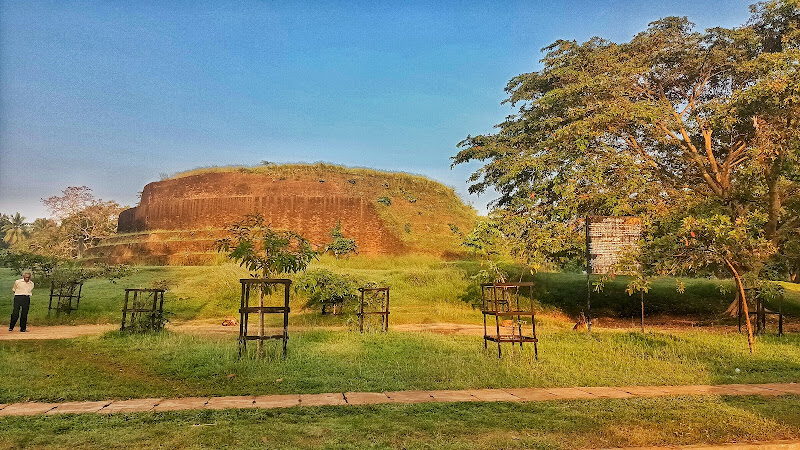
Dakkhina Stupa - Anuradhapura
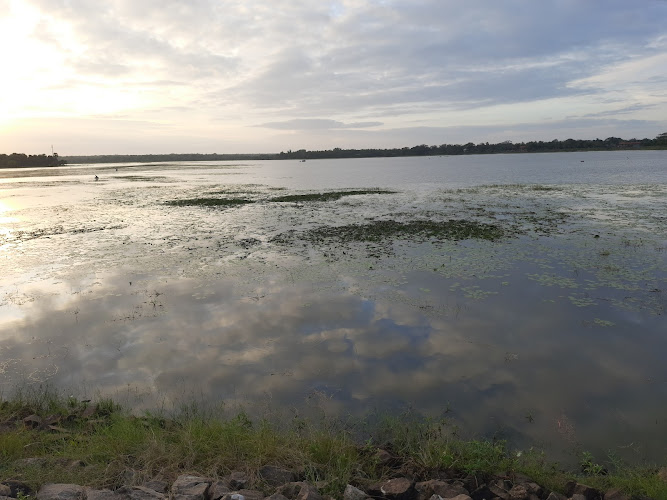
Basawakkulama(බසවක්කුලම)
Basawakkulama Tank
Find Accommodations Nearby
Recommended Tours & Activities
Visitor Reviews
There are no reviews yet. Be the first one to write one.
Share Your Experience
Have you visited Folk Museum? Help other travelers by leaving a review.