Description
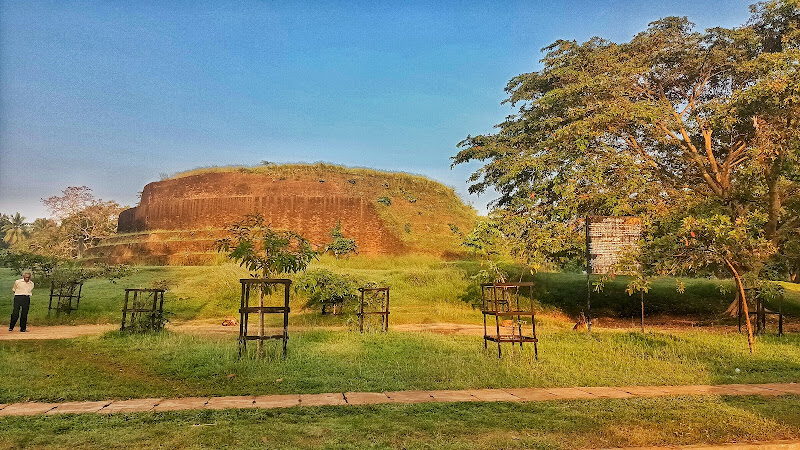
Lush trees sway around the stupa, and the wind carries whispers from centuries ago. History buffs will have a field day; it’s believed to date back to the 2nd century BCE—yeah, that’s a heap of history even for this part of Sri Lanka. There’s something poetic about the gentle curve of the brickwork; it’s both simple and profound, as if it was meant to remind us that true power isn’t always glitzy. The stupa, also called Dakshina Stupa, is wrapped in legends, including tales of Mahinda Thero’s cremation site, giving it serious spiritual gravitas for Buddhists. But, and here’s the kicker—even if you’re not a pilgrim or a meditating monk, you’ll feel that hush; a feeling like you just stumbled onto a secret kept for a couple thousand years.
Visiting during the late afternoon with the sun slanting low, I felt that unmistakable sensation of walking through living history. Almost forgot to mention: the site is great for kids too. So, if you’re wrangling a curious little traveler or three, you’re not out of luck. I’ve seen kids sprinting up the stone stairs, imagining themselves as ancient heroes or royalty. They get the same wide-eyed look as the grown-ups.
Of course, the Dakkhina Stupa isn’t without its quirks. Some folks find the information available a bit sparse (I’ve been there, squinting at old signs and wishing for a handy storybook guide). And don’t come expecting crowds; it’s peaceful—almost hauntingly so at times. Which, if you ask me, is a bonus. You can sit, soak it all in, and maybe even connect with Sri Lanka’s tangled past in your own quiet way.
Key Features
- Ancient Brick Architecture: The stupa’s dome is fashioned from countless bricks, layered with remarkable skill. Trust me, you’ll find yourself gawking at the sheer scale and precision.
- Historical Significance: Dating from the 2nd century BCE, the site carries layers of religious, cultural, and royal stories. It’s a fascinating puzzle for anyone who loves digging beneath the surface.
- Spiritual Atmosphere: For many Buddhists, this is a spot for reflection and ritual—an active pilgrimage destination that pulses with living faith and silent ceremony.
- Less Crowded Experience: Unlike some of the more famous stupas, Dakkhina offers space—mental and physical. It’s perfect if you crave calm or want that ‘off the beaten path’ feeling.
- Family-Friendly: Kids can roam safely and explore; open grounds mean fewer worries for parents wanting to spark that curiosity without too much wrangling.
- Stunning Natural Setting: With leafy trees mitigating the heat and soft light in the late afternoon, the stupa is as photogenic as you’d hope. (Bring your camera; you’ll regret it otherwise, I promise.)
- Intriguing Local Legends: Locals may share stories (if you ask nicely) about monks, kings, and the site’s mysterious past—adding an almost magical layer to your visit.
- Simple Accessibility: No arduous trekking needed here—the site’s accessible by vehicle and doesn’t demand athletic prowess. Wheelchairs may find some terrain uneven, but main paths are generally manageable.
Best Time to Visit
Look, I’ve wandered around Sri Lankan ruins enough to have a few opinions about timing—and when it comes to Dakkhina Stupa, less is more. My absolute favorite hours are just before sunset. The stupa bathes in a golden glow, and every photo pops with drama. You’ll also beat most of the heat, which is no small win (trust me, that Anuradhapura sun can cook an egg). Mornings are lovely too—cooler air, birds chattering, and a steadier trickle of folks paying their respects.
If you’re aiming to avoid the headaches of blasts of humidity or rain, consider planning between December and April. The dry season here is, well, a breath of fresh air after the island’s monsoons. However, if you enjoy the sight of brilliant green, visiting just after the rains can be magical, too—just come armed with a good umbrella and shoes that don’t mind mud.
As a heads-up: Buddhist poya days (monthly full moons) mean more visitors and beautiful religious rituals. It’s both intense and deeply moving, but if you’re after tranquility, you might skip those days. But if you thrive on seeing faith in action, mark them on your calendar.
How to Get There
Anuradhapura is the heart of Sri Lanka’s cultural triangle, so getting here is half the adventure. If you’re staying in town, the easiest way (in my humble, somewhat road-weary opinion) is a tuk-tuk. Not only do you get a breeze in your face, but you also get local banter—always worth a tip or two. Drivers know the stupa well, just say “Dakkhina Stupa”—and if you mispronounce it, odds are they’ll still figure it out.
Public buses cruise through the main routes of Anuradhapura, and if you don’t mind rubbing elbows with locals, it’s a slice of daily life you shouldn’t miss. Buses are very affordable, though maybe a touch confusing if you’re not fluent in Sinhala or Tamil (been there, done that, survived to tell the tale).
If you’re a fan of two wheels, you can rent a bicycle. The roads are relatively flat, shaded in places, and it’s liberating pedaling between the city’s ancient wonders. You get to stop whenever something grabs your attention—which will happen, more than once.
And for those in a hurry or traveling in a group, hiring a private car is painless, just a tad pricier. Plenty of hotels will organize one for you at the snap of a finger, or at least a WhatsApp. Parking? Not a problem—there’s ample space around the site.
A little pro-tip: start early to dodge the bigger crowds and the midday heat. Nobody likes sightseeing while melting, right?
Tips for Visiting
- Dress modestly: This is a deeply religious site. Shoulders, knees, and preferably legs should be covered for both men and women. Light, loose clothing is the way to beat the heat—and respect local culture. (I’ve learned this one the hard way, once turning a borrowed scarf into something resembling a toga.)
- Shoes off, socks on: You’ll need to remove your shoes to approach the stupa. Bring socks if the sun’s been out; bricks can get scorchingly hot. And if you forget, yes, you will remember next time!
- Quiet, please: The atmosphere here is gentle and contemplative. Leave the Bluetooth speakers and rowdy conversation for later. Even kids tend to quiet down, caught up in the sense of awe.
- Ask locals about stories: If you speak a little Sinhala, use it! But even if not, gestures and a smile often unlock fascinating legends about the stupa’s history. Tap into local wisdom; you might learn something a guidebook never told you.
- Stay hydrated: Bring plenty of water. There are shade trees, but Sri Lankan heat is no joke. If you forget, there are usually vendors nearby selling drinks and snacks (and, inevitably, souvenirs).
- Photography etiquette: Take as many photos as your heart desires, but please ask before snapping shots of monks or rituals. Some moments deserve a little privacy—and you’ll get better smiles if you ask!
- Accessibility: Most main paths are accessible, but some uneven stones or steps are challenging. If mobility is an issue, travel with a friend or ask locals for the easiest routes in advance.
- Avoid noon visits: Sri Lankan temples are magical, but standing in the midday sun isn’t. Early mornings and late afternoons win every time, both for comfort and that golden lens-flare in your photos.
- Respect the boundaries: Not all areas are meant for roaming. Stick to paths and avoid climbing on ancient brickwork—preservation matters for future generations (including my own imaginary grandkids who I hope will someday visit).
- Slow down