

Rizal Monument
About Rizal Monument
Description
The Rizal Monument is one of those places in Manila that quietly insists you slow down. It sits right in the middle of Rizal Park, watching the city rush by, traffic humming, families strolling, guards standing tall. For travelers, this isn’t just a photo stop. It’s a deep breath in the middle of a noisy capital, and honestly, it’s a lesson in history you don’t need a classroom for.
The monument honors Dr. José Rizal, the Philippines’ national hero, executed in 1896. And yes, you’ve probably read that line in guidebooks before. But standing there in person is different. The granite obelisk rises with a kind of quiet confidence, guarded 24/7, and beneath it are Rizal’s remains. That detail always gives me a pause. I remember the first time I visited, jet-lagged and sweaty, and thinking, wow, this isn’t symbolic. This is literal.
The atmosphere around the Rizal Monument changes throughout the day. Early morning feels almost sacred. Joggers pass by softly, photographers whisper to each other, and the grass still holds a bit of dew. Midday brings school groups, families with kids (and yes, it’s very kid-friendly), and curious travelers clutching umbrellas. By late afternoon, the place loosens up. Locals sit on benches, vendors call out snacks, and the monument glows warmer as the sun dips. It’s not flashy. It’s steady. And that’s the point.
What I like most is how the monument doesn’t try to entertain you. It invites reflection, if you’re open to it. You don’t need to be Filipino to feel something here. You just need a basic appreciation for stories of courage, ideas, and consequences. And maybe a little patience to stand still for a minute.
Key Features
- The iconic granite obelisk standing about 46 meters high, visible from many points in the park
- Bronze statue of José Rizal facing Manila Bay, symbolic and intentional
- Permanent honor guards stationed 24/7, adding a ceremonial feel
- Rizal’s remains interred beneath the monument, not widely known by first-time visitors
- Wide open lawns and walkways around the site, good for kids to roam (with supervision)
- Flagpole flying the Philippine flag at full height, a detail locals care deeply about
- Surrounding historical markers and plaques that give context without overwhelming you
Best Time to Visit
If you ask me, early morning wins. Around 6:00 to 8:00 AM, the Rizal Monument feels calmer, cooler, and more honest. The light is soft, perfect for photos, and you won’t be dodging crowds. I once visited at sunrise after a late night flight, half-awake, and it somehow reset my mood for the entire day. Manila can be intense, but that morning was gentle.
Late afternoon, roughly 4:30 to 6:00 PM, is another solid option. The sun lowers, the heat eases, and locals come out to relax. It feels lived-in, which I appreciate. You’ll hear laughter, footsteps, and the occasional whistle from the guards during the flag-lowering ceremony. That ceremony is worth catching at least once. It’s simple, respectful, and surprisingly moving.
Midday visits are doable but expect heat and more people. Manila doesn’t joke around with humidity. If you go at noon, bring water, sunscreen, and patience. But even then, the monument holds its own. It doesn’t disappear into the noise.
Weekdays tend to be quieter than weekends. National holidays, especially those related to Rizal or Philippine independence, bring ceremonies and crowds. That can be exciting, though. Just depends on whether you like energy or space.
How to Get There
Getting to the Rizal Monument is fairly straightforward, even if Manila traffic tests your soul a bit. Public transportation options are plentiful, and most taxi or ride-hailing drivers know the area instantly. You can simply say Rizal Park or Luneta, and they’ll nod like, of course.
If you’re using public transport, light rail stations nearby make the walk manageable. Jeepneys and buses pass through major roads around the park. Walking is also an option if you’re staying in central Manila, though sidewalks can be uneven. Wear decent shoes. Trust me on that one. I learned the hard way after thinking flip-flops were a good idea. They weren’t.
Once inside the park, the monument is hard to miss. Just follow the flow of people or the line of sight toward the tallest structure. The grounds are open, flat, and accessible, which makes navigation easy even if you’re traveling with kids or older family members.
Tips for Visiting
First tip, and I say this with love: don’t rush it. Many travelers stop, snap a photo, and leave within five minutes. Give it at least 20 to 30 minutes. Walk around. Read a plaque or two. Watch the guards. Let the place do its thing.
Dress respectfully. There’s no strict dress code, but this is a national monument. Locals notice. Casual is fine, just avoid beachwear. And yes, it gets hot, so breathable clothes help.
If you’re traveling with kids, this is a good stop. The open space helps burn off energy, and it’s a chance to introduce history without forcing it. I’ve seen parents turn it into a simple story about bravery and ideas. Kids get that more than we think.
Bring water and maybe a small snack, especially if you plan to wander the park afterward. Vendors are around, but prices and availability change. And sometimes you just want your own bottle.
Photography is allowed, but be mindful around the guards. They’re usually fine with photos, just don’t get in their personal space or interrupt ceremonies. Common sense goes a long way.
One small thing people don’t always realize: the flag matters here. When it’s raised or lowered, locals pause. If you see people stopping, take the cue. It’s a subtle sign of respect, and joining in feels right, even if you’re just visiting.
And finally, come with curiosity, not just a checklist. The Rizal Monument isn’t loud or trendy. It doesn’t try to impress you. But if you let it, it leaves a mark. I’ve been back more times than I expected, and each visit feels a little different. That’s rare for a tourist attraction, and it’s why this place sticks with you long after you’ve left the park.
Key Features
- The iconic granite obelisk standing about 46 meters high, visible from many points in the park
- Bronze statue of José Rizal facing Manila Bay, symbolic and intentional
- Permanent honor guards stationed 24/7, adding a ceremonial feel
- Rizal’s remains interred beneath the monument, not widely known by first-time visitors
- Wide open lawns and walkways around the site, good for kids to roam (with supervision)
- Flagpole flying the Philippine flag at full height, a detail locals care deeply about
- Surrounding historical markers and plaques that give context without overwhelming you
More Details
Updated December 31, 2025
Table of Contents
Description
The Rizal Monument is one of those places in Manila that quietly insists you slow down. It sits right in the middle of Rizal Park, watching the city rush by, traffic humming, families strolling, guards standing tall. For travelers, this isn’t just a photo stop. It’s a deep breath in the middle of a noisy capital, and honestly, it’s a lesson in history you don’t need a classroom for.
The monument honors Dr. José Rizal, the Philippines’ national hero, executed in 1896. And yes, you’ve probably read that line in guidebooks before. But standing there in person is different. The granite obelisk rises with a kind of quiet confidence, guarded 24/7, and beneath it are Rizal’s remains. That detail always gives me a pause. I remember the first time I visited, jet-lagged and sweaty, and thinking, wow, this isn’t symbolic. This is literal.
The atmosphere around the Rizal Monument changes throughout the day. Early morning feels almost sacred. Joggers pass by softly, photographers whisper to each other, and the grass still holds a bit of dew. Midday brings school groups, families with kids (and yes, it’s very kid-friendly), and curious travelers clutching umbrellas. By late afternoon, the place loosens up. Locals sit on benches, vendors call out snacks, and the monument glows warmer as the sun dips. It’s not flashy. It’s steady. And that’s the point.
What I like most is how the monument doesn’t try to entertain you. It invites reflection, if you’re open to it. You don’t need to be Filipino to feel something here. You just need a basic appreciation for stories of courage, ideas, and consequences. And maybe a little patience to stand still for a minute.
Key Features
- The iconic granite obelisk standing about 46 meters high, visible from many points in the park
- Bronze statue of José Rizal facing Manila Bay, symbolic and intentional
- Permanent honor guards stationed 24/7, adding a ceremonial feel
- Rizal’s remains interred beneath the monument, not widely known by first-time visitors
- Wide open lawns and walkways around the site, good for kids to roam (with supervision)
- Flagpole flying the Philippine flag at full height, a detail locals care deeply about
- Surrounding historical markers and plaques that give context without overwhelming you
Best Time to Visit
If you ask me, early morning wins. Around 6:00 to 8:00 AM, the Rizal Monument feels calmer, cooler, and more honest. The light is soft, perfect for photos, and you won’t be dodging crowds. I once visited at sunrise after a late night flight, half-awake, and it somehow reset my mood for the entire day. Manila can be intense, but that morning was gentle.
Late afternoon, roughly 4:30 to 6:00 PM, is another solid option. The sun lowers, the heat eases, and locals come out to relax. It feels lived-in, which I appreciate. You’ll hear laughter, footsteps, and the occasional whistle from the guards during the flag-lowering ceremony. That ceremony is worth catching at least once. It’s simple, respectful, and surprisingly moving.
Midday visits are doable but expect heat and more people. Manila doesn’t joke around with humidity. If you go at noon, bring water, sunscreen, and patience. But even then, the monument holds its own. It doesn’t disappear into the noise.
Weekdays tend to be quieter than weekends. National holidays, especially those related to Rizal or Philippine independence, bring ceremonies and crowds. That can be exciting, though. Just depends on whether you like energy or space.
How to Get There
Getting to the Rizal Monument is fairly straightforward, even if Manila traffic tests your soul a bit. Public transportation options are plentiful, and most taxi or ride-hailing drivers know the area instantly. You can simply say Rizal Park or Luneta, and they’ll nod like, of course.
If you’re using public transport, light rail stations nearby make the walk manageable. Jeepneys and buses pass through major roads around the park. Walking is also an option if you’re staying in central Manila, though sidewalks can be uneven. Wear decent shoes. Trust me on that one. I learned the hard way after thinking flip-flops were a good idea. They weren’t.
Once inside the park, the monument is hard to miss. Just follow the flow of people or the line of sight toward the tallest structure. The grounds are open, flat, and accessible, which makes navigation easy even if you’re traveling with kids or older family members.
Tips for Visiting
First tip, and I say this with love: don’t rush it. Many travelers stop, snap a photo, and leave within five minutes. Give it at least 20 to 30 minutes. Walk around. Read a plaque or two. Watch the guards. Let the place do its thing.
Dress respectfully. There’s no strict dress code, but this is a national monument. Locals notice. Casual is fine, just avoid beachwear. And yes, it gets hot, so breathable clothes help.
If you’re traveling with kids, this is a good stop. The open space helps burn off energy, and it’s a chance to introduce history without forcing it. I’ve seen parents turn it into a simple story about bravery and ideas. Kids get that more than we think.
Bring water and maybe a small snack, especially if you plan to wander the park afterward. Vendors are around, but prices and availability change. And sometimes you just want your own bottle.
Photography is allowed, but be mindful around the guards. They’re usually fine with photos, just don’t get in their personal space or interrupt ceremonies. Common sense goes a long way.
One small thing people don’t always realize: the flag matters here. When it’s raised or lowered, locals pause. If you see people stopping, take the cue. It’s a subtle sign of respect, and joining in feels right, even if you’re just visiting.
And finally, come with curiosity, not just a checklist. The Rizal Monument isn’t loud or trendy. It doesn’t try to impress you. But if you let it, it leaves a mark. I’ve been back more times than I expected, and each visit feels a little different. That’s rare for a tourist attraction, and it’s why this place sticks with you long after you’ve left the park.
Key Highlights
- The iconic granite obelisk standing about 46 meters high, visible from many points in the park
- Bronze statue of José Rizal facing Manila Bay, symbolic and intentional
- Permanent honor guards stationed 24/7, adding a ceremonial feel
- Rizal’s remains interred beneath the monument, not widely known by first-time visitors
- Wide open lawns and walkways around the site, good for kids to roam (with supervision)
- Flagpole flying the Philippine flag at full height, a detail locals care deeply about
- Surrounding historical markers and plaques that give context without overwhelming you
Location
Places to Stay Near Rizal Monument
Find and Book a Tour
Explore More Travel Guides
No reviews found! Be the first to review!
Traveler Reviews for Rizal Monument
There are no reviews yet. Be the first one to write one.
Have you visited Rizal Monument? Help other travelers by sharing your review.
You Might Also Like
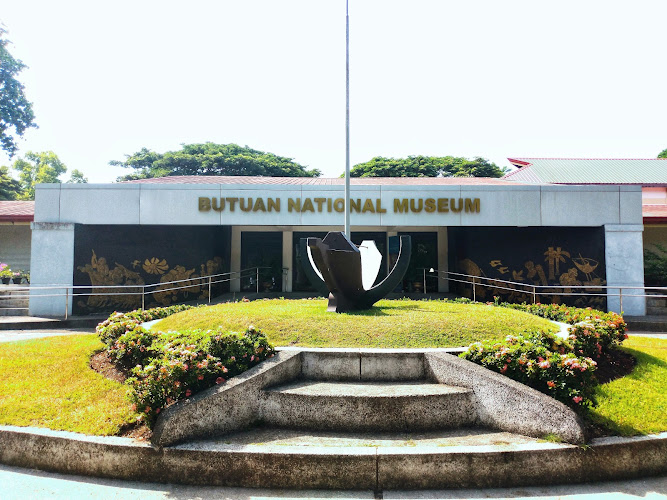
Butuan National Museum

Langihan
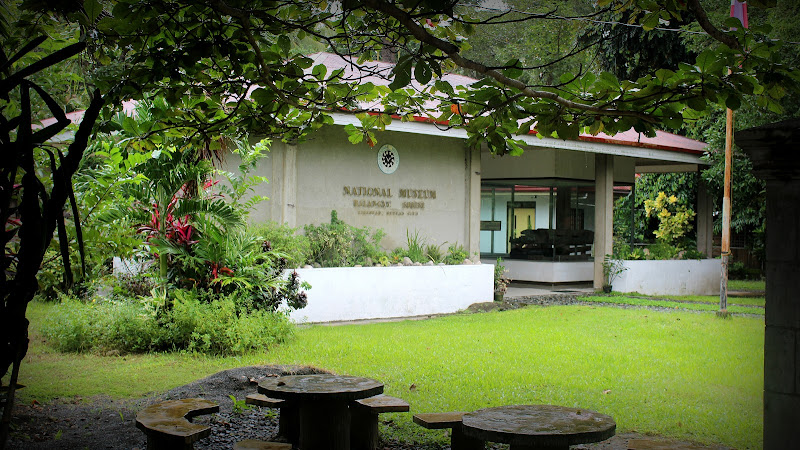
Butuan Archaeological Park
Find Accommodations Nearby
Recommended Tours & Activities
Visitor Reviews
There are no reviews yet. Be the first one to write one.
Share Your Experience
Have you visited Rizal Monument? Help other travelers by leaving a review.