

TUNGAO NALCO MONUMENT
About TUNGAO NALCO MONUMENT
Description
The Tungao Nalco Monument is one of those places that doesn’t shout for attention, and honestly, that’s part of its charm. It sits quietly as a reminder of industrial history, local pride, and the kind of community effort that doesn’t always make headlines. Travelers who enjoy understanding the “why” behind a destination, not just snapping a photo and moving on, tend to appreciate this spot the most. And yes, it’s absolutely suitable if you’re traveling with kids, which is something I always keep in mind after learning the hard way on one trip where everything seemed great until my nephew got bored after five minutes.
This monument commemorates the presence and impact of NALCO (National Aluminium Company) in the Tungao area, and more broadly, the transformation of the region through industrial development. It’s not a flashy attraction with lights and sound effects. Instead, it’s grounded, solid, and symbolic. Standing in front of it, you can almost sense the collective effort of engineers, workers, and families who shaped the area over decades. I remember visiting once in the late afternoon, when the sun hit the structure just right, and thinking, “Okay, this is actually pretty powerful.” Not in an emotional, tear-jerking way, but in a quiet, reflective sense.
The Tungao Nalco Monument is often visited by travelers who are already exploring nearby attractions, but it deserves its own pause. It’s a good place to slow down, explain a bit of history to younger travelers, or simply take a break from more crowded tourist stops. And if you’re the kind of traveler who likes understanding local identity beyond food and photos, this monument gives you that context.
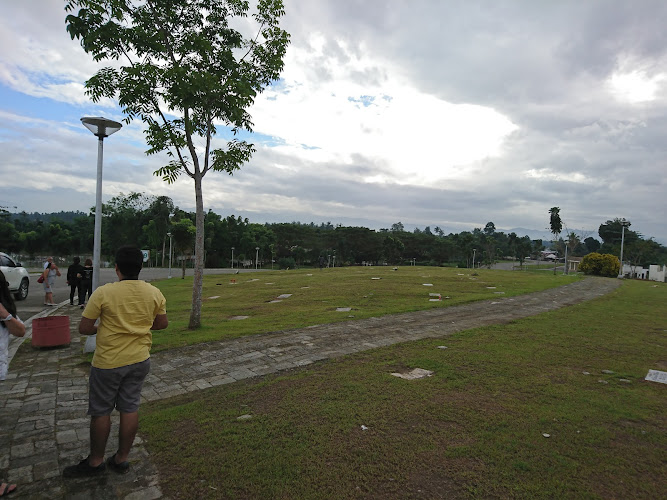
What stands out is how well-maintained it is, despite being relatively low-key. There’s a sense of care here. Someone is clearly making sure it stays clean and accessible. That may sound minor, but trust me, after seeing neglected monuments in other places, it makes a difference. The atmosphere is calm, and you’re unlikely to feel rushed, which is rare these days.
Key Features
- A symbolic structure representing the industrial and social impact of NALCO in the Tungao region
- Open and accessible surroundings, making it easy for families and children to explore safely
- Clean and well-kept area that reflects local pride and respect for the site
- Informative elements that help visitors understand the historical significance, even without a guide
- A peaceful setting ideal for short stops, reflection, or casual photography
- Less crowded compared to major tourist landmarks, allowing a relaxed visit
Best Time to Visit
The best time to visit the Tungao Nalco Monument is during the cooler parts of the day, especially early morning or late afternoon. Midday can get a bit warm, depending on the season, and since this is more of an open-air attraction, shade can be limited. I once showed up around noon thinking, “How bad could it be?” Yeah, lesson learned. Mornings are quieter and feel more contemplative, while evenings offer softer light that’s better for photos and just hanging around without breaking a sweat.
Season-wise, the months outside peak summer are more comfortable. During cooler seasons, you’ll find it easier to walk around and actually enjoy reading or observing details without constantly searching for water. That said, the monument is accessible year-round, and there’s no strict time window you have to follow. If you’re already in the area for work, family visits, or other sightseeing, it’s easy to fit this into your plan.
Weekdays tend to be calmer than weekends, which can be a bonus if you’re traveling with kids who need space to move around. But even on busier days, it rarely feels overwhelming. This isn’t the kind of place where you’re stuck waiting for others to move out of your photo frame.
How to Get There
Reaching the Tungao Nalco Monument is fairly straightforward, especially if you’re already exploring the region. Most travelers arrive by private vehicle or local transport, depending on where they’re coming from. Roads leading to the area are generally manageable, and locals are usually happy to point you in the right direction if you ask. Don’t underestimate the value of asking someone nearby; I’ve had some of my best travel tips come from random conversations that started with “Excuse me, is this the way to…?”
If you’re using public transport, you may need to combine it with a short walk or a local ride. It’s not complicated, just something to factor into your timing. For those driving themselves, parking nearby is usually not a big issue, which is a relief if you’ve ever circled endlessly around a popular attraction elsewhere.
Because it’s a known local landmark, most drivers recognize the name even if they don’t speak much English. Having the name written down or saved on your phone helps, just in case. And honestly, part of the experience is the journey itself, passing through everyday areas rather than tourist-only zones.
Tips for Visiting
First tip: don’t rush it. The Tungao Nalco Monument isn’t huge, but it rewards a slower pace. Take a few minutes to actually read and look around. If you’re with kids, this is a good moment to explain why monuments exist in the first place. I once asked a child traveling with us what he thought the monument was for, and his answer sparked a surprisingly deep conversation about work, community, and history.
Bring water, especially if you’re visiting during warmer months. There may not always be vendors right next to the monument, and staying hydrated makes the visit more comfortable. Comfortable footwear helps too, though this isn’t a strenuous stop by any means.
Photography is welcome, but be respectful. This is a place of significance for locals, not just a backdrop. Early morning and late afternoon light works best if you care about photos that look less harsh and more natural. And yes, even smartphone cameras do just fine here.
If you’re someone who likes context, consider reading a bit about NALCO and its role in the region before you arrive. It adds depth to what you’re seeing. I’ve noticed that when I understand the backstory, places tend to linger longer in my memory. Without that, everything kind of blends together.
Lastly, pair this visit with other nearby attractions or local experiences. The monument works best as part of a broader day of exploration rather than a standalone, all-day plan. Think of it as a meaningful chapter in your travel story, not the whole book. And if you find yourself unexpectedly moved by a simple structure made of stone and metal, well, that’s travel for you. It sneaks up on you when you least expect it.
Key Features
- A symbolic structure representing the industrial and social impact of NALCO in the Tungao region
- Open and accessible surroundings, making it easy for families and children to explore safely
- Clean and well-kept area that reflects local pride and respect for the site
- Informative elements that help visitors understand the historical significance, even without a guide
- A peaceful setting ideal for short stops, reflection, or casual photography
- Less crowded compared to major tourist landmarks, allowing a relaxed visit
More Details
Updated December 31, 2025
Table of Contents
Description
The Tungao Nalco Monument is one of those places that doesn’t shout for attention, and honestly, that’s part of its charm. It sits quietly as a reminder of industrial history, local pride, and the kind of community effort that doesn’t always make headlines. Travelers who enjoy understanding the “why” behind a destination, not just snapping a photo and moving on, tend to appreciate this spot the most. And yes, it’s absolutely suitable if you’re traveling with kids, which is something I always keep in mind after learning the hard way on one trip where everything seemed great until my nephew got bored after five minutes.
This monument commemorates the presence and impact of NALCO (National Aluminium Company) in the Tungao area, and more broadly, the transformation of the region through industrial development. It’s not a flashy attraction with lights and sound effects. Instead, it’s grounded, solid, and symbolic. Standing in front of it, you can almost sense the collective effort of engineers, workers, and families who shaped the area over decades. I remember visiting once in the late afternoon, when the sun hit the structure just right, and thinking, “Okay, this is actually pretty powerful.” Not in an emotional, tear-jerking way, but in a quiet, reflective sense.
The Tungao Nalco Monument is often visited by travelers who are already exploring nearby attractions, but it deserves its own pause. It’s a good place to slow down, explain a bit of history to younger travelers, or simply take a break from more crowded tourist stops. And if you’re the kind of traveler who likes understanding local identity beyond food and photos, this monument gives you that context.
What stands out is how well-maintained it is, despite being relatively low-key. There’s a sense of care here. Someone is clearly making sure it stays clean and accessible. That may sound minor, but trust me, after seeing neglected monuments in other places, it makes a difference. The atmosphere is calm, and you’re unlikely to feel rushed, which is rare these days.
Key Features
- A symbolic structure representing the industrial and social impact of NALCO in the Tungao region
- Open and accessible surroundings, making it easy for families and children to explore safely
- Clean and well-kept area that reflects local pride and respect for the site
- Informative elements that help visitors understand the historical significance, even without a guide
- A peaceful setting ideal for short stops, reflection, or casual photography
- Less crowded compared to major tourist landmarks, allowing a relaxed visit
Best Time to Visit
The best time to visit the Tungao Nalco Monument is during the cooler parts of the day, especially early morning or late afternoon. Midday can get a bit warm, depending on the season, and since this is more of an open-air attraction, shade can be limited. I once showed up around noon thinking, “How bad could it be?” Yeah, lesson learned. Mornings are quieter and feel more contemplative, while evenings offer softer light that’s better for photos and just hanging around without breaking a sweat.
Season-wise, the months outside peak summer are more comfortable. During cooler seasons, you’ll find it easier to walk around and actually enjoy reading or observing details without constantly searching for water. That said, the monument is accessible year-round, and there’s no strict time window you have to follow. If you’re already in the area for work, family visits, or other sightseeing, it’s easy to fit this into your plan.
Weekdays tend to be calmer than weekends, which can be a bonus if you’re traveling with kids who need space to move around. But even on busier days, it rarely feels overwhelming. This isn’t the kind of place where you’re stuck waiting for others to move out of your photo frame.
How to Get There
Reaching the Tungao Nalco Monument is fairly straightforward, especially if you’re already exploring the region. Most travelers arrive by private vehicle or local transport, depending on where they’re coming from. Roads leading to the area are generally manageable, and locals are usually happy to point you in the right direction if you ask. Don’t underestimate the value of asking someone nearby; I’ve had some of my best travel tips come from random conversations that started with “Excuse me, is this the way to…?”
If you’re using public transport, you may need to combine it with a short walk or a local ride. It’s not complicated, just something to factor into your timing. For those driving themselves, parking nearby is usually not a big issue, which is a relief if you’ve ever circled endlessly around a popular attraction elsewhere.
Because it’s a known local landmark, most drivers recognize the name even if they don’t speak much English. Having the name written down or saved on your phone helps, just in case. And honestly, part of the experience is the journey itself, passing through everyday areas rather than tourist-only zones.
Tips for Visiting
First tip: don’t rush it. The Tungao Nalco Monument isn’t huge, but it rewards a slower pace. Take a few minutes to actually read and look around. If you’re with kids, this is a good moment to explain why monuments exist in the first place. I once asked a child traveling with us what he thought the monument was for, and his answer sparked a surprisingly deep conversation about work, community, and history.
Bring water, especially if you’re visiting during warmer months. There may not always be vendors right next to the monument, and staying hydrated makes the visit more comfortable. Comfortable footwear helps too, though this isn’t a strenuous stop by any means.
Photography is welcome, but be respectful. This is a place of significance for locals, not just a backdrop. Early morning and late afternoon light works best if you care about photos that look less harsh and more natural. And yes, even smartphone cameras do just fine here.
If you’re someone who likes context, consider reading a bit about NALCO and its role in the region before you arrive. It adds depth to what you’re seeing. I’ve noticed that when I understand the backstory, places tend to linger longer in my memory. Without that, everything kind of blends together.
Lastly, pair this visit with other nearby attractions or local experiences. The monument works best as part of a broader day of exploration rather than a standalone, all-day plan. Think of it as a meaningful chapter in your travel story, not the whole book. And if you find yourself unexpectedly moved by a simple structure made of stone and metal, well, that’s travel for you. It sneaks up on you when you least expect it.
Key Highlights
- A symbolic structure representing the industrial and social impact of NALCO in the Tungao region
- Open and accessible surroundings, making it easy for families and children to explore safely
- Clean and well-kept area that reflects local pride and respect for the site
- Informative elements that help visitors understand the historical significance, even without a guide
- A peaceful setting ideal for short stops, reflection, or casual photography
- Less crowded compared to major tourist landmarks, allowing a relaxed visit
Location
Places to Stay Near TUNGAO NALCO MONUMENT
Find and Book a Tour
Explore More Travel Guides
No reviews found! Be the first to review!
Traveler Reviews for TUNGAO NALCO MONUMENT
There are no reviews yet. Be the first one to write one.
Have you visited TUNGAO NALCO MONUMENT? Help other travelers by sharing your review.
You Might Also Like

Weegol’s Garden
Butuan Gardens

Butuan City
Find Accommodations Nearby
Recommended Tours & Activities
Visitor Reviews
There are no reviews yet. Be the first one to write one.
Share Your Experience
Have you visited TUNGAO NALCO MONUMENT? Help other travelers by leaving a review.