
SOCOM FORWARD BASE
About SOCOM FORWARD BASE
Description
The SOCOM Forward Base isn’t your typical tourist attraction, and honestly, that’s part of the intrigue. It operates as a forward-operating hub connected to United States Special Operations Command activities, usually positioned in strategic regions where rapid deployment and coordination matter. For travelers, this place sits in a strange in-between zone: not a museum, not a theme stop, not even officially open to casual visitors. And yet, people are curious about it. I was too, the first time I found myself traveling through an area where locals casually mentioned “the forward base” like it was just another landmark. That stuck with me.
What makes the SOCOM Forward Base interesting for travelers is not access in the traditional sense, but context. This is a working military installation, focused on logistics, training coordination, intelligence support, and rapid response operations. It plays a role in global security operations that most people only ever hear about on the news, if at all. Standing nearby, you’re reminded that some places exist not for sightseeing, but for purpose. And that alone can be grounding, in a sobering way.
From a traveler’s perspective, the base represents the modern reality of defense infrastructure. It’s lean, practical, and intentionally low-profile. No flashy signage. No guided tours. The design philosophy is about efficiency and adaptability, not aesthetics. Some visitors feel disappointed when they realize there’s no visitor center or photo ops. Others, myself included, find that restraint kind of refreshing. It’s not trying to sell you anything.
The surrounding area often tells the real story. Communities near a SOCOM Forward Base tend to have a mix of civilian life and military rhythm. You’ll notice certain businesses catering to service members, certain conversations happening a little quieter, and a general awareness that something important operates just down the road. For travelers who like understanding how places function beyond the postcard version, this adds depth.
Key Features
- Operational military installation focused on special operations support and coordination
- Low-visibility infrastructure designed for efficiency rather than public engagement
- Strategic location chosen for regional access and rapid deployment capabilities
- Strong influence on surrounding local economy and community dynamics
- Heightened security presence, even in nearby public areas
- Not open for public tours or casual entry, access is strictly controlled
- Represents modern military logistics and global security operations
One thing people don’t always realize is how modular these bases can be. They’re built to adapt, scale up, or scale down depending on mission needs. That’s why you might hear locals say, “It wasn’t always this busy,” or “Things changed last year.” From a distance, you’re witnessing a living system, not a static landmark.
Best Time to Visit
Now, “visit” is a flexible term here. You’re not visiting the base itself, but the area around it. Timing matters more than you’d expect. From my experience, and from talking with people who live nearby, the best time to be in the area is during calmer operational periods, often outside peak deployment cycles. That usually translates to late spring or early fall, when weather conditions are stable and local infrastructure isn’t under extra strain.
Summer can be intense. Not just heat-wise, depending on the region, but also in terms of activity. Increased training exercises or rotations can make nearby roads busier and accommodations harder to find. Winter, on the other hand, can feel oddly quiet. Some travelers like that subdued atmosphere; others find it a little too closed-off.
If you’re the type who enjoys observing daily life, sitting in a diner and overhearing snippets of conversation (without eavesdropping too hard, obviously), shoulder seasons are ideal. There’s a rhythm then that feels more human, less rushed. And you’ll probably get better service everywhere because staff aren’t stretched thin.
How to Get There
Getting to the vicinity of a SOCOM Forward Base usually involves standard regional travel routes: highways, regional airports, or rail, depending on the country and location. What you won’t find are big brown tourist signs pointing the way. And that’s intentional. Navigation is straightforward if you’re headed to nearby towns or cities, but access roads closer to the base are clearly marked with restrictions.
If you’re driving, expect checkpoints or controlled access zones as you get closer. You won’t be stopped if you’re on public roads, but you’ll definitely feel when you’re nearing the perimeter. I remember the first time I hit one of those areas; the vibe shifts. Fewer billboards. More official-looking vehicles. It makes you sit up a little straighter behind the wheel.
Public transportation may get you close, but not all the way. Most buses or trains stop in civilian areas, which is where you should plan to stay anyway. From there, exploring on foot or by car is fine, as long as you respect posted signs and boundaries. And yes, those signs mean what they say. Don’t test them.
Tips for Visiting
First and foremost, manage your expectations. This is not a sightseeing stop. You’re not going to walk away with Instagram shots or souvenir mugs. What you will get, if you’re paying attention, is insight. And that’s valuable in its own right.
Dress and behave like you belong in a normal civilian space. Sounds obvious, but you’d be surprised. Avoid taking photos near security zones, even if you think you’re far enough away. When in doubt, don’t. I once watched a traveler get a very polite but very firm reminder about that, and trust me, it’s awkward for everyone.
Talk to locals, but be respectful. Many people connected to the base won’t discuss their work, and that’s okay. Ask about the town, the food, the weather, the history. You’ll still learn plenty. Some of the best stories I’ve heard came from a barista who’d lived there her whole life and had seen the area change in waves.
Plan accommodations early. Areas near operational bases can fill up fast during certain periods, and prices can jump without warning. It’s not greed; it’s demand. Having a backup option in a nearby town isn’t a bad idea.
And finally, remember why places like the SOCOM Forward Base exist. Whether or not you have strong opinions about military presence, there’s a human element here. People working long hours, families adjusting to uncertainty, communities balancing normal life with global responsibilities. Traveling with that awareness makes the experience richer, and honestly, more respectful.
This isn’t a destination you tick off a list. It’s a place you understand quietly, from the edges. And sometimes, those are the places that stay with you the longest.
Key Features
- Operational military installation focused on special operations support and coordination
- Low-visibility infrastructure designed for efficiency rather than public engagement
- Strategic location chosen for regional access and rapid deployment capabilities
- Strong influence on surrounding local economy and community dynamics
- Heightened security presence, even in nearby public areas
- Not open for public tours or casual entry, access is strictly controlled
- Represents modern military logistics and global security operations
More Details
Updated December 31, 2025
Table of Contents
Description
The SOCOM Forward Base isn’t your typical tourist attraction, and honestly, that’s part of the intrigue. It operates as a forward-operating hub connected to United States Special Operations Command activities, usually positioned in strategic regions where rapid deployment and coordination matter. For travelers, this place sits in a strange in-between zone: not a museum, not a theme stop, not even officially open to casual visitors. And yet, people are curious about it. I was too, the first time I found myself traveling through an area where locals casually mentioned “the forward base” like it was just another landmark. That stuck with me.
What makes the SOCOM Forward Base interesting for travelers is not access in the traditional sense, but context. This is a working military installation, focused on logistics, training coordination, intelligence support, and rapid response operations. It plays a role in global security operations that most people only ever hear about on the news, if at all. Standing nearby, you’re reminded that some places exist not for sightseeing, but for purpose. And that alone can be grounding, in a sobering way.
From a traveler’s perspective, the base represents the modern reality of defense infrastructure. It’s lean, practical, and intentionally low-profile. No flashy signage. No guided tours. The design philosophy is about efficiency and adaptability, not aesthetics. Some visitors feel disappointed when they realize there’s no visitor center or photo ops. Others, myself included, find that restraint kind of refreshing. It’s not trying to sell you anything.
The surrounding area often tells the real story. Communities near a SOCOM Forward Base tend to have a mix of civilian life and military rhythm. You’ll notice certain businesses catering to service members, certain conversations happening a little quieter, and a general awareness that something important operates just down the road. For travelers who like understanding how places function beyond the postcard version, this adds depth.
Key Features
- Operational military installation focused on special operations support and coordination
- Low-visibility infrastructure designed for efficiency rather than public engagement
- Strategic location chosen for regional access and rapid deployment capabilities
- Strong influence on surrounding local economy and community dynamics
- Heightened security presence, even in nearby public areas
- Not open for public tours or casual entry, access is strictly controlled
- Represents modern military logistics and global security operations
One thing people don’t always realize is how modular these bases can be. They’re built to adapt, scale up, or scale down depending on mission needs. That’s why you might hear locals say, “It wasn’t always this busy,” or “Things changed last year.” From a distance, you’re witnessing a living system, not a static landmark.
Best Time to Visit
Now, “visit” is a flexible term here. You’re not visiting the base itself, but the area around it. Timing matters more than you’d expect. From my experience, and from talking with people who live nearby, the best time to be in the area is during calmer operational periods, often outside peak deployment cycles. That usually translates to late spring or early fall, when weather conditions are stable and local infrastructure isn’t under extra strain.
Summer can be intense. Not just heat-wise, depending on the region, but also in terms of activity. Increased training exercises or rotations can make nearby roads busier and accommodations harder to find. Winter, on the other hand, can feel oddly quiet. Some travelers like that subdued atmosphere; others find it a little too closed-off.
If you’re the type who enjoys observing daily life, sitting in a diner and overhearing snippets of conversation (without eavesdropping too hard, obviously), shoulder seasons are ideal. There’s a rhythm then that feels more human, less rushed. And you’ll probably get better service everywhere because staff aren’t stretched thin.
How to Get There
Getting to the vicinity of a SOCOM Forward Base usually involves standard regional travel routes: highways, regional airports, or rail, depending on the country and location. What you won’t find are big brown tourist signs pointing the way. And that’s intentional. Navigation is straightforward if you’re headed to nearby towns or cities, but access roads closer to the base are clearly marked with restrictions.
If you’re driving, expect checkpoints or controlled access zones as you get closer. You won’t be stopped if you’re on public roads, but you’ll definitely feel when you’re nearing the perimeter. I remember the first time I hit one of those areas; the vibe shifts. Fewer billboards. More official-looking vehicles. It makes you sit up a little straighter behind the wheel.
Public transportation may get you close, but not all the way. Most buses or trains stop in civilian areas, which is where you should plan to stay anyway. From there, exploring on foot or by car is fine, as long as you respect posted signs and boundaries. And yes, those signs mean what they say. Don’t test them.
Tips for Visiting
First and foremost, manage your expectations. This is not a sightseeing stop. You’re not going to walk away with Instagram shots or souvenir mugs. What you will get, if you’re paying attention, is insight. And that’s valuable in its own right.
Dress and behave like you belong in a normal civilian space. Sounds obvious, but you’d be surprised. Avoid taking photos near security zones, even if you think you’re far enough away. When in doubt, don’t. I once watched a traveler get a very polite but very firm reminder about that, and trust me, it’s awkward for everyone.
Talk to locals, but be respectful. Many people connected to the base won’t discuss their work, and that’s okay. Ask about the town, the food, the weather, the history. You’ll still learn plenty. Some of the best stories I’ve heard came from a barista who’d lived there her whole life and had seen the area change in waves.
Plan accommodations early. Areas near operational bases can fill up fast during certain periods, and prices can jump without warning. It’s not greed; it’s demand. Having a backup option in a nearby town isn’t a bad idea.
And finally, remember why places like the SOCOM Forward Base exist. Whether or not you have strong opinions about military presence, there’s a human element here. People working long hours, families adjusting to uncertainty, communities balancing normal life with global responsibilities. Traveling with that awareness makes the experience richer, and honestly, more respectful.
This isn’t a destination you tick off a list. It’s a place you understand quietly, from the edges. And sometimes, those are the places that stay with you the longest.
Key Highlights
- Operational military installation focused on special operations support and coordination
- Low-visibility infrastructure designed for efficiency rather than public engagement
- Strategic location chosen for regional access and rapid deployment capabilities
- Strong influence on surrounding local economy and community dynamics
- Heightened security presence, even in nearby public areas
- Not open for public tours or casual entry, access is strictly controlled
- Represents modern military logistics and global security operations
Location
Places to Stay Near Salaknib Grand Canal
Find and Book a Tour
Explore More Travel Guides
No reviews found! Be the first to review!
Traveler Reviews for SOCOM FORWARD BASE
There are no reviews yet. Be the first one to write one.
Have you visited SOCOM FORWARD BASE? Help other travelers by sharing your review.
You Might Also Like

Banza Church Ruins
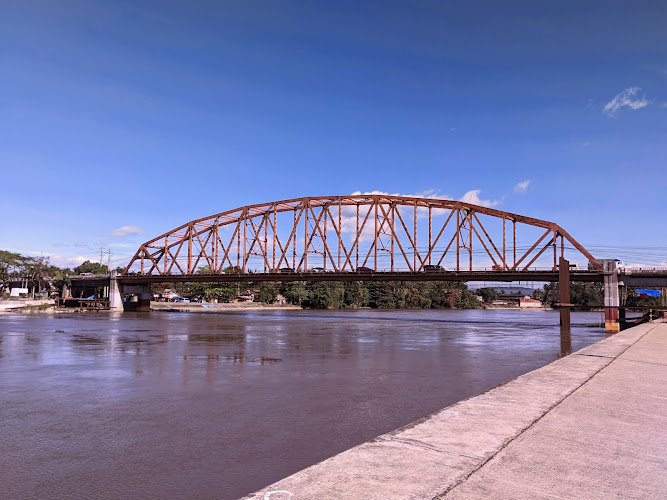
Butuan By The River
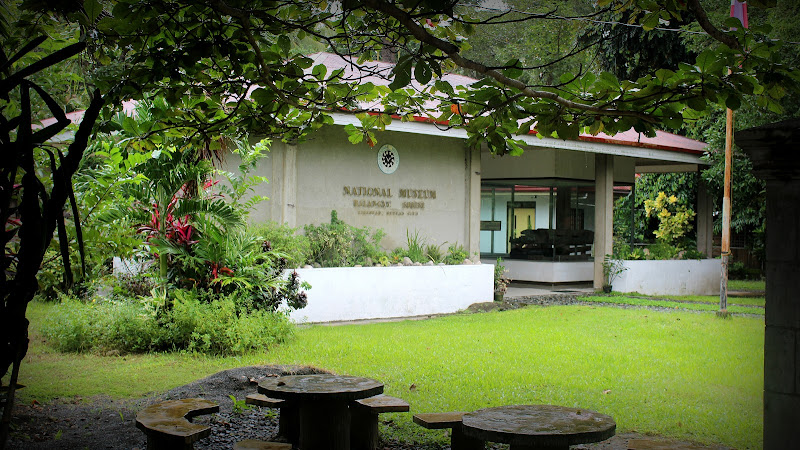
Butuan Archaeological Park
Find Accommodations Nearby
Recommended Tours & Activities
Visitor Reviews
There are no reviews yet. Be the first one to write one.
Share Your Experience
Have you visited SOCOM FORWARD BASE? Help other travelers by leaving a review.