
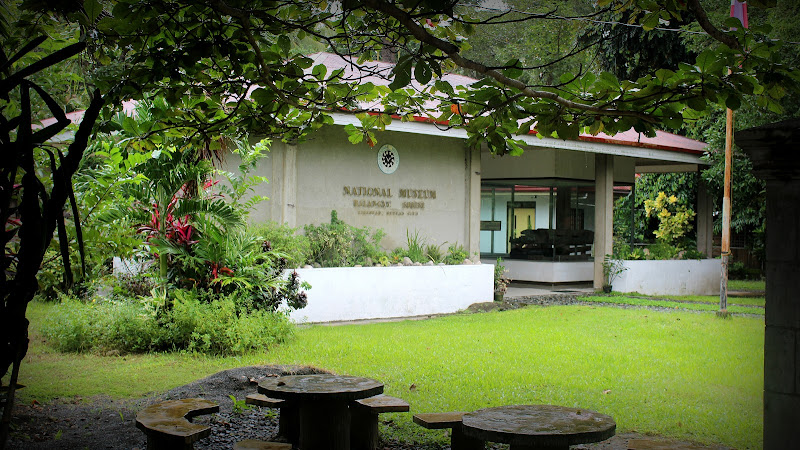
Butuan Archaeological Park
About Butuan Archaeological Park
Description
Butuan Archaeological Park is one of those places that quietly rewires how you think about Philippine history. It doesn’t shout for attention. It just sits there, calmly confident, knowing it has receipts. Established in 1979, the park protects and displays ancient wooden boats—yes, actual boats—that prove early Filipinos were already skilled seafarers long before foreign ships ever showed up on these shores.
The first time walking through the park, it’s hard not to slow down. And I mean really slow down. You’re standing in front of vessels dated as far back as the 10th century, carved from massive hardwood trees, built without modern tools, and still holding their shape after a thousand years. That alone made me pause longer than I planned. I remember thinking, wow, these boats traveled rivers and seas when Europe was still arguing about maps.
This is not a flashy museum with screens everywhere. And honestly, that’s part of its charm. The artifacts speak for themselves. The park focuses on the Butuan Balangay boats, which historians believe were used for trade and travel across Southeast Asia. These finds pushed Butuan into the spotlight as an important pre-colonial trading center. Gold, ceramics, beads, and tools discovered here back that up.
Travelers who expect a massive, air-conditioned complex might find it modest. But those who come curious usually leave impressed. The grounds are peaceful, educational, and surprisingly emotional. You’re not just looking at objects; you’re looking at proof that Filipino civilization was already thriving, organized, and globally connected centuries ago.
And yes, it’s good for kids. I watched a group of students circling a boat replica, arguing loudly about how many people could fit inside. That’s learning happening in real time, no textbook required.
Key Features
- Authentic ancient wooden boats (Balangay) dated from around the 10th century
- Artifacts recovered from archaeological digs, including tools, pottery, and ornaments
- Life-sized replicas to help visualize early boat construction and use
- Wheelchair-accessible entrance, parking, and restrooms for inclusive visits
- Open-air displays that let you view artifacts in a natural, relaxed setting
- Educational panels explaining Butuan’s role in early Southeast Asian trade
- A kid-friendly layout that encourages exploration rather than silent staring
Best Time to Visit
If you ask me, mornings are best. Not too early, not too late. Aim for mid-morning when the sun is up but not aggressive about it. Butuan can get warm, and since parts of the park are outdoors, timing matters. I once visited in the early afternoon and, well, let’s just say I learned that reading exhibit panels while sweating is a skill.
Dry season months, roughly from December to May, are ideal. Less rain means easier walking and better photos. And if you’re the type who enjoys quiet spaces, weekdays are your friend. Weekends bring families and school groups, which isn’t bad, just louder.
There’s no strict rush here. The park doesn’t demand a full day. Most travelers spend one to two hours, depending on how deeply they read and reflect. But give yourself buffer time. History has a way of pulling you in when you least expect it.
How to Get There
Getting to Butuan Archaeological Park is fairly straightforward once you’re in the city. Public transport can drop you close enough, and from there it’s a short walk. Tricycles and jeepneys are common, and drivers usually know the park even if you don’t pronounce it perfectly. Don’t worry, I butchered it my first time too.
If you’re driving, parking is available and accessible. The roads leading in are manageable, even for visitors not used to city traffic in Mindanao. Just take it slow and ask locals if you’re unsure. People here are generally helpful, sometimes overly so, and you might get a mini history lesson before you even arrive.
For travelers flying in, Butuan City is well-connected, and from the airport, it’s an easy ride to the park. No complicated transfers, no dramatic detours. Which is nice, because travel days are already exhausting enough.
Tips for Visiting
First tip: don’t rush. This isn’t a checklist destination. The value comes from lingering, reading, and imagining. Stand next to a boat and think about how it was built without power tools. That thought alone deserves a minute or two.
Second, wear comfortable shoes. Sounds obvious, but you’ll be walking on mixed surfaces. And maybe bring a hat or umbrella. Shade exists, but not everywhere.
If you’re visiting with kids, encourage questions. The exhibits are perfect conversation starters. I overheard one kid ask if pirates used the boats, and instead of shutting it down, the guide turned it into a discussion about trade versus piracy. That stuck with me.
There’s no restaurant inside the park, so eat beforehand or plan to head out after. Restrooms are available and accessible, which is a relief, especially for families and older travelers.
Photography is allowed, but be respectful. These artifacts survived centuries. They don’t need us leaning all over them for the perfect angle. And honestly, the best photos are the quiet ones anyway.
Lastly, manage expectations. This isn’t a blockbuster museum. It’s a heritage site. Some displays are simple. Some labels could use updates. But the historical weight? That’s heavy in the best way. You leave with a deeper appreciation of Filipino ingenuity and maritime culture.
And one more thing, a small aside. If you’ve ever felt like Philippine history classes skipped straight from prehistory to colonization, this park fills that gap. It reminds you that there was a long, sophisticated story already unfolding here. Visiting Butuan Archaeological Park doesn’t just add a stop to your itinerary. It adds context. And for travelers who care about understanding a place, that’s priceless.
Key Features
- Authentic ancient wooden boats (Balangay) dated from around the 10th century
- Artifacts recovered from archaeological digs, including tools, pottery, and ornaments
- Life-sized replicas to help visualize early boat construction and use
- Wheelchair-accessible entrance, parking, and restrooms for inclusive visits
- Open-air displays that let you view artifacts in a natural, relaxed setting
- Educational panels explaining Butuan’s role in early Southeast Asian trade
- A kid-friendly layout that encourages exploration rather than silent staring
More Details
Updated December 31, 2025
Table of Contents
Description
Butuan Archaeological Park is one of those places that quietly rewires how you think about Philippine history. It doesn’t shout for attention. It just sits there, calmly confident, knowing it has receipts. Established in 1979, the park protects and displays ancient wooden boats—yes, actual boats—that prove early Filipinos were already skilled seafarers long before foreign ships ever showed up on these shores.
The first time walking through the park, it’s hard not to slow down. And I mean really slow down. You’re standing in front of vessels dated as far back as the 10th century, carved from massive hardwood trees, built without modern tools, and still holding their shape after a thousand years. That alone made me pause longer than I planned. I remember thinking, wow, these boats traveled rivers and seas when Europe was still arguing about maps.
This is not a flashy museum with screens everywhere. And honestly, that’s part of its charm. The artifacts speak for themselves. The park focuses on the Butuan Balangay boats, which historians believe were used for trade and travel across Southeast Asia. These finds pushed Butuan into the spotlight as an important pre-colonial trading center. Gold, ceramics, beads, and tools discovered here back that up.
Travelers who expect a massive, air-conditioned complex might find it modest. But those who come curious usually leave impressed. The grounds are peaceful, educational, and surprisingly emotional. You’re not just looking at objects; you’re looking at proof that Filipino civilization was already thriving, organized, and globally connected centuries ago.
And yes, it’s good for kids. I watched a group of students circling a boat replica, arguing loudly about how many people could fit inside. That’s learning happening in real time, no textbook required.
Key Features
- Authentic ancient wooden boats (Balangay) dated from around the 10th century
- Artifacts recovered from archaeological digs, including tools, pottery, and ornaments
- Life-sized replicas to help visualize early boat construction and use
- Wheelchair-accessible entrance, parking, and restrooms for inclusive visits
- Open-air displays that let you view artifacts in a natural, relaxed setting
- Educational panels explaining Butuan’s role in early Southeast Asian trade
- A kid-friendly layout that encourages exploration rather than silent staring
Best Time to Visit
If you ask me, mornings are best. Not too early, not too late. Aim for mid-morning when the sun is up but not aggressive about it. Butuan can get warm, and since parts of the park are outdoors, timing matters. I once visited in the early afternoon and, well, let’s just say I learned that reading exhibit panels while sweating is a skill.
Dry season months, roughly from December to May, are ideal. Less rain means easier walking and better photos. And if you’re the type who enjoys quiet spaces, weekdays are your friend. Weekends bring families and school groups, which isn’t bad, just louder.
There’s no strict rush here. The park doesn’t demand a full day. Most travelers spend one to two hours, depending on how deeply they read and reflect. But give yourself buffer time. History has a way of pulling you in when you least expect it.
How to Get There
Getting to Butuan Archaeological Park is fairly straightforward once you’re in the city. Public transport can drop you close enough, and from there it’s a short walk. Tricycles and jeepneys are common, and drivers usually know the park even if you don’t pronounce it perfectly. Don’t worry, I butchered it my first time too.
If you’re driving, parking is available and accessible. The roads leading in are manageable, even for visitors not used to city traffic in Mindanao. Just take it slow and ask locals if you’re unsure. People here are generally helpful, sometimes overly so, and you might get a mini history lesson before you even arrive.
For travelers flying in, Butuan City is well-connected, and from the airport, it’s an easy ride to the park. No complicated transfers, no dramatic detours. Which is nice, because travel days are already exhausting enough.
Tips for Visiting
First tip: don’t rush. This isn’t a checklist destination. The value comes from lingering, reading, and imagining. Stand next to a boat and think about how it was built without power tools. That thought alone deserves a minute or two.
Second, wear comfortable shoes. Sounds obvious, but you’ll be walking on mixed surfaces. And maybe bring a hat or umbrella. Shade exists, but not everywhere.
If you’re visiting with kids, encourage questions. The exhibits are perfect conversation starters. I overheard one kid ask if pirates used the boats, and instead of shutting it down, the guide turned it into a discussion about trade versus piracy. That stuck with me.
There’s no restaurant inside the park, so eat beforehand or plan to head out after. Restrooms are available and accessible, which is a relief, especially for families and older travelers.
Photography is allowed, but be respectful. These artifacts survived centuries. They don’t need us leaning all over them for the perfect angle. And honestly, the best photos are the quiet ones anyway.
Lastly, manage expectations. This isn’t a blockbuster museum. It’s a heritage site. Some displays are simple. Some labels could use updates. But the historical weight? That’s heavy in the best way. You leave with a deeper appreciation of Filipino ingenuity and maritime culture.
And one more thing, a small aside. If you’ve ever felt like Philippine history classes skipped straight from prehistory to colonization, this park fills that gap. It reminds you that there was a long, sophisticated story already unfolding here. Visiting Butuan Archaeological Park doesn’t just add a stop to your itinerary. It adds context. And for travelers who care about understanding a place, that’s priceless.
Key Highlights
- Authentic ancient wooden boats (Balangay) dated from around the 10th century
- Artifacts recovered from archaeological digs, including tools, pottery, and ornaments
- Life-sized replicas to help visualize early boat construction and use
- Wheelchair-accessible entrance, parking, and restrooms for inclusive visits
- Open-air displays that let you view artifacts in a natural, relaxed setting
- Educational panels explaining Butuan’s role in early Southeast Asian trade
- A kid-friendly layout that encourages exploration rather than silent staring
Location
Places to Stay Near Butuan Archaeological Park
Find and Book a Tour
Explore More Travel Guides
No reviews found! Be the first to review!
Traveler Reviews for Butuan Archaeological Park
There are no reviews yet. Be the first one to write one.
Have you visited Butuan Archaeological Park? Help other travelers by sharing your review.
You Might Also Like

Butuan City

Altar Falls

Purok 3 Ambangan butuan city agusan del norte
Find Accommodations Nearby
Recommended Tours & Activities
Visitor Reviews
There are no reviews yet. Be the first one to write one.
Share Your Experience
Have you visited Butuan Archaeological Park? Help other travelers by leaving a review.