
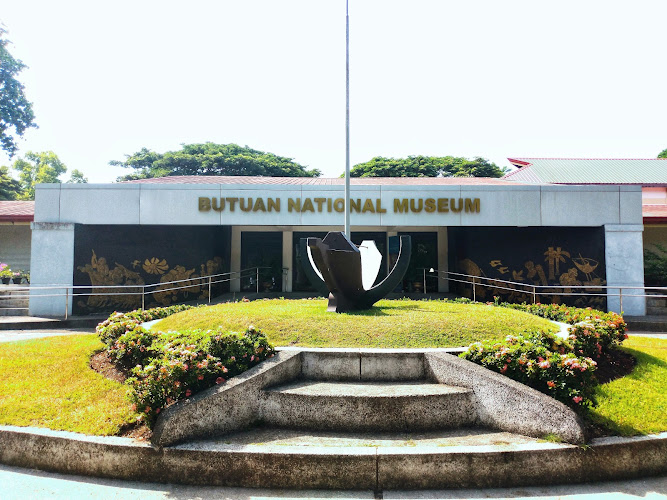
Butuan National Museum
About Butuan National Museum
Description
The Butuan National Museum is one of those places that quietly sticks with you long after you’ve left the building. It doesn’t shout for attention, and it doesn’t try to dazzle with flashy tech or gimmicks. Instead, it tells its story patiently, one artifact at a time. And honestly, that feels right for Butuan, a city that played a huge role in early Philippine history but doesn’t always get the spotlight it deserves.
This national museum focuses on regional archaeology and cultural heritage, especially the ancient trading history of Butuan and the surrounding Agusan region. If you’ve ever heard about the balangay boats—the wooden vessels that proved pre-colonial Filipinos were expert seafarers—this is where the story really clicks. Seeing the actual remnants, not just photos in a textbook, hits differently. I remember standing there thinking, wow, people were crossing seas and trading with neighbors centuries before colonizers even showed up. Makes you reframe what you thought you knew.
The museum layout is straightforward and approachable. You don’t need to be a history buff to enjoy it. Displays are well-labeled, and the pacing feels human, not overwhelming. Some sections are modest, yes, and a few exhibits show their age. But there’s a sincerity to the place that makes you slow down. You’re not rushed. And you’re not treated like you’re dumb either, which I appreciate.
For travelers, the Butuan National Museum works beautifully as a grounding stop. It gives context to the city beyond malls and food trips. After visiting, the streets outside feel different. You start imagining ancient traders moving through the same land, carrying gold, ceramics, and stories. And that’s the kind of experience that sticks, even if the aircon is a bit uneven or a display case needs updating. Real places aren’t perfect, and that’s okay.
Key Features
- Extensive collection of archaeological artifacts from the Butuan and Agusan region, including tools, pottery, and burial items
- Exhibits highlighting the famous balangay boats and Butuan’s role in early Southeast Asian trade
- Cultural displays that explain indigenous traditions, daily life, and belief systems
- Clear, informative captions that make the exhibits easy to understand even for first-time visitors
- Wheelchair-accessible entrance, parking area, and restrooms, which is a big plus and not always a given
- Kid-friendly layout that allows children to explore without feeling bored after five minutes
- Clean restrooms available on-site (small thing, but travelers know it matters)
Best Time to Visit
If you want my honest opinion, mornings are the sweet spot. The museum tends to be quieter early in the day, and you can move through the galleries without feeling like you’re in anyone’s way. Late morning, just before lunch, is especially nice because the light feels softer and the place feels calm. I once visited around that time and ended up lingering way longer than planned, just reading labels and staring at old maps like I had nowhere else to be.
Weekdays are generally less crowded than weekends, especially if there’s a school field trip scheduled. When kids are around, the energy changes. It’s louder, more chaotic, but also kind of fun. You hear questions blurted out, half-answers from teachers, and the occasional “Uy, ang galing!” echoing through the hall. If you prefer a quieter, more reflective experience, aim for a weekday.
As for the time of year, the museum is an indoor attraction, so it’s a reliable option during the rainy season. When Butuan weather turns moody—and it does—you’ll be glad to have a place like this to duck into. During summer months, it’s also a nice break from the heat, even if the air conditioning isn’t ice-cold everywhere. Bring a little patience. It’s part of the charm.
How to Get There
Getting to the Butuan National Museum is refreshingly easy, especially compared to more remote heritage sites in the Philippines. From most parts of the city, it’s a short ride by taxi, tricycle, or jeepney. Locals know it well, so you won’t get blank stares when you mention it. And that’s always reassuring when you’re in a new place and slightly unsure of yourself.
If you’re staying in central Butuan, you could even walk, depending on your tolerance for heat and humidity. I tried it once. Halfway there, I questioned my life choices, but I also discovered a few neighborhood food spots along the way. So, pros and cons. If you’re driving, parking is available and accessible, which makes things smoother for families and older travelers.
For visitors coming from outside the city, Butuan is well-connected by air and land. Once you’re in town, the museum fits easily into a half-day itinerary. No complicated planning required, no long transfers. It’s one of those rare cultural stops that doesn’t feel like work to get to.
Tips for Visiting
First tip: give yourself more time than you think you need. The museum isn’t huge, but if you rush through, you’ll miss the small details that make it special. I’ve seen people breeze through in 20 minutes, and I always feel like tapping them on the shoulder and saying, hey, slow down, this part matters.
Second, read the captions. Seriously. This isn’t a museum where you can just glance at objects and move on. The stories are in the explanations. They’re written clearly and with care, and they add layers to what you’re seeing. Without them, a gold ornament is just shiny. With them, it’s proof of an advanced society with far-reaching connections.
If you’re visiting with kids, let them ask questions, even the weird ones. The museum is good for children, but it really comes alive when they’re engaged. I once overheard a kid ask why ancient people didn’t just use phones to trade, and the guide handled it with such patience and humor that everyone nearby smiled. Moments like that are gold.
Wear comfortable shoes. The floors are easy to walk on, but you’ll likely be standing more than you expect. And bring a small notebook or use your phone to jot down thoughts. Some exhibits spark ideas or questions you might want to look up later. I still have notes from my first visit, random scribbles about trade routes and boat-building techniques.
There’s no restaurant inside, so plan meals before or after your visit. The good news is that Butuan has plenty of local food options nearby. Use the museum visit as a starting point, then go eat something hearty and think about what you just learned. That combo works wonders.
Lastly, manage expectations. This isn’t a glossy, high-budget museum like you’d find in a capital city. And that’s fine. What it offers is authenticity, regional pride, and a genuine effort to preserve history. Go in with curiosity instead of a checklist, and you’ll leave feeling like you actually learned something meaningful.
The Butuan National Museum may not be perfect, but it’s real. And for travelers who care about understanding where they are, not just snapping photos, that counts for a lot.
Key Features
- Extensive collection of archaeological artifacts from the Butuan and Agusan region, including tools, pottery, and burial items
- Exhibits highlighting the famous balangay boats and Butuan’s role in early Southeast Asian trade
- Cultural displays that explain indigenous traditions, daily life, and belief systems
- Clear, informative captions that make the exhibits easy to understand even for first-time visitors
- Wheelchair-accessible entrance, parking area, and restrooms, which is a big plus and not always a given
- Kid-friendly layout that allows children to explore without feeling bored after five minutes
- Clean restrooms available on-site (small thing, but travelers know it matters)
More Details
Updated December 31, 2025
Table of Contents
Description
The Butuan National Museum is one of those places that quietly sticks with you long after you’ve left the building. It doesn’t shout for attention, and it doesn’t try to dazzle with flashy tech or gimmicks. Instead, it tells its story patiently, one artifact at a time. And honestly, that feels right for Butuan, a city that played a huge role in early Philippine history but doesn’t always get the spotlight it deserves.
This national museum focuses on regional archaeology and cultural heritage, especially the ancient trading history of Butuan and the surrounding Agusan region. If you’ve ever heard about the balangay boats—the wooden vessels that proved pre-colonial Filipinos were expert seafarers—this is where the story really clicks. Seeing the actual remnants, not just photos in a textbook, hits differently. I remember standing there thinking, wow, people were crossing seas and trading with neighbors centuries before colonizers even showed up. Makes you reframe what you thought you knew.
The museum layout is straightforward and approachable. You don’t need to be a history buff to enjoy it. Displays are well-labeled, and the pacing feels human, not overwhelming. Some sections are modest, yes, and a few exhibits show their age. But there’s a sincerity to the place that makes you slow down. You’re not rushed. And you’re not treated like you’re dumb either, which I appreciate.
For travelers, the Butuan National Museum works beautifully as a grounding stop. It gives context to the city beyond malls and food trips. After visiting, the streets outside feel different. You start imagining ancient traders moving through the same land, carrying gold, ceramics, and stories. And that’s the kind of experience that sticks, even if the aircon is a bit uneven or a display case needs updating. Real places aren’t perfect, and that’s okay.
Key Features
- Extensive collection of archaeological artifacts from the Butuan and Agusan region, including tools, pottery, and burial items
- Exhibits highlighting the famous balangay boats and Butuan’s role in early Southeast Asian trade
- Cultural displays that explain indigenous traditions, daily life, and belief systems
- Clear, informative captions that make the exhibits easy to understand even for first-time visitors
- Wheelchair-accessible entrance, parking area, and restrooms, which is a big plus and not always a given
- Kid-friendly layout that allows children to explore without feeling bored after five minutes
- Clean restrooms available on-site (small thing, but travelers know it matters)
Best Time to Visit
If you want my honest opinion, mornings are the sweet spot. The museum tends to be quieter early in the day, and you can move through the galleries without feeling like you’re in anyone’s way. Late morning, just before lunch, is especially nice because the light feels softer and the place feels calm. I once visited around that time and ended up lingering way longer than planned, just reading labels and staring at old maps like I had nowhere else to be.
Weekdays are generally less crowded than weekends, especially if there’s a school field trip scheduled. When kids are around, the energy changes. It’s louder, more chaotic, but also kind of fun. You hear questions blurted out, half-answers from teachers, and the occasional “Uy, ang galing!” echoing through the hall. If you prefer a quieter, more reflective experience, aim for a weekday.
As for the time of year, the museum is an indoor attraction, so it’s a reliable option during the rainy season. When Butuan weather turns moody—and it does—you’ll be glad to have a place like this to duck into. During summer months, it’s also a nice break from the heat, even if the air conditioning isn’t ice-cold everywhere. Bring a little patience. It’s part of the charm.
How to Get There
Getting to the Butuan National Museum is refreshingly easy, especially compared to more remote heritage sites in the Philippines. From most parts of the city, it’s a short ride by taxi, tricycle, or jeepney. Locals know it well, so you won’t get blank stares when you mention it. And that’s always reassuring when you’re in a new place and slightly unsure of yourself.
If you’re staying in central Butuan, you could even walk, depending on your tolerance for heat and humidity. I tried it once. Halfway there, I questioned my life choices, but I also discovered a few neighborhood food spots along the way. So, pros and cons. If you’re driving, parking is available and accessible, which makes things smoother for families and older travelers.
For visitors coming from outside the city, Butuan is well-connected by air and land. Once you’re in town, the museum fits easily into a half-day itinerary. No complicated planning required, no long transfers. It’s one of those rare cultural stops that doesn’t feel like work to get to.
Tips for Visiting
First tip: give yourself more time than you think you need. The museum isn’t huge, but if you rush through, you’ll miss the small details that make it special. I’ve seen people breeze through in 20 minutes, and I always feel like tapping them on the shoulder and saying, hey, slow down, this part matters.
Second, read the captions. Seriously. This isn’t a museum where you can just glance at objects and move on. The stories are in the explanations. They’re written clearly and with care, and they add layers to what you’re seeing. Without them, a gold ornament is just shiny. With them, it’s proof of an advanced society with far-reaching connections.
If you’re visiting with kids, let them ask questions, even the weird ones. The museum is good for children, but it really comes alive when they’re engaged. I once overheard a kid ask why ancient people didn’t just use phones to trade, and the guide handled it with such patience and humor that everyone nearby smiled. Moments like that are gold.
Wear comfortable shoes. The floors are easy to walk on, but you’ll likely be standing more than you expect. And bring a small notebook or use your phone to jot down thoughts. Some exhibits spark ideas or questions you might want to look up later. I still have notes from my first visit, random scribbles about trade routes and boat-building techniques.
There’s no restaurant inside, so plan meals before or after your visit. The good news is that Butuan has plenty of local food options nearby. Use the museum visit as a starting point, then go eat something hearty and think about what you just learned. That combo works wonders.
Lastly, manage expectations. This isn’t a glossy, high-budget museum like you’d find in a capital city. And that’s fine. What it offers is authenticity, regional pride, and a genuine effort to preserve history. Go in with curiosity instead of a checklist, and you’ll leave feeling like you actually learned something meaningful.
The Butuan National Museum may not be perfect, but it’s real. And for travelers who care about understanding where they are, not just snapping photos, that counts for a lot.
Key Highlights
- Extensive collection of archaeological artifacts from the Butuan and Agusan region, including tools, pottery, and burial items
- Exhibits highlighting the famous balangay boats and Butuan’s role in early Southeast Asian trade
- Cultural displays that explain indigenous traditions, daily life, and belief systems
- Clear, informative captions that make the exhibits easy to understand even for first-time visitors
- Wheelchair-accessible entrance, parking area, and restrooms, which is a big plus and not always a given
- Kid-friendly layout that allows children to explore without feeling bored after five minutes
- Clean restrooms available on-site (small thing, but travelers know it matters)
Location
Places to Stay Near Butuan National Museum
Find and Book a Tour
Explore More Travel Guides
No reviews found! Be the first to review!
Traveler Reviews for Butuan National Museum
There are no reviews yet. Be the first one to write one.
Have you visited Butuan National Museum? Help other travelers by sharing your review.
You Might Also Like

KRAEFI-SUMILE Botanical & Zoologic Garden (ELIJAN)

p-8 NIA Libertad,Butuan City

Banza Church Ruins
Find Accommodations Nearby
Recommended Tours & Activities
Visitor Reviews
There are no reviews yet. Be the first one to write one.
Share Your Experience
Have you visited Butuan National Museum? Help other travelers by leaving a review.