
Ritsurin Garden
About Ritsurin Garden
Description
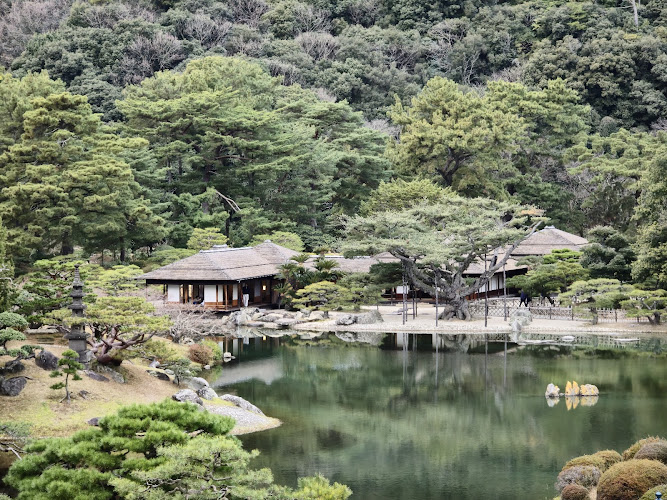
Ritsurin Garden stands as one of Japan's most exceptional historical landscapes, and honestly, it's a place that catches you off guard with how much thought went into every single element. Dating back to the early 1700s, this garden isn't just a collection of pretty plants and ponds thrown together—it's a masterpiece of Edo-period landscape design that took over a century to complete. The feudal lords of Takamatsu poured resources and vision into creating something that would outlast their own reigns, and boy, did they succeed. Spanning roughly 75 hectares, which makes it one of the largest cultural property gardens in Japan, Ritsurin Garden offers visitors an experience that shifts with every step you take. The designers used borrowed scenery—a technique called shakkei—incorporating Mount Shiun in the background to make the garden feel even more expansive than it already is. And when you're walking through it, you'll notice how the perspective changes constantly, revealing new compositions of water, stone, and pine trees that look like they've been painted into existence. What makes Ritsurin Garden particularly special compared to other famous Japanese gardens is the southern garden's design, which follows the "circuit style" layout. This means you're meant to walk along specific paths that reveal carefully choreographed views at particular moments. There's something almost cinematic about it—each turn presents a new scene, and you'll find yourself stopping more than you planned because another perfect view demands your attention. The garden features six ponds and thirteen scenic hills, all connected by winding paths that take you through different moods and atmospheres. One moment you're beside the expansive Southern Pond, watching carp glide beneath the surface, and the next you're in an intimate grove where black pines have been manicured into sculptural forms over decades. These aren't trees that just happen to look nice—gardeners have been training and shaping them for generations, and you can see that dedication in every branch.Key Features
- Kikugetsu-tei Teahouse - This traditional teahouse sits at the edge of the Southern Pond and offers matcha tea service where you can sit on tatami mats and watch the garden unfold from a different perspective. The experience of sipping ceremonial tea while looking out over precisely composed scenery is something that sticks with you long after you've left
- Southern and Northern Gardens - The garden actually consists of two distinct sections with the southern part following formal daimyo garden design and the northern section offering a more naturalistic Western-influenced layout from later periods. Most visitors focus on the south, but exploring both gives you a fuller picture
- Hiraiho Hill - The garden's highest point provides sweeping views across the entire landscape, and climbing up here early in your visit helps you understand the scale and layout of everything you're about to explore
- Crane and Tortoise Islands - These artificial islands carry symbolic meanings of longevity and good fortune in Japanese culture, and they're positioned in the ponds with such precision that you'd swear they naturally emerged from the water
- More than 1,000 Pine Trees - The garden's signature black pines have been meticulously maintained for centuries, with some specimens being absolutely ancient. The dedication required to keep these trees in their distinctive shapes is staggering when you think about it
- Boat Rides - You can rent a traditional boat and paddle yourself around the Southern Pond, which gives you yet another completely different perspective on the landscape. Seeing those stone lanterns and carefully placed rocks from water level reveals design details you'd otherwise miss
- Sanuki Folk Craft Museum - Located within the garden grounds, this museum showcases traditional crafts from the Kagawa region, adding cultural context to your visit beyond just the landscaping itself
- Seasonal Flowers - Throughout the year, different plants take their turn in the spotlight—plum blossoms, cherry blossoms, irises, lotus flowers, and autumn leaves all have their moments, ensuring the garden never looks quite the same twice
Best Time to Visit
Here's where things get interesting because honestly, there isn't really a bad time to visit Ritsurin Garden. But certain seasons do offer experiences that are pretty hard to beat. Spring, particularly late March through early April, brings the cherry blossoms that everyone talks about. The garden has hundreds of cherry trees, and when they're in full bloom, the place takes on an almost dreamlike quality. But—and this is important—you'll be sharing the experience with considerably more people during peak sakura season. If crowds make you anxious, you might want to aim for early spring when the plum blossoms are showing off instead. I've always thought autumn might actually be the secret best time to visit. From mid-November through early December, the maple trees ignite in shades of red and gold that reflect in the ponds like nature's own mirror trick. The temperatures are comfortable for walking the extensive grounds, and something about the autumn light makes the garden's colors pop in photographs without even trying. Plus, the garden occasionally offers special illumination events during autumn evenings, and seeing those maples lit up against the night sky is genuinely magical. Summer brings its own appeal if you can handle the humidity, which in Takamatsu can get pretty thick. The lotus flowers bloom on the ponds during July and August, and the intense green of everything creates a lush, almost tropical atmosphere. Early morning visits during summer are particularly rewarding because you'll beat both the heat and the crowds. The garden opens at 7:00 AM, and showing up right when the gates open means you might have certain areas almost to yourself. Winter is the underdog season that doesn't get enough credit. While you won't see the flowering spectacles of other times, the garden's bones are revealed in winter in a way that helps you appreciate the design even more. The pine trees stand out against potentially snow-dusted hills, and the reduced visitor numbers mean you can really take your time. On clear winter days, the light has this crisp quality that photographers dream about. Weekday visits generally offer a more peaceful experience than weekends regardless of season, which probably goes without saying but is worth mentioning anyway. And if you're trying to avoid tour groups, which can be substantial given the garden's popularity, earlier mornings or late afternoons tend to be quieter.How to Get There
Getting to Ritsurin Garden is refreshingly straightforward, especially considering how accessible public transportation makes most attractions in Japan. The garden is located in Takamatsu, the capital city of Kagawa Prefecture on Shikoku island. From Takamatsu Station, you've got several options. The most direct is taking the JR Kotoku Line just one stop south to Ritsurin-Koen Kitaguchi Station, which deposits you right near the north entrance of the garden. The ride takes maybe 3 minutes, and trains run frequently throughout the day. This entrance is perfectly fine, though many visitors prefer entering from the main east gate. For the east entrance, you can catch a bus from Takamatsu Station—the Kotoden bus bound for Ritsurin Garden stops directly at the entrance. The ride takes about 15 minutes depending on traffic. Several bus routes service the garden, so just ask at the station's information desk and they'll point you toward the right platform. Honestly though, if the weather's decent and you're not hauling heavy luggage, walking from Takamatsu Station to the garden takes only about 20-25 minutes and lets you see a bit of the city along the way. The route is fairly straightforward, and you can use your phone's map to navigate easily enough. If you're coming from other parts of Japan, you'll likely arrive at Takamatsu Station first. From Osaka or Kyoto, you can take the JR Marine Liner across the Seto Inland Sea, which is an experience in itself—the train literally crosses the ocean on a massive bridge. The journey from Okayama to Takamatsu takes about an hour. From Tokyo, you're looking at about 4.5 hours by shinkansen to Okayama followed by the Marine Liner connection. For those driving, there's paid parking available at the garden, and the accessibility features are solid if you're traveling with someone who uses a wheelchair. The parking situation is generally manageable except during peak sakura season when spaces fill up fast.Tips for Visiting
Plan for at least two hours, though you could easily spend three or four if you're really soaking it in. Rushing through defeats the entire purpose of the garden's design, which is meant to be experienced at a contemplative pace. I've seen people try to speedrun the place in 45 minutes, and they always look slightly confused afterward, like they missed something important—which they did. Wear comfortable walking shoes because you'll be covering some ground. The paths are mostly well-maintained, but you'll encounter some stone steps and uneven surfaces, especially if you venture into the hillside areas. Those elegant shoes might look great in photos, but your feet will thank you for choosing comfort instead. Download a map from the garden's information or pick up a paper one at the entrance. The layout can be disorienting at first, and having a map helps you identify what you're looking at. The garden provides English signage at major points, but having your own reference makes navigation easier. Consider hiring a volunteer guide if you're interested in deeper historical and horticultural context. The garden offers free guided tours in English at certain times, and having someone explain the symbolism behind specific design choices and the meanings of various elements adds substantial depth to the experience. You'll learn things you'd never pick up on your own. The teahouse experience is absolutely worth the additional fee. Yes, it adds to your costs, but sitting in that traditional setting with proper matcha tea service while gazing at the pond is one of those travel moments that justifies itself. Just be aware that the teahouse can get busy, particularly during peak seasons. Bring your camera but don't experience the entire garden through a screen. I'm guilty of this myself—getting so focused on capturing the perfect shot that I forget to actually look at what's in front of me. The garden is incredibly photogenic, but make sure you're spending time just being present too. Early morning visits offer the best light for photography and the fewest crowds, as mentioned earlier. The garden opens at 7:00 AM most of the year (5:30 AM from May through August), and those first hours have a special quality before the day fully heats up. Public restrooms are available throughout the garden, which is helpful given the size of the place. They're clean and well-maintained, meeting the standards you'd expect in Japan. The admission fee is remarkably reasonable considering what you're getting—currently around 410 yen for adults, which is less than four US dollars for access to one of Japan's premier cultural properties. They accept credit cards and transit IC cards, so you don't need exact cash, though having some yen on hand never hurts. If you're visiting during rainy weather, don't automatically skip it. The garden takes on a completely different character in the rain, with mist rising off the ponds and the colors of the plants seeming more intense against gray skies. Bring an umbrella and embrace it—you'll practically have the place to yourself. Lastly, the garden shop near the entrance sells local products and crafts that make for more meaningful souvenirs than the usual tourist stuff. Sanuki udon noodles, which Kagawa is famous for, are available in packaged form and are genuinely good quality.Key Features
- Key Features
- Best Time to Visit
- How to Get There
- Tips for Visiting
More Details
Updated January 5, 2026
Table of Contents
Description
Ritsurin Garden stands as one of Japan’s most exceptional historical landscapes, and honestly, it’s a place that catches you off guard with how much thought went into every single element. Dating back to the early 1700s, this garden isn’t just a collection of pretty plants and ponds thrown together—it’s a masterpiece of Edo-period landscape design that took over a century to complete. The feudal lords of Takamatsu poured resources and vision into creating something that would outlast their own reigns, and boy, did they succeed.
Spanning roughly 75 hectares, which makes it one of the largest cultural property gardens in Japan, Ritsurin Garden offers visitors an experience that shifts with every step you take. The designers used borrowed scenery—a technique called shakkei—incorporating Mount Shiun in the background to make the garden feel even more expansive than it already is. And when you’re walking through it, you’ll notice how the perspective changes constantly, revealing new compositions of water, stone, and pine trees that look like they’ve been painted into existence.
What makes Ritsurin Garden particularly special compared to other famous Japanese gardens is the southern garden’s design, which follows the “circuit style” layout. This means you’re meant to walk along specific paths that reveal carefully choreographed views at particular moments. There’s something almost cinematic about it—each turn presents a new scene, and you’ll find yourself stopping more than you planned because another perfect view demands your attention.
The garden features six ponds and thirteen scenic hills, all connected by winding paths that take you through different moods and atmospheres. One moment you’re beside the expansive Southern Pond, watching carp glide beneath the surface, and the next you’re in an intimate grove where black pines have been manicured into sculptural forms over decades. These aren’t trees that just happen to look nice—gardeners have been training and shaping them for generations, and you can see that dedication in every branch.
Key Features
- Kikugetsu-tei Teahouse – This traditional teahouse sits at the edge of the Southern Pond and offers matcha tea service where you can sit on tatami mats and watch the garden unfold from a different perspective. The experience of sipping ceremonial tea while looking out over precisely composed scenery is something that sticks with you long after you’ve left
- Southern and Northern Gardens – The garden actually consists of two distinct sections with the southern part following formal daimyo garden design and the northern section offering a more naturalistic Western-influenced layout from later periods. Most visitors focus on the south, but exploring both gives you a fuller picture
- Hiraiho Hill – The garden’s highest point provides sweeping views across the entire landscape, and climbing up here early in your visit helps you understand the scale and layout of everything you’re about to explore
- Crane and Tortoise Islands – These artificial islands carry symbolic meanings of longevity and good fortune in Japanese culture, and they’re positioned in the ponds with such precision that you’d swear they naturally emerged from the water
- More than 1,000 Pine Trees – The garden’s signature black pines have been meticulously maintained for centuries, with some specimens being absolutely ancient. The dedication required to keep these trees in their distinctive shapes is staggering when you think about it
- Boat Rides – You can rent a traditional boat and paddle yourself around the Southern Pond, which gives you yet another completely different perspective on the landscape. Seeing those stone lanterns and carefully placed rocks from water level reveals design details you’d otherwise miss
- Sanuki Folk Craft Museum – Located within the garden grounds, this museum showcases traditional crafts from the Kagawa region, adding cultural context to your visit beyond just the landscaping itself
- Seasonal Flowers – Throughout the year, different plants take their turn in the spotlight—plum blossoms, cherry blossoms, irises, lotus flowers, and autumn leaves all have their moments, ensuring the garden never looks quite the same twice
Best Time to Visit
Here’s where things get interesting because honestly, there isn’t really a bad time to visit Ritsurin Garden. But certain seasons do offer experiences that are pretty hard to beat.
Spring, particularly late March through early April, brings the cherry blossoms that everyone talks about. The garden has hundreds of cherry trees, and when they’re in full bloom, the place takes on an almost dreamlike quality. But—and this is important—you’ll be sharing the experience with considerably more people during peak sakura season. If crowds make you anxious, you might want to aim for early spring when the plum blossoms are showing off instead.
I’ve always thought autumn might actually be the secret best time to visit. From mid-November through early December, the maple trees ignite in shades of red and gold that reflect in the ponds like nature’s own mirror trick. The temperatures are comfortable for walking the extensive grounds, and something about the autumn light makes the garden’s colors pop in photographs without even trying. Plus, the garden occasionally offers special illumination events during autumn evenings, and seeing those maples lit up against the night sky is genuinely magical.
Summer brings its own appeal if you can handle the humidity, which in Takamatsu can get pretty thick. The lotus flowers bloom on the ponds during July and August, and the intense green of everything creates a lush, almost tropical atmosphere. Early morning visits during summer are particularly rewarding because you’ll beat both the heat and the crowds. The garden opens at 7:00 AM, and showing up right when the gates open means you might have certain areas almost to yourself.
Winter is the underdog season that doesn’t get enough credit. While you won’t see the flowering spectacles of other times, the garden’s bones are revealed in winter in a way that helps you appreciate the design even more. The pine trees stand out against potentially snow-dusted hills, and the reduced visitor numbers mean you can really take your time. On clear winter days, the light has this crisp quality that photographers dream about.
Weekday visits generally offer a more peaceful experience than weekends regardless of season, which probably goes without saying but is worth mentioning anyway. And if you’re trying to avoid tour groups, which can be substantial given the garden’s popularity, earlier mornings or late afternoons tend to be quieter.
How to Get There
Getting to Ritsurin Garden is refreshingly straightforward, especially considering how accessible public transportation makes most attractions in Japan. The garden is located in Takamatsu, the capital city of Kagawa Prefecture on Shikoku island.
From Takamatsu Station, you’ve got several options. The most direct is taking the JR Kotoku Line just one stop south to Ritsurin-Koen Kitaguchi Station, which deposits you right near the north entrance of the garden. The ride takes maybe 3 minutes, and trains run frequently throughout the day. This entrance is perfectly fine, though many visitors prefer entering from the main east gate.
For the east entrance, you can catch a bus from Takamatsu Station—the Kotoden bus bound for Ritsurin Garden stops directly at the entrance. The ride takes about 15 minutes depending on traffic. Several bus routes service the garden, so just ask at the station’s information desk and they’ll point you toward the right platform.
Honestly though, if the weather’s decent and you’re not hauling heavy luggage, walking from Takamatsu Station to the garden takes only about 20-25 minutes and lets you see a bit of the city along the way. The route is fairly straightforward, and you can use your phone’s map to navigate easily enough.
If you’re coming from other parts of Japan, you’ll likely arrive at Takamatsu Station first. From Osaka or Kyoto, you can take the JR Marine Liner across the Seto Inland Sea, which is an experience in itself—the train literally crosses the ocean on a massive bridge. The journey from Okayama to Takamatsu takes about an hour. From Tokyo, you’re looking at about 4.5 hours by shinkansen to Okayama followed by the Marine Liner connection.
For those driving, there’s paid parking available at the garden, and the accessibility features are solid if you’re traveling with someone who uses a wheelchair. The parking situation is generally manageable except during peak sakura season when spaces fill up fast.
Tips for Visiting
Plan for at least two hours, though you could easily spend three or four if you’re really soaking it in. Rushing through defeats the entire purpose of the garden’s design, which is meant to be experienced at a contemplative pace. I’ve seen people try to speedrun the place in 45 minutes, and they always look slightly confused afterward, like they missed something important—which they did.
Wear comfortable walking shoes because you’ll be covering some ground. The paths are mostly well-maintained, but you’ll encounter some stone steps and uneven surfaces, especially if you venture into the hillside areas. Those elegant shoes might look great in photos, but your feet will thank you for choosing comfort instead.
Download a map from the garden’s information or pick up a paper one at the entrance. The layout can be disorienting at first, and having a map helps you identify what you’re looking at. The garden provides English signage at major points, but having your own reference makes navigation easier.
Consider hiring a volunteer guide if you’re interested in deeper historical and horticultural context. The garden offers free guided tours in English at certain times, and having someone explain the symbolism behind specific design choices and the meanings of various elements adds substantial depth to the experience. You’ll learn things you’d never pick up on your own.
The teahouse experience is absolutely worth the additional fee. Yes, it adds to your costs, but sitting in that traditional setting with proper matcha tea service while gazing at the pond is one of those travel moments that justifies itself. Just be aware that the teahouse can get busy, particularly during peak seasons.
Bring your camera but don’t experience the entire garden through a screen. I’m guilty of this myself—getting so focused on capturing the perfect shot that I forget to actually look at what’s in front of me. The garden is incredibly photogenic, but make sure you’re spending time just being present too.
Early morning visits offer the best light for photography and the fewest crowds, as mentioned earlier. The garden opens at 7:00 AM most of the year (5:30 AM from May through August), and those first hours have a special quality before the day fully heats up.
Public restrooms are available throughout the garden, which is helpful given the size of the place. They’re clean and well-maintained, meeting the standards you’d expect in Japan.
The admission fee is remarkably reasonable considering what you’re getting—currently around 410 yen for adults, which is less than four US dollars for access to one of Japan’s premier cultural properties. They accept credit cards and transit IC cards, so you don’t need exact cash, though having some yen on hand never hurts.
If you’re visiting during rainy weather, don’t automatically skip it. The garden takes on a completely different character in the rain, with mist rising off the ponds and the colors of the plants seeming more intense against gray skies. Bring an umbrella and embrace it—you’ll practically have the place to yourself.
Lastly, the garden shop near the entrance sells local products and crafts that make for more meaningful souvenirs than the usual tourist stuff. Sanuki udon noodles, which Kagawa is famous for, are available in packaged form and are genuinely good quality.
Key Highlights
- Key Features
- Best Time to Visit
- How to Get There
- Tips for Visiting
Location
Places to Stay Near Ritsurin Garden
Find and Book a Tour
Explore More Travel Guides
No reviews found! Be the first to review!
Traveler Reviews for Ritsurin Garden
There are no reviews yet. Be the first one to write one.
Have you visited Ritsurin Garden? Help other travelers by sharing your review.
You Might Also Like
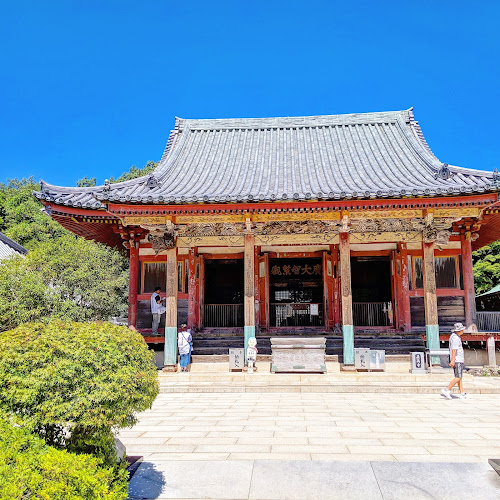
No.84 Yashima Temple
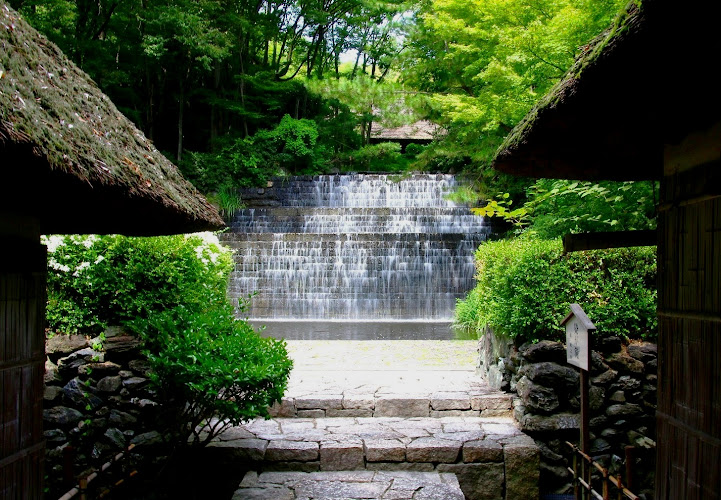
Shikoku Village

Takamatsu Symbol Tower
Find Accommodations Nearby
Recommended Tours & Activities
Visitor Reviews
There are no reviews yet. Be the first one to write one.
Share Your Experience
Have you visited Ritsurin Garden? Help other travelers by leaving a review.