
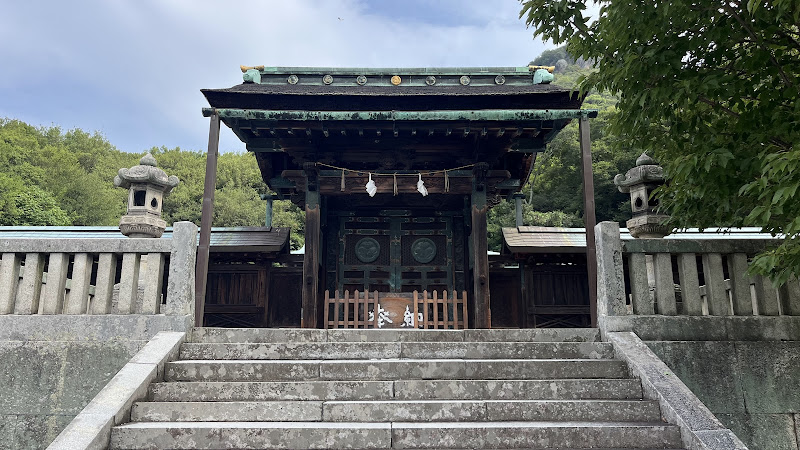
Yashima Shrine
About Yashima Shrine
Description
Yashima Shrine is one of those places that quietly gets under your skin. It doesn’t scream for attention, and honestly, that’s part of the appeal. Sitting on the Yashima plateau overlooking the Seto Inland Sea, the shrine carries a weight of history that you can feel even if you don’t know all the dates and names. And you don’t need to. You just walk through the torii gate, hear the crunch of gravel under your shoes, and something shifts your mood a notch slower.
This is a Shinto shrine tied closely to the legendary events of the Genpei War, especially the Battle of Yashima. If Japanese history rings even a faint bell for you, this place will feel familiar. But even if it doesn’t, that’s fine. I remember my first visit here—I knew basically nothing beyond “old shrine, nice view.” Still, standing there, looking out over the water, I caught myself lingering longer than planned. And that’s saying something, because I usually rush.
The shrine grounds aren’t huge or flashy. Some travelers expect a dramatic, perfectly manicured attraction and end up a little underwhelmed. Others, myself included, appreciate that it feels lived-in. A bit weathered. A bit real. The wooden buildings creak slightly, the stone lanterns show their age, and the surrounding trees do what they want. But that’s Shinto, right? Nature isn’t background decoration; it’s part of the point.
One thing worth noting upfront: Yashima Shrine is not designed with modern accessibility in mind. There are steps, uneven paths, and slopes that can be challenging. It’s not ideal for wheelchairs or anyone who needs flat, predictable surfaces. I tripped once—nothing dramatic, just a reminder to watch my feet. So yeah, wear good shoes.
Travelers tend to leave with mixed-to-positive impressions. Some find it quietly moving. Others think it’s just “nice.” That range makes sense. Yashima Shrine isn’t trying to impress everyone, and I kind of respect it for that.
Key Features
-
Historical connection to the Battle of Yashima
The shrine is closely linked to one of the most famous episodes of the Genpei War. Stories of samurai bravery, strategy, and fate hover in the background as you explore. Even without a guide, you’ll notice plaques and symbols hinting at this legacy. -
Panoramic views of the Seto Inland Sea
On a clear day, the view is genuinely memorable. The islands dot the water like scattered stepping stones. I once sat on a bench here longer than planned, just watching ships move slowly across the horizon. -
Traditional shrine architecture
The buildings are classic Shinto in style, with wooden halls, simple lines, and an emphasis on harmony rather than decoration overload. It photographs well, but it feels better in person. -
Seasonal atmosphere changes
Different times of year bring different moods. Spring feels gentle, summer can be lush and a bit humid, autumn adds texture and color, and winter strips things down to their bones. -
Quiet, reflective environment
Compared to major shrines in big cities, Yashima Shrine is calm. You’ll hear birds, wind, maybe a distant car, but not much else. It’s a good place to think. Or not think, which is sometimes better.
Best Time to Visit
Timing matters here, though not in a stressful way. Spring and autumn are the sweet spots. Spring brings mild temperatures and a fresh feeling to the grounds. The trees wake up, and the whole place feels a bit hopeful. Autumn, on the other hand, adds depth. The colors shift, the air cools, and the shrine feels more introspective. If I had to choose, I’d pick autumn, hands down.
Summer is doable but expect heat and humidity. The shade helps, but you’ll probably sweat. Winter is quieter and cooler, sometimes almost empty, which can be beautiful if you’re okay with brisk air and fewer visitors. I went once in winter and had the place almost to myself. It felt a little eerie, but in a good way.
As for time of day, morning is best. Not because of crowds—they’re rarely overwhelming—but because the light is softer and the air feels cleaner. Late afternoon can also be nice, especially if you’re chasing views over the sea. Just keep an eye on sunset times so you’re not rushing back.
How to Get There
Getting to Yashima Shrine takes a bit of intention, which again, kind of suits the place. It’s not something you accidentally stumble into. Most travelers start from central Takamatsu and make their way toward the Yashima area.
Public transportation will get you close, followed by a walk. That walk can be part of the experience, though it involves slopes and stairs. If you’re driving, there are parking areas nearby, and from there it’s still a short walk to the shrine grounds. Either way, expect some uphill movement. Your calves will notice, trust me.
I’ll be honest: signage is decent but not perfect. If you feel briefly lost, you’re probably doing it right. Just keep heading up, and you’ll get there. Locals are usually helpful if you ask, even with basic gestures and smiles.
Tips for Visiting
First tip: slow down. This isn’t a checklist stop. Give yourself at least an hour, more if you like sitting and staring at scenery. Bring water, especially in warmer months, because vending machines aren’t always right where you want them.
Second, wear proper footwear. I know I already mentioned it, but it matters. The paths can be uneven, and some steps are shallow or irregular. Stylish shoes are great, but ankle support is better. Learned that the hard way.
Third, read the signs, even if you only half-understand them. They add layers to the visit. And if you’re into Japanese history, maybe brush up a bit on the Genpei War beforehand. It makes the experience richer. Not required, just a bonus.
Photography is allowed in most outdoor areas, but be respectful. This is an active shrine, not a movie set. If you see people praying, give them space. Basic courtesy goes a long way.
Finally, manage expectations. Yashima Shrine isn’t a blockbuster attraction. It won’t overwhelm you with spectacle. What it offers instead is atmosphere, history, and a sense of place that unfolds slowly. If you meet it halfway, it usually rewards you. And if you don’t? Well, at least the view is still pretty great.
Key Features
- Key Features
- Best Time to Visit
- How to Get There
- Tips for Visiting
More Details
Updated January 1, 2026
Table of Contents
Description
Yashima Shrine is one of those places that quietly gets under your skin. It doesn’t scream for attention, and honestly, that’s part of the appeal. Sitting on the Yashima plateau overlooking the Seto Inland Sea, the shrine carries a weight of history that you can feel even if you don’t know all the dates and names. And you don’t need to. You just walk through the torii gate, hear the crunch of gravel under your shoes, and something shifts your mood a notch slower.
This is a Shinto shrine tied closely to the legendary events of the Genpei War, especially the Battle of Yashima. If Japanese history rings even a faint bell for you, this place will feel familiar. But even if it doesn’t, that’s fine. I remember my first visit here—I knew basically nothing beyond “old shrine, nice view.” Still, standing there, looking out over the water, I caught myself lingering longer than planned. And that’s saying something, because I usually rush.
The shrine grounds aren’t huge or flashy. Some travelers expect a dramatic, perfectly manicured attraction and end up a little underwhelmed. Others, myself included, appreciate that it feels lived-in. A bit weathered. A bit real. The wooden buildings creak slightly, the stone lanterns show their age, and the surrounding trees do what they want. But that’s Shinto, right? Nature isn’t background decoration; it’s part of the point.
One thing worth noting upfront: Yashima Shrine is not designed with modern accessibility in mind. There are steps, uneven paths, and slopes that can be challenging. It’s not ideal for wheelchairs or anyone who needs flat, predictable surfaces. I tripped once—nothing dramatic, just a reminder to watch my feet. So yeah, wear good shoes.
Travelers tend to leave with mixed-to-positive impressions. Some find it quietly moving. Others think it’s just “nice.” That range makes sense. Yashima Shrine isn’t trying to impress everyone, and I kind of respect it for that.
Key Features
-
Historical connection to the Battle of Yashima
The shrine is closely linked to one of the most famous episodes of the Genpei War. Stories of samurai bravery, strategy, and fate hover in the background as you explore. Even without a guide, you’ll notice plaques and symbols hinting at this legacy. -
Panoramic views of the Seto Inland Sea
On a clear day, the view is genuinely memorable. The islands dot the water like scattered stepping stones. I once sat on a bench here longer than planned, just watching ships move slowly across the horizon. -
Traditional shrine architecture
The buildings are classic Shinto in style, with wooden halls, simple lines, and an emphasis on harmony rather than decoration overload. It photographs well, but it feels better in person. -
Seasonal atmosphere changes
Different times of year bring different moods. Spring feels gentle, summer can be lush and a bit humid, autumn adds texture and color, and winter strips things down to their bones. -
Quiet, reflective environment
Compared to major shrines in big cities, Yashima Shrine is calm. You’ll hear birds, wind, maybe a distant car, but not much else. It’s a good place to think. Or not think, which is sometimes better.
Best Time to Visit
Timing matters here, though not in a stressful way. Spring and autumn are the sweet spots. Spring brings mild temperatures and a fresh feeling to the grounds. The trees wake up, and the whole place feels a bit hopeful. Autumn, on the other hand, adds depth. The colors shift, the air cools, and the shrine feels more introspective. If I had to choose, I’d pick autumn, hands down.
Summer is doable but expect heat and humidity. The shade helps, but you’ll probably sweat. Winter is quieter and cooler, sometimes almost empty, which can be beautiful if you’re okay with brisk air and fewer visitors. I went once in winter and had the place almost to myself. It felt a little eerie, but in a good way.
As for time of day, morning is best. Not because of crowds—they’re rarely overwhelming—but because the light is softer and the air feels cleaner. Late afternoon can also be nice, especially if you’re chasing views over the sea. Just keep an eye on sunset times so you’re not rushing back.
How to Get There
Getting to Yashima Shrine takes a bit of intention, which again, kind of suits the place. It’s not something you accidentally stumble into. Most travelers start from central Takamatsu and make their way toward the Yashima area.
Public transportation will get you close, followed by a walk. That walk can be part of the experience, though it involves slopes and stairs. If you’re driving, there are parking areas nearby, and from there it’s still a short walk to the shrine grounds. Either way, expect some uphill movement. Your calves will notice, trust me.
I’ll be honest: signage is decent but not perfect. If you feel briefly lost, you’re probably doing it right. Just keep heading up, and you’ll get there. Locals are usually helpful if you ask, even with basic gestures and smiles.
Tips for Visiting
First tip: slow down. This isn’t a checklist stop. Give yourself at least an hour, more if you like sitting and staring at scenery. Bring water, especially in warmer months, because vending machines aren’t always right where you want them.
Second, wear proper footwear. I know I already mentioned it, but it matters. The paths can be uneven, and some steps are shallow or irregular. Stylish shoes are great, but ankle support is better. Learned that the hard way.
Third, read the signs, even if you only half-understand them. They add layers to the visit. And if you’re into Japanese history, maybe brush up a bit on the Genpei War beforehand. It makes the experience richer. Not required, just a bonus.
Photography is allowed in most outdoor areas, but be respectful. This is an active shrine, not a movie set. If you see people praying, give them space. Basic courtesy goes a long way.
Finally, manage expectations. Yashima Shrine isn’t a blockbuster attraction. It won’t overwhelm you with spectacle. What it offers instead is atmosphere, history, and a sense of place that unfolds slowly. If you meet it halfway, it usually rewards you. And if you don’t? Well, at least the view is still pretty great.
Key Highlights
- Key Features
- Best Time to Visit
- How to Get There
- Tips for Visiting
Location
Places to Stay Near Yashima Shrine
Find and Book a Tour
Explore More Travel Guides
No reviews found! Be the first to review!
Traveler Reviews for Yashima Shrine
There are no reviews yet. Be the first one to write one.
Have you visited Yashima Shrine? Help other travelers by sharing your review.
You Might Also Like
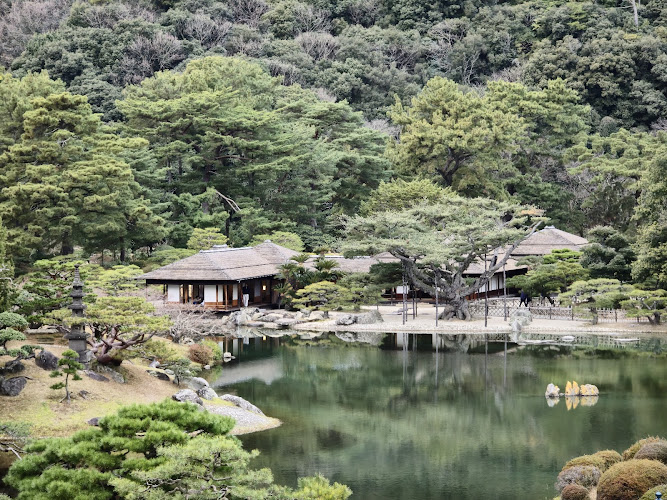
Ritsurin Garden

Takamatsu Castle Park

Kagawa Museum
Find Accommodations Nearby
Recommended Tours & Activities
Visitor Reviews
There are no reviews yet. Be the first one to write one.
Share Your Experience
Have you visited Yashima Shrine? Help other travelers by leaving a review.