
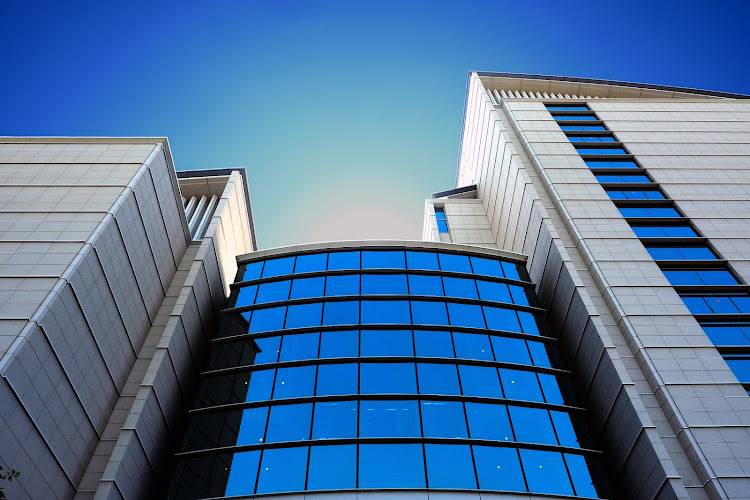
Kagawa Museum
About Kagawa Museum
Description
The Kagawa Museum stands as one of Shikoku's most comprehensive cultural institutions, bringing together art, history, and hands-on discovery under one roof. This isn't your typical stuffy museum where you shuffle past dusty displays - instead, the facility creates an interactive experience that connects visitors with the rich heritage of Kagawa Prefecture and the broader Shikoku region. The museum's dual focus on local history and contemporary art creates an interesting dynamic that appeals to both culture enthusiasts and casual travelers looking to understand what makes this corner of Japan unique. What makes this place genuinely worth your time is how it manages to tell the story of a region that often gets overshadowed by Japan's bigger tourist destinations. The exhibits cover everything from ancient archaeological finds to modern artistic expressions, with special attention given to the cultural figure Kūkai, the monk who founded Shingon Buddhism and whose influence still permeates Shikoku's identity today. The museum doesn't just present artifacts behind glass; it invites participation through workshops, temporary exhibitions, and events that change throughout the year. The building itself is modern and spacious, designed with natural light that makes viewing art a pleasure rather than a strain. And honestly, after visiting countless museums across Japan, I appreciate when an institution takes accessibility seriously - this one does. The thoughtful layout means you won't feel exhausted halfway through your visit, which is more important than most people realize when planning a day of cultural exploration.Key Features
The museum offers several distinct advantages that set it apart from other regional museums in Japan: • Comprehensive Historical Collections - The permanent exhibitions trace Kagawa's development from prehistoric times through the Edo period and into modernity, featuring archaeological artifacts, folk crafts, and documents that illuminate daily life across the centuries. • Rotating Art Exhibitions - The museum hosts impressive temporary shows that bring contemporary and classical art to Shikoku, often featuring works you'd normally need to travel to Tokyo or Osaka to see. • Kūkai-Focused Displays - Given the monk's massive cultural importance to the region and the famous 88-temple pilgrimage circuit, the museum provides context that enriches understanding of Shikoku's spiritual landscape. • Interactive Workshop Spaces - Regular hands-on activities allow visitors to try traditional crafts, participate in calligraphy sessions, or engage with art-making processes that connect to the exhibitions. • On-site Dining and Cafe - The restaurant serves regional specialties, including Sanuki udon (because you're in Kagawa, after all), making it possible to spend several hours here comfortably without leaving for meals. • Multilingual Support - English signage and audio guides help international visitors navigate the collections, though I'll be honest - some exhibits still lean heavily on Japanese text. • Museum Shop - A well-curated selection of books, replicas, local crafts, and unique souvenirs that go beyond the typical tourist trinkets. • Climate-Controlled Comfort - This matters more than you'd think during Shikoku's humid summers or chilly winters, providing a comfortable environment year-round.Best Time to Visit
Timing your visit to the Kagawa Museum can significantly impact your experience, though the indoor nature of the attraction means it works well during any weather conditions. The museum sees lower crowds on weekday mornings, particularly Tuesday through Thursday, when you'll have more space to appreciate the exhibits without navigating around tour groups or school field trips. Spring and autumn bring the most pleasant overall conditions for combining your museum visit with exploration of the surrounding area. The weather during these seasons makes the walk from parking or public transportation stations actually enjoyable rather than a sweaty ordeal. But here's something most guidebooks won't tell you - visiting during the rainy season in June can actually be ideal because you'll escape the weather while crowds thin out considerably as tourists avoid traveling during tsuyu. Winter months offer their own advantages. January and February see the fewest visitors, meaning you can linger as long as you want in front of particular pieces without feeling rushed. The museum hosts special exhibitions that often coincide with New Year celebrations, providing cultural programming you won't find during other times of year. Summer brings school holiday crowds, especially in August, which can make the experience less contemplative. However, if you're traveling with children, this is when the museum ramps up its interactive programming and workshops designed specifically for younger visitors. The air conditioning alone makes it a smart destination when outside temperatures climb above comfortable levels. Check the museum's exhibition schedule before planning your trip, as the rotating shows often determine whether a visit aligns with your interests. Major exhibitions typically run for two to three months and can dramatically change the character of your experience. I've found that timing a visit to catch one of these special shows adds considerable value, especially since admission prices don't increase for temporary exhibitions. Weekends and Japanese national holidays naturally draw larger crowds, particularly families with children. If you don't mind the bustle and actually enjoy the energy that kids bring to cultural spaces, these times can be quite fun. But if you prefer quieter contemplation, definitely opt for weekdays.How to Get There
Reaching the Kagawa Museum requires a bit of planning, but the journey is straightforward once you understand your options. The museum sits in Takamatsu, Kagawa's capital city, making it accessible from various points across Shikoku and from mainland Japan. From Takamatsu Station, the main railway hub, you have several choices. The most convenient option for many travelers is taking a bus directly to the museum, with several routes stopping nearby. The ride takes roughly 20 minutes depending on traffic, and buses run frequently throughout the day. You'll want to have your destination written in Japanese or saved on your phone to show the driver, as not all bus drivers speak English. Taxis from Takamatsu Station cost approximately 2,000 to 2,500 yen and take about 15 minutes in normal traffic conditions. This option makes sense if you're traveling as a group and can split the fare, or if you're carrying luggage and planning to visit the museum before heading to your accommodation. For those who prefer independence, renting a car provides flexibility for exploring Kagawa Prefecture beyond just the museum. The facility offers on-site parking in both a paid lot and a paid garage, with spaces typically available except during major exhibitions or events. Parking fees are reasonable by Japanese standards, and the wheelchair-accessible spots are well-maintained and conveniently located near entrances. Cycling is another viable option if you're staying in central Takamatsu. The city has been developing its bicycle infrastructure, and the ride to the museum is manageable for anyone comfortable navigating urban streets. However, confirm the museum has bicycle parking available during your visit, as facilities sometimes restrict parking during crowded periods. If you're arriving from outside Shikoku, the most common route involves taking the Shinkansen to Okayama on Honshu, then transferring to the Marine Liner train that crosses the Seto Ohashi Bridge into Shikoku, reaching Takamatsu in about an hour. This scenic journey across Japan's longest bridge system provides impressive views of the Seto Inland Sea and its islands. From Takamatsu Airport, which serves domestic flights from Tokyo and other major Japanese cities, reaching the museum requires either a rental car or combination of airport limousine bus to Takamatsu Station followed by local transport to the museum. The total journey takes roughly an hour.Tips for Visiting
Making the most of your time at the Kagawa Museum involves more than just showing up - a few strategic decisions can significantly enhance your experience. First, budget at least two to three hours for a thorough visit, though art enthusiasts and history buffs could easily spend half a day here, especially when major temporary exhibitions are running. The museum offers discounted admission for children, and frankly, this is one of the more kid-friendly cultural institutions I've encountered in Japan. The changing tables, nursing room, and kid-focused activities show genuine consideration for family travelers. Don't hesitate to bring children, even fairly young ones - the interactive elements keep them engaged better than passive displays would. Download any available apps or audio guides before your visit while you still have reliable internet, as the museum's WiFi can sometimes be spotty depending on where you are in the building. The English audio guide provides valuable context that helps international visitors understand the significance of artifacts that might otherwise seem random or disconnected. The on-site restaurant and cafe serve as more than just convenient meal options - they're genuinely good, featuring local Kagawa ingredients and regional dishes. The Sanuki udon alone justifies eating here rather than heading back into Takamatsu for lunch. And the cafe offers surprisingly good coffee and pastries if you need an afternoon pick-me-up. Wheelchair users and visitors with mobility challenges will find this museum exceptionally accommodating compared to many Japanese cultural institutions. The wheelchair rental service, accessible restrooms, and thoughtful layout mean accessibility concerns shouldn't prevent anyone from visiting. But I'd still recommend calling ahead if you have specific needs, as staff can prepare and ensure your visit goes smoothly. Photography policies vary by exhibition, with some temporary shows restricting photos entirely while permanent collections generally allow non-flash photography. Check the signage in each area, and when in doubt, ask staff rather than assuming - I've seen visitors receive warnings for honest mistakes that could have been avoided. The museum shop deserves more time than most people give it. The selection includes scholarly books on regional history, high-quality reproductions of artifacts, and locally-made crafts that make meaningful souvenirs. Prices are reasonable, and you're supporting local artisans rather than buying mass-produced tourist goods. Visit the restrooms before starting your tour - they're impeccably maintained and include gender-neutral options, which isn't yet common in all Japanese public facilities. The consideration given to diverse needs reflects well on the institution's overall approach to hospitality. If you're particularly interested in Kūkai and the pilgrimage culture of Shikoku, consider visiting the museum before embarking on any temple visits. The context provided here enriches your understanding of what you'll see along the 88-temple circuit, making the museum an excellent first stop for culturally-curious travelers. Finally, don't rush. One of my biggest regrets from early museum visits in Japan was trying to see everything quickly before moving to the next attraction on my packed itinerary. The Kagawa Museum rewards slower, more thoughtful engagement with its collections. Sit on the available seating, read the explanations thoroughly, and let yourself actually absorb what you're experiencing rather than just checking another sight off your list.Key Features
- Combined history and art galleries covering archaeology, folk culture and modern art
- Works by artists linked to Kagawa, including Inokuma Genichiro and Noguchi Isamu
- Hands-on learning/education room for families and school groups
- Rotating special exhibitions and lectures on regional culture
- Convenient central location near JR Takamatsu Station and Takamatsu Port
More Details
Updated January 5, 2026
Table of Contents
Description
The Kagawa Museum stands as one of Shikoku’s most comprehensive cultural institutions, bringing together art, history, and hands-on discovery under one roof. This isn’t your typical stuffy museum where you shuffle past dusty displays – instead, the facility creates an interactive experience that connects visitors with the rich heritage of Kagawa Prefecture and the broader Shikoku region. The museum’s dual focus on local history and contemporary art creates an interesting dynamic that appeals to both culture enthusiasts and casual travelers looking to understand what makes this corner of Japan unique.
What makes this place genuinely worth your time is how it manages to tell the story of a region that often gets overshadowed by Japan’s bigger tourist destinations. The exhibits cover everything from ancient archaeological finds to modern artistic expressions, with special attention given to the cultural figure Kūkai, the monk who founded Shingon Buddhism and whose influence still permeates Shikoku’s identity today. The museum doesn’t just present artifacts behind glass; it invites participation through workshops, temporary exhibitions, and events that change throughout the year.
The building itself is modern and spacious, designed with natural light that makes viewing art a pleasure rather than a strain. And honestly, after visiting countless museums across Japan, I appreciate when an institution takes accessibility seriously – this one does. The thoughtful layout means you won’t feel exhausted halfway through your visit, which is more important than most people realize when planning a day of cultural exploration.
Key Features
The museum offers several distinct advantages that set it apart from other regional museums in Japan:
• Comprehensive Historical Collections – The permanent exhibitions trace Kagawa’s development from prehistoric times through the Edo period and into modernity, featuring archaeological artifacts, folk crafts, and documents that illuminate daily life across the centuries.
• Rotating Art Exhibitions – The museum hosts impressive temporary shows that bring contemporary and classical art to Shikoku, often featuring works you’d normally need to travel to Tokyo or Osaka to see.
• Kūkai-Focused Displays – Given the monk’s massive cultural importance to the region and the famous 88-temple pilgrimage circuit, the museum provides context that enriches understanding of Shikoku’s spiritual landscape.
• Interactive Workshop Spaces – Regular hands-on activities allow visitors to try traditional crafts, participate in calligraphy sessions, or engage with art-making processes that connect to the exhibitions.
• On-site Dining and Cafe – The restaurant serves regional specialties, including Sanuki udon (because you’re in Kagawa, after all), making it possible to spend several hours here comfortably without leaving for meals.
• Multilingual Support – English signage and audio guides help international visitors navigate the collections, though I’ll be honest – some exhibits still lean heavily on Japanese text.
• Museum Shop – A well-curated selection of books, replicas, local crafts, and unique souvenirs that go beyond the typical tourist trinkets.
• Climate-Controlled Comfort – This matters more than you’d think during Shikoku’s humid summers or chilly winters, providing a comfortable environment year-round.
Best Time to Visit
Timing your visit to the Kagawa Museum can significantly impact your experience, though the indoor nature of the attraction means it works well during any weather conditions. The museum sees lower crowds on weekday mornings, particularly Tuesday through Thursday, when you’ll have more space to appreciate the exhibits without navigating around tour groups or school field trips.
Spring and autumn bring the most pleasant overall conditions for combining your museum visit with exploration of the surrounding area. The weather during these seasons makes the walk from parking or public transportation stations actually enjoyable rather than a sweaty ordeal. But here’s something most guidebooks won’t tell you – visiting during the rainy season in June can actually be ideal because you’ll escape the weather while crowds thin out considerably as tourists avoid traveling during tsuyu.
Winter months offer their own advantages. January and February see the fewest visitors, meaning you can linger as long as you want in front of particular pieces without feeling rushed. The museum hosts special exhibitions that often coincide with New Year celebrations, providing cultural programming you won’t find during other times of year.
Summer brings school holiday crowds, especially in August, which can make the experience less contemplative. However, if you’re traveling with children, this is when the museum ramps up its interactive programming and workshops designed specifically for younger visitors. The air conditioning alone makes it a smart destination when outside temperatures climb above comfortable levels.
Check the museum’s exhibition schedule before planning your trip, as the rotating shows often determine whether a visit aligns with your interests. Major exhibitions typically run for two to three months and can dramatically change the character of your experience. I’ve found that timing a visit to catch one of these special shows adds considerable value, especially since admission prices don’t increase for temporary exhibitions.
Weekends and Japanese national holidays naturally draw larger crowds, particularly families with children. If you don’t mind the bustle and actually enjoy the energy that kids bring to cultural spaces, these times can be quite fun. But if you prefer quieter contemplation, definitely opt for weekdays.
How to Get There
Reaching the Kagawa Museum requires a bit of planning, but the journey is straightforward once you understand your options. The museum sits in Takamatsu, Kagawa’s capital city, making it accessible from various points across Shikoku and from mainland Japan.
From Takamatsu Station, the main railway hub, you have several choices. The most convenient option for many travelers is taking a bus directly to the museum, with several routes stopping nearby. The ride takes roughly 20 minutes depending on traffic, and buses run frequently throughout the day. You’ll want to have your destination written in Japanese or saved on your phone to show the driver, as not all bus drivers speak English.
Taxis from Takamatsu Station cost approximately 2,000 to 2,500 yen and take about 15 minutes in normal traffic conditions. This option makes sense if you’re traveling as a group and can split the fare, or if you’re carrying luggage and planning to visit the museum before heading to your accommodation.
For those who prefer independence, renting a car provides flexibility for exploring Kagawa Prefecture beyond just the museum. The facility offers on-site parking in both a paid lot and a paid garage, with spaces typically available except during major exhibitions or events. Parking fees are reasonable by Japanese standards, and the wheelchair-accessible spots are well-maintained and conveniently located near entrances.
Cycling is another viable option if you’re staying in central Takamatsu. The city has been developing its bicycle infrastructure, and the ride to the museum is manageable for anyone comfortable navigating urban streets. However, confirm the museum has bicycle parking available during your visit, as facilities sometimes restrict parking during crowded periods.
If you’re arriving from outside Shikoku, the most common route involves taking the Shinkansen to Okayama on Honshu, then transferring to the Marine Liner train that crosses the Seto Ohashi Bridge into Shikoku, reaching Takamatsu in about an hour. This scenic journey across Japan’s longest bridge system provides impressive views of the Seto Inland Sea and its islands.
From Takamatsu Airport, which serves domestic flights from Tokyo and other major Japanese cities, reaching the museum requires either a rental car or combination of airport limousine bus to Takamatsu Station followed by local transport to the museum. The total journey takes roughly an hour.
Tips for Visiting
Making the most of your time at the Kagawa Museum involves more than just showing up – a few strategic decisions can significantly enhance your experience. First, budget at least two to three hours for a thorough visit, though art enthusiasts and history buffs could easily spend half a day here, especially when major temporary exhibitions are running.
The museum offers discounted admission for children, and frankly, this is one of the more kid-friendly cultural institutions I’ve encountered in Japan. The changing tables, nursing room, and kid-focused activities show genuine consideration for family travelers. Don’t hesitate to bring children, even fairly young ones – the interactive elements keep them engaged better than passive displays would.
Download any available apps or audio guides before your visit while you still have reliable internet, as the museum’s WiFi can sometimes be spotty depending on where you are in the building. The English audio guide provides valuable context that helps international visitors understand the significance of artifacts that might otherwise seem random or disconnected.
The on-site restaurant and cafe serve as more than just convenient meal options – they’re genuinely good, featuring local Kagawa ingredients and regional dishes. The Sanuki udon alone justifies eating here rather than heading back into Takamatsu for lunch. And the cafe offers surprisingly good coffee and pastries if you need an afternoon pick-me-up.
Wheelchair users and visitors with mobility challenges will find this museum exceptionally accommodating compared to many Japanese cultural institutions. The wheelchair rental service, accessible restrooms, and thoughtful layout mean accessibility concerns shouldn’t prevent anyone from visiting. But I’d still recommend calling ahead if you have specific needs, as staff can prepare and ensure your visit goes smoothly.
Photography policies vary by exhibition, with some temporary shows restricting photos entirely while permanent collections generally allow non-flash photography. Check the signage in each area, and when in doubt, ask staff rather than assuming – I’ve seen visitors receive warnings for honest mistakes that could have been avoided.
The museum shop deserves more time than most people give it. The selection includes scholarly books on regional history, high-quality reproductions of artifacts, and locally-made crafts that make meaningful souvenirs. Prices are reasonable, and you’re supporting local artisans rather than buying mass-produced tourist goods.
Visit the restrooms before starting your tour – they’re impeccably maintained and include gender-neutral options, which isn’t yet common in all Japanese public facilities. The consideration given to diverse needs reflects well on the institution’s overall approach to hospitality.
If you’re particularly interested in Kūkai and the pilgrimage culture of Shikoku, consider visiting the museum before embarking on any temple visits. The context provided here enriches your understanding of what you’ll see along the 88-temple circuit, making the museum an excellent first stop for culturally-curious travelers.
Finally, don’t rush. One of my biggest regrets from early museum visits in Japan was trying to see everything quickly before moving to the next attraction on my packed itinerary. The Kagawa Museum rewards slower, more thoughtful engagement with its collections. Sit on the available seating, read the explanations thoroughly, and let yourself actually absorb what you’re experiencing rather than just checking another sight off your list.
Key Highlights
- Combined history and art galleries covering archaeology, folk culture and modern art
- Works by artists linked to Kagawa, including Inokuma Genichiro and Noguchi Isamu
- Hands-on learning/education room for families and school groups
- Rotating special exhibitions and lectures on regional culture
- Convenient central location near JR Takamatsu Station and Takamatsu Port
Location
Places to Stay Near Kagawa Museum
Find and Book a Tour
Explore More Travel Guides
No reviews found! Be the first to review!
Traveler Reviews for Kagawa Museum
There are no reviews yet. Be the first one to write one.
Have you visited Kagawa Museum? Help other travelers by sharing your review.
Nearby Attractions
You Might Also Like
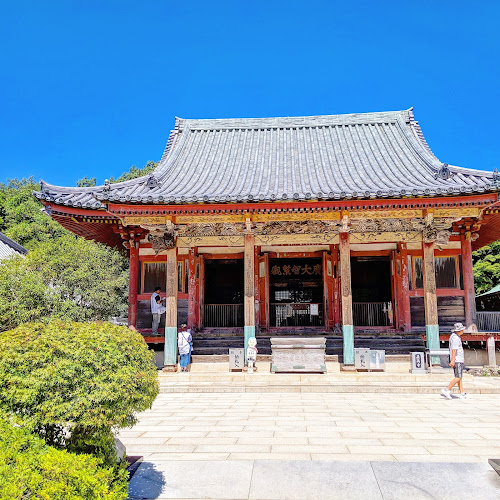
No.84 Yashima Temple

Takamatsu Castle Park
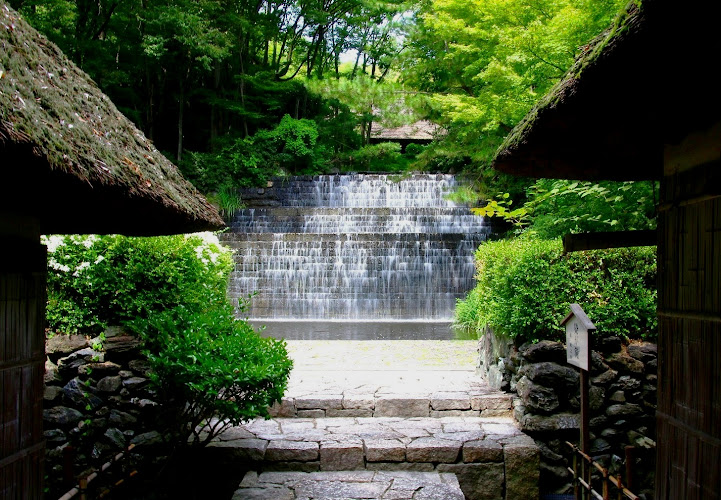
Shikoku Village
Find Accommodations Nearby
Recommended Tours & Activities
Visitor Reviews
There are no reviews yet. Be the first one to write one.
Share Your Experience
Have you visited Kagawa Museum? Help other travelers by leaving a review.