
Shikoku Village
About Shikoku Village
Description
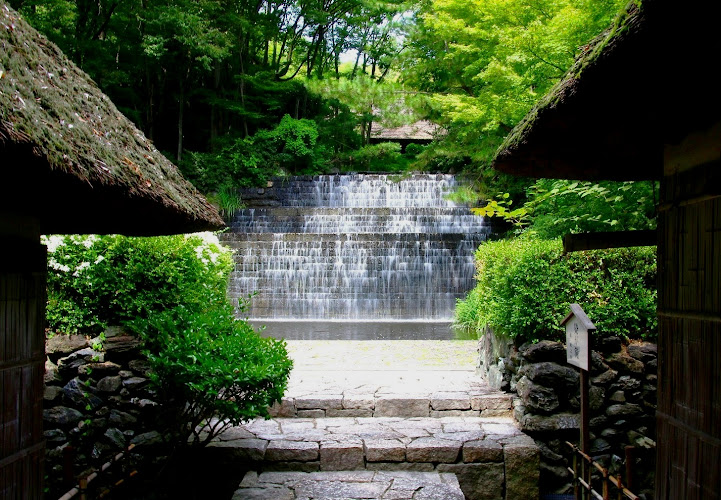
Shikoku Village is the kind of place that quietly sneaks up on travelers. On paper, it’s an open-air museum showcasing historic buildings from Japan’s Edo to Taishō periods. In real life, it feels more like wandering through a living scrapbook of rural Japan, the kind that smells faintly of wood, earth, and old kitchens that once cooked a lot of rice. The village spreads across a gentle hillside, and visitors walk between relocated farmhouses, merchant homes, workshops, and bridges that once belonged to very different corners of Shikoku. And yes, the walking is real. This isn’t a stand-and-stare museum. Your legs will know you’ve been somewhere.
The atmosphere is calm, but not sterile. Birds cut through the quiet. Wind moves through thatched roofs. Some buildings are so well preserved that visitors half-expect a farmer to slide open a door and ask what year it is. The site doesn’t try too hard to entertain, which is honestly refreshing. It trusts that the buildings, and the stories behind them, are enough. And mostly, they are.
Shikoku Village sits close to the sea, and on clear days there’s a faint shimmer of water beyond the trees. The layout is intentionally spread out, mimicking how rural communities once functioned. Houses aren’t crammed together, and paths curve instead of cutting straight lines. It’s a place that rewards slow travel. Rushing through would miss the point entirely.
From a traveler’s perspective, this museum sits somewhere between educational and oddly comforting. It’s not flashy. Some visitors find it underwhelming at first, especially if they expect interactive exhibits or loud explanations. But others—especially those curious about architecture, daily life, and how Japan functioned before concrete—walk away quietly impressed. The balance feels fair. It doesn’t oversell itself, and that honesty goes a long way.
There’s also a subtle theme of resilience here. Many of these buildings survived floods, fires, and abandonment before being relocated. Standing inside them, visitors often realize how much craftsmanship went into everyday life back then. Thick beams, clever ventilation, and layouts that made sense long before modern utilities existed. And it sparks a thought: maybe people didn’t need quite so much to live well.
Key Features
- Authentic Edo- to Taishō-period buildings relocated from across Shikoku, carefully restored and maintained
- Traditional farmhouses with irori hearths that show how families once cooked, heated, and gathered
- Historic bridges, including dramatic wooden and stone designs that are surprisingly photogenic
- Hands-on cultural displays that explain rural crafts, tools, and daily routines without overloading visitors
- A peaceful walking route with gentle slopes, shaded paths, and occasional views toward the sea
- An on-site restaurant and café serving local dishes, including udon, because this is Shikoku after all
- Guided tours available for travelers who want deeper context and storytelling
- Facilities that are friendly for families, including open spaces where kids can roam a bit
- Wheelchair-accessible parking and restrooms, which is still not a given at historical sites
- Free on-site parking, making it easier for road-trippers exploring the region
Best Time to Visit
The best time to visit Shikoku Village depends on what kind of mood you’re chasing. Spring is a favorite, and for good reason. The weather behaves itself, cherry blossoms appear in pockets, and the village feels like it’s slowly waking up. It’s not a full-blown hanami hotspot, which honestly makes it better. Fewer crowds, more breathing room.
Autumn comes in as a close second. The trees scattered around the site shift into reds and golds, and the wooden buildings somehow look even richer against those colors. The air turns crisp, which makes walking the paths genuinely pleasant. If the writer had to choose a personal favorite, autumn would win by a narrow margin. There’s something about old architecture and falling leaves that just works.
Summer is a mixed bag. The village stays open, and the greenery is lush, but it can get humid. Really humid. Visitors should be prepared with water, hats, and patience. On the plus side, summer skies can be strikingly blue, and the village feels alive with insects and birds. Early mornings are best during this season.
Winter is quieter. Some travelers skip it, assuming it’ll be dull, but that’s not entirely fair. Without leaves, the shapes of the buildings stand out more clearly. The crowds thin to almost nothing. It can feel a little stark, yes, but also introspective. Just dress warmly. The houses were built before central heating was a thing, and they don’t pretend otherwise.
How to Get There
Shikoku Village is easiest to reach by car, especially for travelers already exploring the island. Roads are well maintained, signage is clear, and the free parking removes a layer of stress. For those used to navigating rural Japan, it’s a straightforward drive.
Public transportation is possible too, though it requires a bit more planning. Trains and local transport can get visitors close, followed by a walk or short taxi ride. This part of the journey is slower, but not unpleasant. In fact, arriving without a car almost forces a more relaxed pace, which suits the village’s personality.
And here’s a small aside from personal experience: arriving slightly earlier than planned is a gift. The village is calmest in the morning, before tour groups arrive. There’s a certain magic in hearing only footsteps and wind when stepping into the first farmhouse. It sets the tone for the rest of the visit.
Tips for Visiting
First tip, and it sounds obvious but still gets ignored: wear comfortable shoes. The paths are uneven in places, and you’ll be walking more than you think. This isn’t a quick loop with benches every ten steps. It’s a proper wander.
Plan at least two to three hours. Some visitors rush through in under an hour and leave wondering what the fuss was about. Others linger, sit on steps, read the explanations, and maybe stop for udon halfway through. Those people tend to leave happier. Food helps, always.
Photography is allowed, and the village is quietly stunning through a lens. Early or late light works best. Midday sun can flatten the textures of wood and thatch. And please, take a moment to just look without a camera. Old buildings deserve eye contact.
If traveling with kids, let them roam a bit. The open layout works in your favor. There’s space to explore without constant “don’t touch” signs. It’s one of the few museum-like places where children don’t feel like liabilities.
Guided tours are worth considering, especially for first-time visitors or architecture enthusiasts. The stories behind certain houses add layers you wouldn’t catch on your own. Without context, some buildings can blur together.
Accessibility is better than expected for a historic site, but not perfect. Wheelchair-accessible facilities are available, though some paths and interiors may still pose challenges. It’s smart to ask staff for the easiest routes.
Lastly, adjust expectations. Shikoku Village isn’t a thrill ride or a social media stunt. It’s quiet, thoughtful, and a little old-fashioned. And that’s exactly why it sticks with people. Travelers often realize, halfway through, that they’ve slowed down without trying. In today’s world, that alone feels like a small luxury.
Key Features
- Authentic Edo- to Taishō-period buildings relocated from across Shikoku, carefully restored and maintained
- Traditional farmhouses with irori hearths that show how families once cooked, heated, and gathered
- Historic bridges, including dramatic wooden and stone designs that are surprisingly photogenic
- Hands-on cultural displays that explain rural crafts, tools, and daily routines without overloading visitors
- A peaceful walking route with gentle slopes, shaded paths, and occasional views toward the sea
- An on-site restaurant and café serving local dishes, including udon, because this is Shikoku after all
- Guided tours available for travelers who want deeper context and storytelling
- Facilities that are friendly for families, including open spaces where kids can roam a bit
More Details
Updated January 1, 2026
Table of Contents
Description
Shikoku Village is the kind of place that quietly sneaks up on travelers. On paper, it’s an open-air museum showcasing historic buildings from Japan’s Edo to Taishō periods. In real life, it feels more like wandering through a living scrapbook of rural Japan, the kind that smells faintly of wood, earth, and old kitchens that once cooked a lot of rice. The village spreads across a gentle hillside, and visitors walk between relocated farmhouses, merchant homes, workshops, and bridges that once belonged to very different corners of Shikoku. And yes, the walking is real. This isn’t a stand-and-stare museum. Your legs will know you’ve been somewhere.
The atmosphere is calm, but not sterile. Birds cut through the quiet. Wind moves through thatched roofs. Some buildings are so well preserved that visitors half-expect a farmer to slide open a door and ask what year it is. The site doesn’t try too hard to entertain, which is honestly refreshing. It trusts that the buildings, and the stories behind them, are enough. And mostly, they are.
Shikoku Village sits close to the sea, and on clear days there’s a faint shimmer of water beyond the trees. The layout is intentionally spread out, mimicking how rural communities once functioned. Houses aren’t crammed together, and paths curve instead of cutting straight lines. It’s a place that rewards slow travel. Rushing through would miss the point entirely.
From a traveler’s perspective, this museum sits somewhere between educational and oddly comforting. It’s not flashy. Some visitors find it underwhelming at first, especially if they expect interactive exhibits or loud explanations. But others—especially those curious about architecture, daily life, and how Japan functioned before concrete—walk away quietly impressed. The balance feels fair. It doesn’t oversell itself, and that honesty goes a long way.
There’s also a subtle theme of resilience here. Many of these buildings survived floods, fires, and abandonment before being relocated. Standing inside them, visitors often realize how much craftsmanship went into everyday life back then. Thick beams, clever ventilation, and layouts that made sense long before modern utilities existed. And it sparks a thought: maybe people didn’t need quite so much to live well.
Key Features
- Authentic Edo- to Taishō-period buildings relocated from across Shikoku, carefully restored and maintained
- Traditional farmhouses with irori hearths that show how families once cooked, heated, and gathered
- Historic bridges, including dramatic wooden and stone designs that are surprisingly photogenic
- Hands-on cultural displays that explain rural crafts, tools, and daily routines without overloading visitors
- A peaceful walking route with gentle slopes, shaded paths, and occasional views toward the sea
- An on-site restaurant and café serving local dishes, including udon, because this is Shikoku after all
- Guided tours available for travelers who want deeper context and storytelling
- Facilities that are friendly for families, including open spaces where kids can roam a bit
- Wheelchair-accessible parking and restrooms, which is still not a given at historical sites
- Free on-site parking, making it easier for road-trippers exploring the region
Best Time to Visit
The best time to visit Shikoku Village depends on what kind of mood you’re chasing. Spring is a favorite, and for good reason. The weather behaves itself, cherry blossoms appear in pockets, and the village feels like it’s slowly waking up. It’s not a full-blown hanami hotspot, which honestly makes it better. Fewer crowds, more breathing room.
Autumn comes in as a close second. The trees scattered around the site shift into reds and golds, and the wooden buildings somehow look even richer against those colors. The air turns crisp, which makes walking the paths genuinely pleasant. If the writer had to choose a personal favorite, autumn would win by a narrow margin. There’s something about old architecture and falling leaves that just works.
Summer is a mixed bag. The village stays open, and the greenery is lush, but it can get humid. Really humid. Visitors should be prepared with water, hats, and patience. On the plus side, summer skies can be strikingly blue, and the village feels alive with insects and birds. Early mornings are best during this season.
Winter is quieter. Some travelers skip it, assuming it’ll be dull, but that’s not entirely fair. Without leaves, the shapes of the buildings stand out more clearly. The crowds thin to almost nothing. It can feel a little stark, yes, but also introspective. Just dress warmly. The houses were built before central heating was a thing, and they don’t pretend otherwise.
How to Get There
Shikoku Village is easiest to reach by car, especially for travelers already exploring the island. Roads are well maintained, signage is clear, and the free parking removes a layer of stress. For those used to navigating rural Japan, it’s a straightforward drive.
Public transportation is possible too, though it requires a bit more planning. Trains and local transport can get visitors close, followed by a walk or short taxi ride. This part of the journey is slower, but not unpleasant. In fact, arriving without a car almost forces a more relaxed pace, which suits the village’s personality.
And here’s a small aside from personal experience: arriving slightly earlier than planned is a gift. The village is calmest in the morning, before tour groups arrive. There’s a certain magic in hearing only footsteps and wind when stepping into the first farmhouse. It sets the tone for the rest of the visit.
Tips for Visiting
First tip, and it sounds obvious but still gets ignored: wear comfortable shoes. The paths are uneven in places, and you’ll be walking more than you think. This isn’t a quick loop with benches every ten steps. It’s a proper wander.
Plan at least two to three hours. Some visitors rush through in under an hour and leave wondering what the fuss was about. Others linger, sit on steps, read the explanations, and maybe stop for udon halfway through. Those people tend to leave happier. Food helps, always.
Photography is allowed, and the village is quietly stunning through a lens. Early or late light works best. Midday sun can flatten the textures of wood and thatch. And please, take a moment to just look without a camera. Old buildings deserve eye contact.
If traveling with kids, let them roam a bit. The open layout works in your favor. There’s space to explore without constant “don’t touch” signs. It’s one of the few museum-like places where children don’t feel like liabilities.
Guided tours are worth considering, especially for first-time visitors or architecture enthusiasts. The stories behind certain houses add layers you wouldn’t catch on your own. Without context, some buildings can blur together.
Accessibility is better than expected for a historic site, but not perfect. Wheelchair-accessible facilities are available, though some paths and interiors may still pose challenges. It’s smart to ask staff for the easiest routes.
Lastly, adjust expectations. Shikoku Village isn’t a thrill ride or a social media stunt. It’s quiet, thoughtful, and a little old-fashioned. And that’s exactly why it sticks with people. Travelers often realize, halfway through, that they’ve slowed down without trying. In today’s world, that alone feels like a small luxury.
Key Highlights
- Authentic Edo- to Taishō-period buildings relocated from across Shikoku, carefully restored and maintained
- Traditional farmhouses with irori hearths that show how families once cooked, heated, and gathered
- Historic bridges, including dramatic wooden and stone designs that are surprisingly photogenic
- Hands-on cultural displays that explain rural crafts, tools, and daily routines without overloading visitors
- A peaceful walking route with gentle slopes, shaded paths, and occasional views toward the sea
- An on-site restaurant and café serving local dishes, including udon, because this is Shikoku after all
- Guided tours available for travelers who want deeper context and storytelling
- Facilities that are friendly for families, including open spaces where kids can roam a bit
Location
Places to Stay Near Shikoku Village
Find and Book a Tour
Explore More Travel Guides
No reviews found! Be the first to review!
Traveler Reviews for Shikoku Village
There are no reviews yet. Be the first one to write one.
Have you visited Shikoku Village? Help other travelers by sharing your review.
You Might Also Like
No.84 Yashima Temple

Kagawa Museum

Takamatsu Castle Park
Find Accommodations Nearby
Recommended Tours & Activities
Visitor Reviews
There are no reviews yet. Be the first one to write one.
Share Your Experience
Have you visited Shikoku Village? Help other travelers by leaving a review.