
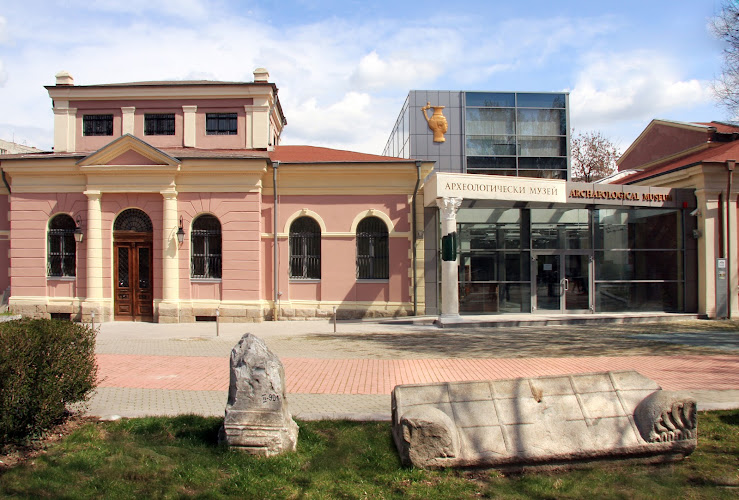
Regional Archaeological Museum, Plovdiv
About Regional Archaeological Museum, Plovdiv
Description
The Regional Archaeological Museum in Plovdiv is one of those places that quietly rewires how you understand Bulgaria. It doesn’t shout for attention. It doesn’t try to entertain you with flashing screens or gimmicks. Instead, it calmly lays out more than 100,000 artifacts and says, more or less, here’s what actually happened. And then you’re hooked.
The museum itself dates back to around 1882, and you can feel that age in the walls. I mean that in a good way. There’s a certain academic seriousness to the building, the kind that makes you straighten your posture a bit when you walk in. This is one of the oldest museums of its kind in the country, and it carries that responsibility with a kind of quiet pride.
What surprises most travelers (including me, the first time) is how compact yet dense the experience is. You don’t wander aimlessly through endless halls. Instead, each room is packed with material from Thracian, Roman, and medieval periods, all connected to the Plovdiv region. And yes, Plovdiv claims to be one of the oldest continuously inhabited cities in Europe. After spending an hour here, that stops sounding like a tourism slogan and starts sounding like a fact you can’t really argue with.
The permanent exhibition focuses heavily on Thracian culture, which doesn’t always get enough spotlight in European history books. Gold treasures, burial artifacts, inscriptions, everyday tools. It’s not just about kings and warriors, but about how people cooked, traded, worshipped, and buried their dead. I remember lingering way too long in front of a set of jewelry that looked shockingly modern. And I thought, wow, fashion really does recycle itself.
Roman-era pieces are another highlight. Plovdiv was Philippopolis back then, a major city, and the artifacts reflect wealth and influence. Mosaics, statues, coins, and architectural fragments give you a sense of how important this place once was. But the museum doesn’t sugarcoat history either. You’ll see signs of conflict, destruction, and rebuilding. Empires rise, empires fall. Same old story, different century.
The museum is family-friendly, which sounds like marketing fluff until you see kids actually engaged. There are hands-on elements and displays arranged at heights children can see. Discounts for kids and family tickets help too, especially if you’re traveling with a small army of relatives. And while there’s no restaurant inside, the restrooms are clean, and that alone earns points in my personal ranking system.
Accessibility-wise, the entrance accommodates wheelchairs, which is good to see in a historic building. Some interior areas are tighter, though, so patience helps. Still, the staff are generally helpful and happy to explain things, even if there’s a slight language gap. A smile and a bit of pointing go a long way.
Key Features
- Over 100,000 archaeological artifacts covering Thracian, Roman, and medieval history
- One of Bulgaria’s oldest museums, established in the late 19th century
- Strong focus on the ancient history of Plovdiv and its surrounding region
- Impressive collections of Thracian gold and burial items
- Roman sculptures, mosaics, coins, and inscriptions tied to ancient Philippopolis
- Compact layout that makes the visit manageable without feeling rushed
- Family-friendly environment with kid-oriented displays and activities
- Wheelchair-accessible entrance in a historic building
- Clear signage and well-curated permanent exhibitions
- Balanced presentation that includes everyday life, not just elites and rulers
Best Time to Visit
The museum works year-round, but timing does matter if you want a calmer experience. Late morning on weekdays is ideal. You miss the school groups and avoid the afternoon tourist wave that tends to drift in after lunch. I once made the mistake of showing up mid-afternoon on a Saturday in summer. Not terrible, but definitely more shuffling and waiting around popular displays.
Spring and autumn are my personal favorites for visiting Plovdiv in general, and the museum fits nicely into that rhythm. The weather is pleasant, the city isn’t overwhelmed, and you can actually focus. Summer brings more travelers, especially families, which the museum handles fairly well, but it does get noisier.
Winter visits have their own charm. Fewer crowds, slower pace, and a slightly more contemplative mood. If you’re the kind of traveler who likes having space to think and read every label (guilty), winter mornings are gold. Just bundle up on the way there.
And here’s a small tip from experience: allow at least 90 minutes. Two hours is better if you like taking your time. This isn’t a pop-in-for-20-minutes kind of museum unless you’re truly in a rush.
How to Get There
The Regional Archaeological Museum is centrally located in Plovdiv, which makes getting there refreshingly easy. If you’re staying anywhere near the Old Town or central districts, walking is often the best option. The city is compact, and you’ll probably pass other interesting buildings on the way. I always do, even when I swear I’m walking straight.
Public transport is another straightforward choice. Several bus lines stop nearby, and locals are usually willing to help if you look confused. Taxis are affordable by European standards, but honestly, unless you’re short on time or energy, walking is more fun and gives you context.
If you’re driving, be aware that parking in central Plovdiv can be tricky. Not impossible, just mildly annoying. Allow extra time to circle around, or consider parking a bit farther out and walking in. Your stress levels will thank you.
Tips for Visiting
First, wear comfortable shoes. This sounds obvious, but the museum encourages slow wandering and standing still while reading. You’ll be on your feet more than you think.
Second, don’t rush the Thracian section. Many visitors head straight for the Roman stuff because it feels more familiar. But the Thracian artifacts are where this museum really shines. Take your time there. Read the context. It’s worth it.
If you’re traveling with kids, ask staff about any available activities or family-friendly explanations. They’re usually happy to point you in the right direction. And yes, kids discounts and family tickets help keep things affordable.
Photography rules can change, so check before snapping away. Some sections may restrict photos, especially of delicate items. Respect that. These artifacts have survived thousands of years; they deserve a little care.
There’s no restaurant inside, so plan accordingly. Grab a coffee or snack beforehand, or save your appetite for afterward. Plovdiv has plenty of good options nearby. Trust me on that.
And finally, give yourself mental space. This museum isn’t about quick dopamine hits. It’s about layers of history stacked on top of each other. Let it sink in. You might walk out feeling slightly overwhelmed, slightly amazed, and maybe even a bit humbled. That’s kind of the point.
If you’re the sort of traveler who likes understanding a place beyond postcards and pretty streets, the Regional Archaeological Museum in Plovdiv delivers. Not perfectly, not flashily, but honestly. And sometimes, that’s exactly what you want.
Key Features
- Over 100,000 archaeological artifacts covering Thracian, Roman, and medieval history
- One of Bulgaria’s oldest museums, established in the late 19th century
- Strong focus on the ancient history of Plovdiv and its surrounding region
- Impressive collections of Thracian gold and burial items
- Roman sculptures, mosaics, coins, and inscriptions tied to ancient Philippopolis
- Compact layout that makes the visit manageable without feeling rushed
- Family-friendly environment with kid-oriented displays and activities
- Wheelchair-accessible entrance in a historic building
More Details
Updated December 31, 2025
Table of Contents
- Description
- Key Features
- Best Time to Visit
- How to Get There
- Tips for Visiting
- Key Highlights
- Location
- Places to Stay Near Regional Archaeological Museum, Plovdiv
- Find and Book a Tour
- Explore More Travel Guides
- Nearby Places You Might Like
- Traveler Reviews for Regional Archaeological Museum, Plovdiv
- Share Your Experience
Description
The Regional Archaeological Museum in Plovdiv is one of those places that quietly rewires how you understand Bulgaria. It doesn’t shout for attention. It doesn’t try to entertain you with flashing screens or gimmicks. Instead, it calmly lays out more than 100,000 artifacts and says, more or less, here’s what actually happened. And then you’re hooked.
The museum itself dates back to around 1882, and you can feel that age in the walls. I mean that in a good way. There’s a certain academic seriousness to the building, the kind that makes you straighten your posture a bit when you walk in. This is one of the oldest museums of its kind in the country, and it carries that responsibility with a kind of quiet pride.
What surprises most travelers (including me, the first time) is how compact yet dense the experience is. You don’t wander aimlessly through endless halls. Instead, each room is packed with material from Thracian, Roman, and medieval periods, all connected to the Plovdiv region. And yes, Plovdiv claims to be one of the oldest continuously inhabited cities in Europe. After spending an hour here, that stops sounding like a tourism slogan and starts sounding like a fact you can’t really argue with.
The permanent exhibition focuses heavily on Thracian culture, which doesn’t always get enough spotlight in European history books. Gold treasures, burial artifacts, inscriptions, everyday tools. It’s not just about kings and warriors, but about how people cooked, traded, worshipped, and buried their dead. I remember lingering way too long in front of a set of jewelry that looked shockingly modern. And I thought, wow, fashion really does recycle itself.
Roman-era pieces are another highlight. Plovdiv was Philippopolis back then, a major city, and the artifacts reflect wealth and influence. Mosaics, statues, coins, and architectural fragments give you a sense of how important this place once was. But the museum doesn’t sugarcoat history either. You’ll see signs of conflict, destruction, and rebuilding. Empires rise, empires fall. Same old story, different century.
The museum is family-friendly, which sounds like marketing fluff until you see kids actually engaged. There are hands-on elements and displays arranged at heights children can see. Discounts for kids and family tickets help too, especially if you’re traveling with a small army of relatives. And while there’s no restaurant inside, the restrooms are clean, and that alone earns points in my personal ranking system.
Accessibility-wise, the entrance accommodates wheelchairs, which is good to see in a historic building. Some interior areas are tighter, though, so patience helps. Still, the staff are generally helpful and happy to explain things, even if there’s a slight language gap. A smile and a bit of pointing go a long way.
Key Features
- Over 100,000 archaeological artifacts covering Thracian, Roman, and medieval history
- One of Bulgaria’s oldest museums, established in the late 19th century
- Strong focus on the ancient history of Plovdiv and its surrounding region
- Impressive collections of Thracian gold and burial items
- Roman sculptures, mosaics, coins, and inscriptions tied to ancient Philippopolis
- Compact layout that makes the visit manageable without feeling rushed
- Family-friendly environment with kid-oriented displays and activities
- Wheelchair-accessible entrance in a historic building
- Clear signage and well-curated permanent exhibitions
- Balanced presentation that includes everyday life, not just elites and rulers
Best Time to Visit
The museum works year-round, but timing does matter if you want a calmer experience. Late morning on weekdays is ideal. You miss the school groups and avoid the afternoon tourist wave that tends to drift in after lunch. I once made the mistake of showing up mid-afternoon on a Saturday in summer. Not terrible, but definitely more shuffling and waiting around popular displays.
Spring and autumn are my personal favorites for visiting Plovdiv in general, and the museum fits nicely into that rhythm. The weather is pleasant, the city isn’t overwhelmed, and you can actually focus. Summer brings more travelers, especially families, which the museum handles fairly well, but it does get noisier.
Winter visits have their own charm. Fewer crowds, slower pace, and a slightly more contemplative mood. If you’re the kind of traveler who likes having space to think and read every label (guilty), winter mornings are gold. Just bundle up on the way there.
And here’s a small tip from experience: allow at least 90 minutes. Two hours is better if you like taking your time. This isn’t a pop-in-for-20-minutes kind of museum unless you’re truly in a rush.
How to Get There
The Regional Archaeological Museum is centrally located in Plovdiv, which makes getting there refreshingly easy. If you’re staying anywhere near the Old Town or central districts, walking is often the best option. The city is compact, and you’ll probably pass other interesting buildings on the way. I always do, even when I swear I’m walking straight.
Public transport is another straightforward choice. Several bus lines stop nearby, and locals are usually willing to help if you look confused. Taxis are affordable by European standards, but honestly, unless you’re short on time or energy, walking is more fun and gives you context.
If you’re driving, be aware that parking in central Plovdiv can be tricky. Not impossible, just mildly annoying. Allow extra time to circle around, or consider parking a bit farther out and walking in. Your stress levels will thank you.
Tips for Visiting
First, wear comfortable shoes. This sounds obvious, but the museum encourages slow wandering and standing still while reading. You’ll be on your feet more than you think.
Second, don’t rush the Thracian section. Many visitors head straight for the Roman stuff because it feels more familiar. But the Thracian artifacts are where this museum really shines. Take your time there. Read the context. It’s worth it.
If you’re traveling with kids, ask staff about any available activities or family-friendly explanations. They’re usually happy to point you in the right direction. And yes, kids discounts and family tickets help keep things affordable.
Photography rules can change, so check before snapping away. Some sections may restrict photos, especially of delicate items. Respect that. These artifacts have survived thousands of years; they deserve a little care.
There’s no restaurant inside, so plan accordingly. Grab a coffee or snack beforehand, or save your appetite for afterward. Plovdiv has plenty of good options nearby. Trust me on that.
And finally, give yourself mental space. This museum isn’t about quick dopamine hits. It’s about layers of history stacked on top of each other. Let it sink in. You might walk out feeling slightly overwhelmed, slightly amazed, and maybe even a bit humbled. That’s kind of the point.
If you’re the sort of traveler who likes understanding a place beyond postcards and pretty streets, the Regional Archaeological Museum in Plovdiv delivers. Not perfectly, not flashily, but honestly. And sometimes, that’s exactly what you want.
Key Highlights
- Over 100,000 archaeological artifacts covering Thracian, Roman, and medieval history
- One of Bulgaria’s oldest museums, established in the late 19th century
- Strong focus on the ancient history of Plovdiv and its surrounding region
- Impressive collections of Thracian gold and burial items
- Roman sculptures, mosaics, coins, and inscriptions tied to ancient Philippopolis
- Compact layout that makes the visit manageable without feeling rushed
- Family-friendly environment with kid-oriented displays and activities
- Wheelchair-accessible entrance in a historic building
Location
Places to Stay Near Regional Archaeological Museum, Plovdiv
Find and Book a Tour
Explore More Travel Guides
No reviews found! Be the first to review!
Traveler Reviews for Regional Archaeological Museum, Plovdiv
There are no reviews yet. Be the first one to write one.
Have you visited Regional Archaeological Museum, Plovdiv? Help other travelers by sharing your review.
You Might Also Like

Regional Ethnographic Museum Plovdiv

The Statue of Milyo
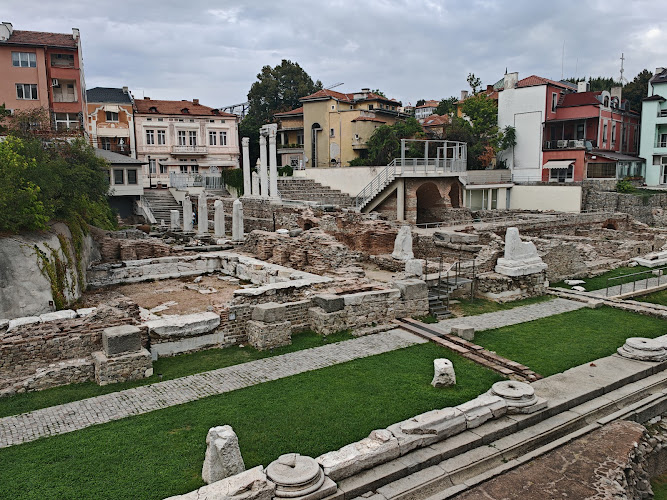
Roman Forum of Philippopolis
Find Accommodations Nearby
Recommended Tours & Activities
Visitor Reviews
There are no reviews yet. Be the first one to write one.
Share Your Experience
Have you visited Regional Archaeological Museum, Plovdiv? Help other travelers by leaving a review.