Description
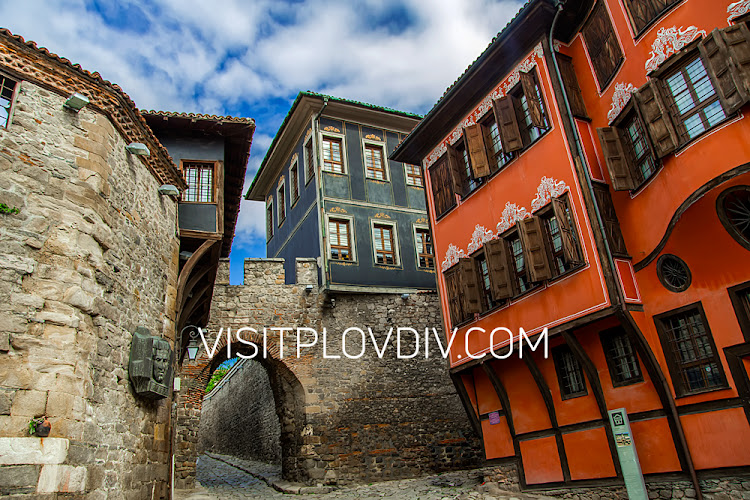
And yes, it’s “just” a gate. But anyone who has traveled enough knows that gates matter. They mark transitions. I remember visiting it on a hot afternoon, half-expecting a quick photo stop. Ten minutes, maybe. I ended up staying nearly an hour, leaning against the old stone, watching kids play nearby and locals pass through without a second glance. That contrast—tourist wonder versus everyday routine—is what makes Hisar Kapia Gate fascinating.
The structure dates back to medieval times, built as part of a defensive system that once protected the city. Thick stone walls, a solid archway, and weathered surfaces tell stories better than any plaque ever could. Some stones are smoother where countless hands brushed past them. Others are chipped, scarred by time and who knows what else. And if you’re the kind of traveler who likes imagining life centuries ago, this place feeds that curiosity nicely.
What really surprised me was how approachable it feels. This isn’t an attraction wrapped in ropes and rules. It’s part of the city’s living fabric. Locals pass through on their way to errands. Children run around it, which I actually loved seeing. History that kids feel comfortable climbing around (safely, of course) tends to survive longer in public memory.
From a traveler’s perspective, Hisar Kapia Gate works well as both a quick stop and a slow linger. If you’re short on time, you’ll still get that sense of medieval scale and craftsmanship in a few minutes. But if you hang around, listen, observe, maybe chat with a local, it becomes more layered. And those layered experiences? They’re the ones you remember.
Key Features
One thing worth noting—and I say this as someone who appreciates honesty in travel writing—is that accessibility can be a challenge. The entrance isn’t wheelchair accessible, and the surrounding ground can be uneven. It’s not impossible for everyone, but it does require awareness and planning.
Best Time to Visit
If you ask me, early morning is when Hisar Kapia Gate feels most authentic. The city is waking up, the light is softer, and there’s a calm that doesn’t last long once the day gets busy. I visited once just after sunrise, coffee in hand, and it felt like the gate and I had a quiet agreement to share the moment before everyone else showed up.
Late afternoon is a close second. The stone takes on warmer tones, and shadows stretch in interesting ways that photographers love. And even if you’re not big on photography, it just feels good to be there at that hour. The pace slows, people linger a bit more.
Midday can be busy and hot, depending on the season. That’s not always bad—there’s energy, life, noise—but if you’re sensitive to crowds or heat, plan accordingly. Seasonal changes also matter. Spring and autumn offer the most comfortable weather for walking and standing around exploring details. Summer can be intense, while winter has its own quiet beauty, though it may feel a bit stark.
How to Get There
Getting to Hisar Kapia Gate is fairly straightforward, especially if you’re already exploring the historic parts of the city. Walking is often the best option. You notice more, and you don’t miss those small side streets that make travel fun. I’m a big believer in walking whenever possible, even if it means getting a little lost. Some of my favorite travel memories come from wrong turns.
Public transportation can bring you close, and from there it’s usually a short walk. Taxis are also an option if you’re short on time or energy, but I’d still recommend walking the final stretch. The approach matters. Seeing the gate gradually appear rather than suddenly arriving by car gives it more impact.
If you’re traveling with kids, the walk is manageable, and there are usually enough distractions along the way to keep them entertained. Just keep an eye out for uneven pavement near the gate itself.
Tips for Visiting
First tip, and I say this from experience: don’t rush it. Even if you think you’re “not a history person,” give yourself at least 20–30 minutes here. Sit, stand, observe. History has a way of sneaking up on you when you’re not forcing it.
Wear comfortable shoes. Sounds obvious, I know, but medieval sites rarely care about modern footwear expectations. The ground can be uneven, and you’ll enjoy yourself more if you’re not constantly watching your step.
Bring water, especially in warmer months. There may not be vendors right at the gate, and standing around stone structures in the sun gets dehydrating fast. Learned that the hard way once, and it wasn’t fun.
If you’re traveling with children, let them explore (safely). This place is actually good for kids because it feels open and informal. They can imagine knights, guards, traders—whatever their imagination comes up with. And honestly, watching kids engage with history is pretty heartwarming.
Photography lovers should visit at different times of day if possible. Morning and late afternoon light changes the entire mood. And don’t just photograph the gate head-on. Look for details: stone textures, worn edges, the way light hits the arch.
Lastly, be respectful. This may be a tourist attraction, but it’s also part of local daily life. People pass through on their way to work, school, errands. Treat it like a shared space, not a museum behind glass.
Hisar Kapia Gate isn’t about ticking off a famous landmark. It’s about standing in a place where centuries overlap, where history isn’t packaged or polished too much. If you let it, the gate will quietly remind you why travel matters—not for the big wow moments, but for these smaller, grounded experiences that stick with you long after you’ve gone home.