

Regional Ethnographic Museum Plovdiv
About Regional Ethnographic Museum Plovdiv
Description
The Regional Ethnographic Museum Plovdiv sits in one of those buildings that makes a traveler stop mid-step. It’s a grand 19th-century mansion, all curves and confidence, the kind of place that looks like it has stories baked into the walls. And honestly, it does. This museum is dedicated to Bulgarian cultural heritage, but not in a dry, academic way that makes you check your watch every five minutes. It’s more like walking through a family album—only the family is an entire country.
The museum focuses on everyday life, traditions, crafts, and rituals from different regions of Bulgaria. Think traditional clothing with heavy embroidery, hand-carved wooden tools, ceremonial objects, and musical instruments that look like they’ve been played hard and loved harder. And sometimes, they still are. Live performances pop up from time to time, which adds a whole other layer. You’re not just looking at history; you’re hearing it, feeling it vibrate in the room.
One thing that stands out is how approachable the museum feels. It’s family-friendly, good for kids, and not intimidating. A few years back, I visited with a friend who swore museums bored her to tears. She ended up spending twenty minutes staring at a collection of traditional costumes, pointing out stitching patterns and colors like she suddenly discovered a hidden talent. That’s the magic here. The displays pull you in quietly, without shouting.
The museum also includes a garden, which might sound like a side note, but it matters. After wandering through rooms full of detail and texture, stepping outside into a calm green space feels grounding. It’s a nice pause button, especially if you’re hopping between Old Town sights. And yes, the building itself is part of the experience—high ceilings, wooden staircases, and that faint smell of old timber and history. Some corners feel slightly worn, but to me that just makes it real. Not everything needs to be shiny.
Key Features
The Regional Ethnographic Museum Plovdiv packs a lot into one visit. Here are the highlights travelers usually remember:
- Extensive collection of traditional Bulgarian costumes from different regions, each with distinct colors, embroidery, and symbolism
- Authentic musical instruments, some of which are still used during live performances and special events
- Handcrafted household items, tools, and textiles that show how everyday life actually worked, not the romantic version
- A 19th-century architectural setting that feels like an exhibit on its own
- Occasional live folk music and cultural demonstrations that bring the exhibits to life
- Wheelchair-accessible entrance, restrooms, and parking, which makes planning easier for many travelers
- On-site Wi-Fi, surprisingly useful when you want to look up regional names or share photos instantly
- A peaceful garden area for resting, reflecting, or letting kids burn off a bit of energy
And a small but important note: there’s no restaurant inside. That’s not a downside, just something to know. Many visitors combine the museum with a nearby café stop, which honestly feels like the right rhythm for Plovdiv anyway.
Best Time to Visit
Timing matters more than people think when visiting the Regional Ethnographic Museum Plovdiv. The best months are spring and autumn. The weather is comfortable, the garden is pleasant, and the museum doesn’t feel rushed. Summer can be busy, especially with tour groups, and some rooms get warm. Winter has its own charm, quieter and slower, but you’ll miss the garden at its best.
If you can, visit in the late morning or early afternoon. That’s when the light hits the rooms just right, especially the costume displays. I once went close to closing time and felt slightly hurried, like I was racing the clock instead of enjoying myself. Lesson learned.
Keep an eye out for days with live performances or cultural events. They’re not daily, but when they happen, they elevate the whole experience. Hearing traditional music echo through those old halls is something you remember long after your trip ends. And yes, weekends are busier, but also more lively. Weekdays are calmer, better if you like to read every label without someone breathing down your neck.
How to Get There
The museum is located within Plovdiv’s historic area, which is both a blessing and a mild workout. Most travelers reach it on foot, especially if they’re already exploring the Old Town. Walking is honestly the best way. You notice details—stone paths, old houses, random cats sunbathing like they own the place.
If walking isn’t an option, taxis in Plovdiv are affordable and straightforward. Public transport can get you close, but you’ll still need to walk the last stretch. For those driving, there is accessible parking available, though spaces can be limited during peak tourist seasons. Plan a little buffer time so you’re not stressed before you even step inside.
One thing worth mentioning: the streets around the museum can be uneven. Comfortable shoes aren’t optional; they’re essential. I ignored this once and regretted it by lunchtime. Your feet will thank you later.
Tips for Visiting
First tip, and I can’t stress this enough: slow down. This isn’t a museum you rush through in 30 minutes. Give yourself at least an hour, preferably more. The details matter. The stitching on a vest, the wear on a wooden tool, the handwritten notes. They tell quiet stories.
Second, talk to the staff if you get the chance. They’re usually knowledgeable and genuinely proud of the collection. On one visit, a staff member explained the meaning behind certain costume colors, and it completely changed how I looked at the display. It went from pretty clothes to coded language.
Third, bring kids if you’re traveling as a family. The museum is good for children, especially those who like stories and music. Some exhibits spark questions naturally, which is half the fun. And the garden gives them space to reset.
Fourth, don’t expect perfection. Some exhibits feel more modern than others, and a few explanations could be clearer. But that’s part of the charm. This place feels lived-in, not staged for Instagram. And honestly, that’s refreshing.
Accessibility-wise, the museum does a solid job. Wheelchair access is available, including restrooms, which isn’t always the case in historic buildings. It’s not flawless, but it’s thoughtful.
Lastly, pair your visit with something simple afterward—coffee, a walk, maybe sitting quietly somewhere. The museum leaves you thinking about how people lived, worked, celebrated, and mourned. That kind of experience deserves a little space to sink in.
The Regional Ethnographic Museum Plovdiv isn’t about spectacle. It’s about understanding. And for travelers who want more than surface-level sightseeing, that makes all the difference.
Key Features
- Extensive collection of traditional Bulgarian costumes from different regions, each with distinct colors, embroidery, and symbolism
- Authentic musical instruments, some of which are still used during live performances and special events
- Handcrafted household items, tools, and textiles that show how everyday life actually worked, not the romantic version
- A 19th-century architectural setting that feels like an exhibit on its own
- Occasional live folk music and cultural demonstrations that bring the exhibits to life
- Wheelchair-accessible entrance, restrooms, and parking, which makes planning easier for many travelers
- On-site Wi-Fi, surprisingly useful when you want to look up regional names or share photos instantly
- A peaceful garden area for resting, reflecting, or letting kids burn off a bit of energy
More Details
Updated December 31, 2025
Table of Contents
- Description
- Key Features
- Best Time to Visit
- How to Get There
- Tips for Visiting
- Key Highlights
- Location
- Places to Stay Near Regional Ethnographic Museum Plovdiv
- Find and Book a Tour
- Explore More Travel Guides
- Nearby Places You Might Like
- Traveler Reviews for Regional Ethnographic Museum Plovdiv
- Share Your Experience
Description
The Regional Ethnographic Museum Plovdiv sits in one of those buildings that makes a traveler stop mid-step. It’s a grand 19th-century mansion, all curves and confidence, the kind of place that looks like it has stories baked into the walls. And honestly, it does. This museum is dedicated to Bulgarian cultural heritage, but not in a dry, academic way that makes you check your watch every five minutes. It’s more like walking through a family album—only the family is an entire country.
The museum focuses on everyday life, traditions, crafts, and rituals from different regions of Bulgaria. Think traditional clothing with heavy embroidery, hand-carved wooden tools, ceremonial objects, and musical instruments that look like they’ve been played hard and loved harder. And sometimes, they still are. Live performances pop up from time to time, which adds a whole other layer. You’re not just looking at history; you’re hearing it, feeling it vibrate in the room.
One thing that stands out is how approachable the museum feels. It’s family-friendly, good for kids, and not intimidating. A few years back, I visited with a friend who swore museums bored her to tears. She ended up spending twenty minutes staring at a collection of traditional costumes, pointing out stitching patterns and colors like she suddenly discovered a hidden talent. That’s the magic here. The displays pull you in quietly, without shouting.
The museum also includes a garden, which might sound like a side note, but it matters. After wandering through rooms full of detail and texture, stepping outside into a calm green space feels grounding. It’s a nice pause button, especially if you’re hopping between Old Town sights. And yes, the building itself is part of the experience—high ceilings, wooden staircases, and that faint smell of old timber and history. Some corners feel slightly worn, but to me that just makes it real. Not everything needs to be shiny.
Key Features
The Regional Ethnographic Museum Plovdiv packs a lot into one visit. Here are the highlights travelers usually remember:
- Extensive collection of traditional Bulgarian costumes from different regions, each with distinct colors, embroidery, and symbolism
- Authentic musical instruments, some of which are still used during live performances and special events
- Handcrafted household items, tools, and textiles that show how everyday life actually worked, not the romantic version
- A 19th-century architectural setting that feels like an exhibit on its own
- Occasional live folk music and cultural demonstrations that bring the exhibits to life
- Wheelchair-accessible entrance, restrooms, and parking, which makes planning easier for many travelers
- On-site Wi-Fi, surprisingly useful when you want to look up regional names or share photos instantly
- A peaceful garden area for resting, reflecting, or letting kids burn off a bit of energy
And a small but important note: there’s no restaurant inside. That’s not a downside, just something to know. Many visitors combine the museum with a nearby café stop, which honestly feels like the right rhythm for Plovdiv anyway.
Best Time to Visit
Timing matters more than people think when visiting the Regional Ethnographic Museum Plovdiv. The best months are spring and autumn. The weather is comfortable, the garden is pleasant, and the museum doesn’t feel rushed. Summer can be busy, especially with tour groups, and some rooms get warm. Winter has its own charm, quieter and slower, but you’ll miss the garden at its best.
If you can, visit in the late morning or early afternoon. That’s when the light hits the rooms just right, especially the costume displays. I once went close to closing time and felt slightly hurried, like I was racing the clock instead of enjoying myself. Lesson learned.
Keep an eye out for days with live performances or cultural events. They’re not daily, but when they happen, they elevate the whole experience. Hearing traditional music echo through those old halls is something you remember long after your trip ends. And yes, weekends are busier, but also more lively. Weekdays are calmer, better if you like to read every label without someone breathing down your neck.
How to Get There
The museum is located within Plovdiv’s historic area, which is both a blessing and a mild workout. Most travelers reach it on foot, especially if they’re already exploring the Old Town. Walking is honestly the best way. You notice details—stone paths, old houses, random cats sunbathing like they own the place.
If walking isn’t an option, taxis in Plovdiv are affordable and straightforward. Public transport can get you close, but you’ll still need to walk the last stretch. For those driving, there is accessible parking available, though spaces can be limited during peak tourist seasons. Plan a little buffer time so you’re not stressed before you even step inside.
One thing worth mentioning: the streets around the museum can be uneven. Comfortable shoes aren’t optional; they’re essential. I ignored this once and regretted it by lunchtime. Your feet will thank you later.
Tips for Visiting
First tip, and I can’t stress this enough: slow down. This isn’t a museum you rush through in 30 minutes. Give yourself at least an hour, preferably more. The details matter. The stitching on a vest, the wear on a wooden tool, the handwritten notes. They tell quiet stories.
Second, talk to the staff if you get the chance. They’re usually knowledgeable and genuinely proud of the collection. On one visit, a staff member explained the meaning behind certain costume colors, and it completely changed how I looked at the display. It went from pretty clothes to coded language.
Third, bring kids if you’re traveling as a family. The museum is good for children, especially those who like stories and music. Some exhibits spark questions naturally, which is half the fun. And the garden gives them space to reset.
Fourth, don’t expect perfection. Some exhibits feel more modern than others, and a few explanations could be clearer. But that’s part of the charm. This place feels lived-in, not staged for Instagram. And honestly, that’s refreshing.
Accessibility-wise, the museum does a solid job. Wheelchair access is available, including restrooms, which isn’t always the case in historic buildings. It’s not flawless, but it’s thoughtful.
Lastly, pair your visit with something simple afterward—coffee, a walk, maybe sitting quietly somewhere. The museum leaves you thinking about how people lived, worked, celebrated, and mourned. That kind of experience deserves a little space to sink in.
The Regional Ethnographic Museum Plovdiv isn’t about spectacle. It’s about understanding. And for travelers who want more than surface-level sightseeing, that makes all the difference.
Key Highlights
- Extensive collection of traditional Bulgarian costumes from different regions, each with distinct colors, embroidery, and symbolism
- Authentic musical instruments, some of which are still used during live performances and special events
- Handcrafted household items, tools, and textiles that show how everyday life actually worked, not the romantic version
- A 19th-century architectural setting that feels like an exhibit on its own
- Occasional live folk music and cultural demonstrations that bring the exhibits to life
- Wheelchair-accessible entrance, restrooms, and parking, which makes planning easier for many travelers
- On-site Wi-Fi, surprisingly useful when you want to look up regional names or share photos instantly
- A peaceful garden area for resting, reflecting, or letting kids burn off a bit of energy
Location
Places to Stay Near Regional Ethnographic Museum Plovdiv
Find and Book a Tour
Explore More Travel Guides
No reviews found! Be the first to review!
Traveler Reviews for Regional Ethnographic Museum Plovdiv
There are no reviews yet. Be the first one to write one.
Have you visited Regional Ethnographic Museum Plovdiv? Help other travelers by sharing your review.
You Might Also Like
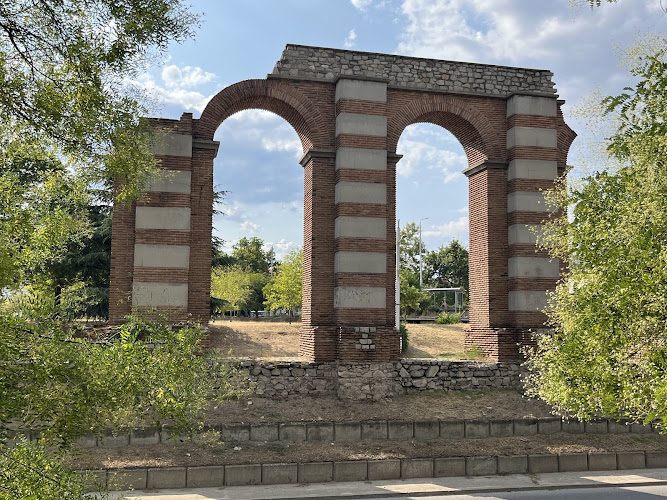
Roman aqueduct

Singing Fountains
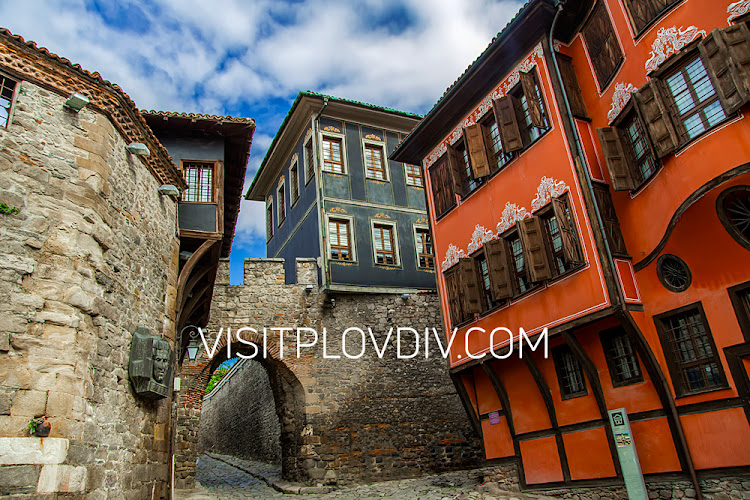
Hisar Kapia Gate
Find Accommodations Nearby
Recommended Tours & Activities
Visitor Reviews
There are no reviews yet. Be the first one to write one.
Share Your Experience
Have you visited Regional Ethnographic Museum Plovdiv? Help other travelers by leaving a review.