About Roman aqueduct

Description

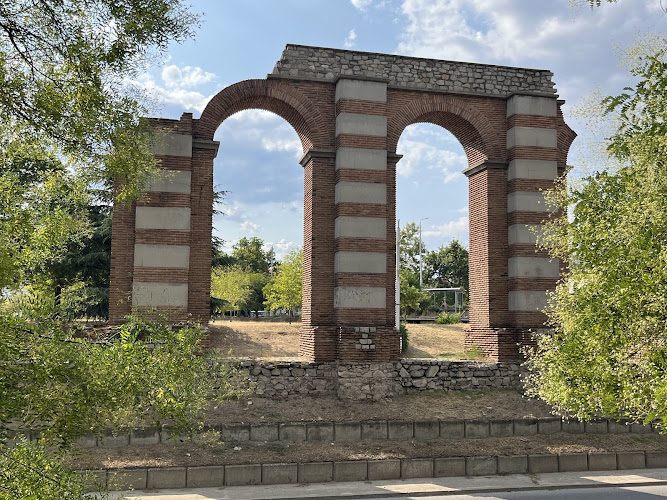
The Roman aqueduct is one of those places that sneaks up on you. You arrive expecting old stones and history textbook vibes, and then—bam—you’re standing under arches that have been doing their job for nearly two thousand years. Not many tourist attractions can say that. These aqueducts were the lifelines of Roman cities, carrying fresh water over long distances using gravity alone. No pumps, no modern tech, just math, patience, and an almost stubborn belief that stone could last forever. And honestly, they were right.

Walking alongside a Roman aqueduct feels strangely intimate. You can see the chisel marks if you look close enough, and sometimes the repairs layered over centuries, like a timeline made of limestone. I remember the first time I saw one in person, I thought it would be a quick stop. Fifteen minutes, a few photos, done. Two hours later I was still there, wandering back and forth, trying to imagine the sound of water rushing through the channel above while people below went about their lives. That’s the magic here. It pulls you into a slower rhythm.

This attraction is especially appealing to travelers who like history with a bit of grit. It’s not polished or over-curated. You won’t find flashy exhibits or actors in costume. Instead, you get scale, silence, and a kind of quiet authority. And while most visitors leave impressed, a few do walk away thinking it’s just a pile of old arches. Fair enough. But if you give it time—and a bit of curiosity—it tends to reward you.

The aqueduct also works surprisingly well for families. Kids seem to love the sheer size of it, and the fact that it looks like a giant stone bridge built by ancient engineers. I once overheard a child counting arches out loud, very seriously, like it was a mission. Moments like that stick with you.

Key Features

  • Monumental stone arches: The repeating arches aren’t just beautiful; they’re structural genius, distributing weight efficiently across long distances.
  • Original Roman engineering: Many sections still follow the original Roman gradient, often dropping only a few centimeters per kilometer.
  • Walkable surroundings: The area around the aqueduct is usually open and inviting, ideal for slow walks and unplanned photo stops.
  • Family-friendly atmosphere: Open spaces and visible structures make it easy for kids to explore without needing constant explanations.
  • Layered history: Look closely and you’ll spot repairs from medieval and even early modern periods, proof that later societies depended on it too.
  • Photogenic at all hours: Morning light shows off texture, while late afternoon shadows bring drama. Sunset, if you catch it right, is unreal.

Best Time to Visit

If you ask me, early morning is the sweet spot. The air is cooler, the light is softer, and you’re more likely to have the place mostly to yourself. There’s something special about hearing your footsteps echo near a structure that’s older than most countries. And you can think better without crowds, at least I can.

Spring and autumn are ideal seasons. Summer can be hot, and there’s often very little shade near aqueducts since they were built to run across open terrain. Winter has its own charm, though. Fewer people, crisp air, and a more dramatic feel. Just dress properly. Stone gets cold, fast.

Weekdays tend to be quieter than weekends. And if you’re the type who enjoys photography, cloudy days are underrated. The texture of the stone pops more, and you won’t be squinting into harsh sunlight every five seconds. Trust me, your photos will thank you.

How to Get There

Most Roman aqueduct sites are reachable by a mix of public transport and walking. That last part is important. You’ll likely need to walk a bit, sometimes along uneven paths. But that approach actually builds anticipation. You see the arches slowly rising in the distance, and it feels earned.

If you’re driving, parking is usually available nearby, though not always right next to the monument. That’s intentional in many places, to protect the site. Public buses or regional trains often stop within a reasonable distance, and from there it’s a straightforward walk. Just follow the arches—they’re hard to miss.

I once got slightly lost trying to reach an aqueduct, ended up on a dirt path with wildflowers and zero signal. Mild panic, sure. But then the arches appeared through the trees, and suddenly it felt like an adventure instead of a mistake. So yeah, even the wrong turns can be memorable.

Tips for Visiting

First tip: wear good shoes. This isn’t a fashion stop. Paths can be rocky, dusty, or uneven, and you’ll want to wander. Second, bring water. It’s ironic, but there’s often nowhere to buy a drink near an aqueduct, even though the whole place exists because of water.

Take your time reading the structure itself. Look for differences in stone color or size. Those usually tell stories of repairs, earthquakes, or changing techniques. If you’re traveling with kids, turn it into a game. Ask them why they think the arches are shaped the way they are. You’ll get some wild answers, and maybe a good laugh.

Don’t expect luxury amenities. There may be basic signage, maybe a small viewing area, but that’s it. And that’s part of the appeal. Bring a snack, sit nearby, and just be present. I’ve had some of my best travel conversations sitting on a rock near an aqueduct, talking about everything and nothing.

Lastly, respect the site. Climbing on ancient stone might look tempting, but it causes real damage. Plus, there’s something more satisfying about appreciating it as it stands, still doing what it was built to do: endure.

For travelers who crave substance over spectacle, the Roman aqueduct delivers. It’s quiet but powerful, simple yet mind-blowing. And you might leave thinking about water, time, and human ambition in a whole new way. Not bad for a bunch of old stones, right?

Key Features

  • Key Features
  • Best Time to Visit
  • How to Get There
  • Tips for Visiting

More Details

Updated December 31, 2025

Description

The Roman aqueduct is one of those places that sneaks up on you. You arrive expecting old stones and history textbook vibes, and then—bam—you’re standing under arches that have been doing their job for nearly two thousand years. Not many tourist attractions can say that. These aqueducts were the lifelines of Roman cities, carrying fresh water over long distances using gravity alone. No pumps, no modern tech, just math, patience, and an almost stubborn belief that stone could last forever. And honestly, they were right.

Walking alongside a Roman aqueduct feels strangely intimate. You can see the chisel marks if you look close enough, and sometimes the repairs layered over centuries, like a timeline made of limestone. I remember the first time I saw one in person, I thought it would be a quick stop. Fifteen minutes, a few photos, done. Two hours later I was still there, wandering back and forth, trying to imagine the sound of water rushing through the channel above while people below went about their lives. That’s the magic here. It pulls you into a slower rhythm.

This attraction is especially appealing to travelers who like history with a bit of grit. It’s not polished or over-curated. You won’t find flashy exhibits or actors in costume. Instead, you get scale, silence, and a kind of quiet authority. And while most visitors leave impressed, a few do walk away thinking it’s just a pile of old arches. Fair enough. But if you give it time—and a bit of curiosity—it tends to reward you.

The aqueduct also works surprisingly well for families. Kids seem to love the sheer size of it, and the fact that it looks like a giant stone bridge built by ancient engineers. I once overheard a child counting arches out loud, very seriously, like it was a mission. Moments like that stick with you.

Key Features

  • Monumental stone arches: The repeating arches aren’t just beautiful; they’re structural genius, distributing weight efficiently across long distances.
  • Original Roman engineering: Many sections still follow the original Roman gradient, often dropping only a few centimeters per kilometer.
  • Walkable surroundings: The area around the aqueduct is usually open and inviting, ideal for slow walks and unplanned photo stops.
  • Family-friendly atmosphere: Open spaces and visible structures make it easy for kids to explore without needing constant explanations.
  • Layered history: Look closely and you’ll spot repairs from medieval and even early modern periods, proof that later societies depended on it too.
  • Photogenic at all hours: Morning light shows off texture, while late afternoon shadows bring drama. Sunset, if you catch it right, is unreal.

Best Time to Visit

If you ask me, early morning is the sweet spot. The air is cooler, the light is softer, and you’re more likely to have the place mostly to yourself. There’s something special about hearing your footsteps echo near a structure that’s older than most countries. And you can think better without crowds, at least I can.

Spring and autumn are ideal seasons. Summer can be hot, and there’s often very little shade near aqueducts since they were built to run across open terrain. Winter has its own charm, though. Fewer people, crisp air, and a more dramatic feel. Just dress properly. Stone gets cold, fast.

Weekdays tend to be quieter than weekends. And if you’re the type who enjoys photography, cloudy days are underrated. The texture of the stone pops more, and you won’t be squinting into harsh sunlight every five seconds. Trust me, your photos will thank you.

How to Get There

Most Roman aqueduct sites are reachable by a mix of public transport and walking. That last part is important. You’ll likely need to walk a bit, sometimes along uneven paths. But that approach actually builds anticipation. You see the arches slowly rising in the distance, and it feels earned.

If you’re driving, parking is usually available nearby, though not always right next to the monument. That’s intentional in many places, to protect the site. Public buses or regional trains often stop within a reasonable distance, and from there it’s a straightforward walk. Just follow the arches—they’re hard to miss.

I once got slightly lost trying to reach an aqueduct, ended up on a dirt path with wildflowers and zero signal. Mild panic, sure. But then the arches appeared through the trees, and suddenly it felt like an adventure instead of a mistake. So yeah, even the wrong turns can be memorable.

Tips for Visiting

First tip: wear good shoes. This isn’t a fashion stop. Paths can be rocky, dusty, or uneven, and you’ll want to wander. Second, bring water. It’s ironic, but there’s often nowhere to buy a drink near an aqueduct, even though the whole place exists because of water.

Take your time reading the structure itself. Look for differences in stone color or size. Those usually tell stories of repairs, earthquakes, or changing techniques. If you’re traveling with kids, turn it into a game. Ask them why they think the arches are shaped the way they are. You’ll get some wild answers, and maybe a good laugh.

Don’t expect luxury amenities. There may be basic signage, maybe a small viewing area, but that’s it. And that’s part of the appeal. Bring a snack, sit nearby, and just be present. I’ve had some of my best travel conversations sitting on a rock near an aqueduct, talking about everything and nothing.

Lastly, respect the site. Climbing on ancient stone might look tempting, but it causes real damage. Plus, there’s something more satisfying about appreciating it as it stands, still doing what it was built to do: endure.

For travelers who crave substance over spectacle, the Roman aqueduct delivers. It’s quiet but powerful, simple yet mind-blowing. And you might leave thinking about water, time, and human ambition in a whole new way. Not bad for a bunch of old stones, right?

Key Highlights

  • Key Features
  • Best Time to Visit
  • How to Get There
  • Tips for Visiting

Location

Places to Stay Near Roman aqueduct

Find and Book a Tour

Explore More Travel Guides

No reviews found! Be the first to review!

Traveler Reviews for Roman aqueduct

There are no reviews yet. Be the first one to write one.

Share Your Experience

Have you visited Roman aqueduct? Help other travelers by sharing your review.

Find Accommodations Nearby

Recommended Tours & Activities

Visitor Reviews

There are no reviews yet. Be the first one to write one.

Share Your Experience

Have you visited Roman aqueduct? Help other travelers by leaving a review.