About Old Town of Plovdiv

Description

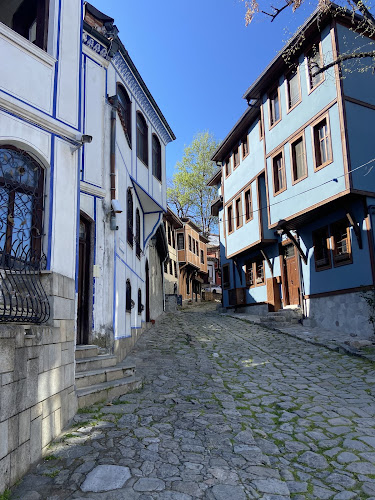
The Old Town of Plovdiv is one of those places that quietly rewires how you think about history. It isn’t a museum behind glass, and it’s definitely not polished into perfection. It’s a living hillside where layers of time overlap in a way that feels messy, honest, and deeply human. Walking its cobbled streets, you’re moving through ancient Thracian roots, Roman infrastructure, medieval walls, Ottoman-era houses, and 19th-century Bulgarian Revival architecture—all stacked together like chapters that refuse to be edited down.

And yes, it’s on a hill. Actually, several hills. The Old Town sprawls over the Nebet Tepe, Taksim Tepe, and Djambaz Tepe area, which means you’ll earn your views. But the reward is real. You’ll see red-tiled roofs spilling down slopes, pastel-colored mansions leaning into narrow lanes, and churches that still smell faintly of candle wax. It feels lived-in. Laundry hangs from windows. Cats nap on stone steps that are older than most countries.

Plovdiv itself claims over 8,000 years of continuous settlement, which is a bold claim until you’re standing next to ruins that make the argument for it. The Old Town is the emotional core of that story. I remember getting lost here on purpose one late afternoon, telling myself I’d turn back after “one more corner.” I didn’t. I ended up sitting on a low wall near Nebet Tepe as the sun dipped, listening to a street musician play something melancholy and off-key. That moment stuck more than any guidebook fact.

This area is officially protected as a national reserve, which explains why the architecture hasn’t been flattened or “modernized.” The houses from the Bulgarian National Revival period (18th–19th century) are the stars—wide eaves, curved facades, ornate wooden ceilings. Many of them are museums now, but a few still serve everyday purposes, which I personally like. It keeps the place from feeling frozen in time.

For travelers who like culture without crowds shouting at them, the Old Town of Plovdiv hits a sweet spot. It’s popular, sure. But it’s also spacious and varied enough that you can find quiet corners, especially early in the morning or during shoulder season. And if you’re into photography, history, architecture, or just wandering without a strict plan, this place gets under your skin.

Key Features

  • Preserved 19th-century Bulgarian Revival houses with detailed interiors and hand-painted walls
  • Roman Theatre of Philippopolis, still used for performances today (yes, acoustics still work)
  • Fragments of ancient Thracian and Roman fortifications at Nebet Tepe
  • Cobbled streets that curve and climb, creating constantly shifting viewpoints
  • Small museums, galleries, and churches tucked into residential buildings
  • Panoramic views over modern Plovdiv from multiple hilltop lookouts
  • Onsite services like ticketed museums, restrooms, and information centers
  • A strong sense of everyday life continuing alongside tourism

Best Time to Visit

Spring and autumn are the sweet spots, no question. April through June brings mild weather and blooming trees, which soften the stone-heavy scenery. September and October are my personal favorite—warm days, cooler evenings, and fewer tour groups. The light in autumn makes the houses glow a little, especially around sunset.

Summer can be hot. Like, find-shade-or-suffer hot. July and August temperatures often climb above 30°C (86°F), and the hills don’t help. But if you’re okay starting early and taking long café breaks (which, honestly, you should), it’s manageable. Plus, summer evenings are lively, with open-air concerts at the Roman Theatre and locals lingering outside late.

Winter is quieter and a bit moody. Some museums shorten hours, and the cobblestones can be slippery after rain or snow. But if you enjoy having historic streets mostly to yourself, winter has its charm. I once visited in January and felt like the town was whispering instead of talking. Not for everyone, but memorable.

How to Get There

Plovdiv is well-connected within Bulgaria, and getting to the Old Town from anywhere in the city is straightforward. If you arrive by train or bus, you’re looking at a walk of about 20–30 minutes to the Old Town’s lower entrances. Taxis are inexpensive and easy to find, though they’ll drop you near the perimeter rather than inside the historic zone.

Driving is possible, but it’s not my first recommendation. There is paid parking nearby and on surrounding streets, yet spaces fill up fast, especially on weekends. And navigating narrow, winding streets in an unfamiliar car? Stressful. If you do drive, park once and explore on foot.

Once you’re there, walking is the only real option. The Old Town isn’t wheelchair accessible overall, and that’s something to plan for. Uneven stones, steps, and steep inclines are part of the experience. Comfortable shoes aren’t a suggestion; they’re a requirement.

Tips for Visiting

First tip: slow down. This isn’t a checklist destination. Give yourself time to wander without Google Maps yelling at you. Some of the best moments happen when you take a wrong turn and end up at a tiny square with no one else around.

Second, pop into the smaller house museums, not just the famous ones. They often get overlooked, and that’s a shame. I once had an entire 19th-century merchant’s home to myself for twenty minutes, creaky floors and all. It felt intimate, like being trusted with someone’s memories.

Bring water, especially in warmer months. There are cafés and shops, but stretches without services exist. Onsite services are available at major points, but don’t assume convenience everywhere.

Be mindful of the residents. People live here. Keep voices down in the evenings, don’t photograph through windows, and remember that this isn’t a theme park. Respect goes a long way.

If you’re into statistics, here’s one that matters: Plovdiv was European Capital of Culture in 2019, and the Old Town was a major reason why. That recognition brought restoration funds and cultural programming, but it also brought more visitors. Going early in the day helps you see it before the crowds swell.

And finally, let yourself sit. On steps, on low walls, on benches that look uncomfortable but aren’t. Watch the city below move at a different pace. That’s when the Old Town of Plovdiv really clicks. Not when you’re rushing to the next landmark, but when you’re just there, breathing it in, slightly out of breath from the hill, thinking, yeah… this place knows what it’s doing.

Key Features

  • Preserved 19th-century Bulgarian Revival houses with detailed interiors and hand-painted walls
  • Roman Theatre of Philippopolis, still used for performances today (yes, acoustics still work)
  • Fragments of ancient Thracian and Roman fortifications at Nebet Tepe
  • Cobbled streets that curve and climb, creating constantly shifting viewpoints
  • Small museums, galleries, and churches tucked into residential buildings
  • Panoramic views over modern Plovdiv from multiple hilltop lookouts
  • Onsite services like ticketed museums, restrooms, and information centers
  • A strong sense of everyday life continuing alongside tourism

More Details

Updated December 31, 2025

Description

The Old Town of Plovdiv is one of those places that quietly rewires how you think about history. It isn’t a museum behind glass, and it’s definitely not polished into perfection. It’s a living hillside where layers of time overlap in a way that feels messy, honest, and deeply human. Walking its cobbled streets, you’re moving through ancient Thracian roots, Roman infrastructure, medieval walls, Ottoman-era houses, and 19th-century Bulgarian Revival architecture—all stacked together like chapters that refuse to be edited down.

And yes, it’s on a hill. Actually, several hills. The Old Town sprawls over the Nebet Tepe, Taksim Tepe, and Djambaz Tepe area, which means you’ll earn your views. But the reward is real. You’ll see red-tiled roofs spilling down slopes, pastel-colored mansions leaning into narrow lanes, and churches that still smell faintly of candle wax. It feels lived-in. Laundry hangs from windows. Cats nap on stone steps that are older than most countries.

Plovdiv itself claims over 8,000 years of continuous settlement, which is a bold claim until you’re standing next to ruins that make the argument for it. The Old Town is the emotional core of that story. I remember getting lost here on purpose one late afternoon, telling myself I’d turn back after “one more corner.” I didn’t. I ended up sitting on a low wall near Nebet Tepe as the sun dipped, listening to a street musician play something melancholy and off-key. That moment stuck more than any guidebook fact.

This area is officially protected as a national reserve, which explains why the architecture hasn’t been flattened or “modernized.” The houses from the Bulgarian National Revival period (18th–19th century) are the stars—wide eaves, curved facades, ornate wooden ceilings. Many of them are museums now, but a few still serve everyday purposes, which I personally like. It keeps the place from feeling frozen in time.

For travelers who like culture without crowds shouting at them, the Old Town of Plovdiv hits a sweet spot. It’s popular, sure. But it’s also spacious and varied enough that you can find quiet corners, especially early in the morning or during shoulder season. And if you’re into photography, history, architecture, or just wandering without a strict plan, this place gets under your skin.

Key Features

  • Preserved 19th-century Bulgarian Revival houses with detailed interiors and hand-painted walls
  • Roman Theatre of Philippopolis, still used for performances today (yes, acoustics still work)
  • Fragments of ancient Thracian and Roman fortifications at Nebet Tepe
  • Cobbled streets that curve and climb, creating constantly shifting viewpoints
  • Small museums, galleries, and churches tucked into residential buildings
  • Panoramic views over modern Plovdiv from multiple hilltop lookouts
  • Onsite services like ticketed museums, restrooms, and information centers
  • A strong sense of everyday life continuing alongside tourism

Best Time to Visit

Spring and autumn are the sweet spots, no question. April through June brings mild weather and blooming trees, which soften the stone-heavy scenery. September and October are my personal favorite—warm days, cooler evenings, and fewer tour groups. The light in autumn makes the houses glow a little, especially around sunset.

Summer can be hot. Like, find-shade-or-suffer hot. July and August temperatures often climb above 30°C (86°F), and the hills don’t help. But if you’re okay starting early and taking long café breaks (which, honestly, you should), it’s manageable. Plus, summer evenings are lively, with open-air concerts at the Roman Theatre and locals lingering outside late.

Winter is quieter and a bit moody. Some museums shorten hours, and the cobblestones can be slippery after rain or snow. But if you enjoy having historic streets mostly to yourself, winter has its charm. I once visited in January and felt like the town was whispering instead of talking. Not for everyone, but memorable.

How to Get There

Plovdiv is well-connected within Bulgaria, and getting to the Old Town from anywhere in the city is straightforward. If you arrive by train or bus, you’re looking at a walk of about 20–30 minutes to the Old Town’s lower entrances. Taxis are inexpensive and easy to find, though they’ll drop you near the perimeter rather than inside the historic zone.

Driving is possible, but it’s not my first recommendation. There is paid parking nearby and on surrounding streets, yet spaces fill up fast, especially on weekends. And navigating narrow, winding streets in an unfamiliar car? Stressful. If you do drive, park once and explore on foot.

Once you’re there, walking is the only real option. The Old Town isn’t wheelchair accessible overall, and that’s something to plan for. Uneven stones, steps, and steep inclines are part of the experience. Comfortable shoes aren’t a suggestion; they’re a requirement.

Tips for Visiting

First tip: slow down. This isn’t a checklist destination. Give yourself time to wander without Google Maps yelling at you. Some of the best moments happen when you take a wrong turn and end up at a tiny square with no one else around.

Second, pop into the smaller house museums, not just the famous ones. They often get overlooked, and that’s a shame. I once had an entire 19th-century merchant’s home to myself for twenty minutes, creaky floors and all. It felt intimate, like being trusted with someone’s memories.

Bring water, especially in warmer months. There are cafés and shops, but stretches without services exist. Onsite services are available at major points, but don’t assume convenience everywhere.

Be mindful of the residents. People live here. Keep voices down in the evenings, don’t photograph through windows, and remember that this isn’t a theme park. Respect goes a long way.

If you’re into statistics, here’s one that matters: Plovdiv was European Capital of Culture in 2019, and the Old Town was a major reason why. That recognition brought restoration funds and cultural programming, but it also brought more visitors. Going early in the day helps you see it before the crowds swell.

And finally, let yourself sit. On steps, on low walls, on benches that look uncomfortable but aren’t. Watch the city below move at a different pace. That’s when the Old Town of Plovdiv really clicks. Not when you’re rushing to the next landmark, but when you’re just there, breathing it in, slightly out of breath from the hill, thinking, yeah… this place knows what it’s doing.

Key Highlights

  • Preserved 19th-century Bulgarian Revival houses with detailed interiors and hand-painted walls
  • Roman Theatre of Philippopolis, still used for performances today (yes, acoustics still work)
  • Fragments of ancient Thracian and Roman fortifications at Nebet Tepe
  • Cobbled streets that curve and climb, creating constantly shifting viewpoints
  • Small museums, galleries, and churches tucked into residential buildings
  • Panoramic views over modern Plovdiv from multiple hilltop lookouts
  • Onsite services like ticketed museums, restrooms, and information centers
  • A strong sense of everyday life continuing alongside tourism

Location

Places to Stay Near Old Town of Plovdiv

Find and Book a Tour

Explore More Travel Guides

No reviews found! Be the first to review!

Traveler Reviews for Old Town of Plovdiv

There are no reviews yet. Be the first one to write one.

Share Your Experience

Have you visited Old Town of Plovdiv? Help other travelers by sharing your review.

Find Accommodations Nearby

Recommended Tours & Activities

Visitor Reviews

There are no reviews yet. Be the first one to write one.

Share Your Experience

Have you visited Old Town of Plovdiv? Help other travelers by leaving a review.