

The Statue of Milyo
About The Statue of Milyo
Description
The Statue of Milyo is one of those attractions that sneaks up on you. It’s not flashy in the typical tourist sense, and honestly, that’s part of its charm. For travelers who like places with a bit of history mixed with everyday city life, this monument hits a sweet spot. The statue represents Milyon Taşı, or the Milion Stone, a symbolic marker from the Byzantine era that once served as the zero-mile point of Constantinople. Basically, all roads were measured from here. And yes, that fact alone makes history lovers perk up.
What stands there today isn’t the original ancient structure (time and empires have a way of rearranging things), but a modern statue that honors that idea. Some visitors expect grand ruins and walk away slightly puzzled. Others, myself included, find it quietly fascinating. I remember standing there the first time thinking, wait, this is it? And then ten minutes later still standing there, imagining traders, soldiers, and messengers passing through this very spot centuries ago. That’s the magic. It grows on you.
The Statue of Milyo sits comfortably within the urban fabric, not separated or fenced off. People pass by it on their way to work, kids point at it, tourists circle it with phones in hand. And that mix of daily life and deep history is very Istanbul, if you ask me. It’s accessible, approachable, and oddly grounding. You don’t need to be a history professor to appreciate it, but knowing a little backstory makes it far more rewarding.
From a traveler’s perspective, it’s an easy stop. You don’t need hours, but you’ll probably give it more time than you planned. The atmosphere around it changes throughout the day too. Morning light feels calm and reflective, afternoons are busy and noisy, and evenings… well, evenings feel thoughtful. Like the city is catching its breath.
Key Features
- A symbolic monument marking the ancient zero point of Byzantine Constantinople
- Modern sculpture interpretation that honors a historically significant site
- Wheelchair accessible entrance, making it easy for all travelers to approach
- Family-friendly area where kids can safely explore and ask curious questions
- Located amid everyday city life, not isolated or ticketed
- Popular photo stop for travelers interested in history and urban culture
- Free to visit, with no time restrictions
Best Time to Visit
The Statue of Milyo can technically be visited any time of day, which is always a plus when you’re juggling itineraries. That said, timing really changes the experience. Early morning is my personal favorite. The crowds are thinner, the air feels cooler, and you can actually hear your own thoughts. If you’re the kind of traveler who enjoys a quiet moment with history, aim for before 9 am.
Midday brings energy. There’s more foot traffic, more chatter, and a stronger sense of the city in motion. Some people prefer this because it shows the monument doing what it’s always done: existing at the crossroads of movement. But if you’re hoping for clean photos without people wandering through your frame, midday might test your patience.
Evenings are underrated here. As the sun starts dropping, shadows stretch across the stone, and the statue takes on a different mood. I once stopped by just before dinner, no real plan, and ended up staying way longer than expected. Something about the golden light and the hum of the city winding down made it memorable. So yeah, evenings are worth it.
Season-wise, spring and autumn are ideal. Summers can be hot and busy, and winters, while quieter, sometimes feel a bit gray. Still, even on a chilly day, there’s something grounding about standing where so much history once converged.
How to Get There
Getting to the Statue of Milyo is refreshingly straightforward, especially for travelers already exploring the historic parts of the city. Public transportation is your best friend here. Trams and buses stop within walking distance, and if you’re already sightseeing nearby, you can easily reach it on foot.
Walking, by the way, is how I recommend you do it. Approaching the statue on foot lets you notice the small details around it, the way shops and streets wrap around the monument like they’ve always known it belongs there. It doesn’t feel like a destination you rush to. It’s more like something you arrive at naturally.
Taxis and rideshares also work, though traffic can be unpredictable. If you’re short on time, they’re fine. But if you have even a little flexibility, walking or using public transport gives you a better sense of place. And honestly, half the joy of travel comes from those in-between moments, not just the landmarks themselves.
Once you’re close, there’s no confusion. The statue is clearly visible and well-known locally. If you ever feel lost, just asking someone nearby usually does the trick. People know it, even if they don’t always stop to think about its significance.
Tips for Visiting
First tip: manage your expectations. This isn’t a massive monument or a sprawling complex. It’s a symbolic site. Go in with curiosity, not a checklist, and you’ll enjoy it more.
Second, do a tiny bit of reading beforehand. Knowing that this was once the zero-mile marker of an empire changes how you see it. I didn’t know much the first time I visited, and while it was still interesting, understanding the context later made a return visit much richer.
Third, take a moment to just stand there. Sounds obvious, but a lot of people snap a photo and move on. Give it five minutes. Watch the people passing by. Think about who might’ve stood here centuries ago. It’s a simple exercise, but it works.
If you’re traveling with kids, this is actually a great educational stop. The idea of a “starting point of the world” sparks imagination. I’ve seen kids get genuinely excited asking questions about maps and distances, which is kind of refreshing in a world of screens.
Accessibility-wise, the area is easy to navigate, and that’s worth mentioning. Not every historic site manages that balance between preservation and accessibility, but this one does a decent job.
Lastly, don’t stress about spending too much time here. Pair it with nearby attractions, or let it be a pause between busier stops. Some places aren’t about ticking boxes; they’re about adding texture to your travel story. The Statue of Milyo does exactly that.
And one more thing, a small personal aside. On my second visit, I noticed an older local man explaining the statue to a tourist couple in broken English, using hand gestures and a lot of enthusiasm. No guidebook, no script. Just pride. That moment stuck with me. It reminded me that monuments like this aren’t just for visitors. They’re part of the city’s memory. When you visit, you’re stepping into that ongoing story, even if only for a few minutes.
Key Features
- A symbolic monument marking the ancient zero point of Byzantine Constantinople
- Modern sculpture interpretation that honors a historically significant site
- Wheelchair accessible entrance, making it easy for all travelers to approach
- Family-friendly area where kids can safely explore and ask curious questions
- Located amid everyday city life, not isolated or ticketed
- Popular photo stop for travelers interested in history and urban culture
- Free to visit, with no time restrictions
More Details
Updated December 31, 2025
Table of Contents
Description
The Statue of Milyo is one of those attractions that sneaks up on you. It’s not flashy in the typical tourist sense, and honestly, that’s part of its charm. For travelers who like places with a bit of history mixed with everyday city life, this monument hits a sweet spot. The statue represents Milyon Taşı, or the Milion Stone, a symbolic marker from the Byzantine era that once served as the zero-mile point of Constantinople. Basically, all roads were measured from here. And yes, that fact alone makes history lovers perk up.
What stands there today isn’t the original ancient structure (time and empires have a way of rearranging things), but a modern statue that honors that idea. Some visitors expect grand ruins and walk away slightly puzzled. Others, myself included, find it quietly fascinating. I remember standing there the first time thinking, wait, this is it? And then ten minutes later still standing there, imagining traders, soldiers, and messengers passing through this very spot centuries ago. That’s the magic. It grows on you.
The Statue of Milyo sits comfortably within the urban fabric, not separated or fenced off. People pass by it on their way to work, kids point at it, tourists circle it with phones in hand. And that mix of daily life and deep history is very Istanbul, if you ask me. It’s accessible, approachable, and oddly grounding. You don’t need to be a history professor to appreciate it, but knowing a little backstory makes it far more rewarding.
From a traveler’s perspective, it’s an easy stop. You don’t need hours, but you’ll probably give it more time than you planned. The atmosphere around it changes throughout the day too. Morning light feels calm and reflective, afternoons are busy and noisy, and evenings… well, evenings feel thoughtful. Like the city is catching its breath.
Key Features
- A symbolic monument marking the ancient zero point of Byzantine Constantinople
- Modern sculpture interpretation that honors a historically significant site
- Wheelchair accessible entrance, making it easy for all travelers to approach
- Family-friendly area where kids can safely explore and ask curious questions
- Located amid everyday city life, not isolated or ticketed
- Popular photo stop for travelers interested in history and urban culture
- Free to visit, with no time restrictions
Best Time to Visit
The Statue of Milyo can technically be visited any time of day, which is always a plus when you’re juggling itineraries. That said, timing really changes the experience. Early morning is my personal favorite. The crowds are thinner, the air feels cooler, and you can actually hear your own thoughts. If you’re the kind of traveler who enjoys a quiet moment with history, aim for before 9 am.
Midday brings energy. There’s more foot traffic, more chatter, and a stronger sense of the city in motion. Some people prefer this because it shows the monument doing what it’s always done: existing at the crossroads of movement. But if you’re hoping for clean photos without people wandering through your frame, midday might test your patience.
Evenings are underrated here. As the sun starts dropping, shadows stretch across the stone, and the statue takes on a different mood. I once stopped by just before dinner, no real plan, and ended up staying way longer than expected. Something about the golden light and the hum of the city winding down made it memorable. So yeah, evenings are worth it.
Season-wise, spring and autumn are ideal. Summers can be hot and busy, and winters, while quieter, sometimes feel a bit gray. Still, even on a chilly day, there’s something grounding about standing where so much history once converged.
How to Get There
Getting to the Statue of Milyo is refreshingly straightforward, especially for travelers already exploring the historic parts of the city. Public transportation is your best friend here. Trams and buses stop within walking distance, and if you’re already sightseeing nearby, you can easily reach it on foot.
Walking, by the way, is how I recommend you do it. Approaching the statue on foot lets you notice the small details around it, the way shops and streets wrap around the monument like they’ve always known it belongs there. It doesn’t feel like a destination you rush to. It’s more like something you arrive at naturally.
Taxis and rideshares also work, though traffic can be unpredictable. If you’re short on time, they’re fine. But if you have even a little flexibility, walking or using public transport gives you a better sense of place. And honestly, half the joy of travel comes from those in-between moments, not just the landmarks themselves.
Once you’re close, there’s no confusion. The statue is clearly visible and well-known locally. If you ever feel lost, just asking someone nearby usually does the trick. People know it, even if they don’t always stop to think about its significance.
Tips for Visiting
First tip: manage your expectations. This isn’t a massive monument or a sprawling complex. It’s a symbolic site. Go in with curiosity, not a checklist, and you’ll enjoy it more.
Second, do a tiny bit of reading beforehand. Knowing that this was once the zero-mile marker of an empire changes how you see it. I didn’t know much the first time I visited, and while it was still interesting, understanding the context later made a return visit much richer.
Third, take a moment to just stand there. Sounds obvious, but a lot of people snap a photo and move on. Give it five minutes. Watch the people passing by. Think about who might’ve stood here centuries ago. It’s a simple exercise, but it works.
If you’re traveling with kids, this is actually a great educational stop. The idea of a “starting point of the world” sparks imagination. I’ve seen kids get genuinely excited asking questions about maps and distances, which is kind of refreshing in a world of screens.
Accessibility-wise, the area is easy to navigate, and that’s worth mentioning. Not every historic site manages that balance between preservation and accessibility, but this one does a decent job.
Lastly, don’t stress about spending too much time here. Pair it with nearby attractions, or let it be a pause between busier stops. Some places aren’t about ticking boxes; they’re about adding texture to your travel story. The Statue of Milyo does exactly that.
And one more thing, a small personal aside. On my second visit, I noticed an older local man explaining the statue to a tourist couple in broken English, using hand gestures and a lot of enthusiasm. No guidebook, no script. Just pride. That moment stuck with me. It reminded me that monuments like this aren’t just for visitors. They’re part of the city’s memory. When you visit, you’re stepping into that ongoing story, even if only for a few minutes.
Key Highlights
- A symbolic monument marking the ancient zero point of Byzantine Constantinople
- Modern sculpture interpretation that honors a historically significant site
- Wheelchair accessible entrance, making it easy for all travelers to approach
- Family-friendly area where kids can safely explore and ask curious questions
- Located amid everyday city life, not isolated or ticketed
- Popular photo stop for travelers interested in history and urban culture
- Free to visit, with no time restrictions
Location
Places to Stay Near The Statue of Milyo
Find and Book a Tour
Explore More Travel Guides
No reviews found! Be the first to review!
Traveler Reviews for The Statue of Milyo
There are no reviews yet. Be the first one to write one.
Have you visited The Statue of Milyo? Help other travelers by sharing your review.
You Might Also Like

Monument of the Unification

Plovdiv Regional History Museum
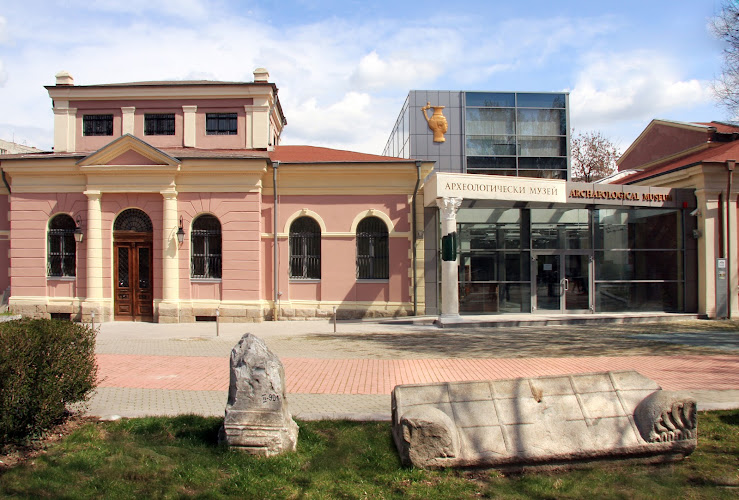
Regional Archaeological Museum, Plovdiv
Find Accommodations Nearby
Recommended Tours & Activities
Visitor Reviews
There are no reviews yet. Be the first one to write one.
Share Your Experience
Have you visited The Statue of Milyo? Help other travelers by leaving a review.