

Monument of the Unification
About Monument of the Unification
Description
The Monument of the Unification is one of those places that quietly insists you slow down and actually think. It’s not just a statue or a big slab of stone meant for quick selfies, though yes, people do that too. This space of remembrance was built to honor the long, messy, often emotional process of national unification, and you can feel that weight when you stand in front of it. I remember the first time I visited, I expected something stiff and overly formal. Instead, I found myself lingering, rereading inscriptions, watching families explain bits of history to their kids in hushed voices. It felt alive in a subtle way.
Architecturally, the monument leans toward the grand and symbolic. It doesn’t apologize for being bold. The statue at its heart stands as a physical reminder of unity, sacrifice, and the idea of a shared future, which, honestly, feels more relevant now than ever. Travelers who appreciate history beyond dates and battles tend to get more out of this place. And if you’re the type who likes understanding the “why” behind a destination, this monument delivers.
What stands out most is how the monument balances solemn remembrance with open public space. Locals pass through casually, while visitors pause, reflect, and take photos. That mix gives the area a grounded feeling. It’s not frozen in the past. It’s part of daily life. And yes, it’s accessible, which matters more than people admit. Seeing wheelchair users navigate the site comfortably adds to the sense that this monument was meant for everyone, not just history buffs or able-bodied tourists.
The overall sentiment from visitors tends to lean very positive, though not blindly so. Some people find it too imposing, others wish there were more interpretive signs. But most walk away impressed, a little thoughtful, and quietly glad they made the stop. It’s one of those landmarks that grows on you, even after you’ve left.
Key Features
- A central statue symbolizing national unity and shared identity
- Wide open plaza space that encourages reflection and slow exploration
- Architectural details packed with historical symbolism
- Wheelchair accessible entrance and parking area, thoughtfully designed
- Clear sightlines that make photography surprisingly rewarding
- Inscriptions and reliefs that tell stories beyond what guidebooks mention
- A sense of calm despite being a popular tourist attraction
Best Time to Visit
Timing matters here more than you might expect. Early mornings are my personal favorite. The light hits the stone in a softer way, and there’s less foot traffic, which lets the place breathe. You can actually hear your own footsteps, and that adds to the reflective mood. Late afternoons are a close second, especially if you enjoy watching the monument change character as shadows stretch and the crowd shifts.
Midday can be busy, especially during peak travel seasons. It’s not unbearable, but the atmosphere changes. It becomes more about movement and photos than contemplation. If you don’t mind that, fine. But if you want the monument to speak to you a bit, quieter hours are better.
Weather also plays a role. Clear days are ideal, obviously, but there’s something oddly fitting about visiting under overcast skies. The monument feels more serious, more honest. I once visited just before a light rain, and the stone darkened slightly, making the statue look almost alive. Not everyone’s cup of tea, but I liked it.
Weekdays are generally calmer than weekends. And if you’re traveling during a national holiday, expect crowds but also a deeper emotional context. You might see locals laying flowers or standing silently for a moment. Those unscripted moments are worth witnessing.
How to Get There
Getting to the Monument of the Unification is usually straightforward, especially since it’s positioned in a well-known area frequented by both locals and tourists. Public transportation is reliable and commonly used. Buses and nearby transit stops make it easy to reach without much planning. If you’re already exploring the city center, chances are you’ll stumble upon it naturally, which is kind of nice.
Walking is honestly one of the best ways to arrive. Approaching the monument on foot gives you a gradual reveal, and you get a better sense of its scale. I always tell people not to rush this part. Let the monument appear slowly in your field of view. It hits different that way.
For those driving, accessible parking is available, which is a relief in busy urban areas. Just be prepared for some traffic, especially during peak hours. Taxis and ride-shares are another option, and most drivers know the monument well, so there’s no awkward explaining needed.
Tips for Visiting
First tip, and I say this from experience: don’t just snap photos and leave. Give yourself at least 30 to 45 minutes. Sit for a bit. Read the inscriptions. Watch how people interact with the space. That’s where the monument really reveals itself.
Wear comfortable shoes. The open areas invite wandering, and you’ll likely walk more than planned. If mobility is a concern, the accessible paths are genuinely helpful, not an afterthought.
Bring water, especially in warmer months. There’s often little shade, and you don’t want dehydration to rush your visit. Trust me, I’ve made that mistake before and regretted it.
If you’re traveling with kids, frame the visit as a story rather than a lesson. Talk about unity, choices, and how countries come together. It lands better than dates and names.
Photography lovers should experiment with angles. The monument looks different from every side, and close-up details are just as compelling as wide shots. Early or late light is your friend here.
Lastly, respect the space. This is a place of remembrance first, attraction second. Keep noise down, be mindful of others, and maybe, just maybe, take a moment to think about what unity means to you. That’s the kind of souvenir you don’t lose.
Key Features
- A central statue symbolizing national unity and shared identity
- Wide open plaza space that encourages reflection and slow exploration
- Architectural details packed with historical symbolism
- Wheelchair accessible entrance and parking area, thoughtfully designed
- Clear sightlines that make photography surprisingly rewarding
- Inscriptions and reliefs that tell stories beyond what guidebooks mention
- A sense of calm despite being a popular tourist attraction
More Details
Updated December 31, 2025
Table of Contents
Description
The Monument of the Unification is one of those places that quietly insists you slow down and actually think. It’s not just a statue or a big slab of stone meant for quick selfies, though yes, people do that too. This space of remembrance was built to honor the long, messy, often emotional process of national unification, and you can feel that weight when you stand in front of it. I remember the first time I visited, I expected something stiff and overly formal. Instead, I found myself lingering, rereading inscriptions, watching families explain bits of history to their kids in hushed voices. It felt alive in a subtle way.
Architecturally, the monument leans toward the grand and symbolic. It doesn’t apologize for being bold. The statue at its heart stands as a physical reminder of unity, sacrifice, and the idea of a shared future, which, honestly, feels more relevant now than ever. Travelers who appreciate history beyond dates and battles tend to get more out of this place. And if you’re the type who likes understanding the “why” behind a destination, this monument delivers.
What stands out most is how the monument balances solemn remembrance with open public space. Locals pass through casually, while visitors pause, reflect, and take photos. That mix gives the area a grounded feeling. It’s not frozen in the past. It’s part of daily life. And yes, it’s accessible, which matters more than people admit. Seeing wheelchair users navigate the site comfortably adds to the sense that this monument was meant for everyone, not just history buffs or able-bodied tourists.
The overall sentiment from visitors tends to lean very positive, though not blindly so. Some people find it too imposing, others wish there were more interpretive signs. But most walk away impressed, a little thoughtful, and quietly glad they made the stop. It’s one of those landmarks that grows on you, even after you’ve left.
Key Features
- A central statue symbolizing national unity and shared identity
- Wide open plaza space that encourages reflection and slow exploration
- Architectural details packed with historical symbolism
- Wheelchair accessible entrance and parking area, thoughtfully designed
- Clear sightlines that make photography surprisingly rewarding
- Inscriptions and reliefs that tell stories beyond what guidebooks mention
- A sense of calm despite being a popular tourist attraction
Best Time to Visit
Timing matters here more than you might expect. Early mornings are my personal favorite. The light hits the stone in a softer way, and there’s less foot traffic, which lets the place breathe. You can actually hear your own footsteps, and that adds to the reflective mood. Late afternoons are a close second, especially if you enjoy watching the monument change character as shadows stretch and the crowd shifts.
Midday can be busy, especially during peak travel seasons. It’s not unbearable, but the atmosphere changes. It becomes more about movement and photos than contemplation. If you don’t mind that, fine. But if you want the monument to speak to you a bit, quieter hours are better.
Weather also plays a role. Clear days are ideal, obviously, but there’s something oddly fitting about visiting under overcast skies. The monument feels more serious, more honest. I once visited just before a light rain, and the stone darkened slightly, making the statue look almost alive. Not everyone’s cup of tea, but I liked it.
Weekdays are generally calmer than weekends. And if you’re traveling during a national holiday, expect crowds but also a deeper emotional context. You might see locals laying flowers or standing silently for a moment. Those unscripted moments are worth witnessing.
How to Get There
Getting to the Monument of the Unification is usually straightforward, especially since it’s positioned in a well-known area frequented by both locals and tourists. Public transportation is reliable and commonly used. Buses and nearby transit stops make it easy to reach without much planning. If you’re already exploring the city center, chances are you’ll stumble upon it naturally, which is kind of nice.
Walking is honestly one of the best ways to arrive. Approaching the monument on foot gives you a gradual reveal, and you get a better sense of its scale. I always tell people not to rush this part. Let the monument appear slowly in your field of view. It hits different that way.
For those driving, accessible parking is available, which is a relief in busy urban areas. Just be prepared for some traffic, especially during peak hours. Taxis and ride-shares are another option, and most drivers know the monument well, so there’s no awkward explaining needed.
Tips for Visiting
First tip, and I say this from experience: don’t just snap photos and leave. Give yourself at least 30 to 45 minutes. Sit for a bit. Read the inscriptions. Watch how people interact with the space. That’s where the monument really reveals itself.
Wear comfortable shoes. The open areas invite wandering, and you’ll likely walk more than planned. If mobility is a concern, the accessible paths are genuinely helpful, not an afterthought.
Bring water, especially in warmer months. There’s often little shade, and you don’t want dehydration to rush your visit. Trust me, I’ve made that mistake before and regretted it.
If you’re traveling with kids, frame the visit as a story rather than a lesson. Talk about unity, choices, and how countries come together. It lands better than dates and names.
Photography lovers should experiment with angles. The monument looks different from every side, and close-up details are just as compelling as wide shots. Early or late light is your friend here.
Lastly, respect the space. This is a place of remembrance first, attraction second. Keep noise down, be mindful of others, and maybe, just maybe, take a moment to think about what unity means to you. That’s the kind of souvenir you don’t lose.
Key Highlights
- A central statue symbolizing national unity and shared identity
- Wide open plaza space that encourages reflection and slow exploration
- Architectural details packed with historical symbolism
- Wheelchair accessible entrance and parking area, thoughtfully designed
- Clear sightlines that make photography surprisingly rewarding
- Inscriptions and reliefs that tell stories beyond what guidebooks mention
- A sense of calm despite being a popular tourist attraction
Location
Places to Stay Near Monument of the Unification
Find and Book a Tour
Explore More Travel Guides
No reviews found! Be the first to review!
Traveler Reviews for Monument of the Unification
There are no reviews yet. Be the first one to write one.
Have you visited Monument of the Unification? Help other travelers by sharing your review.
You Might Also Like
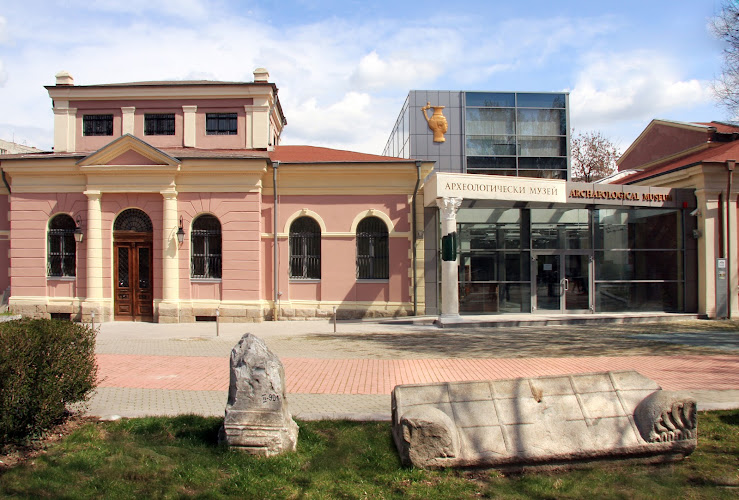
Regional Archaeological Museum, Plovdiv
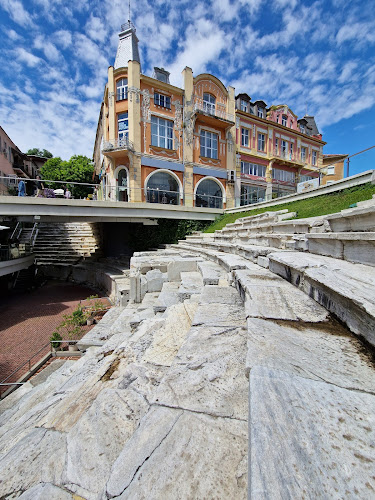
Ancient Stadium of Philipopolis
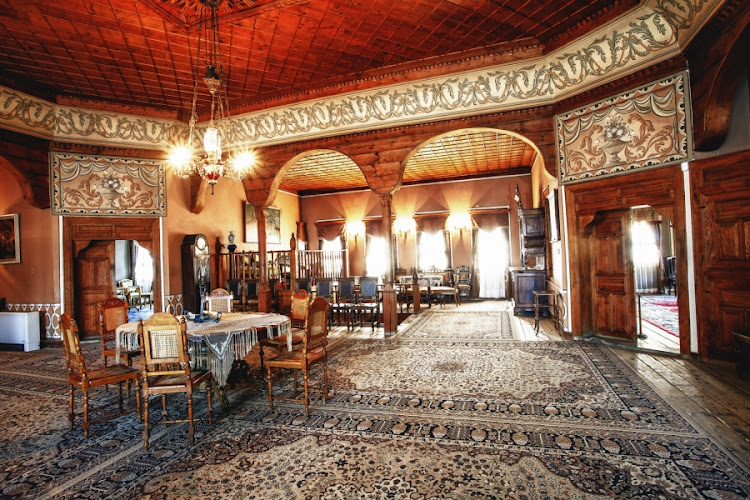
Balabanov's House
Find Accommodations Nearby
Recommended Tours & Activities
Visitor Reviews
There are no reviews yet. Be the first one to write one.
Share Your Experience
Have you visited Monument of the Unification? Help other travelers by leaving a review.