
Ancient Stadium of Philipopolis
About Ancient Stadium of Philipopolis
Description
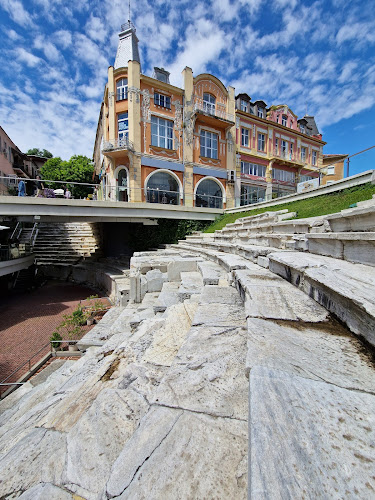
The Ancient Stadium of Philipopolis is one of those places that sneaks up on you. One minute you’re walking through modern Plovdiv, dodging coffee cups and shop windows, and the next—bam—you’re staring down into a massive Roman stadium built nearly two thousand years ago. And not a modest one either. This thing once held around 30,000 spectators, which, if you think about it, is basically a small city showing up to watch chariot races and athletic games. Kind of wild.
Dating back to the first century AD, the stadium was constructed during Roman rule when Philipopolis (today’s Plovdiv) was an important provincial hub. What makes it especially fascinating is how integrated it is into the current city. Parts of it are fully excavated and open to visitors, while other sections remain hidden under streets and buildings, doing their quiet ancient thing beneath modern life. I remember the first time I saw it—I actually walked right over part of it without realizing, then doubled back like wait, what did I just miss?
The stadium followed the classic Roman design, with a long track used for athletic competitions modeled after the Greek Olympic Games. It wasn’t just sports, though. Public ceremonies, imperial celebrations, and big social gatherings took place here. You can almost hear the crowd if you stand still long enough. Or maybe that’s just the city noise echoing. Still, the atmosphere sticks with you.
Today, the Ancient Stadium of Philipopolis is both a historical landmark and a functioning urban space. Exhibitions are sometimes held here, and you’ll often see people sitting on the stone seats, chatting, scrolling on phones, or just taking a break. That mix of ancient and everyday life is what makes this site different from more “museum-like” ruins. It’s lived-in history. And honestly, I like it better that way.
Key Features
- Built in the first century AD during Roman rule, showcasing authentic Roman engineering.
- Originally seated up to 30,000 spectators, making it one of the largest stadiums in the Roman Balkans.
- Located directly beneath and within the modern city center, creating a rare layered urban experience.
- Visible curved seating (cavea) and sections of the track preserved and accessible.
- Wheelchair accessible entrance, which is still not a given at many ancient sites.
- Onsite informational displays that explain the history without overwhelming you.
- Occasional cultural events and exhibitions held within the stadium space.
- A favorite stop for photography thanks to the contrast between ruins and modern buildings.
Best Time to Visit
If you ask me, late spring and early autumn are the sweet spots. May, June, September—those months where the sun is friendly but not aggressive. Summers in Plovdiv can get pretty hot, and while the stadium is partly shaded, stone and heat have a way of teaming up against you. Winter is quieter, and there’s something poetic about seeing ancient ruins under a gray sky, but it can feel a bit cold and rushed.
Time of day matters too. Early morning is calm, especially before tour groups roll in. You’ll hear footsteps echo and maybe a street musician warming up nearby. Late afternoon is also great, when the light hits the stone just right and the city starts to slow down. I once ended up here around sunset by accident—missed a café meet-up—and it turned into one of my favorite Plovdiv memories. Sometimes bad planning works out.
Weekdays are generally less crowded than weekends, especially if there’s a local event happening. But even when it’s busy, it doesn’t feel chaotic. People tend to spread out, and there’s a respectful vibe, like everyone knows they’re standing somewhere important.
How to Get There
Getting to the Ancient Stadium of Philipopolis is refreshingly simple. It’s right in the heart of Plovdiv’s pedestrian zone, which means no stressful navigation or long uphill climbs. If you’re already exploring the city center, chances are you’ll stumble upon it without trying. That’s exactly how it happened to me the first time—no map, just curiosity.
If you’re coming from farther out, public transport will get you close, and from there it’s an easy walk. Taxis are affordable and widely available, but honestly, walking is better. You notice more. Street art, old facades, random bakeries that smell dangerously good. And then suddenly, ancient Rome under your feet.
Because it’s integrated into the urban layout, there’s no dramatic entrance gate or long pathway. Some people find that confusing at first. But once you realize the stadium is woven into the city fabric, it makes perfect sense. History here isn’t boxed off—it’s part of daily life.
Tips for Visiting
First tip: slow down. This isn’t a place to rush through in ten minutes, snap a photo, and move on. Sit on the stone steps. Watch people pass. Read the informational panels. Let the scale of it sink in. I’ve noticed that travelers who take their time here tend to enjoy it more.
Wear comfortable shoes. Yes, it’s in the city center, but the stone surfaces can be uneven and slippery, especially after rain. Learned that the hard way, nearly embarrassing myself in front of a group of school kids. They were polite enough not to laugh. Or maybe they did, quietly.
If accessibility matters to you or someone you’re traveling with, it’s good to know there’s a wheelchair accessible entrance. That’s a big plus and not something you can assume with ancient ruins. Still, some areas are better navigated than others, so patience helps.
Don’t expect a polished, glossy attraction with souvenir stalls at every corner. And that’s a good thing. The Ancient Stadium of Philipopolis feels honest. A little rough around the edges. Some visitors want more signage or interactive displays, and I get that. But there’s something refreshing about a place that trusts you to be curious on your own.
Bring water in warmer months, and maybe a hat. There are cafés nearby, but once you’re absorbed in the site, you might forget to hydrate. Happens to the best of us.
And here’s a small, maybe odd suggestion: visit twice. Once during the day, and once in the evening. The mood changes completely. During the day, it’s educational and impressive. At night, with the lights and the quieter streets, it feels intimate, almost secret. Like the city is letting you in on something.
Finally, keep your expectations flexible. Not everyone leaves completely blown away, and that’s okay. Ancient sites hit people differently. But if you come with curiosity and a bit of imagination, the Ancient Stadium of Philipopolis has a way of staying with you. Long after you’ve moved on, you might find yourself thinking about those stone seats and the thousands of lives that passed through them. And that, to me, is the mark of a place worth visiting.
Key Features
- Built in the first century AD during Roman rule, showcasing authentic Roman engineering.
- Originally seated up to 30,000 spectators, making it one of the largest stadiums in the Roman Balkans.
- Located directly beneath and within the modern city center, creating a rare layered urban experience.
- Visible curved seating (cavea) and sections of the track preserved and accessible.
- Wheelchair accessible entrance, which is still not a given at many ancient sites.
- Onsite informational displays that explain the history without overwhelming you.
- Occasional cultural events and exhibitions held within the stadium space.
- A favorite stop for photography thanks to the contrast between ruins and modern buildings.
Tours & Activities
GetYourGuide provides this tour inventory. We may earn a commission if you book through it; verify current availability, prices, and terms with the provider.
Visitor Reviews
There are no reviews yet. Be the first one to write one.
Share Your Experience
Have you visited Ancient Stadium of Philipopolis? Help other travelers by leaving a review.