
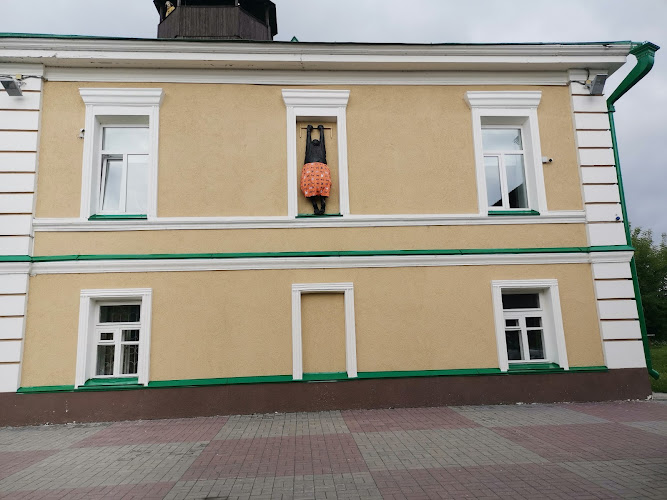
Pamyatnik Lyubovniku
About Pamyatnik Lyubovniku
Description
The Pamyatnik Lyubovniku, or Monument to the Lover, stands as one of Russia's most intriguing and conversation-starting historical landmarks. This quirky sculpture has become something of a local legend, drawing curious travelers who've heard whispers about its unusual backstory and unconventional artistic expression. Unlike your typical bronze statues of military heroes or political figures that dominate most city squares, this monument tells a decidedly more intimate and humanizing story. When I first learned about this place, I'll admit I was skeptical. Another offbeat sculpture trying too hard to be Instagram-worthy, right? But there's actually something genuinely fascinating about the cultural statement this monument makes. It represents a departure from the stoic, serious tone of traditional Russian monuments and embraces a more playful, almost cheeky approach to public art. The monument itself depicts a scene that locals find both amusing and relatable. It's become a gathering point for both residents and tourists who appreciate art that doesn't take itself too seriously. The sculpture has sparked countless debates about modern relationships, fidelity, and the human condition – pretty heavy topics for what some might dismiss as just another quirky statue. But that's exactly what makes it worth seeking out during your travels. What really strikes visitors is how the monument manages to be simultaneously humorous and thought-provoking. It's the kind of place where you might find yourself snapping photos with a grin on your face, then pondering deeper questions about love and human nature on your walk back to your hotel. And honestly, isn't that what the best travel experiences should do – make you laugh and think at the same time? The monument has become particularly popular among younger visitors and couples, though it's genuinely appropriate for all ages. Parents bring their kids here, and the conversations that follow are probably pretty interesting. The artwork manages to address adult themes in a way that's suggestive rather than explicit, which takes real artistic skill.Key Features
The Pamyatnik Lyubovniku offers several distinctive characteristics that set it apart from countless other monuments you might encounter during your travels: • Unconventional artistic interpretation that breaks from traditional monument design, featuring a composition that immediately catches the eye and prompts questions about its meaning and backstory • Strong appeal for photography enthusiasts who collect unusual and memorable travel shots, with the monument providing excellent opportunities for creative angles and humorous photo compositions • Family-friendly despite adult themes, making it accessible for visitors of all ages while maintaining its edge and cultural commentary about relationships • Compact viewing area that doesn't require hours of exploration, perfect for travelers on tight schedules who want to experience something memorable without major time investment • Excellent conversation starter that provides natural ice-breaking opportunities with locals who love sharing their opinions and stories about the monument's cultural significance • Highly rated by previous visitors, with the overwhelming majority of travelers finding the experience worthwhile and memorable enough to recommend to others • Represents modern Russian artistic expression, offering insight into contemporary culture beyond the typical historical narratives presented at more conventional landmarks • Free to visit and photograph, making it an budget-friendly addition to any travel itinerary without sacrificing memorable experiencesBest Time to Visit
Timing your visit to the Pamyatnik Lyubovniku can significantly impact your experience, though this monument remains accessible year-round. The spring months from late April through June offer probably the most comfortable conditions for your visit. The weather's warming up, daylight hours are extending, and you won't be battling the peak summer tourist crowds that descend on popular landmarks. Summer, particularly July and August, brings the warmest temperatures and longest days. This means you'll have excellent lighting conditions for photography well into the evening hours. But here's the thing – everyone else has the same idea. You might find yourself waiting for other visitors to clear out before you can get that perfect unobstructed photo. Early mornings during summer months, maybe around 7 or 8 AM, provide the best compromise of good weather and fewer crowds. Fall presents its own appeal, especially September when temperatures remain mild but tourist numbers drop off considerably. The autumn light in this region can be absolutely gorgeous for photography, with that golden quality that makes everything look better. Just be prepared for more unpredictable weather patterns as you move into October and November. Winter visits are definitely doable, though they require more preparation. If you're already traveling to the area during colder months, the monument takes on an entirely different character under snow. There's something almost surreal about encountering this playful artwork in a stark winter landscape. Just dress appropriately in layers, and maybe limit your outdoor viewing time unless you're particularly tolerant of cold weather. Weekday mornings generally offer the quietest visiting conditions regardless of season. Weekends naturally attract more local visitors, which can be either a positive or negative depending on whether you prefer solitude or the energy of other people enjoying the space. Late afternoons on weekdays hit a sweet spot for many travelers – you'll catch nice lighting without the weekend crowds.How to Get There
Getting to the Pamyatnik Lyubovniku requires a bit of planning, but it's definitely manageable for travelers with varying levels of navigation experience. The monument's location means you'll need to use a combination of transportation methods or rely on walking if you're staying nearby. Public transportation provides the most economical approach for budget-conscious travelers. Local buses and marshrutkas (those shared minivans that seem to operate on mysterious schedules only locals fully understand) serve the general area. You'll want to download an offline map on your phone before heading out, because cell service can be spotty in certain areas. Ask your hotel staff to write down the monument's name in Cyrillic – this'll prove invaluable when asking locals for directions. Taxis and ride-sharing services offer more convenience, especially if you're traveling with companions and can split the cost. The drivers usually know the monument by name, though showing them a photo or the address written in Russian eliminates any potential confusion. One tip from personal experience with similar situations – always confirm the price before starting your journey if you're using an unofficial taxi rather than a metered service. Walking from nearby accommodations works well if you're staying within a reasonable distance and enjoy exploring neighborhoods on foot. This approach lets you discover other local spots along the way and get a genuine feel for the area beyond just checking off a monument from your list. Wear comfortable shoes though – sidewalks in this part of the world can be uneven and not always well-maintained. For those renting cars, parking near the monument typically isn't too problematic, though availability varies depending on the time of day and season. Street parking follows local regulations that might differ from what you're used to, so observe what other cars are doing and follow suit. Better yet, ask a local or your accommodation host about parking norms to avoid any unpleasant surprises.Tips for Visiting
Making the most of your visit to the Pamyatnik Lyubovniku involves some practical preparation and realistic expectations. This isn't a multi-hour destination like a major museum, so plan accordingly. Most visitors spend somewhere between 15 to 30 minutes here – enough time to appreciate the monument, take photos, and soak in the atmosphere without feeling rushed. Bring your camera or ensure your phone's charged and has storage space available. You'll definitely want to capture this unusual monument, and the lighting conditions can vary significantly throughout the day. Early morning and late afternoon typically provide the most flattering natural light for photography. Don't be shy about taking multiple shots from different angles – the monument's design rewards various perspectives. Consider combining your visit with other nearby attractions or neighborhoods worth exploring. Since you won't need hours at the monument itself, building it into a larger walking route or day itinerary makes practical sense. Ask locals for recommendations on other interesting spots in the area. Sometimes the best travel discoveries happen when you're wandering between planned destinations. Dress appropriately for the weather and for walking on potentially uneven surfaces. This isn't a formal venue, so casual comfortable clothing works perfectly fine. If you're visiting during colder months, remember that you'll be outdoors and potentially standing still while taking photos, which makes you feel colder than when you're walking. Learn a few basic Russian phrases before your visit, even if it's just "hello," "thank you," and "where is the bathroom." Locals genuinely appreciate when visitors make any effort to speak the language, and it opens doors to friendlier interactions. The area around the monument might not have many English speakers, so this small preparation pays dividends. Respect the monument and surrounding area. While the sculpture's playful nature might inspire humorous photos, remember that it's still considered a piece of public art by the community. Avoid climbing on it or doing anything that could cause damage. Other visitors and locals will appreciate your consideration. Be open to unexpected interactions and conversations. The monument's unusual nature naturally draws interesting characters and leads to spontaneous exchanges about art, culture, and relationships. Some of my most memorable travel moments have happened during these unplanned conversations at quirky landmarks like this one. Check the surrounding area for any small cafes or local establishments where you might grab a drink or snack after your visit. These neighborhood spots often provide more authentic experiences than tourist-focused venues, and they give you a chance to rest and reflect on what you've just seen. Lastly, manage your expectations appropriately. The Pamyatnik Lyubovniku isn't going to be the highlight of a multi-week European adventure, but it offers a unique cultural touchpoint that reveals something interesting about contemporary Russian society and artistic expression. Approach it with curiosity and humor, and you'll likely find it more rewarding than travelers who show up expecting something grandiose.Key Features
- Small bronze sculpture with a humorous, ambiguous figure
- Located on the facade of the Museum of the History of Tomsk (Ulitsa Bakunina, 3)
- Created by Oleg Kislickiy and collaborators; debuted 14 February 2001
- Has a memorable inscription and a tabloid-friendly backstory
- Popular photo spot and conversation piece on Tomsk walking tours
More Details
Updated March 30, 2026
Table of Contents
Description
The Pamyatnik Lyubovniku, or Monument to the Lover, stands as one of Russia’s most intriguing and conversation-starting historical landmarks. This quirky sculpture has become something of a local legend, drawing curious travelers who’ve heard whispers about its unusual backstory and unconventional artistic expression. Unlike your typical bronze statues of military heroes or political figures that dominate most city squares, this monument tells a decidedly more intimate and humanizing story.
When I first learned about this place, I’ll admit I was skeptical. Another offbeat sculpture trying too hard to be Instagram-worthy, right? But there’s actually something genuinely fascinating about the cultural statement this monument makes. It represents a departure from the stoic, serious tone of traditional Russian monuments and embraces a more playful, almost cheeky approach to public art.
The monument itself depicts a scene that locals find both amusing and relatable. It’s become a gathering point for both residents and tourists who appreciate art that doesn’t take itself too seriously. The sculpture has sparked countless debates about modern relationships, fidelity, and the human condition – pretty heavy topics for what some might dismiss as just another quirky statue. But that’s exactly what makes it worth seeking out during your travels.
What really strikes visitors is how the monument manages to be simultaneously humorous and thought-provoking. It’s the kind of place where you might find yourself snapping photos with a grin on your face, then pondering deeper questions about love and human nature on your walk back to your hotel. And honestly, isn’t that what the best travel experiences should do – make you laugh and think at the same time?
The monument has become particularly popular among younger visitors and couples, though it’s genuinely appropriate for all ages. Parents bring their kids here, and the conversations that follow are probably pretty interesting. The artwork manages to address adult themes in a way that’s suggestive rather than explicit, which takes real artistic skill.
Key Features
The Pamyatnik Lyubovniku offers several distinctive characteristics that set it apart from countless other monuments you might encounter during your travels:
• Unconventional artistic interpretation that breaks from traditional monument design, featuring a composition that immediately catches the eye and prompts questions about its meaning and backstory
• Strong appeal for photography enthusiasts who collect unusual and memorable travel shots, with the monument providing excellent opportunities for creative angles and humorous photo compositions
• Family-friendly despite adult themes, making it accessible for visitors of all ages while maintaining its edge and cultural commentary about relationships
• Compact viewing area that doesn’t require hours of exploration, perfect for travelers on tight schedules who want to experience something memorable without major time investment
• Excellent conversation starter that provides natural ice-breaking opportunities with locals who love sharing their opinions and stories about the monument’s cultural significance
• Highly rated by previous visitors, with the overwhelming majority of travelers finding the experience worthwhile and memorable enough to recommend to others
• Represents modern Russian artistic expression, offering insight into contemporary culture beyond the typical historical narratives presented at more conventional landmarks
• Free to visit and photograph, making it an budget-friendly addition to any travel itinerary without sacrificing memorable experiences
Best Time to Visit
Timing your visit to the Pamyatnik Lyubovniku can significantly impact your experience, though this monument remains accessible year-round. The spring months from late April through June offer probably the most comfortable conditions for your visit. The weather’s warming up, daylight hours are extending, and you won’t be battling the peak summer tourist crowds that descend on popular landmarks.
Summer, particularly July and August, brings the warmest temperatures and longest days. This means you’ll have excellent lighting conditions for photography well into the evening hours. But here’s the thing – everyone else has the same idea. You might find yourself waiting for other visitors to clear out before you can get that perfect unobstructed photo. Early mornings during summer months, maybe around 7 or 8 AM, provide the best compromise of good weather and fewer crowds.
Fall presents its own appeal, especially September when temperatures remain mild but tourist numbers drop off considerably. The autumn light in this region can be absolutely gorgeous for photography, with that golden quality that makes everything look better. Just be prepared for more unpredictable weather patterns as you move into October and November.
Winter visits are definitely doable, though they require more preparation. If you’re already traveling to the area during colder months, the monument takes on an entirely different character under snow. There’s something almost surreal about encountering this playful artwork in a stark winter landscape. Just dress appropriately in layers, and maybe limit your outdoor viewing time unless you’re particularly tolerant of cold weather.
Weekday mornings generally offer the quietest visiting conditions regardless of season. Weekends naturally attract more local visitors, which can be either a positive or negative depending on whether you prefer solitude or the energy of other people enjoying the space. Late afternoons on weekdays hit a sweet spot for many travelers – you’ll catch nice lighting without the weekend crowds.
How to Get There
Getting to the Pamyatnik Lyubovniku requires a bit of planning, but it’s definitely manageable for travelers with varying levels of navigation experience. The monument’s location means you’ll need to use a combination of transportation methods or rely on walking if you’re staying nearby.
Public transportation provides the most economical approach for budget-conscious travelers. Local buses and marshrutkas (those shared minivans that seem to operate on mysterious schedules only locals fully understand) serve the general area. You’ll want to download an offline map on your phone before heading out, because cell service can be spotty in certain areas. Ask your hotel staff to write down the monument’s name in Cyrillic – this’ll prove invaluable when asking locals for directions.
Taxis and ride-sharing services offer more convenience, especially if you’re traveling with companions and can split the cost. The drivers usually know the monument by name, though showing them a photo or the address written in Russian eliminates any potential confusion. One tip from personal experience with similar situations – always confirm the price before starting your journey if you’re using an unofficial taxi rather than a metered service.
Walking from nearby accommodations works well if you’re staying within a reasonable distance and enjoy exploring neighborhoods on foot. This approach lets you discover other local spots along the way and get a genuine feel for the area beyond just checking off a monument from your list. Wear comfortable shoes though – sidewalks in this part of the world can be uneven and not always well-maintained.
For those renting cars, parking near the monument typically isn’t too problematic, though availability varies depending on the time of day and season. Street parking follows local regulations that might differ from what you’re used to, so observe what other cars are doing and follow suit. Better yet, ask a local or your accommodation host about parking norms to avoid any unpleasant surprises.
Tips for Visiting
Making the most of your visit to the Pamyatnik Lyubovniku involves some practical preparation and realistic expectations. This isn’t a multi-hour destination like a major museum, so plan accordingly. Most visitors spend somewhere between 15 to 30 minutes here – enough time to appreciate the monument, take photos, and soak in the atmosphere without feeling rushed.
Bring your camera or ensure your phone’s charged and has storage space available. You’ll definitely want to capture this unusual monument, and the lighting conditions can vary significantly throughout the day. Early morning and late afternoon typically provide the most flattering natural light for photography. Don’t be shy about taking multiple shots from different angles – the monument’s design rewards various perspectives.
Consider combining your visit with other nearby attractions or neighborhoods worth exploring. Since you won’t need hours at the monument itself, building it into a larger walking route or day itinerary makes practical sense. Ask locals for recommendations on other interesting spots in the area. Sometimes the best travel discoveries happen when you’re wandering between planned destinations.
Dress appropriately for the weather and for walking on potentially uneven surfaces. This isn’t a formal venue, so casual comfortable clothing works perfectly fine. If you’re visiting during colder months, remember that you’ll be outdoors and potentially standing still while taking photos, which makes you feel colder than when you’re walking.
Learn a few basic Russian phrases before your visit, even if it’s just “hello,” “thank you,” and “where is the bathroom.” Locals genuinely appreciate when visitors make any effort to speak the language, and it opens doors to friendlier interactions. The area around the monument might not have many English speakers, so this small preparation pays dividends.
Respect the monument and surrounding area. While the sculpture’s playful nature might inspire humorous photos, remember that it’s still considered a piece of public art by the community. Avoid climbing on it or doing anything that could cause damage. Other visitors and locals will appreciate your consideration.
Be open to unexpected interactions and conversations. The monument’s unusual nature naturally draws interesting characters and leads to spontaneous exchanges about art, culture, and relationships. Some of my most memorable travel moments have happened during these unplanned conversations at quirky landmarks like this one.
Check the surrounding area for any small cafes or local establishments where you might grab a drink or snack after your visit. These neighborhood spots often provide more authentic experiences than tourist-focused venues, and they give you a chance to rest and reflect on what you’ve just seen.
Lastly, manage your expectations appropriately. The Pamyatnik Lyubovniku isn’t going to be the highlight of a multi-week European adventure, but it offers a unique cultural touchpoint that reveals something interesting about contemporary Russian society and artistic expression. Approach it with curiosity and humor, and you’ll likely find it more rewarding than travelers who show up expecting something grandiose.
Key Highlights
- Small bronze sculpture with a humorous, ambiguous figure
- Located on the facade of the Museum of the History of Tomsk (Ulitsa Bakunina, 3)
- Created by Oleg Kislickiy and collaborators; debuted 14 February 2001
- Has a memorable inscription and a tabloid-friendly backstory
- Popular photo spot and conversation piece on Tomsk walking tours
Location
Places to Stay Near Pamyatnik Lyubovniku
Find and Book a Tour
Explore More Travel Guides
No reviews found! Be the first to review!
Pamyatnik Lyubovniku is a prominent Исторический памятник located in Tomsk.
Visit us at: Ulitsa Bakunina, 3.
Traveler Reviews for Pamyatnik Lyubovniku
There are no reviews yet. Be the first one to write one.
Have you visited Pamyatnik Lyubovniku? Help other travelers by sharing your review.
Nearby Attractions
You Might Also Like
Igumen Park
Pamyatnik Beremennoy Zhenshchine
Tomskiy Oblastnoy Khudozhestvennyy Muzey
Find Accommodations Nearby
Recommended Tours & Activities
Visitor Reviews
There are no reviews yet. Be the first one to write one.
Share Your Experience
Have you visited Pamyatnik Lyubovniku? Help other travelers by leaving a review.