
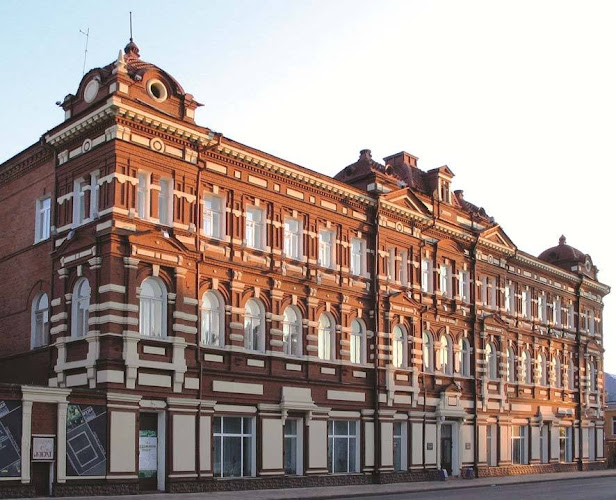
Tomskiy Oblastnoy Khudozhestvennyy Muzey
About Tomskiy Oblastnoy Khudozhestvennyy Muzey
Description
The Tomskiy Oblastnoy Khudozhestvennyy Muzey stands as one of Siberia's most remarkable cultural institutions, and honestly, it's a place that doesn't get nearly enough attention from international travelers. Since opening its doors in 1979, this art museum has been quietly amassing an impressive collection of Russian paintings and sculptures that tell the story of the nation's artistic evolution. And while Tomsk itself might not be the first Russian city that pops into your head when planning a journey through this vast country, that's precisely what makes discovering this museum so rewarding. I remember when I first started researching lesser-known Russian art institutions – there's something genuinely special about finding these cultural gems that exist outside the Moscow-St. Petersburg corridor. The museum occupies a space that feels both intimate and grand, offering visitors a chance to engage with Russian art without the overwhelming crowds you'd encounter at the Hermitage or Tretyakov Gallery. The collection here spans several centuries, focusing particularly on works from the 18th century onward, with a strong emphasis on Siberian artists who often get overlooked in the broader narrative of Russian art history. What makes this museum particularly fascinating is its dual role as both a traditional exhibition space and a working art studio. You're not just looking at finished masterpieces behind glass – there's a living, breathing creative process happening within these walls. The auditorium hosts regular cultural events, lectures, and performances that transform the museum from a static repository of art into a dynamic community hub. For travelers who want to understand contemporary Russian culture beyond the tourist trail, spending a few hours here provides insights you simply won't find in guidebooks. The building itself carries historical significance, adding another layer to your visit. As you walk through the galleries, you're moving through spaces that have witnessed decades of Soviet and post-Soviet cultural life. The architecture reflects the period when it was established, and there's something authentically Soviet about the design that modern renovations in other museums have sometimes erased.Key Features
- An extensive permanent collection showcasing Russian painters and sculptors from the 18th century through contemporary periods, with particular strength in Siberian regional artists whose work rarely travels internationally
- Rotating temporary exhibitions that bring fresh perspectives to the galleries, often featuring emerging artists from across Russia and occasionally from neighboring countries
- A functioning art studio where visitors can observe creative processes and sometimes participate in workshops – this isn't your typical "look but don't touch" museum experience
- An auditorium that hosts cultural programming including film screenings, lectures about art history, poetry readings, and musical performances that complement the visual art on display
- Event planning services that transform the museum into a venue for special occasions, giving the space a multifunctional character that keeps it financially sustainable and community-connected
- Complete wheelchair accessibility throughout the facility, including entrance ramps, adapted restrooms, and accessible parking – a feature that unfortunately remains rare in many Russian cultural institutions
- Educational programs designed for children, making it a genuinely family-friendly destination rather than a space where kids are merely tolerated
- Public restroom facilities available to all visitors, which might seem like a minor point but trust me, when you're spending several hours exploring, these practical considerations matter
- Knowledgeable staff members who, while not always fluent in English, demonstrate genuine enthusiasm for sharing their collections with international visitors
- A focus on Russian Orthodox iconography within certain galleries, providing context for understanding how religious art influenced secular artistic traditions
Best Time to Visit
Timing your visit to the Tomskiy Oblastnoy Khudozhestvennyy Muzey requires thinking about both seasonal considerations and weekly patterns. The museum operates year-round, but the experience varies dramatically depending on when you arrive. Winter in Tomsk – and we're talking proper Siberian winter here – runs from November through March, with temperatures that can drop to minus 30 Celsius or even lower. But here's the thing: visiting during these frigid months actually has advantages. The museum becomes a warm refuge, and there's something almost meditative about stepping from the bitter cold into galleries filled with art. Plus, winter light in Siberia has a unique quality that somehow makes viewing paintings more intense. The crowds thin out considerably during the coldest months, giving you space to contemplate the artworks without jostling for position. Spring and autumn represent shoulder seasons with more moderate temperatures, though "moderate" in Siberia is relative. These periods often coincide with special exhibitions and cultural events as the museum's programming calendar ramps up. September through early October can be particularly pleasant, with the city taking on beautiful autumn colors that complement an art-focused visit. Summer brings the most tourists to Tomsk, though by Western European standards, it's still quite manageable. June through August offers the warmest weather and longest daylight hours – remember, you're far enough north that summer days stretch impressively long. The museum sometimes extends its hours during peak summer months, and the surrounding area becomes more pleasant for walking before or after your visit. In terms of days of the week, weekends naturally attract more local visitors, particularly families taking advantage of the child-friendly programming. Weekday mornings tend to be quietest if you prefer a more contemplative experience. The museum occasionally closes for installation of new exhibitions, so checking their schedule before making specific plans is worthwhile.How to Get There
Getting to the Tomskiy Oblastnoy Khudozhestvennyy Muzey requires first getting yourself to Tomsk, which for most international travelers means some advance planning. Tomsk isn't connected to Russia's high-speed rail network, and it doesn't have direct flights from most international hubs, so you'll likely route through Moscow, St. Petersburg, or Novosibirsk. Flying into Tomsk's Bogashevo Airport connects you to several Russian cities. From the airport, you're looking at about a 20-kilometer journey into the city center where the museum is located. Taxis are available and relatively affordable by Western standards, though having your destination written in Cyrillic helps enormously. Some hotels offer airport transfer services that can drop you near the museum district. Many travelers actually prefer reaching Tomsk by train, particularly if you're already exploring Siberia. The Trans-Siberian Railway doesn't pass directly through Tomsk – it goes through Tayga, about 60 kilometers away – but there are connecting trains. The railway journey gives you that quintessential Russian travel experience that flying simply can't match, though it requires more time and patience. Once you're in Tomsk proper, the museum sits in the central part of the city, accessible by public transportation. The local bus and marshrutka (minibus) system covers the area, though navigating it without Russian language skills can be challenging. Most hotels in the city center are within a reasonable taxi ride of the museum. Walking to the museum is entirely feasible if you're staying centrally. Tomsk is a city that rewards pedestrian exploration, with wooden architecture and historical buildings that make the journey to the museum almost as interesting as the destination. Just dress appropriately for the weather – those Siberian temperatures aren't joking around. If you're driving yourself, the museum provides wheelchair-accessible parking, though finding the entrance might require circling the block once or twice if you're unfamiliar with the area. GPS coordinates work better than street addresses in some parts of Russia, so having your navigation properly set up beforehand saves frustration.Tips for Visiting
Visiting the Tomskiy Oblastnoy Khudozhestvennyy Muzey successfully requires a bit of cultural awareness and practical preparation that goes beyond what you'd need at museums in more internationally-oriented cities. First off, language presents the biggest challenge for most foreign visitors. While some staff members speak English, don't count on widespread English-language support. Download a translation app that works offline, or better yet, learn a handful of basic Russian phrases. Even attempting to speak Russian, however poorly, generally earns you goodwill with staff and locals. The museum's signage is primarily in Russian, though some major pieces have English descriptions. Admission fees remain remarkably affordable compared to Western museums, though prices for foreigners sometimes differ from those for Russian citizens – this is common practice in Russia and not worth getting worked up about. Bring cash in rubles; while card payment has become more common, not all Russian institutions have fully embraced it, and international cards sometimes face processing issues due to banking sanctions. Photography policies vary by exhibition. Some galleries allow non-flash photography freely, while others prohibit cameras entirely. Always check before snapping photos, because museum attendants take these rules seriously. They're not being difficult – it's just how things work here. Plan for at least two to three hours to properly explore the permanent collection, more if there's a temporary exhibition that interests you. The layout isn't enormous by major museum standards, but rushing through does the artworks a disservice. And honestly, if you've traveled all the way to Tomsk, you might as well take your time. The museum doesn't have an on-site restaurant, so eat before you arrive or plan to explore nearby cafes afterward. There are restrooms available, which as I mentioned earlier, is genuinely important for longer visits. They're maintained to reasonable standards, though don't expect luxury spa-level facilities. If you're traveling with children, the museum genuinely welcomes them rather than merely tolerating their presence. That said, Russian cultural expectations around children's behavior in museums tend toward the stricter side, so very young kids who can't manage quiet gallery exploration might find the environment challenging. The wheelchair accessibility is genuine and comprehensive, which unfortunately remains unusual enough in Russian museums to merit highlighting. If you or your travel companions have mobility concerns, this museum has actually thought through the practical requirements rather than offering token accessibility. Check whether any special events coincide with your visit. The auditorium programming adds tremendous value to the experience, and attending a lecture or performance provides cultural immersion beyond what static exhibitions offer. These events are almost always conducted in Russian, but the cultural experience transcends language barriers more than you'd expect. Dress respectably but comfortably. Russian museums maintain a certain formality – you won't be turned away for wearing jeans, but extremely casual attire sometimes raises eyebrows. Comfortable shoes matter more than fashion since you'll be standing on hard floors for extended periods. The museum staff, while professional, may not exhibit the customer-service enthusiasm Americans or Western Europeans expect. This isn't rudeness – it's just a different cultural approach to service interactions. A smile and respectful demeanor on your part typically brings out warmth and helpfulness in return. Finally, consider your visit to this museum as part of a broader Tomsk exploration rather than a standalone destination. The city contains numerous wooden architectural masterpieces, interesting cafes, and a university culture that gives it unexpected vibrancy for a Siberian city. The museum fits into this larger cultural landscape beautifully, offering insight into how art and creativity persist even in Russia's more remote regions.Key Features
- Rotating temporary exhibitions that bring fresh perspectives to the galleries, often featuring emerging artists from across Russia and occasionally from neighboring countries
- A functioning art studio where visitors can observe creative processes and sometimes participate in workshops – this isn't your typical "look but don't touch" museum experience
- An auditorium that hosts cultural programming including film screenings, lectures about art history, poetry readings, and musical performances that complement the visual art on display
- Event planning services that transform the museum into a venue for special occasions, giving the space a multifunctional character that keeps it financially sustainable and community-connected
- Educational programs designed for children, making it a genuinely family-friendly destination rather than a space where kids are merely tolerated
- Public restroom facilities available to all visitors, which might seem like a minor point but trust me, when you're spending several hours exploring, these practical considerations matter
More Details
Updated March 30, 2026
Table of Contents
- Description
- Key Features
- Best Time to Visit
- How to Get There
- Tips for Visiting
- Key Highlights
- Location
- Places to Stay Near Tomskiy Oblastnoy Khudozhestvennyy Muzey
- Find and Book a Tour
- Explore More Travel Guides
- Nearby Places You Might Like
- Traveler Reviews for Tomskiy Oblastnoy Khudozhestvennyy Muzey
- Share Your Experience
Description
The Tomskiy Oblastnoy Khudozhestvennyy Muzey stands as one of Siberia’s most remarkable cultural institutions, and honestly, it’s a place that doesn’t get nearly enough attention from international travelers. Since opening its doors in 1979, this art museum has been quietly amassing an impressive collection of Russian paintings and sculptures that tell the story of the nation’s artistic evolution. And while Tomsk itself might not be the first Russian city that pops into your head when planning a journey through this vast country, that’s precisely what makes discovering this museum so rewarding.
I remember when I first started researching lesser-known Russian art institutions – there’s something genuinely special about finding these cultural gems that exist outside the Moscow-St. Petersburg corridor. The museum occupies a space that feels both intimate and grand, offering visitors a chance to engage with Russian art without the overwhelming crowds you’d encounter at the Hermitage or Tretyakov Gallery. The collection here spans several centuries, focusing particularly on works from the 18th century onward, with a strong emphasis on Siberian artists who often get overlooked in the broader narrative of Russian art history.
What makes this museum particularly fascinating is its dual role as both a traditional exhibition space and a working art studio. You’re not just looking at finished masterpieces behind glass – there’s a living, breathing creative process happening within these walls. The auditorium hosts regular cultural events, lectures, and performances that transform the museum from a static repository of art into a dynamic community hub. For travelers who want to understand contemporary Russian culture beyond the tourist trail, spending a few hours here provides insights you simply won’t find in guidebooks.
The building itself carries historical significance, adding another layer to your visit. As you walk through the galleries, you’re moving through spaces that have witnessed decades of Soviet and post-Soviet cultural life. The architecture reflects the period when it was established, and there’s something authentically Soviet about the design that modern renovations in other museums have sometimes erased.
Key Features
- An extensive permanent collection showcasing Russian painters and sculptors from the 18th century through contemporary periods, with particular strength in Siberian regional artists whose work rarely travels internationally
- Rotating temporary exhibitions that bring fresh perspectives to the galleries, often featuring emerging artists from across Russia and occasionally from neighboring countries
- A functioning art studio where visitors can observe creative processes and sometimes participate in workshops – this isn’t your typical “look but don’t touch” museum experience
- An auditorium that hosts cultural programming including film screenings, lectures about art history, poetry readings, and musical performances that complement the visual art on display
- Event planning services that transform the museum into a venue for special occasions, giving the space a multifunctional character that keeps it financially sustainable and community-connected
- Complete wheelchair accessibility throughout the facility, including entrance ramps, adapted restrooms, and accessible parking – a feature that unfortunately remains rare in many Russian cultural institutions
- Educational programs designed for children, making it a genuinely family-friendly destination rather than a space where kids are merely tolerated
- Public restroom facilities available to all visitors, which might seem like a minor point but trust me, when you’re spending several hours exploring, these practical considerations matter
- Knowledgeable staff members who, while not always fluent in English, demonstrate genuine enthusiasm for sharing their collections with international visitors
- A focus on Russian Orthodox iconography within certain galleries, providing context for understanding how religious art influenced secular artistic traditions
Best Time to Visit
Timing your visit to the Tomskiy Oblastnoy Khudozhestvennyy Muzey requires thinking about both seasonal considerations and weekly patterns. The museum operates year-round, but the experience varies dramatically depending on when you arrive.
Winter in Tomsk – and we’re talking proper Siberian winter here – runs from November through March, with temperatures that can drop to minus 30 Celsius or even lower. But here’s the thing: visiting during these frigid months actually has advantages. The museum becomes a warm refuge, and there’s something almost meditative about stepping from the bitter cold into galleries filled with art. Plus, winter light in Siberia has a unique quality that somehow makes viewing paintings more intense. The crowds thin out considerably during the coldest months, giving you space to contemplate the artworks without jostling for position.
Spring and autumn represent shoulder seasons with more moderate temperatures, though “moderate” in Siberia is relative. These periods often coincide with special exhibitions and cultural events as the museum’s programming calendar ramps up. September through early October can be particularly pleasant, with the city taking on beautiful autumn colors that complement an art-focused visit.
Summer brings the most tourists to Tomsk, though by Western European standards, it’s still quite manageable. June through August offers the warmest weather and longest daylight hours – remember, you’re far enough north that summer days stretch impressively long. The museum sometimes extends its hours during peak summer months, and the surrounding area becomes more pleasant for walking before or after your visit.
In terms of days of the week, weekends naturally attract more local visitors, particularly families taking advantage of the child-friendly programming. Weekday mornings tend to be quietest if you prefer a more contemplative experience. The museum occasionally closes for installation of new exhibitions, so checking their schedule before making specific plans is worthwhile.
How to Get There
Getting to the Tomskiy Oblastnoy Khudozhestvennyy Muzey requires first getting yourself to Tomsk, which for most international travelers means some advance planning. Tomsk isn’t connected to Russia’s high-speed rail network, and it doesn’t have direct flights from most international hubs, so you’ll likely route through Moscow, St. Petersburg, or Novosibirsk.
Flying into Tomsk’s Bogashevo Airport connects you to several Russian cities. From the airport, you’re looking at about a 20-kilometer journey into the city center where the museum is located. Taxis are available and relatively affordable by Western standards, though having your destination written in Cyrillic helps enormously. Some hotels offer airport transfer services that can drop you near the museum district.
Many travelers actually prefer reaching Tomsk by train, particularly if you’re already exploring Siberia. The Trans-Siberian Railway doesn’t pass directly through Tomsk – it goes through Tayga, about 60 kilometers away – but there are connecting trains. The railway journey gives you that quintessential Russian travel experience that flying simply can’t match, though it requires more time and patience.
Once you’re in Tomsk proper, the museum sits in the central part of the city, accessible by public transportation. The local bus and marshrutka (minibus) system covers the area, though navigating it without Russian language skills can be challenging. Most hotels in the city center are within a reasonable taxi ride of the museum.
Walking to the museum is entirely feasible if you’re staying centrally. Tomsk is a city that rewards pedestrian exploration, with wooden architecture and historical buildings that make the journey to the museum almost as interesting as the destination. Just dress appropriately for the weather – those Siberian temperatures aren’t joking around.
If you’re driving yourself, the museum provides wheelchair-accessible parking, though finding the entrance might require circling the block once or twice if you’re unfamiliar with the area. GPS coordinates work better than street addresses in some parts of Russia, so having your navigation properly set up beforehand saves frustration.
Tips for Visiting
Visiting the Tomskiy Oblastnoy Khudozhestvennyy Muzey successfully requires a bit of cultural awareness and practical preparation that goes beyond what you’d need at museums in more internationally-oriented cities.
First off, language presents the biggest challenge for most foreign visitors. While some staff members speak English, don’t count on widespread English-language support. Download a translation app that works offline, or better yet, learn a handful of basic Russian phrases. Even attempting to speak Russian, however poorly, generally earns you goodwill with staff and locals. The museum’s signage is primarily in Russian, though some major pieces have English descriptions.
Admission fees remain remarkably affordable compared to Western museums, though prices for foreigners sometimes differ from those for Russian citizens – this is common practice in Russia and not worth getting worked up about. Bring cash in rubles; while card payment has become more common, not all Russian institutions have fully embraced it, and international cards sometimes face processing issues due to banking sanctions.
Photography policies vary by exhibition. Some galleries allow non-flash photography freely, while others prohibit cameras entirely. Always check before snapping photos, because museum attendants take these rules seriously. They’re not being difficult – it’s just how things work here.
Plan for at least two to three hours to properly explore the permanent collection, more if there’s a temporary exhibition that interests you. The layout isn’t enormous by major museum standards, but rushing through does the artworks a disservice. And honestly, if you’ve traveled all the way to Tomsk, you might as well take your time.
The museum doesn’t have an on-site restaurant, so eat before you arrive or plan to explore nearby cafes afterward. There are restrooms available, which as I mentioned earlier, is genuinely important for longer visits. They’re maintained to reasonable standards, though don’t expect luxury spa-level facilities.
If you’re traveling with children, the museum genuinely welcomes them rather than merely tolerating their presence. That said, Russian cultural expectations around children’s behavior in museums tend toward the stricter side, so very young kids who can’t manage quiet gallery exploration might find the environment challenging.
The wheelchair accessibility is genuine and comprehensive, which unfortunately remains unusual enough in Russian museums to merit highlighting. If you or your travel companions have mobility concerns, this museum has actually thought through the practical requirements rather than offering token accessibility.
Check whether any special events coincide with your visit. The auditorium programming adds tremendous value to the experience, and attending a lecture or performance provides cultural immersion beyond what static exhibitions offer. These events are almost always conducted in Russian, but the cultural experience transcends language barriers more than you’d expect.
Dress respectably but comfortably. Russian museums maintain a certain formality – you won’t be turned away for wearing jeans, but extremely casual attire sometimes raises eyebrows. Comfortable shoes matter more than fashion since you’ll be standing on hard floors for extended periods.
The museum staff, while professional, may not exhibit the customer-service enthusiasm Americans or Western Europeans expect. This isn’t rudeness – it’s just a different cultural approach to service interactions. A smile and respectful demeanor on your part typically brings out warmth and helpfulness in return.
Finally, consider your visit to this museum as part of a broader Tomsk exploration rather than a standalone destination. The city contains numerous wooden architectural masterpieces, interesting cafes, and a university culture that gives it unexpected vibrancy for a Siberian city. The museum fits into this larger cultural landscape beautifully, offering insight into how art and creativity persist even in Russia’s more remote regions.
Key Highlights
- Rotating temporary exhibitions that bring fresh perspectives to the galleries, often featuring emerging artists from across Russia and occasionally from neighboring countries
- A functioning art studio where visitors can observe creative processes and sometimes participate in workshops – this isn't your typical "look but don't touch" museum experience
- An auditorium that hosts cultural programming including film screenings, lectures about art history, poetry readings, and musical performances that complement the visual art on display
- Event planning services that transform the museum into a venue for special occasions, giving the space a multifunctional character that keeps it financially sustainable and community-connected
- Educational programs designed for children, making it a genuinely family-friendly destination rather than a space where kids are merely tolerated
- Public restroom facilities available to all visitors, which might seem like a minor point but trust me, when you're spending several hours exploring, these practical considerations matter
Location
Places to Stay Near Tomskiy Oblastnoy Khudozhestvennyy Muzey
Find and Book a Tour
Explore More Travel Guides
No reviews found! Be the first to review!
Tomskiy Oblastnoy Khudozhestvennyy Muzey is a prominent museums located in Tomsk.
Visit us at: Pereulok Nakhanovicha, 3, Tomsk, Tomsk Oblast, Russia, 634050.
Traveler Reviews for Tomskiy Oblastnoy Khudozhestvennyy Muzey
There are no reviews yet. Be the first one to write one.
Have you visited Tomskiy Oblastnoy Khudozhestvennyy Muzey? Help other travelers by sharing your review.
You Might Also Like

Hotel Universitetskaya
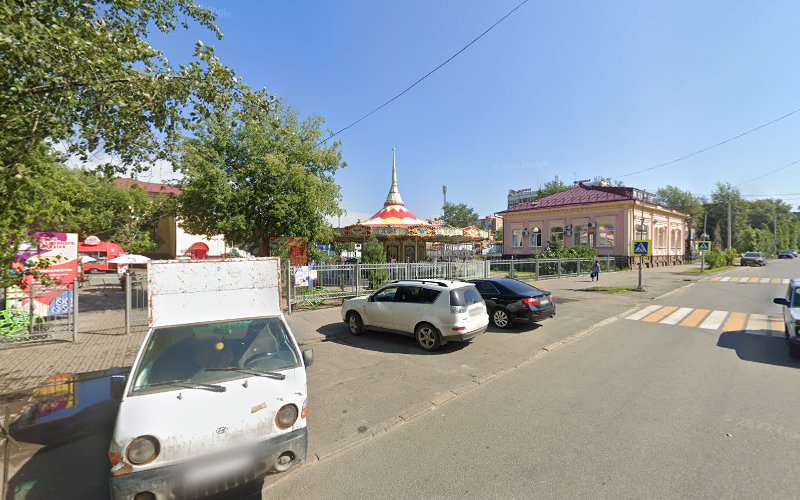
Ya Lyublyu Gor Sad
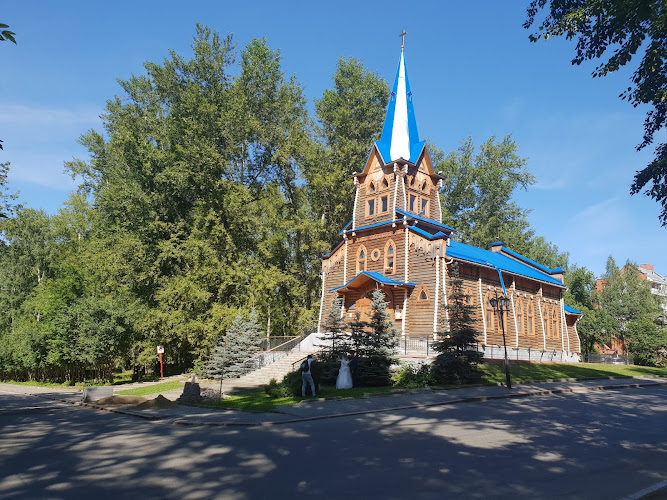
Buff-Sad
Find Accommodations Nearby
Recommended Tours & Activities
Visitor Reviews
There are no reviews yet. Be the first one to write one.
Share Your Experience
Have you visited Tomskiy Oblastnoy Khudozhestvennyy Muzey? Help other travelers by leaving a review.