
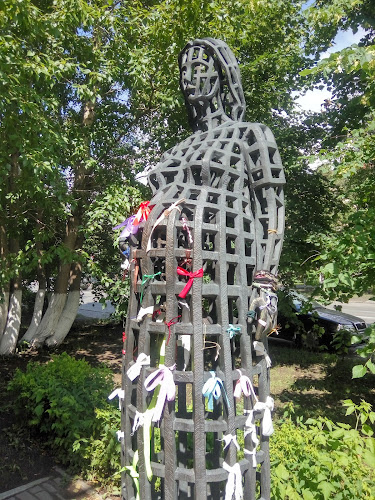
Pamyatnik Beremennoy Zhenshchine
About Pamyatnik Beremennoy Zhenshchine
Description
The Pamyatnik Beremennoy Zhenshchine, or Monument to the Pregnant Woman, stands as one of Russia's most unconventional and thought-provoking sculptures. Located in Irkutsk, this bronze statue depicts a pregnant woman in a moment of quiet contemplation, her hand resting gently on her swollen belly. The monument represents something far beyond typical tourist attractions – it's a celebration of motherhood, life, and the universal experience of bringing new generations into the world. When I first heard about this monument, I'll admit I was a bit puzzled. A statue dedicated to pregnancy? But that's exactly what makes it so compelling. In a world where monuments usually honor military victories or political figures, this sculpture takes a refreshingly different approach by honoring the everyday miracle of creating life. The sculptor managed to capture something genuine and vulnerable in the bronze figure's posture – there's a sense of anticipation mixed with contemplation that anyone who's experienced or witnessed pregnancy will recognize immediately. The monument has become surprisingly popular among both locals and tourists, though it's still somewhat off the beaten path compared to Irkutsk's more famous attractions. And honestly, that's part of its charm. You won't find massive tour groups crowding around taking selfies here. Instead, you'll discover a more intimate atmosphere where visitors can actually take time to appreciate the artistry and symbolism without feeling rushed. What makes this sculpture particularly special is its relatability. Unlike grand historical monuments that can feel distant and impersonal, the Pregnant Woman speaks to a shared human experience. Parents often bring their children here to explain where life begins, couples planning families visit for good luck, and pregnant women themselves come to feel a connection with the artistic representation of their own journey. There's something quite touching about seeing expectant mothers pose beside the statue, both sharing that unique moment in time.Key Features
- The bronze sculpture stands at an impressive size that makes it immediately eye-catching while maintaining an intimate, human scale that doesn't overwhelm visitors
- The statue's positioning captures a natural, unposed moment – the pregnant woman appears lost in thought rather than striking a formal pose, which gives it an authentic quality that resonates with viewers
- The monument serves as an unofficial good luck charm for couples hoping to conceive, with many visitors developing personal rituals around touching specific parts of the statue
- Its family-friendly nature makes it particularly appealing for travelers with children, offering an opportunity for age-appropriate conversations about life and family
- The surrounding area provides decent photo opportunities with the statue from multiple angles, allowing visitors to capture creative shots without dealing with typical tourist attraction crowds
- The sculpture's artistic detail is remarkable up close – from the realistic portrayal of the pregnant form to the contemplative expression on the woman's face
- Unlike many monuments that require historical context to appreciate, this one communicates its message universally across language and cultural barriers
- The monument has become a popular spot for gender reveal celebrations and pregnancy announcement photos among locals
- The bronze has developed a natural patina over time, with certain areas polished bright from countless visitors touching them for luck
Best Time to Visit
Timing your visit to the Pamyatnik Beremennoy Zhenshchine really depends on what kind of experience you're after. Irkutsk experiences pretty extreme seasonal variations, and each season offers something different when visiting this monument. Summer months from June through August provide the most comfortable conditions for outdoor statue viewing. Temperatures range from pleasant to warm, and you won't need to bundle up in layers just to take a few photos. The longer daylight hours mean you can visit later in the evening and still have good natural lighting for photography. But here's the thing – summer also brings more tourists to Irkutsk overall, though this particular monument rarely gets overcrowded even during peak season. Fall brings gorgeous lighting conditions as the sun sits lower in the sky, creating dramatic shadows that can make your photos really stand out. September and early October offer mild weather before the serious cold sets in. The changing leaves in the surrounding area add nice color to your backdrop shots. I've always found autumn to be underrated for monument visits because the quality of light just hits different, you know? Winter is when things get real in Irkutsk. We're talking temperatures that can drop well below freezing. But if you can handle the cold, there's something almost magical about seeing the bronze figure dusted with snow. The contrast between the dark metal and white snow creates striking imagery. Just don't plan on spending extended periods contemplating the artwork unless you're properly dressed for Siberian winter conditions. Spring can be hit or miss. March and April bring thawing conditions that sometimes result in muddy surroundings and unpredictable weather. However, May starts improving significantly, and you'll encounter fewer tourists while still enjoying decent weather. For the best experience overall, I'd recommend visiting during late spring (May) or early fall (September). You'll get comfortable temperatures, good lighting, and fewer crowds. Early morning visits, around 8-10 AM, offer the calmest atmosphere regardless of season. Late afternoon around 4-6 PM also works well, especially for photography enthusiasts chasing that golden hour light.How to Get There
Getting to the Pamyatnik Beremennoy Zhenshchine isn't particularly complicated, though it helps to have some basic navigation skills or a decent maps app on your phone. The monument sits in an accessible part of Irkutsk that most visitors can reach without too much hassle. If you're staying in the city center, walking might actually be your best option depending on exactly where your accommodation is located. Irkutsk isn't a huge metropolis, and many hotels sit within reasonable walking distance of the monument. A pleasant stroll through the city streets lets you soak up the local atmosphere and stumble upon other interesting sights along the way. Just make sure you're wearing comfortable shoes because sidewalk conditions can vary. Public transportation in Irkutsk is functional and affordable, though it can be intimidating if you don't speak Russian. Several bus and marshrutka (minibus) routes pass near the monument. The marshrutkas are these small passenger vans that operate on set routes – they're a quintessentially Russian transportation experience. You signal when you want to get off by telling the driver, which requires some confidence if you're not familiar with the system. The fare is cheap though, usually just a few rubles. Taxis and ride-sharing services offer the most straightforward option for tourists who aren't comfortable navigating public transit. Yandex.Taxi operates extensively in Irkutsk and works similarly to Uber. You can set your destination on the app, see the price upfront, and the driver will take you directly there. The cost is reasonable by international standards, though prices increase during peak hours. For adventurous travelers who've rented a car, driving to the monument is certainly possible. Parking in the vicinity isn't terrible compared to many tourist attractions, though you'll want to arrive early during weekends when locals are out and about. Just be aware that driving in Russia presents its own unique challenges, from aggressive driving styles to road signs exclusively in Cyrillic. Many visitors combine their trip to the Pregnant Woman monument with other nearby attractions in Irkutsk, making it part of a walking tour. This approach makes practical sense since you're already in the area. The monument doesn't require hours of viewing time – most people spend 15-30 minutes here taking photos and appreciating the sculpture – so it fits nicely into a broader itinerary.Tips for Visiting
Dress appropriately for the weather, which sounds obvious but bears repeating for Irkutsk. Even summer evenings can get cooler than you'd expect, and winter visits require serious cold-weather gear. Layering is your friend here. Bring a decent camera or make sure your phone is charged. The monument photographs well from various angles, and you'll want to capture different perspectives. The lighting changes throughout the day create different moods in your photos. And don't be shy about asking other visitors to snap a photo of you with the statue – most people are happy to help. If you're visiting with children, this is actually a great opportunity for meaningful conversations about family and where babies come from, at whatever level is age-appropriate. The statue presents these topics in a non-threatening, artistic context that many parents find helpful. That said, prepare yourself for potentially awkward questions depending on your kids' ages and curiosity levels. Learn a few basic Russian phrases even if you're relying mostly on translation apps. A simple "spasibo" (thank you) goes a long way with locals. Most Irkutsk residents near tourist areas have encountered foreign visitors before, but the effort to communicate in Russian is always appreciated. Respect the statue and surrounding area. While touching the monument for luck has become common practice, climbing on it or treating it disrespectfully isn't cool. Remember that this sculpture holds genuine meaning for many people, particularly those experiencing pregnancy or hoping to become parents. Visit during weekdays if possible. Weekends bring more local visitors, especially families with children. While the monument rarely gets truly crowded, a weekday visit offers more opportunities for unobstructed photos and quiet contemplation. Combine your visit with other Irkutsk attractions to make the most of your time. The city serves as the gateway to Lake Baikal, but it has its own worthy sights beyond just this monument. Planning an efficient route helps you experience more without backtracking all over town. Check the surrounding area for places to grab refreshments afterward. There are usually cafes and shops within walking distance where you can warm up (in winter) or cool down (in summer) while discussing your impressions of the monument. Don't expect extensive informational plaques or guided tours. This isn't that kind of attraction. The monument speaks for itself, which is honestly part of its appeal. You're free to interpret its meaning without being told what to think. Consider visiting during different times of day if you're staying in Irkutsk for several days. The monument takes on different character depending on lighting conditions and the surrounding activity level. An early morning visit offers serenity, while late afternoon brings more energy and potentially interesting people-watching opportunities. Be mindful of your belongings as you would in any public space. Irkutsk is generally safe for tourists, but basic precautions never hurt. Keep your camera secure when not actively using it, and don't flash expensive items unnecessarily.Key Features
- Bronze sculpture of an expectant mother by Nikolai Gnedykh
- Installed in 2005 to commemorate local medical/obstetric history
- Human-scale, approachable placement ideal for photos
- Located on Lenin Avenue near central Tomsk landmarks
- Popular with locals and visitors for its emotive, everyday theme
More Details
Updated March 30, 2026
Table of Contents
Description
The Pamyatnik Beremennoy Zhenshchine, or Monument to the Pregnant Woman, stands as one of Russia’s most unconventional and thought-provoking sculptures. Located in Irkutsk, this bronze statue depicts a pregnant woman in a moment of quiet contemplation, her hand resting gently on her swollen belly. The monument represents something far beyond typical tourist attractions – it’s a celebration of motherhood, life, and the universal experience of bringing new generations into the world.
When I first heard about this monument, I’ll admit I was a bit puzzled. A statue dedicated to pregnancy? But that’s exactly what makes it so compelling. In a world where monuments usually honor military victories or political figures, this sculpture takes a refreshingly different approach by honoring the everyday miracle of creating life. The sculptor managed to capture something genuine and vulnerable in the bronze figure’s posture – there’s a sense of anticipation mixed with contemplation that anyone who’s experienced or witnessed pregnancy will recognize immediately.
The monument has become surprisingly popular among both locals and tourists, though it’s still somewhat off the beaten path compared to Irkutsk’s more famous attractions. And honestly, that’s part of its charm. You won’t find massive tour groups crowding around taking selfies here. Instead, you’ll discover a more intimate atmosphere where visitors can actually take time to appreciate the artistry and symbolism without feeling rushed.
What makes this sculpture particularly special is its relatability. Unlike grand historical monuments that can feel distant and impersonal, the Pregnant Woman speaks to a shared human experience. Parents often bring their children here to explain where life begins, couples planning families visit for good luck, and pregnant women themselves come to feel a connection with the artistic representation of their own journey. There’s something quite touching about seeing expectant mothers pose beside the statue, both sharing that unique moment in time.
Key Features
- The bronze sculpture stands at an impressive size that makes it immediately eye-catching while maintaining an intimate, human scale that doesn’t overwhelm visitors
- The statue’s positioning captures a natural, unposed moment – the pregnant woman appears lost in thought rather than striking a formal pose, which gives it an authentic quality that resonates with viewers
- The monument serves as an unofficial good luck charm for couples hoping to conceive, with many visitors developing personal rituals around touching specific parts of the statue
- Its family-friendly nature makes it particularly appealing for travelers with children, offering an opportunity for age-appropriate conversations about life and family
- The surrounding area provides decent photo opportunities with the statue from multiple angles, allowing visitors to capture creative shots without dealing with typical tourist attraction crowds
- The sculpture’s artistic detail is remarkable up close – from the realistic portrayal of the pregnant form to the contemplative expression on the woman’s face
- Unlike many monuments that require historical context to appreciate, this one communicates its message universally across language and cultural barriers
- The monument has become a popular spot for gender reveal celebrations and pregnancy announcement photos among locals
- The bronze has developed a natural patina over time, with certain areas polished bright from countless visitors touching them for luck
Best Time to Visit
Timing your visit to the Pamyatnik Beremennoy Zhenshchine really depends on what kind of experience you’re after. Irkutsk experiences pretty extreme seasonal variations, and each season offers something different when visiting this monument.
Summer months from June through August provide the most comfortable conditions for outdoor statue viewing. Temperatures range from pleasant to warm, and you won’t need to bundle up in layers just to take a few photos. The longer daylight hours mean you can visit later in the evening and still have good natural lighting for photography. But here’s the thing – summer also brings more tourists to Irkutsk overall, though this particular monument rarely gets overcrowded even during peak season.
Fall brings gorgeous lighting conditions as the sun sits lower in the sky, creating dramatic shadows that can make your photos really stand out. September and early October offer mild weather before the serious cold sets in. The changing leaves in the surrounding area add nice color to your backdrop shots. I’ve always found autumn to be underrated for monument visits because the quality of light just hits different, you know?
Winter is when things get real in Irkutsk. We’re talking temperatures that can drop well below freezing. But if you can handle the cold, there’s something almost magical about seeing the bronze figure dusted with snow. The contrast between the dark metal and white snow creates striking imagery. Just don’t plan on spending extended periods contemplating the artwork unless you’re properly dressed for Siberian winter conditions.
Spring can be hit or miss. March and April bring thawing conditions that sometimes result in muddy surroundings and unpredictable weather. However, May starts improving significantly, and you’ll encounter fewer tourists while still enjoying decent weather.
For the best experience overall, I’d recommend visiting during late spring (May) or early fall (September). You’ll get comfortable temperatures, good lighting, and fewer crowds. Early morning visits, around 8-10 AM, offer the calmest atmosphere regardless of season. Late afternoon around 4-6 PM also works well, especially for photography enthusiasts chasing that golden hour light.
How to Get There
Getting to the Pamyatnik Beremennoy Zhenshchine isn’t particularly complicated, though it helps to have some basic navigation skills or a decent maps app on your phone. The monument sits in an accessible part of Irkutsk that most visitors can reach without too much hassle.
If you’re staying in the city center, walking might actually be your best option depending on exactly where your accommodation is located. Irkutsk isn’t a huge metropolis, and many hotels sit within reasonable walking distance of the monument. A pleasant stroll through the city streets lets you soak up the local atmosphere and stumble upon other interesting sights along the way. Just make sure you’re wearing comfortable shoes because sidewalk conditions can vary.
Public transportation in Irkutsk is functional and affordable, though it can be intimidating if you don’t speak Russian. Several bus and marshrutka (minibus) routes pass near the monument. The marshrutkas are these small passenger vans that operate on set routes – they’re a quintessentially Russian transportation experience. You signal when you want to get off by telling the driver, which requires some confidence if you’re not familiar with the system. The fare is cheap though, usually just a few rubles.
Taxis and ride-sharing services offer the most straightforward option for tourists who aren’t comfortable navigating public transit. Yandex.Taxi operates extensively in Irkutsk and works similarly to Uber. You can set your destination on the app, see the price upfront, and the driver will take you directly there. The cost is reasonable by international standards, though prices increase during peak hours.
For adventurous travelers who’ve rented a car, driving to the monument is certainly possible. Parking in the vicinity isn’t terrible compared to many tourist attractions, though you’ll want to arrive early during weekends when locals are out and about. Just be aware that driving in Russia presents its own unique challenges, from aggressive driving styles to road signs exclusively in Cyrillic.
Many visitors combine their trip to the Pregnant Woman monument with other nearby attractions in Irkutsk, making it part of a walking tour. This approach makes practical sense since you’re already in the area. The monument doesn’t require hours of viewing time – most people spend 15-30 minutes here taking photos and appreciating the sculpture – so it fits nicely into a broader itinerary.
Tips for Visiting
Dress appropriately for the weather, which sounds obvious but bears repeating for Irkutsk. Even summer evenings can get cooler than you’d expect, and winter visits require serious cold-weather gear. Layering is your friend here.
Bring a decent camera or make sure your phone is charged. The monument photographs well from various angles, and you’ll want to capture different perspectives. The lighting changes throughout the day create different moods in your photos. And don’t be shy about asking other visitors to snap a photo of you with the statue – most people are happy to help.
If you’re visiting with children, this is actually a great opportunity for meaningful conversations about family and where babies come from, at whatever level is age-appropriate. The statue presents these topics in a non-threatening, artistic context that many parents find helpful. That said, prepare yourself for potentially awkward questions depending on your kids’ ages and curiosity levels.
Learn a few basic Russian phrases even if you’re relying mostly on translation apps. A simple “spasibo” (thank you) goes a long way with locals. Most Irkutsk residents near tourist areas have encountered foreign visitors before, but the effort to communicate in Russian is always appreciated.
Respect the statue and surrounding area. While touching the monument for luck has become common practice, climbing on it or treating it disrespectfully isn’t cool. Remember that this sculpture holds genuine meaning for many people, particularly those experiencing pregnancy or hoping to become parents.
Visit during weekdays if possible. Weekends bring more local visitors, especially families with children. While the monument rarely gets truly crowded, a weekday visit offers more opportunities for unobstructed photos and quiet contemplation.
Combine your visit with other Irkutsk attractions to make the most of your time. The city serves as the gateway to Lake Baikal, but it has its own worthy sights beyond just this monument. Planning an efficient route helps you experience more without backtracking all over town.
Check the surrounding area for places to grab refreshments afterward. There are usually cafes and shops within walking distance where you can warm up (in winter) or cool down (in summer) while discussing your impressions of the monument.
Don’t expect extensive informational plaques or guided tours. This isn’t that kind of attraction. The monument speaks for itself, which is honestly part of its appeal. You’re free to interpret its meaning without being told what to think.
Consider visiting during different times of day if you’re staying in Irkutsk for several days. The monument takes on different character depending on lighting conditions and the surrounding activity level. An early morning visit offers serenity, while late afternoon brings more energy and potentially interesting people-watching opportunities.
Be mindful of your belongings as you would in any public space. Irkutsk is generally safe for tourists, but basic precautions never hurt. Keep your camera secure when not actively using it, and don’t flash expensive items unnecessarily.
Key Highlights
- Bronze sculpture of an expectant mother by Nikolai Gnedykh
- Installed in 2005 to commemorate local medical/obstetric history
- Human-scale, approachable placement ideal for photos
- Located on Lenin Avenue near central Tomsk landmarks
- Popular with locals and visitors for its emotive, everyday theme
Location
Places to Stay Near Pamyatnik Beremennoy Zhenshchine
Find and Book a Tour
Explore More Travel Guides
No reviews found! Be the first to review!
Pamyatnik Beremennoy Zhenshchine is a prominent attractions located in Tomsk.
Visit us at: Lenin Ave, 38, Tomsk, Tomsk Oblast, Russia, 634050.
Traveler Reviews for Pamyatnik Beremennoy Zhenshchine
There are no reviews yet. Be the first one to write one.
Have you visited Pamyatnik Beremennoy Zhenshchine? Help other travelers by sharing your review.
Nearby Attractions
You Might Also Like
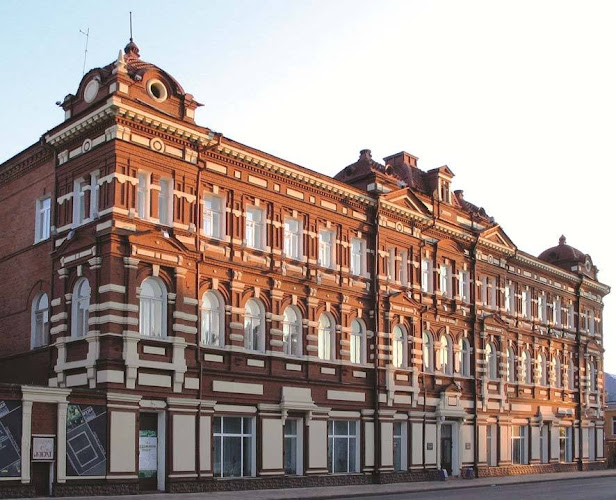
Tomskiy Oblastnoy Khudozhestvennyy Muzey
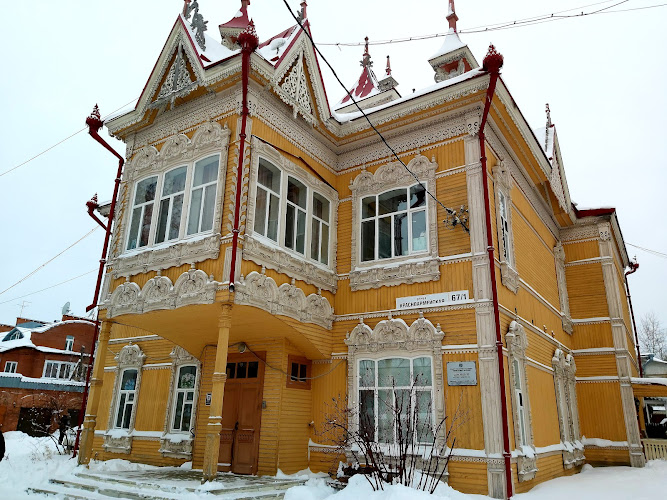
Dom S Zhar-Ptitsami
Camp Garden
Find Accommodations Nearby
Recommended Tours & Activities
Visitor Reviews
There are no reviews yet. Be the first one to write one.
Share Your Experience
Have you visited Pamyatnik Beremennoy Zhenshchine? Help other travelers by leaving a review.