About Palazzo Pepoli – Museo della Storia di Bologna

Description

The Palazzo Pepoli – Museo della Storia di Bologna is the kind of museum that sneaks up on you. You walk in expecting a polite history lesson and walk out realizing you’ve just time-traveled through two thousand years of a stubborn, brilliant city. And yes, I mean that in the best way. This palace-turned-museum doesn’t simply line up artifacts behind glass and call it a day. It tells stories. Loud ones, quiet ones, and a few that made me stop mid-step and say, wait… seriously? Housed inside a restored medieval palace, the museum explores the history and culture of Bologna through a mix of relics, art, immersive multimedia, soundscapes, and hands-on displays. It’s not dusty or academic in the scary sense. Instead, it feels curated by people who genuinely care about making history understandable to normal humans who maybe didn’t ace European history in school (raising my own hand here). The experience moves chronologically, from Etruscan roots through Roman times, medieval power struggles, the rise of the university, and into modern Bologna. One minute you’re watching animated projections of ancient city walls expanding, and the next you’re standing under centuries-old beams inside a noble palace that has seen its fair share of drama. And that contrast—that old-meets-new thing—is what sticks with you. What surprised me most was how emotional it felt. Museums about city history can sometimes be dry, but this one leans into personal stories. Voices echo in your headphones through the audio guide, recounting everyday life, political tensions, and moments of invention. It made Bologna feel less like a postcard and more like a living, occasionally messy organism. If you’re a traveler who wants context, not just photos, this place delivers. It’s also refreshingly honest. Not everything is glorified. You’ll see prosperity, yes, but also conflict, disasters, and social change. That balance probably explains why visitors tend to leave feeling informed rather than overwhelmed or bored. Families, solo travelers, history nerds, casual wanderers—it somehow works for all of them. And honestly, that’s not easy to pull off.

Key Features

  • Multimedia exhibits that combine video, sound, and interactive displays to explain Bologna’s history in plain language
  • A comprehensive audio guide that adds depth without forcing you to read endless text panels
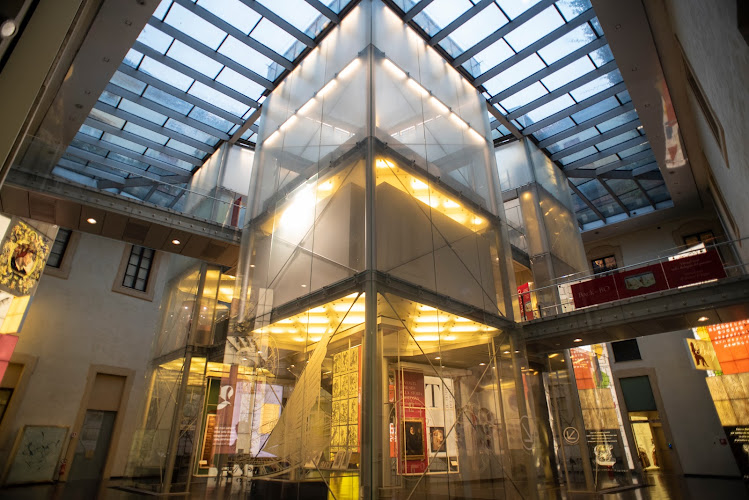
  • Historic palace architecture that is very much part of the experience, not just a container for exhibits
  • Live performances and occasional cultural events that bring specific eras to life
  • Assisted listening devices and full accessibility features, including wheelchair access throughout
  • Kid-friendly activities that don’t feel dumbed down or overly cartoonish
  • Onsite café that’s perfect for a break once your brain needs a rest
  • Gift shop stocked with thoughtful, Bologna-focused items rather than generic souvenirs
  • Free Wi‑Fi, which sounds minor but is a blessing if you’re navigating a packed travel day
  • Guided tours available for visitors who like structure and expert commentary

Best Time to Visit

Timing matters here more than you’d think. Palazzo Pepoli isn’t usually slammed shoulder-to-shoulder, but it does get busier in peak tourist months. Late spring and early fall are sweet spots. The weather is comfortable, and visitor numbers feel manageable. I visited once in early October, and it was just right—enough people to create a buzz, but not so many that you’re waiting for exhibits to clear. If you prefer quieter moments, aim for weekday mornings. The first couple of hours after opening are gold. Families with kids tend to come later in the day, especially on weekends. That’s not a bad thing—kids are welcome and well accommodated—but it does change the vibe a bit. More energy, more noise, more movement. Summer afternoons can feel long inside, even with climate control, simply because Bologna itself gets hot and heavy. But there’s an upside: the museum becomes a cool refuge from the heat, and you can easily spend two or three hours here without noticing time pass. Winter, on the other hand, offers a calmer, almost contemplative experience. Fewer tourists, more locals, and a slower pace. I actually like museums more in winter; they feel less performative and more sincere. Special exhibitions or live performances can draw crowds, so if you hear about one happening during your stay, either plan early or lean into it and accept the bustle. Sometimes a bit of chaos adds to the charm. And Bologna, historically speaking, knows a thing or two about organized chaos.

How to Get There

Getting to Palazzo Pepoli is refreshingly straightforward. Bologna’s historic center is compact and walkable, and the museum sits right in the middle of it all. If you’re already exploring the old town, chances are you’ll stumble upon it naturally, maybe while following your nose toward food. That’s usually how Bologna works. Walking is the best option, hands down. The surrounding streets are full of porticoes, which means shade and shelter no matter the weather. And honestly, approaching the palace on foot gives you a better sense of how it fits into the city’s fabric. You see how history layers itself block by block. Public transport works well too. Buses run frequently through the historic center, and stops are close enough that you won’t be trekking far. If you’re coming from the train station, it’s an easy ride or a manageable walk if you’re traveling light and feeling ambitious. Driving is possible but not recommended. Limited traffic zones can be confusing, and parking in the center is scarce. Save yourself the headache. Bologna rewards slow travel anyway. Let the city reveal itself at walking speed. Trust me on that one—I learned the hard way on a past trip, circling blocks while my patience evaporated.

Tips for Visiting

Plan to spend at least two hours here, more if you’re a history lover. The exhibits are layered, and rushing through would be a shame. The audio guide is absolutely worth using, even if you’re usually not an audio-guide person. I’m often skeptical of them, but this one adds warmth and context without droning on. Wear comfortable shoes. This sounds obvious, but the museum unfolds across multiple levels, and you’ll be on your feet more than you expect. Elevators and accessible routes are available, which is great, but you’ll still want to be comfortable. If you’re visiting with kids, let them lead sometimes. The interactive sections are genuinely engaging, and watching a child connect dots between past and present is oddly satisfying. Plus, kids’ discounts make it an easier sell for families traveling on a budget. Take breaks. There’s no prize for absorbing everything in one go. The café is a good spot to sit, process what you’ve seen, and maybe overhear other visitors comparing notes. Some of my favorite travel moments come from those overheard conversations—people piecing together history in real time. Don’t skip the upper floors. Many visitors slow down early and then speed through later sections, which is understandable but unfortunate. The later exhibits tie Bologna’s past to its modern identity, and that connection is what makes the whole experience click. Photography rules are reasonable, but be respectful. Some areas are better experienced without a camera anyway. I found myself putting my phone away more than once, just listening, watching, absorbing. That doesn’t always happen, and when it does, it’s a good sign. Lastly, pair your visit with a walk afterward. The museum gives you context, and stepping back into the streets lets you see Bologna differently. Buildings make more sense. Streets feel older. And you might catch yourself thinking about the centuries beneath your feet. That’s when you know the museum did its job.

Key Features

  • Multimedia exhibits that combine video, sound, and interactive displays to explain Bologna’s history in plain language
  • A comprehensive audio guide that adds depth without forcing you to read endless text panels
  • Historic palace architecture that is very much part of the experience, not just a container for exhibits
  • Live performances and occasional cultural events that bring specific eras to life
  • Assisted listening devices and full accessibility features, including wheelchair access throughout
  • Kid-friendly activities that don’t feel dumbed down or overly cartoonish
  • Onsite café that’s perfect for a break once your brain needs a rest
  • Gift shop stocked with thoughtful, Bologna-focused items rather than generic souvenirs

More Details

Updated December 31, 2025

Description

The Palazzo Pepoli – Museo della Storia di Bologna is the kind of museum that sneaks up on you. You walk in expecting a polite history lesson and walk out realizing you’ve just time-traveled through two thousand years of a stubborn, brilliant city. And yes, I mean that in the best way. This palace-turned-museum doesn’t simply line up artifacts behind glass and call it a day. It tells stories. Loud ones, quiet ones, and a few that made me stop mid-step and say, wait… seriously?

Housed inside a restored medieval palace, the museum explores the history and culture of Bologna through a mix of relics, art, immersive multimedia, soundscapes, and hands-on displays. It’s not dusty or academic in the scary sense. Instead, it feels curated by people who genuinely care about making history understandable to normal humans who maybe didn’t ace European history in school (raising my own hand here).

The experience moves chronologically, from Etruscan roots through Roman times, medieval power struggles, the rise of the university, and into modern Bologna. One minute you’re watching animated projections of ancient city walls expanding, and the next you’re standing under centuries-old beams inside a noble palace that has seen its fair share of drama. And that contrast—that old-meets-new thing—is what sticks with you.

What surprised me most was how emotional it felt. Museums about city history can sometimes be dry, but this one leans into personal stories. Voices echo in your headphones through the audio guide, recounting everyday life, political tensions, and moments of invention. It made Bologna feel less like a postcard and more like a living, occasionally messy organism. If you’re a traveler who wants context, not just photos, this place delivers.

It’s also refreshingly honest. Not everything is glorified. You’ll see prosperity, yes, but also conflict, disasters, and social change. That balance probably explains why visitors tend to leave feeling informed rather than overwhelmed or bored. Families, solo travelers, history nerds, casual wanderers—it somehow works for all of them. And honestly, that’s not easy to pull off.

Key Features

  • Multimedia exhibits that combine video, sound, and interactive displays to explain Bologna’s history in plain language
  • A comprehensive audio guide that adds depth without forcing you to read endless text panels
  • Historic palace architecture that is very much part of the experience, not just a container for exhibits
  • Live performances and occasional cultural events that bring specific eras to life
  • Assisted listening devices and full accessibility features, including wheelchair access throughout
  • Kid-friendly activities that don’t feel dumbed down or overly cartoonish
  • Onsite café that’s perfect for a break once your brain needs a rest
  • Gift shop stocked with thoughtful, Bologna-focused items rather than generic souvenirs
  • Free Wi‑Fi, which sounds minor but is a blessing if you’re navigating a packed travel day
  • Guided tours available for visitors who like structure and expert commentary

Best Time to Visit

Timing matters here more than you’d think. Palazzo Pepoli isn’t usually slammed shoulder-to-shoulder, but it does get busier in peak tourist months. Late spring and early fall are sweet spots. The weather is comfortable, and visitor numbers feel manageable. I visited once in early October, and it was just right—enough people to create a buzz, but not so many that you’re waiting for exhibits to clear.

If you prefer quieter moments, aim for weekday mornings. The first couple of hours after opening are gold. Families with kids tend to come later in the day, especially on weekends. That’s not a bad thing—kids are welcome and well accommodated—but it does change the vibe a bit. More energy, more noise, more movement.

Summer afternoons can feel long inside, even with climate control, simply because Bologna itself gets hot and heavy. But there’s an upside: the museum becomes a cool refuge from the heat, and you can easily spend two or three hours here without noticing time pass. Winter, on the other hand, offers a calmer, almost contemplative experience. Fewer tourists, more locals, and a slower pace. I actually like museums more in winter; they feel less performative and more sincere.

Special exhibitions or live performances can draw crowds, so if you hear about one happening during your stay, either plan early or lean into it and accept the bustle. Sometimes a bit of chaos adds to the charm. And Bologna, historically speaking, knows a thing or two about organized chaos.

How to Get There

Getting to Palazzo Pepoli is refreshingly straightforward. Bologna’s historic center is compact and walkable, and the museum sits right in the middle of it all. If you’re already exploring the old town, chances are you’ll stumble upon it naturally, maybe while following your nose toward food. That’s usually how Bologna works.

Walking is the best option, hands down. The surrounding streets are full of porticoes, which means shade and shelter no matter the weather. And honestly, approaching the palace on foot gives you a better sense of how it fits into the city’s fabric. You see how history layers itself block by block.

Public transport works well too. Buses run frequently through the historic center, and stops are close enough that you won’t be trekking far. If you’re coming from the train station, it’s an easy ride or a manageable walk if you’re traveling light and feeling ambitious.

Driving is possible but not recommended. Limited traffic zones can be confusing, and parking in the center is scarce. Save yourself the headache. Bologna rewards slow travel anyway. Let the city reveal itself at walking speed. Trust me on that one—I learned the hard way on a past trip, circling blocks while my patience evaporated.

Tips for Visiting

Plan to spend at least two hours here, more if you’re a history lover. The exhibits are layered, and rushing through would be a shame. The audio guide is absolutely worth using, even if you’re usually not an audio-guide person. I’m often skeptical of them, but this one adds warmth and context without droning on.

Wear comfortable shoes. This sounds obvious, but the museum unfolds across multiple levels, and you’ll be on your feet more than you expect. Elevators and accessible routes are available, which is great, but you’ll still want to be comfortable.

If you’re visiting with kids, let them lead sometimes. The interactive sections are genuinely engaging, and watching a child connect dots between past and present is oddly satisfying. Plus, kids’ discounts make it an easier sell for families traveling on a budget.

Take breaks. There’s no prize for absorbing everything in one go. The café is a good spot to sit, process what you’ve seen, and maybe overhear other visitors comparing notes. Some of my favorite travel moments come from those overheard conversations—people piecing together history in real time.

Don’t skip the upper floors. Many visitors slow down early and then speed through later sections, which is understandable but unfortunate. The later exhibits tie Bologna’s past to its modern identity, and that connection is what makes the whole experience click.

Photography rules are reasonable, but be respectful. Some areas are better experienced without a camera anyway. I found myself putting my phone away more than once, just listening, watching, absorbing. That doesn’t always happen, and when it does, it’s a good sign.

Lastly, pair your visit with a walk afterward. The museum gives you context, and stepping back into the streets lets you see Bologna differently. Buildings make more sense. Streets feel older. And you might catch yourself thinking about the centuries beneath your feet. That’s when you know the museum did its job.

Key Highlights

  • Multimedia exhibits that combine video, sound, and interactive displays to explain Bologna’s history in plain language
  • A comprehensive audio guide that adds depth without forcing you to read endless text panels
  • Historic palace architecture that is very much part of the experience, not just a container for exhibits
  • Live performances and occasional cultural events that bring specific eras to life
  • Assisted listening devices and full accessibility features, including wheelchair access throughout
  • Kid-friendly activities that don’t feel dumbed down or overly cartoonish
  • Onsite café that’s perfect for a break once your brain needs a rest
  • Gift shop stocked with thoughtful, Bologna-focused items rather than generic souvenirs

Location

Places to Stay Near Palazzo Pepoli - Museo della Storia di Bologna

Find and Book a Tour

Explore More Travel Guides

No reviews found! Be the first to review!

Traveler Reviews for Palazzo Pepoli – Museo della Storia di Bologna

There are no reviews yet. Be the first one to write one.

Share Your Experience

Have you visited Palazzo Pepoli – Museo della Storia di Bologna? Help other travelers by sharing your review.

Find Accommodations Nearby

Recommended Tours & Activities

Visitor Reviews

There are no reviews yet. Be the first one to write one.

Share Your Experience

Have you visited Palazzo Pepoli – Museo della Storia di Bologna? Help other travelers by leaving a review.