
Overseas Museum, Bremen
About Overseas Museum, Bremen
Description
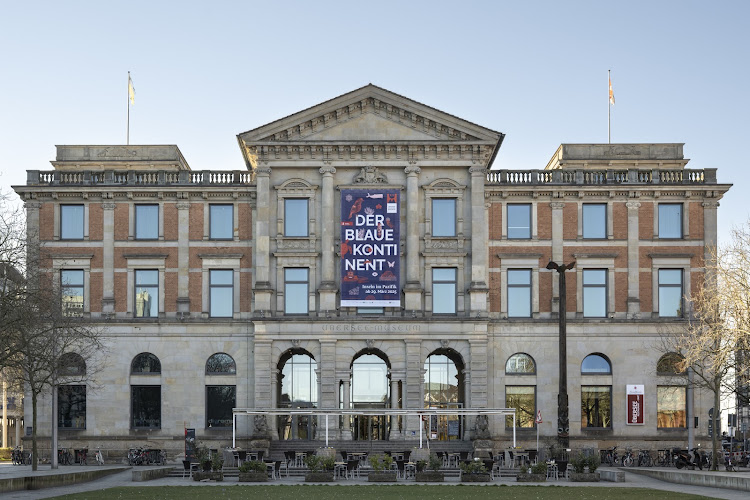
The Overseas Museum in Bremen stands as one of Germany's most fascinating cultural institutions, and honestly, it's a place that doesn't get nearly enough attention when travelers plan their German itineraries. I've always found it remarkable how this museum manages to transport visitors across continents without ever leaving the historic city of Bremen. The building itself commands respect - a grand 19th-century structure that speaks to an era when European museums were racing to document and display the natural and cultural wonders of distant lands. What makes this museum particularly special is its comprehensive approach to showcasing global cultures and natural history. You're not just looking at artifacts behind glass cases here. The collections span Asia, Africa, Oceania, and the Americas, offering insights into diverse ecosystems, traditional lifestyles, and the incredible biodiversity our planet holds. The museum has been operating for well over a century, and during that time it's accumulated specimens and cultural objects that tell stories spanning millions of years of natural history and thousands of years of human civilization. Walking through the exhibition halls feels like embarking on multiple expeditions at once. One moment you're examining the intricate details of traditional Indonesian shadow puppets, and the next you're face-to-face with taxidermy specimens from the African savanna. The museum doesn't shy away from addressing the complex history of colonial-era collecting practices either, which I appreciate. They've made genuine efforts in recent years to provide context about how and why these collections were assembled, and what that means for us today. The architectural grandeur of the building enhances the entire experience. Those high ceilings and ornate details remind visitors that this institution was designed to inspire awe and curiosity about our world. And it succeeds remarkably well at that mission, even by today's standards where we're all used to scrolling through high-definition nature documentaries on our phones.Key Features
The Overseas Museum offers several distinctive elements that make it worth the visit: • Extensive natural history collections featuring preserved specimens from tropical rainforests, deserts, and marine environments that most travelers will never personally experience • Cultural exhibitions displaying traditional clothing, tools, ceremonial objects, and everyday items from indigenous communities across the globe • Interactive displays designed specifically with younger visitors in mind, making complex topics like biodiversity and cultural diversity accessible to kids without dumbing things down • Rotating special exhibitions that dive deep into specific regions or themes, ensuring that even repeat visitors find something new • A stunning aquarium section showcasing marine life from various oceanic regions, which is surprisingly comprehensive for a museum that isn't exclusively focused on aquatic environments • Educational programs and workshops that run throughout the year, offering hands-on learning opportunities for families and school groups • Function room facilities available for private events, which means you could actually host a memorable occasion surrounded by fascinating exhibits • Fully accessible facilities throughout the building, including wheelchair-friendly entrances, parking, and restrooms that demonstrate the museum's commitment to welcoming all visitors • An onsite restaurant where you can refuel during your visit without having to leave the premises and lose your momentum through the exhibitions • Changing tables for parents traveling with infants, because someone actually thought about the practical needs of familiesBest Time to Visit
Timing your visit to the Overseas Museum can significantly impact your experience, and I've learned this through both research and chatting with folks who've been multiple times. Weekday mornings, particularly Tuesday through Thursday, tend to be quieter periods when you can really take your time with the exhibits without feeling rushed or crowded. School groups often visit during mid-morning hours on weekdays, so arriving right when the museum opens or after lunch can help you avoid the busiest periods. Weekend afternoons get pretty packed, especially during the colder months when families are looking for indoor activities. But if weekends are your only option, don't let that discourage you. Just arrive early, maybe fifteen minutes before opening, and you'll have a good hour or two of relatively peaceful exploration before the crowds build up. The museum is particularly appealing during Bremen's rainy season - which let's be honest, happens quite frequently throughout the year. When the weather outside is miserable, there's something deeply satisfying about spending hours exploring tropical environments and distant cultures from the comfort of a climate-controlled museum. Winter months from November through February see fewer tourists in Bremen overall, which means the museum feels more like a local secret than a tourist hotspot. Special exhibitions typically launch in spring or fall, and these can be absolutely worth planning your trip around. The museum announces these well in advance on their materials, so checking ahead can help you catch something truly exceptional. Summer months bring longer daylight hours, which means you could visit the museum during midday and still have plenty of time to explore Bremen's other attractions before or after. Consider avoiding the first weekend of school holidays, as that's when local families flood cultural institutions. The museum is genuinely good for kids, which means every parent in Bremen has the same idea about educational entertainment during those break periods.How to Get There
Getting to the Overseas Museum is refreshingly straightforward, and Bremen's compact size works in your favor here. The museum sits within easy reach of the city center, making it accessible through various transportation methods depending on your preferences and where you're staying. Public transportation is honestly your best bet. Bremen's tram system is efficient and tourist-friendly, with clear signage even if your German is rusty or non-existent. Several tram lines stop within a short walk of the museum, and locals are generally helpful if you look confused at a stop. The tram tickets aren't expensive either, especially if you opt for a day pass that covers unlimited travel around the city. If you're staying in Bremen's Altstadt or near the Marktplatz, you can actually walk to the museum in about twenty minutes. It's a pleasant stroll through residential neighborhoods that give you a feel for everyday Bremen life beyond the tourist areas. I always recommend walking when weather permits because you stumble upon those little bakeries and cafes that don't make it into guidebooks but serve phenomenal coffee and pastries. For drivers, the museum provides wheelchair-accessible parking, and there's additional street parking in the surrounding area. Bremen isn't as parking-challenged as some German cities, but spots can still fill up on weekends. Arriving before 10 AM usually guarantees you'll find something within a couple blocks. GPS directions work reliably, and the building is distinctive enough that you won't drive past it wondering if you've arrived. Cyclists will find Bremen extremely bike-friendly - it's actually one of Germany's top cycling cities. Bike racks are available near the museum entrance, and the protected cycle lanes throughout the city make the journey safer than you might expect if you're coming from places where cycling infrastructure is more theoretical than practical. If you're coming from another German city, Bremen's Hauptbahnhof connects to the national rail network with regular services from Hamburg, Hanover, and other major destinations. From the train station, you can catch a tram directly toward the museum or take a taxi if you're hauling luggage.Tips for Visiting
Planning ahead makes all the difference when visiting the Overseas Museum, and there are several things I wish someone had told me before my first cultural museum visit in Germany. First off, allocate more time than you think you'll need. Seriously. Most visitors underestimate how engaging these exhibitions are and find themselves rushing through the final sections because they've got dinner reservations or another commitment. Three to four hours gives you enough time to properly explore without feeling frazzled. Wear comfortable shoes - this isn't just generic travel advice, it's essential. The museum spans multiple floors with extensive walking involved, and those beautiful historic wooden floors can be surprisingly hard on feet after an hour or two. You'll enjoy the experience so much more when your feet aren't complaining. The onsite restaurant is convenient, but it can get crowded during typical lunch hours around 12:30 to 1:30 PM. Consider eating either early or late, or bringing snacks if you're traveling with kids who can't wait for proper mealtimes. The museum does have restrooms with changing tables, which is a godsend for parents with little ones. Photography policies are generally permissive for personal use, but flash photography might be restricted in certain exhibitions to protect light-sensitive artifacts. Check the signage in each room or ask staff if you're unsure. And please, be respectful of other visitors when taking photos - nobody wants to navigate around someone doing an impromptu photo shoot in front of popular displays. If you're traveling with children, pick up the family guide materials available at the entrance. These are thoughtfully designed to keep kids engaged without requiring constant parental entertainment. The museum really is good for kids, but that doesn't mean young ones won't need occasional redirecting or motivation to keep moving through less immediately exciting sections. Consider visiting during one of the museum's special event days or workshops if your schedule allows. These programs offer different perspectives on the collections and can be particularly valuable for anyone with specific interests in anthropology, natural history, or environmental conservation. Don't skip the less popular sections just because they seem less exotic. Sometimes the smaller exhibitions contain the most fascinating individual pieces, and you'll have more space to contemplate them without crowds. The museum rewards curiosity and patient observation. Lastly, engage with the museum staff when you have questions. They're knowledgeable and generally enthusiastic about sharing insights. German museum professionals take their educational mission seriously, and you'll often get far more information than you expected from a simple inquiry. Most staff members speak English well enough to assist international visitors, though attempting a few German phrases never hurts. The gift shop near the exit actually stocks some interesting items beyond typical tourist trinkets, including books on ethnography and natural history that you won't find in regular bookstores. It's worth browsing if you have interest in taking home something more substantive than a postcard.Key Features
- Key Features
- Best Time to Visit
- How to Get There
- Tips for Visiting
More Details
Updated March 30, 2026
Table of Contents
Description
The Overseas Museum in Bremen stands as one of Germany’s most fascinating cultural institutions, and honestly, it’s a place that doesn’t get nearly enough attention when travelers plan their German itineraries. I’ve always found it remarkable how this museum manages to transport visitors across continents without ever leaving the historic city of Bremen. The building itself commands respect – a grand 19th-century structure that speaks to an era when European museums were racing to document and display the natural and cultural wonders of distant lands.
What makes this museum particularly special is its comprehensive approach to showcasing global cultures and natural history. You’re not just looking at artifacts behind glass cases here. The collections span Asia, Africa, Oceania, and the Americas, offering insights into diverse ecosystems, traditional lifestyles, and the incredible biodiversity our planet holds. The museum has been operating for well over a century, and during that time it’s accumulated specimens and cultural objects that tell stories spanning millions of years of natural history and thousands of years of human civilization.
Walking through the exhibition halls feels like embarking on multiple expeditions at once. One moment you’re examining the intricate details of traditional Indonesian shadow puppets, and the next you’re face-to-face with taxidermy specimens from the African savanna. The museum doesn’t shy away from addressing the complex history of colonial-era collecting practices either, which I appreciate. They’ve made genuine efforts in recent years to provide context about how and why these collections were assembled, and what that means for us today.
The architectural grandeur of the building enhances the entire experience. Those high ceilings and ornate details remind visitors that this institution was designed to inspire awe and curiosity about our world. And it succeeds remarkably well at that mission, even by today’s standards where we’re all used to scrolling through high-definition nature documentaries on our phones.
Key Features
The Overseas Museum offers several distinctive elements that make it worth the visit:
• Extensive natural history collections featuring preserved specimens from tropical rainforests, deserts, and marine environments that most travelers will never personally experience
• Cultural exhibitions displaying traditional clothing, tools, ceremonial objects, and everyday items from indigenous communities across the globe
• Interactive displays designed specifically with younger visitors in mind, making complex topics like biodiversity and cultural diversity accessible to kids without dumbing things down
• Rotating special exhibitions that dive deep into specific regions or themes, ensuring that even repeat visitors find something new
• A stunning aquarium section showcasing marine life from various oceanic regions, which is surprisingly comprehensive for a museum that isn’t exclusively focused on aquatic environments
• Educational programs and workshops that run throughout the year, offering hands-on learning opportunities for families and school groups
• Function room facilities available for private events, which means you could actually host a memorable occasion surrounded by fascinating exhibits
• Fully accessible facilities throughout the building, including wheelchair-friendly entrances, parking, and restrooms that demonstrate the museum’s commitment to welcoming all visitors
• An onsite restaurant where you can refuel during your visit without having to leave the premises and lose your momentum through the exhibitions
• Changing tables for parents traveling with infants, because someone actually thought about the practical needs of families
Best Time to Visit
Timing your visit to the Overseas Museum can significantly impact your experience, and I’ve learned this through both research and chatting with folks who’ve been multiple times. Weekday mornings, particularly Tuesday through Thursday, tend to be quieter periods when you can really take your time with the exhibits without feeling rushed or crowded. School groups often visit during mid-morning hours on weekdays, so arriving right when the museum opens or after lunch can help you avoid the busiest periods.
Weekend afternoons get pretty packed, especially during the colder months when families are looking for indoor activities. But if weekends are your only option, don’t let that discourage you. Just arrive early, maybe fifteen minutes before opening, and you’ll have a good hour or two of relatively peaceful exploration before the crowds build up.
The museum is particularly appealing during Bremen’s rainy season – which let’s be honest, happens quite frequently throughout the year. When the weather outside is miserable, there’s something deeply satisfying about spending hours exploring tropical environments and distant cultures from the comfort of a climate-controlled museum. Winter months from November through February see fewer tourists in Bremen overall, which means the museum feels more like a local secret than a tourist hotspot.
Special exhibitions typically launch in spring or fall, and these can be absolutely worth planning your trip around. The museum announces these well in advance on their materials, so checking ahead can help you catch something truly exceptional. Summer months bring longer daylight hours, which means you could visit the museum during midday and still have plenty of time to explore Bremen’s other attractions before or after.
Consider avoiding the first weekend of school holidays, as that’s when local families flood cultural institutions. The museum is genuinely good for kids, which means every parent in Bremen has the same idea about educational entertainment during those break periods.
How to Get There
Getting to the Overseas Museum is refreshingly straightforward, and Bremen’s compact size works in your favor here. The museum sits within easy reach of the city center, making it accessible through various transportation methods depending on your preferences and where you’re staying.
Public transportation is honestly your best bet. Bremen’s tram system is efficient and tourist-friendly, with clear signage even if your German is rusty or non-existent. Several tram lines stop within a short walk of the museum, and locals are generally helpful if you look confused at a stop. The tram tickets aren’t expensive either, especially if you opt for a day pass that covers unlimited travel around the city.
If you’re staying in Bremen’s Altstadt or near the Marktplatz, you can actually walk to the museum in about twenty minutes. It’s a pleasant stroll through residential neighborhoods that give you a feel for everyday Bremen life beyond the tourist areas. I always recommend walking when weather permits because you stumble upon those little bakeries and cafes that don’t make it into guidebooks but serve phenomenal coffee and pastries.
For drivers, the museum provides wheelchair-accessible parking, and there’s additional street parking in the surrounding area. Bremen isn’t as parking-challenged as some German cities, but spots can still fill up on weekends. Arriving before 10 AM usually guarantees you’ll find something within a couple blocks. GPS directions work reliably, and the building is distinctive enough that you won’t drive past it wondering if you’ve arrived.
Cyclists will find Bremen extremely bike-friendly – it’s actually one of Germany’s top cycling cities. Bike racks are available near the museum entrance, and the protected cycle lanes throughout the city make the journey safer than you might expect if you’re coming from places where cycling infrastructure is more theoretical than practical.
If you’re coming from another German city, Bremen’s Hauptbahnhof connects to the national rail network with regular services from Hamburg, Hanover, and other major destinations. From the train station, you can catch a tram directly toward the museum or take a taxi if you’re hauling luggage.
Tips for Visiting
Planning ahead makes all the difference when visiting the Overseas Museum, and there are several things I wish someone had told me before my first cultural museum visit in Germany. First off, allocate more time than you think you’ll need. Seriously. Most visitors underestimate how engaging these exhibitions are and find themselves rushing through the final sections because they’ve got dinner reservations or another commitment. Three to four hours gives you enough time to properly explore without feeling frazzled.
Wear comfortable shoes – this isn’t just generic travel advice, it’s essential. The museum spans multiple floors with extensive walking involved, and those beautiful historic wooden floors can be surprisingly hard on feet after an hour or two. You’ll enjoy the experience so much more when your feet aren’t complaining.
The onsite restaurant is convenient, but it can get crowded during typical lunch hours around 12:30 to 1:30 PM. Consider eating either early or late, or bringing snacks if you’re traveling with kids who can’t wait for proper mealtimes. The museum does have restrooms with changing tables, which is a godsend for parents with little ones.
Photography policies are generally permissive for personal use, but flash photography might be restricted in certain exhibitions to protect light-sensitive artifacts. Check the signage in each room or ask staff if you’re unsure. And please, be respectful of other visitors when taking photos – nobody wants to navigate around someone doing an impromptu photo shoot in front of popular displays.
If you’re traveling with children, pick up the family guide materials available at the entrance. These are thoughtfully designed to keep kids engaged without requiring constant parental entertainment. The museum really is good for kids, but that doesn’t mean young ones won’t need occasional redirecting or motivation to keep moving through less immediately exciting sections.
Consider visiting during one of the museum’s special event days or workshops if your schedule allows. These programs offer different perspectives on the collections and can be particularly valuable for anyone with specific interests in anthropology, natural history, or environmental conservation.
Don’t skip the less popular sections just because they seem less exotic. Sometimes the smaller exhibitions contain the most fascinating individual pieces, and you’ll have more space to contemplate them without crowds. The museum rewards curiosity and patient observation.
Lastly, engage with the museum staff when you have questions. They’re knowledgeable and generally enthusiastic about sharing insights. German museum professionals take their educational mission seriously, and you’ll often get far more information than you expected from a simple inquiry. Most staff members speak English well enough to assist international visitors, though attempting a few German phrases never hurts.
The gift shop near the exit actually stocks some interesting items beyond typical tourist trinkets, including books on ethnography and natural history that you won’t find in regular bookstores. It’s worth browsing if you have interest in taking home something more substantive than a postcard.
Key Highlights
- Key Features
- Best Time to Visit
- How to Get There
- Tips for Visiting
Location
Places to Stay Near Overseas Museum, Bremen
Find and Book a Tour
Explore More Travel Guides
No reviews found! Be the first to review!
Overseas Museum, Bremen is a prominent museums located in Bremen.
Visit us at: Bahnhofspl. 13, 28195 Bremen, Germany.
Traveler Reviews for Overseas Museum, Bremen
There are no reviews yet. Be the first one to write one.
Have you visited Overseas Museum, Bremen? Help other travelers by sharing your review.
You Might Also Like
Bleikeller
"Spuckstein" am Bremer Dom

Schuppen Eins
Find Accommodations Nearby
Recommended Tours & Activities
Visitor Reviews
There are no reviews yet. Be the first one to write one.
Share Your Experience
Have you visited Overseas Museum, Bremen? Help other travelers by leaving a review.