Guided Sightseeing Tours & Activities in Västra Frölunda
- Browse sightseeing excursions and activities in Västra Frölunda
- Check live availability, rates & traveler reviews on Viator
- Secure online booking with flexible options

Oscar II Fort stands as a fascinating glimpse into Sweden’s military past, perched strategically to guard the approaches to Stockholm’s archipelago.
Built between 1890 and 1893, this fortress represents the era when Sweden took its coastal defenses seriously, and honestly, walking through its tunnels and chambers feels like stepping into a different world entirely. The fort was named after King Oscar II, who ruled during a time when European powers were constantly worried about naval invasions and territorial disputes.
What makes this place particularly intriguing is how well-preserved everything remains. You’re not just looking at ruins or reading plaques about what used to be here – you’re actually exploring the real thing. The corridors stretch deep into the rock, the gun emplacements still face outward toward the sea, and you can almost imagine the soldiers who once manned these positions, probably cold and a bit bored during their long watches.
The fortress was part of a larger defense system designed to protect Stockholm from enemy fleets, though thankfully it never had to prove itself in actual combat. And that’s probably for the best, because now we get to wander through it peacefully, appreciating the engineering and strategic thinking that went into its construction. The whole complex is carved into solid rock, which must have been an enormous undertaking with the technology available in the 1890s.
Visitors today will find that the fort is maintained largely by dedicated volunteers who really know their stuff. These folks are passionate about the history and they’ve done an incredible job keeping the site accessible and interesting. It’s not a massive commercial tourist trap with gift shops every ten meters – instead, it feels authentic and genuine, which is increasingly rare these days.
The fortress offers several remarkable elements that make it worth exploring:
• Extensive underground tunnel systems that wind through the bedrock, connecting different sections of the fort and providing shelter for troops and ammunition
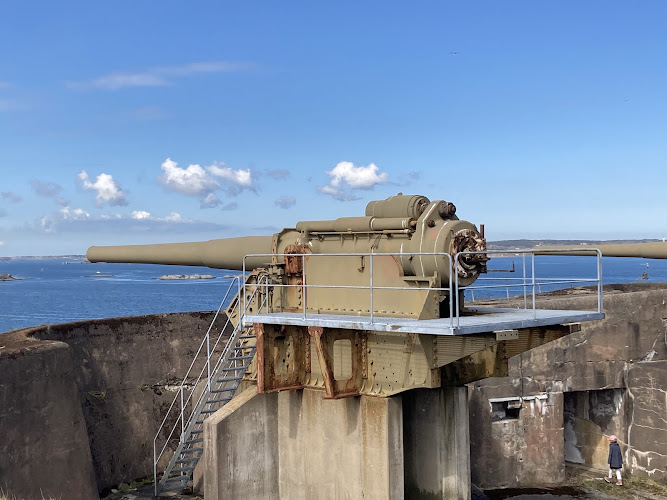
• Original artillery pieces and gun emplacements that give you a real sense of the firepower this place once commanded
• Well-preserved barracks and living quarters where you can see how soldiers spent their off-duty hours in pretty cramped conditions
• Strategic observation points offering beautiful views of the surrounding archipelago – the location wasn’t chosen just for defensive purposes, it’s genuinely scenic
• Historical exhibits showcasing military equipment, uniforms, and artifacts from the late 19th and early 20th centuries
• Guided tours led by knowledgeable volunteers who share stories and details you won’t find in any guidebook
• Child-friendly exploration opportunities with plenty of space for kids to burn off energy while learning about history
• Photography opportunities throughout the fortress, from dramatic tunnel shots to sweeping coastal vistas
• Seasonal events and historical reenactments that bring different periods of the fort’s history to life
• Relatively uncrowded compared to Stockholm’s more famous attractions, giving you space to explore at your own pace
Timing your visit to Oscar II Fort can make a significant difference in your experience. The fortress typically operates from late spring through early autumn, roughly May through September, when weather conditions make the underground spaces more comfortable and the grounds safer to navigate. Summer months – June, July, and August – offer the longest opening hours and the warmest weather, which matters more than you might think when you’re exploring damp stone corridors.
I’d personally lean toward visiting in late May or early September if you want to avoid the peak tourist season. Sure, summer has its advantages, but there’s something special about experiencing the fort when it’s quieter. You can take your time in each section without feeling rushed by crowds behind you, and the volunteers often have more opportunity to chat and share their extensive knowledge.
Weather-wise, keep in mind that even on warm days, the interior of the fort stays pretty cool. Those thick rock walls do an excellent job of maintaining a constant temperature, which was great for storing gunpowder but means you’ll want a light jacket even in July. And if it’s been raining, some areas can be slippery, so sturdy footwear is basically non-negotiable.
Weekdays generally see fewer visitors than weekends, particularly if you can manage a Tuesday or Wednesday visit. Weekend afternoons can get busy with families and tour groups, though “busy” at Oscar II Fort is still relatively manageable compared to, say, the Vasa Museum.
The autumn months before closing offer spectacular colors in the surrounding landscape, and there’s something atmospheric about the fort as the days grow shorter. But double-check opening times, because the schedule often reduces in September and the fort typically closes entirely by October.
Getting to Oscar II Fort requires a bit of planning since it’s not located in central Stockholm, but the journey is part of the experience. The fortress sits on the island of Oscarsborg in the Stockholm archipelago, and reaching it involves public transportation followed by a pleasant walk.
From Stockholm’s city center, you’ll want to take the commuter train or bus toward the relevant area – checking current routes beforehand is smart because schedules change seasonally. Many visitors combine their trip to the fort with exploration of the broader archipelago region, which makes sense given the travel time involved.
Once you’re in the general vicinity, you’ll need to walk to reach the fort itself. The paths are well-marked, and honestly, the walk is lovely. You’re moving through typical Swedish coastal landscape with forests, rocky outcrops, and glimpses of water. It takes maybe 20-30 minutes depending on your pace and how often you stop to take photos.
Driving is an option if you have access to a car, and there’s parking available near the fort. This gives you more flexibility with timing and makes it easier if you’re traveling with young kids or have mobility concerns. The roads are decent, though narrow in places as you’d expect in this kind of terrain.
Some visitors arrive by bicycle, which works well if you’re comfortable with a longer ride and have the time. The cycling routes in this area are generally good, and you can lock your bike near the entrance.
Water access is theoretically possible if you have your own boat, though most people stick with land-based transportation. The fort isn’t served by regular ferry services like some other archipelago destinations.
Preparing properly for your visit will make the experience much more enjoyable. First and foremost, wear appropriate footwear – and I can’t stress this enough. The tunnels have uneven surfaces, there are stairs, and some areas can be wet. Those cute sandals or brand-new white sneakers? Leave them at your hotel. You want closed-toe shoes with good grip.
Bring layers of clothing because the temperature difference between outside and inside the fort can be substantial. Even if it’s a beautiful sunny day, those underground passages stay cool and sometimes feel downright chilly. A light waterproof jacket is ideal since it provides warmth without bulk and protects against any dampness.
Photography enthusiasts should bring a decent camera or phone, but be aware that some interior spaces are quite dark. A flashlight or headlamp is actually useful for exploring some of the dimmer corners, though the main paths are lit. Flash photography is generally allowed, but check current policies when you arrive.
If you’re visiting with children, the fort is genuinely kid-friendly despite being a historical military site. Kids love exploring the tunnels and climbing around the gun emplacements. Just keep an eye on younger ones near any drops or steep stairs. Bringing snacks and water is wise, especially for families, because facilities are limited.
Speaking with the volunteers is highly recommended – these people are treasure troves of information and stories. Don’t be shy about asking questions or requesting clarification about things you’re curious about. They’re there because they love the fort and want to share it.
Allow at least two to three hours for your visit if you want to see everything properly. Rushing through defeats the purpose, and you’ll miss details that make the place special. Some visitors spend even longer, particularly if they’re really into military history or photography.
Check the weather forecast before heading out and have a backup plan if conditions are terrible. The fort is manageable in light rain, but heavy storms make the experience less pleasant and potentially unsafe.
Lastly, bring cash if you plan to make any purchases or donations. Card readers aren’t always available at smaller historical sites, and the volunteers who maintain Oscar II Fort genuinely appreciate any contributions toward preservation efforts.

Last modified August 17, 2026
Oscar II Fort stands as a fascinating glimpse into Sweden’s military past, perched strategically to guard the approaches to Stockholm’s archipelago. Built between 1890 and 1893, this fortress represents the era when Sweden took its coastal defenses seriously, and honestly, walking through its tunnels and chambers feels like stepping into a different world entirely. The fort was named after King Oscar II, who ruled during a time when European powers were constantly worried about naval invasions and territorial disputes.
What makes this place particularly intriguing is how well-preserved everything remains. You’re not just looking at ruins or reading plaques about what used to be here – you’re actually exploring the real thing. The corridors stretch deep into the rock, the gun emplacements still face outward toward the sea, and you can almost imagine the soldiers who once manned these positions, probably cold and a bit bored during their long watches.
The fortress was part of a larger defense system designed to protect Stockholm from enemy fleets, though thankfully it never had to prove itself in actual combat. And that’s probably for the best, because now we get to wander through it peacefully, appreciating the engineering and strategic thinking that went into its construction. The whole complex is carved into solid rock, which must have been an enormous undertaking with the technology available in the 1890s.
Visitors today will find that the fort is maintained largely by dedicated volunteers who really know their stuff. These folks are passionate about the history and they’ve done an incredible job keeping the site accessible and interesting. It’s not a massive commercial tourist trap with gift shops every ten meters – instead, it feels authentic and genuine, which is increasingly rare these days.
The fortress offers several remarkable elements that make it worth exploring:
• Extensive underground tunnel systems that wind through the bedrock, connecting different sections of the fort and providing shelter for troops and ammunition
• Original artillery pieces and gun emplacements that give you a real sense of the firepower this place once commanded
• Well-preserved barracks and living quarters where you can see how soldiers spent their off-duty hours in pretty cramped conditions
• Strategic observation points offering beautiful views of the surrounding archipelago – the location wasn’t chosen just for defensive purposes, it’s genuinely scenic
• Historical exhibits showcasing military equipment, uniforms, and artifacts from the late 19th and early 20th centuries
• Guided tours led by knowledgeable volunteers who share stories and details you won’t find in any guidebook
• Child-friendly exploration opportunities with plenty of space for kids to burn off energy while learning about history
• Photography opportunities throughout the fortress, from dramatic tunnel shots to sweeping coastal vistas
• Seasonal events and historical reenactments that bring different periods of the fort’s history to life
• Relatively uncrowded compared to Stockholm’s more famous attractions, giving you space to explore at your own pace
Timing your visit to Oscar II Fort can make a significant difference in your experience. The fortress typically operates from late spring through early autumn, roughly May through September, when weather conditions make the underground spaces more comfortable and the grounds safer to navigate. Summer months – June, July, and August – offer the longest opening hours and the warmest weather, which matters more than you might think when you’re exploring damp stone corridors.
I’d personally lean toward visiting in late May or early September if you want to avoid the peak tourist season. Sure, summer has its advantages, but there’s something special about experiencing the fort when it’s quieter. You can take your time in each section without feeling rushed by crowds behind you, and the volunteers often have more opportunity to chat and share their extensive knowledge.
Weather-wise, keep in mind that even on warm days, the interior of the fort stays pretty cool. Those thick rock walls do an excellent job of maintaining a constant temperature, which was great for storing gunpowder but means you’ll want a light jacket even in July. And if it’s been raining, some areas can be slippery, so sturdy footwear is basically non-negotiable.
Weekdays generally see fewer visitors than weekends, particularly if you can manage a Tuesday or Wednesday visit. Weekend afternoons can get busy with families and tour groups, though “busy” at Oscar II Fort is still relatively manageable compared to, say, the Vasa Museum.
The autumn months before closing offer spectacular colors in the surrounding landscape, and there’s something atmospheric about the fort as the days grow shorter. But double-check opening times, because the schedule often reduces in September and the fort typically closes entirely by October.
Getting to Oscar II Fort requires a bit of planning since it’s not located in central Stockholm, but the journey is part of the experience. The fortress sits on the island of Oscarsborg in the Stockholm archipelago, and reaching it involves public transportation followed by a pleasant walk.
From Stockholm’s city center, you’ll want to take the commuter train or bus toward the relevant area – checking current routes beforehand is smart because schedules change seasonally. Many visitors combine their trip to the fort with exploration of the broader archipelago region, which makes sense given the travel time involved.
Once you’re in the general vicinity, you’ll need to walk to reach the fort itself. The paths are well-marked, and honestly, the walk is lovely. You’re moving through typical Swedish coastal landscape with forests, rocky outcrops, and glimpses of water. It takes maybe 20-30 minutes depending on your pace and how often you stop to take photos.
Driving is an option if you have access to a car, and there’s parking available near the fort. This gives you more flexibility with timing and makes it easier if you’re traveling with young kids or have mobility concerns. The roads are decent, though narrow in places as you’d expect in this kind of terrain.
Some visitors arrive by bicycle, which works well if you’re comfortable with a longer ride and have the time. The cycling routes in this area are generally good, and you can lock your bike near the entrance.
Water access is theoretically possible if you have your own boat, though most people stick with land-based transportation. The fort isn’t served by regular ferry services like some other archipelago destinations.
Preparing properly for your visit will make the experience much more enjoyable. First and foremost, wear appropriate footwear – and I can’t stress this enough. The tunnels have uneven surfaces, there are stairs, and some areas can be wet. Those cute sandals or brand-new white sneakers? Leave them at your hotel. You want closed-toe shoes with good grip.
Bring layers of clothing because the temperature difference between outside and inside the fort can be substantial. Even if it’s a beautiful sunny day, those underground passages stay cool and sometimes feel downright chilly. A light waterproof jacket is ideal since it provides warmth without bulk and protects against any dampness.
Photography enthusiasts should bring a decent camera or phone, but be aware that some interior spaces are quite dark. A flashlight or headlamp is actually useful for exploring some of the dimmer corners, though the main paths are lit. Flash photography is generally allowed, but check current policies when you arrive.
If you’re visiting with children, the fort is genuinely kid-friendly despite being a historical military site. Kids love exploring the tunnels and climbing around the gun emplacements. Just keep an eye on younger ones near any drops or steep stairs. Bringing snacks and water is wise, especially for families, because facilities are limited.
Speaking with the volunteers is highly recommended – these people are treasure troves of information and stories. Don’t be shy about asking questions or requesting clarification about things you’re curious about. They’re there because they love the fort and want to share it.
Allow at least two to three hours for your visit if you want to see everything properly. Rushing through defeats the purpose, and you’ll miss details that make the place special. Some visitors spend even longer, particularly if they’re really into military history or photography.
Check the weather forecast before heading out and have a backup plan if conditions are terrible. The fort is manageable in light rain, but heavy storms make the experience less pleasant and potentially unsafe.
Lastly, bring cash if you plan to make any purchases or donations. Card readers aren’t always available at smaller historical sites, and the volunteers who maintain Oscar II Fort genuinely appreciate any contributions toward preservation efforts.
No reviews found! Be the first to review!
Oscar II Fort is a prominent attractions located in Västra Frölunda.
Visit us at: Försvarsgatan 36, 426 76 Västra Frölunda, Suède.
Stay22 provides this accommodation search. We may earn a commission if you book through it; verify current prices and terms with the provider.
GetYourGuide provides this tour inventory. We may earn a commission if you book through it; verify current availability, prices, and terms with the provider.
We may earn a commission if you book through links on this page at no extra cost to you. All tours feature verified customer reviews and flexible cancellation options.
No traveler reviews yet. Share your experience below!
No traveler questions yet. Be the first to ask a local!