Osaka Station City
About Osaka Station City
Description
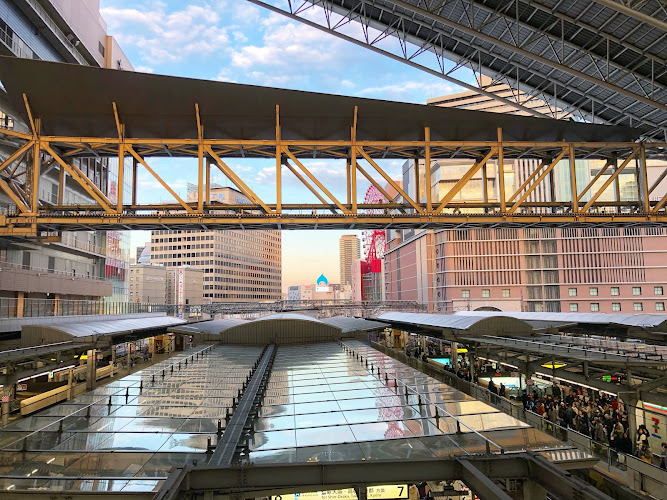
Osaka Station City stands as one of Japan's most impressive transportation and commercial complexes, transforming what could have been just another train station into a destination worthy of an entire day's exploration. This massive development literally sits on top of Osaka Station, creating a vertical city that reaches skyward with multiple floors of shopping, dining, and entertainment options. When I first stepped into this complex, I was genuinely amazed by how seamlessly it integrates transportation with retail therapy. The architects didn't just build a mall – they created an urban ecosystem that feels more like a small city than a single building. And honestly, that's exactly what it is. The structure itself is an engineering marvel, with its sleek glass facades and modern steel framework creating an impressive silhouette against Osaka's skyline. But what really makes this place special isn't just its size or contemporary design. It's how thoughtfully everything has been planned to serve both local commuters and international travelers who might find themselves with time to kill between trains or flights. The complex houses over 300 shops and restaurants spread across multiple floors, each level offering a different experience and price point. From basement food courts serving authentic Japanese comfort food to upscale restaurants with panoramic city views, the dining diversity here reflects Osaka's reputation as Japan's kitchen. Shopping enthusiasts will find everything from international luxury brands to unique Japanese retailers that you won't encounter elsewhere in the world. What struck me most during my visits is how this place manages to feel both cosmopolitan and distinctly Japanese. You'll see salary workers grabbing quick lunches alongside tourists hauling suitcases, creating this fascinating blend of everyday life and travel culture that defines modern Japan.Key Features
Osaka Station City offers an impressive array of features that cater to diverse interests and needs: • **Multi-level shopping experience** with over 300 stores ranging from high-end international brands to unique Japanese retailers • **Extensive dining options** including basement food courts, casual restaurants, and upscale establishments with city views • **Direct connection to JR Osaka Station** providing seamless access to local and long-distance train services • **Rooftop garden and observation areas** offering panoramic views of Osaka's cityscape • **Cinema complex** featuring the latest Japanese and international films • **Department store sections** with everything from cosmetics to home goods • **Luggage storage facilities** and travel services for convenience • **Art installations and cultural displays** that change seasonally • **Children's play areas** and family-friendly facilities throughout the complex • **Professional services** including beauty salons, clinics, and business centers • **Event spaces** that host seasonal celebrations and promotional activities • **Wheelchair accessible facilities** with elevators, ramps, and accessible restrooms throughout • **Tourist information centers** with multilingual staff and travel assistance • **Currency exchange services** and international ATMs • **Free Wi-Fi coverage** across the entire complexBest Time to Visit
The beauty of Osaka Station City lies in its year-round accessibility, though certain times definitely offer better experiences than others. I've found that weekday mornings, particularly between 10 AM and noon, provide the most comfortable shopping and dining experience. The crowds are manageable, restaurants aren't overwhelmed, and you can actually move through the corridors without feeling like you're in a human traffic jam. Spring months from March to May bring special charm to the complex, especially when the rooftop gardens bloom with seasonal flowers. The weather is pleasant, making those outdoor observation areas particularly enjoyable. During this time, many shops also introduce spring collections, and the restaurants often feature seasonal menus that highlight fresh ingredients. Summer can be intense in Osaka, with humidity levels that make you appreciate air conditioning more than ever. But here's the thing – Osaka Station City becomes a perfect refuge during hot summer days. The climate-controlled environment makes it an ideal place to escape the heat while still exploring and shopping. Plus, summer sales typically run from July through August, offering significant discounts on both Japanese and international brands. Autumn, particularly October and November, might just be the sweet spot for visiting. The weather cools down, making it comfortable to explore all levels of the complex without feeling overheated. The fall illuminations and decorations throughout the building create a cozy atmosphere that enhances the overall experience. Winter brings its own magic, especially around the holiday season. The complex goes all out with Christmas and New Year decorations that are genuinely impressive. However, this is also peak tourist season, so expect larger crowds and longer wait times at popular restaurants. Avoid visiting during major Japanese holidays like Golden Week (late April to early May) or Obon (mid-August) unless you enjoy navigating through massive crowds. The experience becomes less about leisurely exploration and more about crowd management.How to Get There
Getting to Osaka Station City couldn't be more straightforward since it's literally built on top of one of Japan's busiest transportation hubs. The complex sits directly above JR Osaka Station, which connects to virtually every major destination in the Kansai region and beyond. From Kansai International Airport, travelers can take the JR Kansai Airport Express (Haruka) directly to Osaka Station in about 50 minutes. This route is particularly convenient because you'll arrive right underneath your destination – no additional transportation needed. The Nankai Airport Express to Namba is another option, though it requires a short subway ride to reach Osaka Station. If you're coming from Tokyo, the shinkansen (bullet train) stops at Shin-Osaka Station, where you can easily transfer to local JR lines that reach Osaka Station in just a few minutes. The entire journey from Tokyo takes approximately 3 hours, making it possible to do day trips focused entirely on exploring the station complex. Local transportation within Osaka makes reaching the complex incredibly easy. The JR Loop Line connects Osaka Station to major districts like Nippombashi, Tennoji, and Nishikuji. The Hankyu and Hanshin private railway lines also terminate at stations directly connected to the complex through underground passages. For those staying in nearby cities like Kyoto, Kobe, or Nara, regular train services run throughout the day with journey times ranging from 30 minutes to one hour. The frequency of these services means you don't need to plan your visit around specific departure times. Driving isn't recommended due to Osaka's traffic congestion and expensive parking fees, but the complex does offer parking facilities for those who insist on bringing their own vehicles. The parking areas include wheelchair accessible spaces and are connected to the main complex via elevators.Tips for Visiting
After multiple visits to this complex, I've learned several tricks that can significantly improve your experience. First, download the official Osaka Station City app if you can navigate Japanese, or grab a paper map from the information desk. The complex is genuinely massive, and even seasoned visitors sometimes get turned around trying to find specific shops or restaurants. Start your visit from the top floors and work your way down. This strategy helps you avoid the mistake I made during my first visit – spending all my energy on the lower levels and feeling too tired to explore the upper floors where some of the best restaurants and views are located. The basement levels (called "depachika" in Japanese department store culture) offer some of the most authentic Japanese food experiences at reasonable prices. Don't overlook these areas in favor of the fancier restaurants upstairs. Some of my best meals in the complex came from small basement vendors who've been perfecting their craft for decades. For serious shoppers, visit department store sections early in the day when staff are most attentive and inventory is fully stocked. Many Japanese stores offer tax-free shopping for tourists, but you'll need your passport and must meet minimum purchase requirements. The coin lockers scattered throughout the complex are lifesavers if you're traveling with luggage. However, they fill up quickly during peak travel times, so secure storage space early in your visit rather than waiting until you're ready to leave. Language barriers exist but shouldn't intimidate you. Many shops employ staff with basic English skills, and the complex provides multilingual signage in key areas. Point-and-smile communication works surprisingly well, and most vendors are patient with international visitors. Timing your meals strategically can save both time and money. Lunch sets at many restaurants offer the same quality as dinner menus but at significantly lower prices. But avoid the typical Japanese lunch rush between 12 PM and 1 PM when office workers flood the dining areas. The complex gets incredibly busy during evening rush hours when commuters pass through the station. If you're planning to shop or dine during these times, expect crowds and longer wait times for elevators and escalators. Take advantage of the seasonal events and exhibitions that rotate through the complex's event spaces. These often provide insights into Japanese culture that you won't find in guidebooks, and they're usually free to observe.Key Features
- Key Features
- Best Time to Visit
- How to Get There
- Tips for Visiting
More Details
Updated September 15, 2025
Table of Contents
Description
Osaka Station City stands as one of Japan’s most impressive transportation and commercial complexes, transforming what could have been just another train station into a destination worthy of an entire day’s exploration. This massive development literally sits on top of Osaka Station, creating a vertical city that reaches skyward with multiple floors of shopping, dining, and entertainment options.
When I first stepped into this complex, I was genuinely amazed by how seamlessly it integrates transportation with retail therapy. The architects didn’t just build a mall – they created an urban ecosystem that feels more like a small city than a single building. And honestly, that’s exactly what it is.
The structure itself is an engineering marvel, with its sleek glass facades and modern steel framework creating an impressive silhouette against Osaka’s skyline. But what really makes this place special isn’t just its size or contemporary design. It’s how thoughtfully everything has been planned to serve both local commuters and international travelers who might find themselves with time to kill between trains or flights.
The complex houses over 300 shops and restaurants spread across multiple floors, each level offering a different experience and price point. From basement food courts serving authentic Japanese comfort food to upscale restaurants with panoramic city views, the dining diversity here reflects Osaka’s reputation as Japan’s kitchen. Shopping enthusiasts will find everything from international luxury brands to unique Japanese retailers that you won’t encounter elsewhere in the world.
What struck me most during my visits is how this place manages to feel both cosmopolitan and distinctly Japanese. You’ll see salary workers grabbing quick lunches alongside tourists hauling suitcases, creating this fascinating blend of everyday life and travel culture that defines modern Japan.
Key Features
Osaka Station City offers an impressive array of features that cater to diverse interests and needs:
• **Multi-level shopping experience** with over 300 stores ranging from high-end international brands to unique Japanese retailers
• **Extensive dining options** including basement food courts, casual restaurants, and upscale establishments with city views
• **Direct connection to JR Osaka Station** providing seamless access to local and long-distance train services
• **Rooftop garden and observation areas** offering panoramic views of Osaka’s cityscape
• **Cinema complex** featuring the latest Japanese and international films
• **Department store sections** with everything from cosmetics to home goods
• **Luggage storage facilities** and travel services for convenience
• **Art installations and cultural displays** that change seasonally
• **Children’s play areas** and family-friendly facilities throughout the complex
• **Professional services** including beauty salons, clinics, and business centers
• **Event spaces** that host seasonal celebrations and promotional activities
• **Wheelchair accessible facilities** with elevators, ramps, and accessible restrooms throughout
• **Tourist information centers** with multilingual staff and travel assistance
• **Currency exchange services** and international ATMs
• **Free Wi-Fi coverage** across the entire complex
Best Time to Visit
The beauty of Osaka Station City lies in its year-round accessibility, though certain times definitely offer better experiences than others. I’ve found that weekday mornings, particularly between 10 AM and noon, provide the most comfortable shopping and dining experience. The crowds are manageable, restaurants aren’t overwhelmed, and you can actually move through the corridors without feeling like you’re in a human traffic jam.
Spring months from March to May bring special charm to the complex, especially when the rooftop gardens bloom with seasonal flowers. The weather is pleasant, making those outdoor observation areas particularly enjoyable. During this time, many shops also introduce spring collections, and the restaurants often feature seasonal menus that highlight fresh ingredients.
Summer can be intense in Osaka, with humidity levels that make you appreciate air conditioning more than ever. But here’s the thing – Osaka Station City becomes a perfect refuge during hot summer days. The climate-controlled environment makes it an ideal place to escape the heat while still exploring and shopping. Plus, summer sales typically run from July through August, offering significant discounts on both Japanese and international brands.
Autumn, particularly October and November, might just be the sweet spot for visiting. The weather cools down, making it comfortable to explore all levels of the complex without feeling overheated. The fall illuminations and decorations throughout the building create a cozy atmosphere that enhances the overall experience.
Winter brings its own magic, especially around the holiday season. The complex goes all out with Christmas and New Year decorations that are genuinely impressive. However, this is also peak tourist season, so expect larger crowds and longer wait times at popular restaurants.
Avoid visiting during major Japanese holidays like Golden Week (late April to early May) or Obon (mid-August) unless you enjoy navigating through massive crowds. The experience becomes less about leisurely exploration and more about crowd management.
How to Get There
Getting to Osaka Station City couldn’t be more straightforward since it’s literally built on top of one of Japan’s busiest transportation hubs. The complex sits directly above JR Osaka Station, which connects to virtually every major destination in the Kansai region and beyond.
From Kansai International Airport, travelers can take the JR Kansai Airport Express (Haruka) directly to Osaka Station in about 50 minutes. This route is particularly convenient because you’ll arrive right underneath your destination – no additional transportation needed. The Nankai Airport Express to Namba is another option, though it requires a short subway ride to reach Osaka Station.
If you’re coming from Tokyo, the shinkansen (bullet train) stops at Shin-Osaka Station, where you can easily transfer to local JR lines that reach Osaka Station in just a few minutes. The entire journey from Tokyo takes approximately 3 hours, making it possible to do day trips focused entirely on exploring the station complex.
Local transportation within Osaka makes reaching the complex incredibly easy. The JR Loop Line connects Osaka Station to major districts like Nippombashi, Tennoji, and Nishikuji. The Hankyu and Hanshin private railway lines also terminate at stations directly connected to the complex through underground passages.
For those staying in nearby cities like Kyoto, Kobe, or Nara, regular train services run throughout the day with journey times ranging from 30 minutes to one hour. The frequency of these services means you don’t need to plan your visit around specific departure times.
Driving isn’t recommended due to Osaka’s traffic congestion and expensive parking fees, but the complex does offer parking facilities for those who insist on bringing their own vehicles. The parking areas include wheelchair accessible spaces and are connected to the main complex via elevators.
Tips for Visiting
After multiple visits to this complex, I’ve learned several tricks that can significantly improve your experience. First, download the official Osaka Station City app if you can navigate Japanese, or grab a paper map from the information desk. The complex is genuinely massive, and even seasoned visitors sometimes get turned around trying to find specific shops or restaurants.
Start your visit from the top floors and work your way down. This strategy helps you avoid the mistake I made during my first visit – spending all my energy on the lower levels and feeling too tired to explore the upper floors where some of the best restaurants and views are located.
The basement levels (called “depachika” in Japanese department store culture) offer some of the most authentic Japanese food experiences at reasonable prices. Don’t overlook these areas in favor of the fancier restaurants upstairs. Some of my best meals in the complex came from small basement vendors who’ve been perfecting their craft for decades.
For serious shoppers, visit department store sections early in the day when staff are most attentive and inventory is fully stocked. Many Japanese stores offer tax-free shopping for tourists, but you’ll need your passport and must meet minimum purchase requirements.
The coin lockers scattered throughout the complex are lifesavers if you’re traveling with luggage. However, they fill up quickly during peak travel times, so secure storage space early in your visit rather than waiting until you’re ready to leave.
Language barriers exist but shouldn’t intimidate you. Many shops employ staff with basic English skills, and the complex provides multilingual signage in key areas. Point-and-smile communication works surprisingly well, and most vendors are patient with international visitors.
Timing your meals strategically can save both time and money. Lunch sets at many restaurants offer the same quality as dinner menus but at significantly lower prices. But avoid the typical Japanese lunch rush between 12 PM and 1 PM when office workers flood the dining areas.
The complex gets incredibly busy during evening rush hours when commuters pass through the station. If you’re planning to shop or dine during these times, expect crowds and longer wait times for elevators and escalators.
Take advantage of the seasonal events and exhibitions that rotate through the complex’s event spaces. These often provide insights into Japanese culture that you won’t find in guidebooks, and they’re usually free to observe.
Key Highlights
- Key Features
- Best Time to Visit
- How to Get There
- Tips for Visiting
Location
Places to Stay Near Osaka Station City
Find and Book a Tour
Explore More Travel Guides
No reviews found! Be the first to review!
Traveler Reviews for Osaka Station City
There are no reviews yet. Be the first one to write one.
Have you visited Osaka Station City? Help other travelers by sharing your review.
Find Accommodations Nearby
Recommended Tours & Activities
Visitor Reviews
There are no reviews yet. Be the first one to write one.
Share Your Experience
Have you visited Osaka Station City? Help other travelers by leaving a review.
