Nobuto Shrine
About Nobuto Shrine
Description
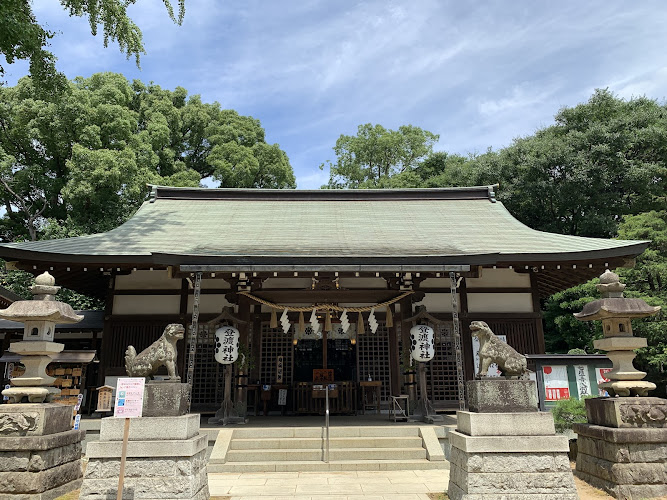
Nobuto Shrine carries that quiet kind of charm that doesn’t scream for attention yet leaves a lasting impression when you walk through its gates. It’s not the most famous shrine in Japan, and honestly, that’s part of its appeal. You don’t get the overwhelming crowds that you might find at bigger names in Tokyo or Kyoto, but you still feel that deep sense of reverence and tradition that Shinto shrines are known for. The atmosphere here is calm, almost like it’s whispering stories of the past if you’re willing to slow down and listen.
The grounds are modest, but they’re beautifully kept. You’ll find traditional wooden structures, a peaceful approach path, and the kind of subtle details—like the way the stone lanterns catch the afternoon light—that make you pause for a moment. And while it may not boast towering gates or elaborate carvings, the simplicity is exactly what makes it special. It feels authentic, like a small piece of everyday spirituality that locals have preserved for generations.
Some visitors feel the shrine could use a little more upkeep or modern facilities, and that’s fair. But others appreciate that it hasn’t been overly commercialized. It’s a place where you can still experience the essence of a neighborhood shrine, where people come to pray, collect a shuin (a traditional stamp), or just take a quiet break from the busyness of city life. There’s a restroom on-site, which is handy, but accessibility is limited if you’re traveling with a wheelchair. That said, if you’re the type who values atmosphere over flashy displays, you’ll probably find Nobuto Shrine a rewarding stop.
Key Features
- Traditional Shinto architecture with a simple, authentic design
- Peaceful, less crowded environment compared to major shrines
- Opportunity to receive a shuin (seal stamp) as a keepsake
- Restroom facilities available on-site
- Quiet stone paths and lanterns that create a serene setting
- Strong connection to local community traditions
Best Time to Visit
If you ask me, the best time to visit Nobuto Shrine is in the early morning or late afternoon. That’s when the light filters through the trees in this golden, almost magical way, and you’re more likely to have the place to yourself. Spring is especially lovely with the fresh greenery, while autumn has that crisp air and warm colors that make the shrine feel even more timeless. Summer can be hot and humid, so if you go then, bring water and maybe a fan. Winter has its own quiet charm, though—it’s stark but peaceful, and the lack of crowds makes it feel like a personal retreat.
Festivals and seasonal events can bring more energy and activity to the shrine, so if you enjoy that lively side of Japanese culture, it’s worth checking the local calendar. But if you’re after solitude, those quieter days in between are perfect.
How to Get There
Reaching Nobuto Shrine isn’t complicated, but it does require a bit of planning if you’re not already familiar with the area. The most straightforward way is by train, followed by a short walk. Public transportation in Japan is reliable, so you won’t have much trouble navigating once you figure out your route. If you’re coming from central Tokyo, expect about an hour or so of travel time depending on connections.
Once you arrive nearby, the walk to the shrine is part of the experience. The streets leading up to it are quiet, with a blend of modern houses and little hints of old Japan. It feels like you’re stepping into a slower rhythm as you approach. Parking is limited, so I wouldn’t recommend driving unless you’re comfortable with tight spots and possibly searching for street parking.
Tips for Visiting
First off, bring cash if you’d like to collect a shuin or make an offering. Many smaller shrines, including this one, don’t accept cards. And if you’re into photography, go for the details—the way the wood grains on the torii gate have aged, the moss on the stone lanterns, or the way the ema (wooden prayer plaques) hang in clusters. Those little touches capture the spirit of the place more than a wide shot ever could.
Be mindful of etiquette too. Even if you’re just curious, take a moment to bow at the entrance, cleanse your hands if there’s a water basin, and be respectful of people who are there to pray. It’s not a theme park—it’s a living place of worship.
If you’re traveling with kids, they might not find it the most exciting stop, but it can be a good cultural learning moment. And for solo travelers like me, it’s a great place to slow down and reflect. Just keep in mind the limited accessibility if you or someone in your group needs wheelchair access.
Lastly, don’t rush. Nobuto Shrine isn’t about ticking off a checklist—it’s about soaking in the atmosphere. Take your time, breathe in the quiet, and maybe even sit for a while. You’ll leave with a sense of calm that’s hard to find in bigger, busier spots.
Key Features
- Traditional Shinto architecture with a simple, authentic design
- Peaceful, less crowded environment compared to major shrines
- Restroom facilities available on-site
- Quiet stone paths and lanterns that create a serene setting
- Strong connection to local community traditions
More Details
Updated October 1, 2025
Table of Contents
Description
Nobuto Shrine carries that quiet kind of charm that doesn’t scream for attention yet leaves a lasting impression when you walk through its gates. It’s not the most famous shrine in Japan, and honestly, that’s part of its appeal. You don’t get the overwhelming crowds that you might find at bigger names in Tokyo or Kyoto, but you still feel that deep sense of reverence and tradition that Shinto shrines are known for. The atmosphere here is calm, almost like it’s whispering stories of the past if you’re willing to slow down and listen.
The grounds are modest, but they’re beautifully kept. You’ll find traditional wooden structures, a peaceful approach path, and the kind of subtle details—like the way the stone lanterns catch the afternoon light—that make you pause for a moment. And while it may not boast towering gates or elaborate carvings, the simplicity is exactly what makes it special. It feels authentic, like a small piece of everyday spirituality that locals have preserved for generations.
Some visitors feel the shrine could use a little more upkeep or modern facilities, and that’s fair. But others appreciate that it hasn’t been overly commercialized. It’s a place where you can still experience the essence of a neighborhood shrine, where people come to pray, collect a shuin (a traditional stamp), or just take a quiet break from the busyness of city life. There’s a restroom on-site, which is handy, but accessibility is limited if you’re traveling with a wheelchair. That said, if you’re the type who values atmosphere over flashy displays, you’ll probably find Nobuto Shrine a rewarding stop.
Key Features
- Traditional Shinto architecture with a simple, authentic design
- Peaceful, less crowded environment compared to major shrines
- Opportunity to receive a shuin (seal stamp) as a keepsake
- Restroom facilities available on-site
- Quiet stone paths and lanterns that create a serene setting
- Strong connection to local community traditions
Best Time to Visit
If you ask me, the best time to visit Nobuto Shrine is in the early morning or late afternoon. That’s when the light filters through the trees in this golden, almost magical way, and you’re more likely to have the place to yourself. Spring is especially lovely with the fresh greenery, while autumn has that crisp air and warm colors that make the shrine feel even more timeless. Summer can be hot and humid, so if you go then, bring water and maybe a fan. Winter has its own quiet charm, though—it’s stark but peaceful, and the lack of crowds makes it feel like a personal retreat.
Festivals and seasonal events can bring more energy and activity to the shrine, so if you enjoy that lively side of Japanese culture, it’s worth checking the local calendar. But if you’re after solitude, those quieter days in between are perfect.
How to Get There
Reaching Nobuto Shrine isn’t complicated, but it does require a bit of planning if you’re not already familiar with the area. The most straightforward way is by train, followed by a short walk. Public transportation in Japan is reliable, so you won’t have much trouble navigating once you figure out your route. If you’re coming from central Tokyo, expect about an hour or so of travel time depending on connections.
Once you arrive nearby, the walk to the shrine is part of the experience. The streets leading up to it are quiet, with a blend of modern houses and little hints of old Japan. It feels like you’re stepping into a slower rhythm as you approach. Parking is limited, so I wouldn’t recommend driving unless you’re comfortable with tight spots and possibly searching for street parking.
Tips for Visiting
First off, bring cash if you’d like to collect a shuin or make an offering. Many smaller shrines, including this one, don’t accept cards. And if you’re into photography, go for the details—the way the wood grains on the torii gate have aged, the moss on the stone lanterns, or the way the ema (wooden prayer plaques) hang in clusters. Those little touches capture the spirit of the place more than a wide shot ever could.
Be mindful of etiquette too. Even if you’re just curious, take a moment to bow at the entrance, cleanse your hands if there’s a water basin, and be respectful of people who are there to pray. It’s not a theme park—it’s a living place of worship.
If you’re traveling with kids, they might not find it the most exciting stop, but it can be a good cultural learning moment. And for solo travelers like me, it’s a great place to slow down and reflect. Just keep in mind the limited accessibility if you or someone in your group needs wheelchair access.
Lastly, don’t rush. Nobuto Shrine isn’t about ticking off a checklist—it’s about soaking in the atmosphere. Take your time, breathe in the quiet, and maybe even sit for a while. You’ll leave with a sense of calm that’s hard to find in bigger, busier spots.

Key Highlights
- Traditional Shinto architecture with a simple, authentic design
- Peaceful, less crowded environment compared to major shrines
- Restroom facilities available on-site
- Quiet stone paths and lanterns that create a serene setting
- Strong connection to local community traditions
Location
Places to Stay Near Nobuto Shrine
Find and Book a Tour
Explore More Travel Guides
No reviews found! Be the first to review!
Traveler Reviews for Nobuto Shrine
There are no reviews yet. Be the first one to write one.
Have you visited Nobuto Shrine? Help other travelers by sharing your review.
Find Accommodations Nearby
Recommended Tours & Activities
Visitor Reviews
There are no reviews yet. Be the first one to write one.
Share Your Experience
Have you visited Nobuto Shrine? Help other travelers by leaving a review.