About Hoki Museum

Description

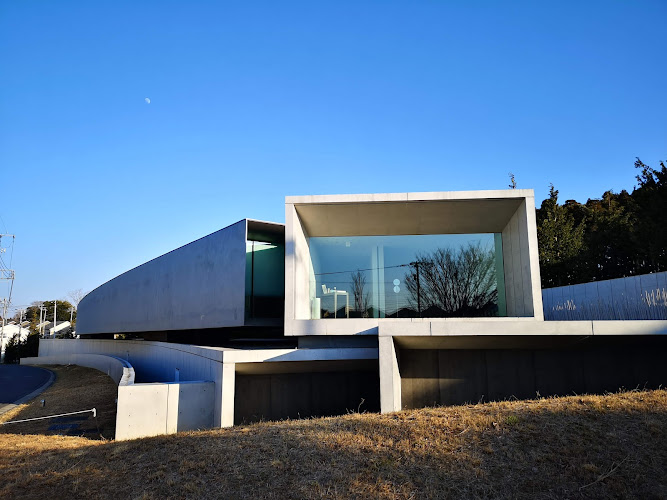
The Hoki Museum in Chiba is one of those places that catches you off guard—in the best way possible. From the outside, its sleek, modern design looks more like a piece of art than a building. Step inside, and you’re met with long, gallery-style corridors that seem to stretch endlessly, each wall lined with hyper-detailed realist paintings. These works are so lifelike that you might find yourself leaning in close just to confirm that they’re not photographs. It’s a museum that doesn’t overwhelm with clutter but instead gives each piece room to breathe, and that makes the experience feel more personal and immersive.

What makes this museum stand out is its devotion to realism. While many art institutions scatter their focus across styles and eras, the Hoki Museum leans fully into one genre. And honestly, it’s refreshing. You can walk slowly through the halls and notice the play of light on a glass, the wrinkles on a hand, or the glint of sunlight caught in someone’s hair. It’s the kind of detail that makes you pause and think about how much beauty hides in everyday life. Not everyone will connect with this style, but if you appreciate craftsmanship and patience, you’ll probably be blown away.

The atmosphere is calm and contemplative. It’s not the kind of museum where guides rush you along or where you feel pressured to “get” the art. Instead, it allows you to wander at your own pace. The design of the building itself—with its cantilevered gallery and minimalist aesthetic—adds to that sense of quiet reflection. Sure, some visitors might find the long corridors a bit stark, but others will see that as part of the charm. It’s a space that invites you to slow down, and in today’s fast-paced world, that’s a rare gift.

Key Features

  • Dedicated exclusively to Realist art, offering a unique focus compared to most museums.
  • Striking architectural design with cantilevered galleries and long, corridor-style exhibition spaces.
  • Wheelchair accessible with rentals available, plus accessible parking and restrooms.
  • On-site restaurant and café for a relaxed meal or coffee break between exhibits.
  • Free Wi-Fi throughout the museum, handy for research or sharing your experience.
  • Women-owned institution, adding a personal and distinctive touch to its identity.
  • On-site parking makes it convenient for travelers exploring by car.

Best Time to Visit

If you’re planning a visit, weekdays are usually the sweet spot. The museum can get busier on weekends, especially in the afternoons, when families and groups come through. Mornings tend to be quieter, giving you more breathing room to appreciate the art without distractions. Spring and autumn are particularly nice because the weather in Chiba is mild—you won’t be rushing indoors to escape the summer humidity or winter chill. And if you’re a fan of photography (of the building, not the art—photos inside are restricted), the natural light around the museum in late afternoon creates some stunning shots of the architecture.

Personally, I’d avoid major holidays unless you don’t mind crowds. The quiet, reflective atmosphere is one of the museum’s best qualities, and that can be harder to enjoy when the galleries are full. But even then, the corridors are long enough that you can usually find a pocket of space to yourself.

How to Get There

The museum is located in Chiba, which is just outside of Tokyo, making it an easy day trip if you’re staying in the capital. If you’re coming by train, you can ride the JR Sobu Line from Tokyo Station to Chiba Station, then transfer to a local line or bus that takes you closer to the museum. From there, a short taxi ride or walk will get you to the entrance. For those who prefer driving, the museum offers on-site parking, which is a relief compared to many urban museums where parking is a nightmare.

I’ve done both—the train and the car—and honestly, it depends on your travel style. If you like the ease of public transport and don’t want to deal with Japanese traffic, the train is efficient and straightforward. But if you’re exploring Chiba Prefecture more broadly, driving gives you the flexibility to stop at other attractions along the way. Either way, the journey is part of the experience, and arriving at the museum feels like stepping into a calm pocket away from the bustle of the city.

Tips for Visiting

Here are a few things I wish I knew before my first visit:

  • Take your time. The corridors are designed for slow walking, and rushing through defeats the purpose. Give yourself at least two hours.
  • Check out the café. It’s not just a place to grab a snack—it’s genuinely a nice spot to sit and reflect on what you’ve seen. The food is simple but well-prepared.
  • Accessibility is solid. If you or someone in your group needs wheelchair access, the museum has you covered with rentals and accessible facilities.
  • Plan around the weather. While the museum itself is indoors, the walk from public transport can be less fun in heavy rain. An umbrella is a good idea during Japan’s rainy season.
  • Don’t expect a massive collection of varied art styles. This is a place that celebrates realism, so if your tastes lean toward modern abstract or impressionism, adjust your expectations. You’ll still probably find yourself impressed by the sheer skill on display.
  • Buy tickets in advance if possible. It helps avoid waiting, especially on weekends.
  • Look at the building itself. The architecture is part of the experience, so take time outside to admire the cantilever and the way the structure seems to float.

One last thought: the Hoki Museum isn’t about rushing through and ticking off another attraction on your list. It’s about slowing down, noticing details, and letting yourself be surprised by how much emotion can be captured in a seemingly ordinary scene. And that, in my opinion, makes it worth the trip.

Key Features

  • Dedicated exclusively to Realist art, offering a unique focus compared to most museums.
  • Striking architectural design with cantilevered galleries and long, corridor-style exhibition spaces.
  • Wheelchair accessible with rentals available, plus accessible parking and restrooms.
  • On-site restaurant and café for a relaxed meal or coffee break between exhibits.
  • Free Wi-Fi throughout the museum, handy for research or sharing your experience.
  • Women-owned institution, adding a personal and distinctive touch to its identity.
  • On-site parking makes it convenient for travelers exploring by car.

More Details

Updated October 1, 2025


Description

The Hoki Museum in Chiba is one of those places that catches you off guard—in the best way possible. From the outside, its sleek, modern design looks more like a piece of art than a building. Step inside, and you’re met with long, gallery-style corridors that seem to stretch endlessly, each wall lined with hyper-detailed realist paintings. These works are so lifelike that you might find yourself leaning in close just to confirm that they’re not photographs. It’s a museum that doesn’t overwhelm with clutter but instead gives each piece room to breathe, and that makes the experience feel more personal and immersive.

What makes this museum stand out is its devotion to realism. While many art institutions scatter their focus across styles and eras, the Hoki Museum leans fully into one genre. And honestly, it’s refreshing. You can walk slowly through the halls and notice the play of light on a glass, the wrinkles on a hand, or the glint of sunlight caught in someone’s hair. It’s the kind of detail that makes you pause and think about how much beauty hides in everyday life. Not everyone will connect with this style, but if you appreciate craftsmanship and patience, you’ll probably be blown away.

The atmosphere is calm and contemplative. It’s not the kind of museum where guides rush you along or where you feel pressured to “get” the art. Instead, it allows you to wander at your own pace. The design of the building itself—with its cantilevered gallery and minimalist aesthetic—adds to that sense of quiet reflection. Sure, some visitors might find the long corridors a bit stark, but others will see that as part of the charm. It’s a space that invites you to slow down, and in today’s fast-paced world, that’s a rare gift.

Key Features

  • Dedicated exclusively to Realist art, offering a unique focus compared to most museums.
  • Striking architectural design with cantilevered galleries and long, corridor-style exhibition spaces.
  • Wheelchair accessible with rentals available, plus accessible parking and restrooms.
  • On-site restaurant and café for a relaxed meal or coffee break between exhibits.
  • Free Wi-Fi throughout the museum, handy for research or sharing your experience.
  • Women-owned institution, adding a personal and distinctive touch to its identity.
  • On-site parking makes it convenient for travelers exploring by car.

Best Time to Visit

If you’re planning a visit, weekdays are usually the sweet spot. The museum can get busier on weekends, especially in the afternoons, when families and groups come through. Mornings tend to be quieter, giving you more breathing room to appreciate the art without distractions. Spring and autumn are particularly nice because the weather in Chiba is mild—you won’t be rushing indoors to escape the summer humidity or winter chill. And if you’re a fan of photography (of the building, not the art—photos inside are restricted), the natural light around the museum in late afternoon creates some stunning shots of the architecture.

Personally, I’d avoid major holidays unless you don’t mind crowds. The quiet, reflective atmosphere is one of the museum’s best qualities, and that can be harder to enjoy when the galleries are full. But even then, the corridors are long enough that you can usually find a pocket of space to yourself.

How to Get There

The museum is located in Chiba, which is just outside of Tokyo, making it an easy day trip if you’re staying in the capital. If you’re coming by train, you can ride the JR Sobu Line from Tokyo Station to Chiba Station, then transfer to a local line or bus that takes you closer to the museum. From there, a short taxi ride or walk will get you to the entrance. For those who prefer driving, the museum offers on-site parking, which is a relief compared to many urban museums where parking is a nightmare.

I’ve done both—the train and the car—and honestly, it depends on your travel style. If you like the ease of public transport and don’t want to deal with Japanese traffic, the train is efficient and straightforward. But if you’re exploring Chiba Prefecture more broadly, driving gives you the flexibility to stop at other attractions along the way. Either way, the journey is part of the experience, and arriving at the museum feels like stepping into a calm pocket away from the bustle of the city.

Tips for Visiting

Here are a few things I wish I knew before my first visit:

  • Take your time. The corridors are designed for slow walking, and rushing through defeats the purpose. Give yourself at least two hours.
  • Check out the café. It’s not just a place to grab a snack—it’s genuinely a nice spot to sit and reflect on what you’ve seen. The food is simple but well-prepared.
  • Accessibility is solid. If you or someone in your group needs wheelchair access, the museum has you covered with rentals and accessible facilities.
  • Plan around the weather. While the museum itself is indoors, the walk from public transport can be less fun in heavy rain. An umbrella is a good idea during Japan’s rainy season.
  • Don’t expect a massive collection of varied art styles. This is a place that celebrates realism, so if your tastes lean toward modern abstract or impressionism, adjust your expectations. You’ll still probably find yourself impressed by the sheer skill on display.
  • Buy tickets in advance if possible. It helps avoid waiting, especially on weekends.
  • Look at the building itself. The architecture is part of the experience, so take time outside to admire the cantilever and the way the structure seems to float.

One last thought: the Hoki Museum isn’t about rushing through and ticking off another attraction on your list. It’s about slowing down, noticing details, and letting yourself be surprised by how much emotion can be captured in a seemingly ordinary scene. And that, in my opinion, makes it worth the trip.

Key Highlights

  • Dedicated exclusively to Realist art, offering a unique focus compared to most museums.
  • Striking architectural design with cantilevered galleries and long, corridor-style exhibition spaces.
  • Wheelchair accessible with rentals available, plus accessible parking and restrooms.
  • On-site restaurant and café for a relaxed meal or coffee break between exhibits.
  • Free Wi-Fi throughout the museum, handy for research or sharing your experience.
  • Women-owned institution, adding a personal and distinctive touch to its identity.
  • On-site parking makes it convenient for travelers exploring by car.

Location

Places to Stay Near Hoki Museum

Find and Book a Tour

Explore More Travel Guides

No reviews found! Be the first to review!

Traveler Reviews for Hoki Museum

There are no reviews yet. Be the first one to write one.

Share Your Experience

Have you visited Hoki Museum? Help other travelers by sharing your review.

Find Accommodations Nearby

Recommended Tours & Activities

Visitor Reviews

There are no reviews yet. Be the first one to write one.

Share Your Experience

Have you visited Hoki Museum? Help other travelers by leaving a review.