About Kasori Shell Mounds

Description

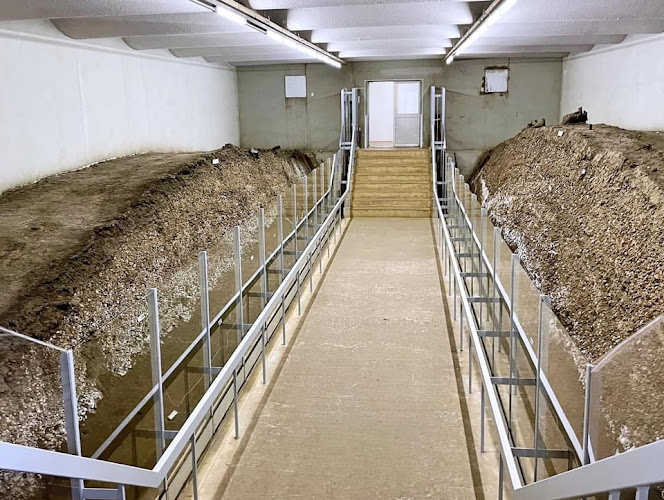
The Kasori Shell Mounds in Chiba are not just another historical site you tick off a travel list. They’re an enormous reminder of how people lived thousands of years ago during Japan’s Jomon period. Imagine a community that thrived over 5,000 years ago, leaving behind layers of shells, bones, pottery, and tools that still tell stories today. Walking through the grounds, you can almost picture families gathering around fires, cooking shellfish, and crafting the everyday items that shaped their lives. It’s a place that feels both educational and oddly personal, like stepping into someone else’s memory.

What sets this site apart is its sheer scale. It’s actually the largest cluster of shell mounds in Japan, and that’s saying something. Some parts of the mound are donut-shaped, stretching over 130 meters in diameter, which is pretty mind-blowing when you think about the effort it took to create. And while some visitors find it quiet and understated, others love the peaceful atmosphere and the chance to slow down. Honestly, it’s not flashy—there are no neon signs or gimmicks—but that’s part of its charm. It’s the kind of place where you can slow your pace, wander, and let your imagination do the heavy lifting.

Facilities are practical and well thought out. There’s on-site parking, wheelchair-accessible entrances, and even accessible parking spaces, so you don’t have to worry about logistics. Families often bring kids because it’s safe, spacious, and sparks curiosity in little minds. For me, I found the museum nearby especially useful—it puts everything into context, showing artifacts and reconstructions that make the mounds feel less like a pile of shells and more like a living, breathing community from the past.

Of course, the experience depends on what you’re looking for. If you expect a bustling tourist hub, you might find it a bit too quiet. But if you enjoy history, archaeology, or simply the idea of walking where ancient people once lived, it’s incredibly rewarding. Personally, I liked that it wasn’t overcrowded. It gave me space to think, to wander, and to feel connected with something much older than myself.

Key Features

  • Largest shell mound site in Japan, dating back over 5,000 years
  • Unique donut-shaped mound structure stretching 130 meters
  • On-site museum with Jomon artifacts and reconstructions
  • Wheelchair-accessible facilities and on-site parking
  • Family-friendly environment with open spaces for kids
  • Peaceful walking paths through a nationally designated historic site

Best Time to Visit

If you ask me, spring and autumn are the sweet spots. In spring, cherry blossoms around the area make the walk even more picturesque, and in autumn the crisp air and colorful leaves add a warmth you won’t forget. Summer can be a bit sticky, and while winter is quiet and serene, it can also feel rather stark unless you love that kind of atmosphere. I’d say plan your trip for a mild day when you can really take your time strolling around without rushing back to the car.

Weekdays are usually less crowded, which makes the whole experience more personal. If you’re into photography, early morning light works wonders on the mounds, giving them a soft, almost mystical glow.

How to Get There

Reaching the Kasori Shell Mounds is fairly straightforward if you’re already in the Chiba area. Public transport is an option, though it usually involves a train ride followed by a bus or a walk. Personally, I found driving to be the easiest, especially since there’s on-site parking. The roads are well-marked, and navigation apps will get you there without much fuss.

For those relying on trains, you’ll likely head towards Chiba Station and then connect with a local bus that drops you close to the site. It’s not complicated, but it does take a bit of planning. If you’re traveling with kids or carrying gear, I’d recommend the car route.

Tips for Visiting

A few things I learned from my own visit might help you make the most of yours. First, wear comfortable shoes. The grounds aren’t rough, but you’ll be walking a fair bit, and some paths are uneven. Second, bring water and maybe a snack, especially if you’re traveling with children. There aren’t many vendors right on site, so it’s good to come prepared.

If you’re the type who likes context (like me), stop by the museum first. It gives you a framework so when you’re walking the mounds, you actually know what you’re looking at. Also, don’t rush. It’s tempting to breeze through in under an hour, but if you slow down, you’ll notice the small details—the way the shells are layered, the subtle changes in the landscape, the quiet that feels almost sacred.

Lastly, bring a curious mindset. This isn’t Disneyland; it’s subtle, it’s historic, and it rewards those who take the time to imagine. And honestly, that’s what makes it special. You’re not just visiting an attraction—you’re stepping into the deep roots of Japan’s story, one shell at a time.

Key Features

  • Largest shell mound site in Japan, dating back over 5,000 years
  • Unique donut-shaped mound structure stretching 130 meters
  • On-site museum with Jomon artifacts and reconstructions
  • Wheelchair-accessible facilities and on-site parking
  • Family-friendly environment with open spaces for kids
  • Peaceful walking paths through a nationally designated historic site

More Details

Updated October 1, 2025


Description

The Kasori Shell Mounds in Chiba are not just another historical site you tick off a travel list. They’re an enormous reminder of how people lived thousands of years ago during Japan’s Jomon period. Imagine a community that thrived over 5,000 years ago, leaving behind layers of shells, bones, pottery, and tools that still tell stories today. Walking through the grounds, you can almost picture families gathering around fires, cooking shellfish, and crafting the everyday items that shaped their lives. It’s a place that feels both educational and oddly personal, like stepping into someone else’s memory.

What sets this site apart is its sheer scale. It’s actually the largest cluster of shell mounds in Japan, and that’s saying something. Some parts of the mound are donut-shaped, stretching over 130 meters in diameter, which is pretty mind-blowing when you think about the effort it took to create. And while some visitors find it quiet and understated, others love the peaceful atmosphere and the chance to slow down. Honestly, it’s not flashy—there are no neon signs or gimmicks—but that’s part of its charm. It’s the kind of place where you can slow your pace, wander, and let your imagination do the heavy lifting.

Facilities are practical and well thought out. There’s on-site parking, wheelchair-accessible entrances, and even accessible parking spaces, so you don’t have to worry about logistics. Families often bring kids because it’s safe, spacious, and sparks curiosity in little minds. For me, I found the museum nearby especially useful—it puts everything into context, showing artifacts and reconstructions that make the mounds feel less like a pile of shells and more like a living, breathing community from the past.

Of course, the experience depends on what you’re looking for. If you expect a bustling tourist hub, you might find it a bit too quiet. But if you enjoy history, archaeology, or simply the idea of walking where ancient people once lived, it’s incredibly rewarding. Personally, I liked that it wasn’t overcrowded. It gave me space to think, to wander, and to feel connected with something much older than myself.

Key Features

  • Largest shell mound site in Japan, dating back over 5,000 years
  • Unique donut-shaped mound structure stretching 130 meters
  • On-site museum with Jomon artifacts and reconstructions
  • Wheelchair-accessible facilities and on-site parking
  • Family-friendly environment with open spaces for kids
  • Peaceful walking paths through a nationally designated historic site

Best Time to Visit

If you ask me, spring and autumn are the sweet spots. In spring, cherry blossoms around the area make the walk even more picturesque, and in autumn the crisp air and colorful leaves add a warmth you won’t forget. Summer can be a bit sticky, and while winter is quiet and serene, it can also feel rather stark unless you love that kind of atmosphere. I’d say plan your trip for a mild day when you can really take your time strolling around without rushing back to the car.

Weekdays are usually less crowded, which makes the whole experience more personal. If you’re into photography, early morning light works wonders on the mounds, giving them a soft, almost mystical glow.

How to Get There

Reaching the Kasori Shell Mounds is fairly straightforward if you’re already in the Chiba area. Public transport is an option, though it usually involves a train ride followed by a bus or a walk. Personally, I found driving to be the easiest, especially since there’s on-site parking. The roads are well-marked, and navigation apps will get you there without much fuss.

For those relying on trains, you’ll likely head towards Chiba Station and then connect with a local bus that drops you close to the site. It’s not complicated, but it does take a bit of planning. If you’re traveling with kids or carrying gear, I’d recommend the car route.

Tips for Visiting

A few things I learned from my own visit might help you make the most of yours. First, wear comfortable shoes. The grounds aren’t rough, but you’ll be walking a fair bit, and some paths are uneven. Second, bring water and maybe a snack, especially if you’re traveling with children. There aren’t many vendors right on site, so it’s good to come prepared.

If you’re the type who likes context (like me), stop by the museum first. It gives you a framework so when you’re walking the mounds, you actually know what you’re looking at. Also, don’t rush. It’s tempting to breeze through in under an hour, but if you slow down, you’ll notice the small details—the way the shells are layered, the subtle changes in the landscape, the quiet that feels almost sacred.

Lastly, bring a curious mindset. This isn’t Disneyland; it’s subtle, it’s historic, and it rewards those who take the time to imagine. And honestly, that’s what makes it special. You’re not just visiting an attraction—you’re stepping into the deep roots of Japan’s story, one shell at a time.

Key Highlights

  • Largest shell mound site in Japan, dating back over 5,000 years
  • Unique donut-shaped mound structure stretching 130 meters
  • On-site museum with Jomon artifacts and reconstructions
  • Wheelchair-accessible facilities and on-site parking
  • Family-friendly environment with open spaces for kids
  • Peaceful walking paths through a nationally designated historic site

Location

Places to Stay Near Kasori Shell Mounds

Find and Book a Tour

Explore More Travel Guides

No reviews found! Be the first to review!

Traveler Reviews for Kasori Shell Mounds

There are no reviews yet. Be the first one to write one.

Share Your Experience

Have you visited Kasori Shell Mounds? Help other travelers by sharing your review.

Find Accommodations Nearby

Recommended Tours & Activities

Visitor Reviews

There are no reviews yet. Be the first one to write one.

Share Your Experience

Have you visited Kasori Shell Mounds? Help other travelers by leaving a review.