
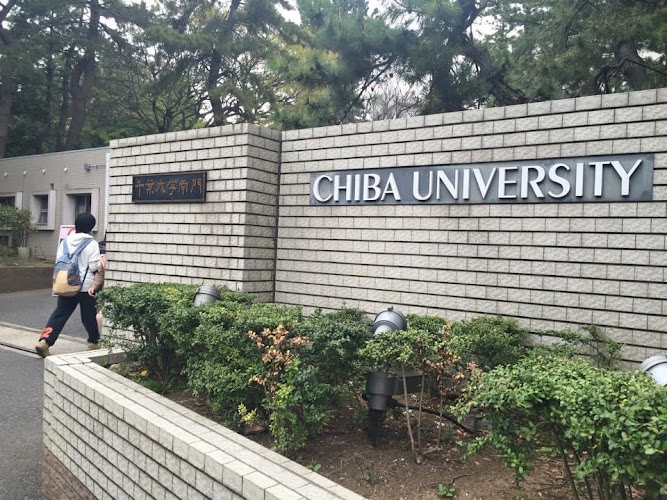
Chiba University Nishi-Chiba Campus
About Chiba University Nishi-Chiba Campus
Description
Chiba University’s Nishi-Chiba Campus is one of those places that manages to feel both academic and welcoming, which is honestly not something you can say about every university out there. It’s the main campus of Chiba University, and you can sense its long history the moment you step onto the grounds. The mix of modern lecture halls and older, more traditional buildings gives you an immediate sense of its evolution over the decades. You don’t have to be a student to appreciate the atmosphere here – travelers often stop by just to wander the leafy walkways, check out the architecture, or soak in the energy of a Japanese university in full swing.
What stands out most is the balance. It’s not overly flashy or trying too hard, but it’s not dull either. The campus has a quiet charm, with wide open spaces that invite you to slow down and take it all in. And because it’s located in the Tokyo metropolitan area, you get that fascinating blend of urban convenience with a calmer, more academic vibe. Some visitors say it feels like a small city within a city, where you can see students cycling past, professors chatting under the trees, and the occasional traveler snapping photos of the campus gates. Of course, like any big university, not everything is perfect. Some facilities feel a little dated, and the sheer size of the place can be overwhelming if you’re just popping in for a quick visit. But overall, it leaves a strong impression of being both serious about education and surprisingly open to outsiders who just want to experience it for a day.
Key Features
- Wheelchair accessible entrances and parking, making it easy for all visitors to get around.
- On-site parking available, which is a relief if you’re driving in from another part of Chiba or Tokyo.
- A blend of traditional Japanese academic architecture with modern research facilities.
- Green spaces and walkways that double as quiet spots for reflection or casual strolls.
- Located within the Tokyo metropolitan area, offering easy access to both city life and campus culture.
- Frequent cultural and academic events that sometimes welcome the public.
- A student-driven atmosphere that makes the campus feel lively and authentic.
Best Time to Visit
If you’re planning a trip, spring and autumn are hands-down the best times to visit. In spring, the cherry blossoms transform the campus into something straight out of a postcard. You’ll see students holding hanami picnics under the trees, and even if you’re just passing through, it’s hard not to get swept up in the festive mood. Autumn, on the other hand, brings fiery red and golden leaves that make the walkways look like they’ve been painted by hand. Summer can be hot and humid, and winter, while peaceful, can feel a bit stark unless you’re into that quieter, more subdued vibe. Personally, I’d say go in April or November if you can swing it – the weather’s pleasant, and you’ll catch the campus at its most photogenic.
How to Get There
Reaching the Nishi-Chiba Campus is fairly straightforward, which is part of what makes it such a convenient stop for travelers. From central Tokyo, you can hop on the JR Sobu Line and get off at Nishi-Chiba Station, which is just a short walk from the campus gates. If you’re coming from Chiba City itself, it’s even easier – the ride is quick, and you’ll be there before you know it. For those driving, the campus does offer on-site parking, though it can fill up fast during peak hours, especially when classes are in full session. Public transport is usually the smarter choice, not just for convenience but also because you’ll avoid the headache of navigating city traffic.
One thing I’ve noticed is that the signage around the station and campus is fairly clear, even if your Japanese isn’t perfect. It’s always a good idea to have a map app handy, but honestly, you’ll probably just end up following the flow of students heading in the same direction. That’s what I did the first time, and it worked like a charm.
Tips for Visiting
Here’s the thing about visiting a university campus: it’s not a tourist attraction in the traditional sense, so you’ll want to approach it with a bit of respect and curiosity. That said, there are some practical tips that can make your visit smoother and more enjoyable.
- Time your visit wisely: Avoid exam periods if you can, since the campus will be buzzing with stressed-out students and less welcoming to casual visitors.
- Bring comfortable shoes: The campus is large, and you’ll likely end up walking more than you expect. Trust me, I made the mistake of wearing stiff shoes once – not fun.
- Check for events: Sometimes the university hosts cultural festivals or open days that are fascinating for travelers. These can be a great way to experience student life firsthand.
- Respect the study spaces: While it’s tempting to peek into lecture halls or libraries, remember that students are there to learn. Stick to public areas and outdoor spaces unless there’s an event open to visitors.
- Bring a camera: The campus has some surprisingly photogenic spots, especially in spring and autumn. Even if you’re not big on photography, you’ll probably regret not snapping a few shots.
- Plan for food: There are cafeterias and convenience stores nearby, but if you’re picky, you might want to grab a bite before or after your visit. That said, trying out a student cafeteria meal can be a fun little adventure in itself.
At the end of the day, visiting Chiba University’s Nishi-Chiba Campus is less about ticking off a tourist checklist and more about experiencing a slice of Japanese academic life. It’s a chance to see the rhythms of everyday student life, to wander through leafy paths, and to enjoy a quieter, more thoughtful side of the Tokyo area. And who knows – you might even find yourself wishing you could enroll in a class or two, just to linger a little longer.
Key Features
- Wheelchair accessible entrances and parking, making it easy for all visitors to get around.
- On-site parking available, which is a relief if you’re driving in from another part of Chiba or Tokyo.
- A blend of traditional Japanese academic architecture with modern research facilities.
- Green spaces and walkways that double as quiet spots for reflection or casual strolls.
- Located within the Tokyo metropolitan area, offering easy access to both city life and campus culture.
- Frequent cultural and academic events that sometimes welcome the public.
- A student-driven atmosphere that makes the campus feel lively and authentic.
More Details
Updated October 1, 2025
Table of Contents
- Description
- Key Features
- Best Time to Visit
- How to Get There
- Tips for Visiting
- Key Highlights
- Location
- Places to Stay Near Chiba University Nishi-Chiba Campus
- Find and Book a Tour
- Explore More Travel Guides
- Nearby Places You Might Like
- Traveler Reviews for Chiba University Nishi-Chiba Campus
- Share Your Experience
Description
Chiba University’s Nishi-Chiba Campus is one of those places that manages to feel both academic and welcoming, which is honestly not something you can say about every university out there. It’s the main campus of Chiba University, and you can sense its long history the moment you step onto the grounds. The mix of modern lecture halls and older, more traditional buildings gives you an immediate sense of its evolution over the decades. You don’t have to be a student to appreciate the atmosphere here – travelers often stop by just to wander the leafy walkways, check out the architecture, or soak in the energy of a Japanese university in full swing.
What stands out most is the balance. It’s not overly flashy or trying too hard, but it’s not dull either. The campus has a quiet charm, with wide open spaces that invite you to slow down and take it all in. And because it’s located in the Tokyo metropolitan area, you get that fascinating blend of urban convenience with a calmer, more academic vibe. Some visitors say it feels like a small city within a city, where you can see students cycling past, professors chatting under the trees, and the occasional traveler snapping photos of the campus gates. Of course, like any big university, not everything is perfect. Some facilities feel a little dated, and the sheer size of the place can be overwhelming if you’re just popping in for a quick visit. But overall, it leaves a strong impression of being both serious about education and surprisingly open to outsiders who just want to experience it for a day.
Key Features
- Wheelchair accessible entrances and parking, making it easy for all visitors to get around.
- On-site parking available, which is a relief if you’re driving in from another part of Chiba or Tokyo.
- A blend of traditional Japanese academic architecture with modern research facilities.
- Green spaces and walkways that double as quiet spots for reflection or casual strolls.
- Located within the Tokyo metropolitan area, offering easy access to both city life and campus culture.
- Frequent cultural and academic events that sometimes welcome the public.
- A student-driven atmosphere that makes the campus feel lively and authentic.
Best Time to Visit
If you’re planning a trip, spring and autumn are hands-down the best times to visit. In spring, the cherry blossoms transform the campus into something straight out of a postcard. You’ll see students holding hanami picnics under the trees, and even if you’re just passing through, it’s hard not to get swept up in the festive mood. Autumn, on the other hand, brings fiery red and golden leaves that make the walkways look like they’ve been painted by hand. Summer can be hot and humid, and winter, while peaceful, can feel a bit stark unless you’re into that quieter, more subdued vibe. Personally, I’d say go in April or November if you can swing it – the weather’s pleasant, and you’ll catch the campus at its most photogenic.
How to Get There
Reaching the Nishi-Chiba Campus is fairly straightforward, which is part of what makes it such a convenient stop for travelers. From central Tokyo, you can hop on the JR Sobu Line and get off at Nishi-Chiba Station, which is just a short walk from the campus gates. If you’re coming from Chiba City itself, it’s even easier – the ride is quick, and you’ll be there before you know it. For those driving, the campus does offer on-site parking, though it can fill up fast during peak hours, especially when classes are in full session. Public transport is usually the smarter choice, not just for convenience but also because you’ll avoid the headache of navigating city traffic.
One thing I’ve noticed is that the signage around the station and campus is fairly clear, even if your Japanese isn’t perfect. It’s always a good idea to have a map app handy, but honestly, you’ll probably just end up following the flow of students heading in the same direction. That’s what I did the first time, and it worked like a charm.
Tips for Visiting
Here’s the thing about visiting a university campus: it’s not a tourist attraction in the traditional sense, so you’ll want to approach it with a bit of respect and curiosity. That said, there are some practical tips that can make your visit smoother and more enjoyable.
- Time your visit wisely: Avoid exam periods if you can, since the campus will be buzzing with stressed-out students and less welcoming to casual visitors.
- Bring comfortable shoes: The campus is large, and you’ll likely end up walking more than you expect. Trust me, I made the mistake of wearing stiff shoes once – not fun.
- Check for events: Sometimes the university hosts cultural festivals or open days that are fascinating for travelers. These can be a great way to experience student life firsthand.
- Respect the study spaces: While it’s tempting to peek into lecture halls or libraries, remember that students are there to learn. Stick to public areas and outdoor spaces unless there’s an event open to visitors.
- Bring a camera: The campus has some surprisingly photogenic spots, especially in spring and autumn. Even if you’re not big on photography, you’ll probably regret not snapping a few shots.
- Plan for food: There are cafeterias and convenience stores nearby, but if you’re picky, you might want to grab a bite before or after your visit. That said, trying out a student cafeteria meal can be a fun little adventure in itself.
At the end of the day, visiting Chiba University’s Nishi-Chiba Campus is less about ticking off a tourist checklist and more about experiencing a slice of Japanese academic life. It’s a chance to see the rhythms of everyday student life, to wander through leafy paths, and to enjoy a quieter, more thoughtful side of the Tokyo area. And who knows – you might even find yourself wishing you could enroll in a class or two, just to linger a little longer.
Key Highlights
- Wheelchair accessible entrances and parking, making it easy for all visitors to get around.
- On-site parking available, which is a relief if you’re driving in from another part of Chiba or Tokyo.
- A blend of traditional Japanese academic architecture with modern research facilities.
- Green spaces and walkways that double as quiet spots for reflection or casual strolls.
- Located within the Tokyo metropolitan area, offering easy access to both city life and campus culture.
- Frequent cultural and academic events that sometimes welcome the public.
- A student-driven atmosphere that makes the campus feel lively and authentic.
Location
Places to Stay Near Chiba University Nishi-Chiba Campus
Find and Book a Tour
Explore More Travel Guides
No reviews found! Be the first to review!
Traveler Reviews for Chiba University Nishi-Chiba Campus
There are no reviews yet. Be the first one to write one.
Have you visited Chiba University Nishi-Chiba Campus? Help other travelers by sharing your review.
You Might Also Like

Chiba Zoological Park
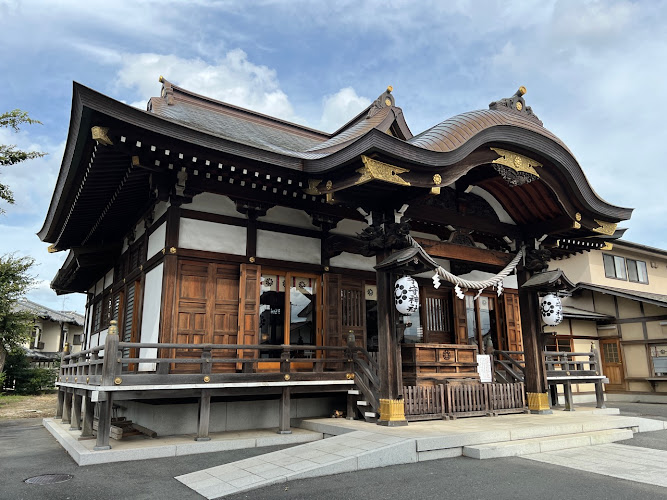
Komamori Shrine
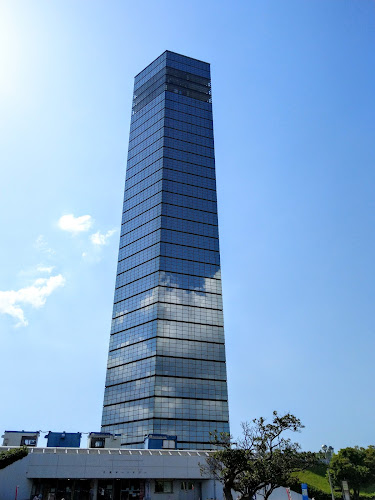
Chiba Port Tower
Find Accommodations Nearby
Recommended Tours & Activities
Visitor Reviews
There are no reviews yet. Be the first one to write one.
Share Your Experience
Have you visited Chiba University Nishi-Chiba Campus? Help other travelers by leaving a review.