
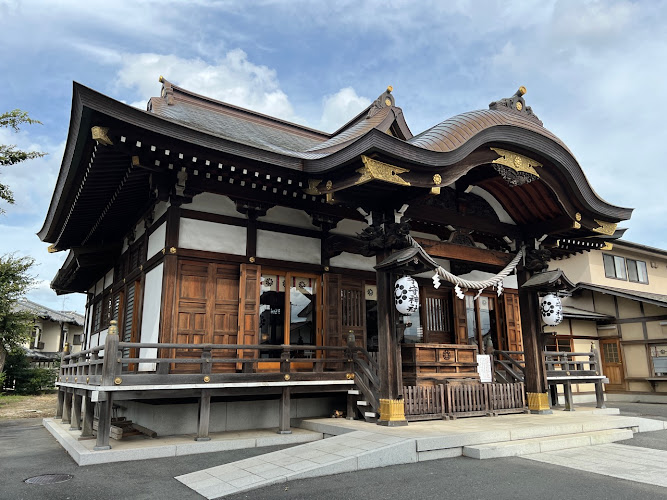
Komamori Shrine
About Komamori Shrine
Description
Komamori Shrine in Chiba is one of those places that quietly lingers in your memory long after you’ve left. It’s not the kind of shrine that’s plastered across every glossy travel magazine, and honestly, that’s part of its charm. You walk through the gates and immediately feel a shift in pace—like the outside world just decided to hush for a while. The grounds are wrapped in greenery, and the architecture, though traditional, carries a certain understated elegance. It’s not flashy, but it doesn’t need to be. The shrine feels lived-in, respected, and deeply tied to the community around it.
What makes Komamori Shrine stand out isn’t just its beauty, but its atmosphere. Some visitors describe it as peaceful and contemplative, while others say it feels a bit plain compared to larger, more famous shrines. Both perspectives are fair. If you’re expecting towering gates and massive crowds, you might leave thinking, “That’s it?” But if you come with an open mind, ready to slow down and appreciate the details—the moss on the stone lanterns, the subtle carvings on the wooden beams—you’ll find it quietly impressive. Personally, I think that’s the best kind of travel discovery: the places that don’t scream for your attention but whisper instead.
The shrine also has a practical side. Locals often stop by to pray for protection, guidance, or just a bit of luck in their daily lives. You’ll notice ema (wooden prayer plaques) hanging with handwritten wishes, and if you’re like me, you’ll probably find yourself lingering to read a few. There’s something incredibly human about seeing strangers’ hopes and worries laid out in ink. It makes the place feel less like a tourist attraction and more like a living, breathing part of the neighborhood.
Key Features
- Traditional Shinto architecture that emphasizes simplicity and harmony with nature
- A peaceful, green setting perfect for quiet reflection or a short break from city life
- Opportunities to collect a shuin (a calligraphy-style shrine stamp) as a keepsake
- Wooden ema plaques where visitors leave personal prayers and wishes
- Seasonal beauty—lush greenery in summer, crisp air and falling leaves in autumn
- A local, community feel rather than a tourist-heavy atmosphere
Best Time to Visit
Timing can make all the difference here. If you visit during the early morning, you’ll likely have the place almost to yourself, which adds to the sense of serenity. I once arrived just after sunrise, and the light filtering through the trees made the whole shrine glow in this soft golden haze—it felt like stepping into a painting. Midday, especially on weekends, tends to bring more visitors, though it never feels overwhelming.
Spring and autumn are particularly stunning. In spring, you’ll catch the fresh blossoms and new leaves, while autumn brings that crisp air and fiery foliage that makes you want to linger with a cup of tea afterward. Summer can be humid, but the shade from the trees offers some relief, and winter has its own quiet charm if you don’t mind bundling up. If you’re the type who enjoys festivals, check ahead for local events, as shrines often host seasonal celebrations that add a lively twist to the usual calm.
How to Get There
Getting to Komamori Shrine is relatively straightforward, though it does require a bit of planning if you’re not already in Chiba. From central Tokyo, the train ride takes under an hour, depending on your route. Once you arrive at the nearest station, it’s a short walk or bus ride to the shrine itself. The walk is pleasant, especially if you enjoy wandering through residential neighborhoods and catching glimpses of everyday life in Japan. I’ve found that these little side streets often reveal as much about a place as the attractions themselves.
If you’re traveling with luggage, I’d suggest storing it at the station before heading over. The shrine isn’t the kind of place where you want to be dragging bags around—it deserves your full attention without the distraction of heavy shoulders. And honestly, walking in light and unburdened just feels right for a visit like this.
Tips for Visiting
First and foremost, remember that Komamori Shrine is an active place of worship, not just a sightseeing spot. Be respectful. That means keeping your voice low, following the cleansing ritual at the purification fountain if you choose to participate, and stepping aside if locals are praying. It’s not about rigid rules—it’s about being mindful of the atmosphere.
If you’re into collecting shuin, bring along a dedicated book for your stamps. These make for some of the most personal and meaningful souvenirs you’ll ever take home. Even if you don’t collect, watching the careful brushstrokes of the shrine staff is a beautiful experience in itself.
Photography is generally fine outdoors, but be cautious about snapping pictures inside prayer areas. I’ve seen tourists get carried away, and it can feel intrusive. My rule of thumb: if you’re not sure, don’t. Instead, take a mental snapshot and let yourself be present.
One last tip: give yourself time. It’s tempting to rush through when you’re on a tight itinerary, but shrines like Komamori are best enjoyed slowly. Sit on a bench, listen to the rustle of leaves, and maybe even strike up a conversation with a local if the opportunity arises. I once chatted with an elderly man who had been visiting the shrine since childhood, and his stories about how the area had changed over the decades added a whole new layer of appreciation for me. That’s the kind of memory you won’t find in any guidebook.
So, if you’re planning a trip to Chiba and you want a moment of calm away from the busier attractions, Komamori Shrine is worth a stop. It may not dazzle you with grandeur, but it will give you something subtler: a genuine sense of place, community, and reflection. And sometimes, that’s exactly what a traveler needs.
Key Features
- Traditional Shinto architecture that emphasizes simplicity and harmony with nature
- A peaceful, green setting perfect for quiet reflection or a short break from city life
- Wooden ema plaques where visitors leave personal prayers and wishes
- Seasonal beauty—lush greenery in summer, crisp air and falling leaves in autumn
- A local, community feel rather than a tourist-heavy atmosphere
More Details
Updated October 1, 2025
Table of Contents
Description
Komamori Shrine in Chiba is one of those places that quietly lingers in your memory long after you’ve left. It’s not the kind of shrine that’s plastered across every glossy travel magazine, and honestly, that’s part of its charm. You walk through the gates and immediately feel a shift in pace—like the outside world just decided to hush for a while. The grounds are wrapped in greenery, and the architecture, though traditional, carries a certain understated elegance. It’s not flashy, but it doesn’t need to be. The shrine feels lived-in, respected, and deeply tied to the community around it.
What makes Komamori Shrine stand out isn’t just its beauty, but its atmosphere. Some visitors describe it as peaceful and contemplative, while others say it feels a bit plain compared to larger, more famous shrines. Both perspectives are fair. If you’re expecting towering gates and massive crowds, you might leave thinking, “That’s it?” But if you come with an open mind, ready to slow down and appreciate the details—the moss on the stone lanterns, the subtle carvings on the wooden beams—you’ll find it quietly impressive. Personally, I think that’s the best kind of travel discovery: the places that don’t scream for your attention but whisper instead.
The shrine also has a practical side. Locals often stop by to pray for protection, guidance, or just a bit of luck in their daily lives. You’ll notice ema (wooden prayer plaques) hanging with handwritten wishes, and if you’re like me, you’ll probably find yourself lingering to read a few. There’s something incredibly human about seeing strangers’ hopes and worries laid out in ink. It makes the place feel less like a tourist attraction and more like a living, breathing part of the neighborhood.
Key Features
- Traditional Shinto architecture that emphasizes simplicity and harmony with nature
- A peaceful, green setting perfect for quiet reflection or a short break from city life
- Opportunities to collect a shuin (a calligraphy-style shrine stamp) as a keepsake
- Wooden ema plaques where visitors leave personal prayers and wishes
- Seasonal beauty—lush greenery in summer, crisp air and falling leaves in autumn
- A local, community feel rather than a tourist-heavy atmosphere
Best Time to Visit
Timing can make all the difference here. If you visit during the early morning, you’ll likely have the place almost to yourself, which adds to the sense of serenity. I once arrived just after sunrise, and the light filtering through the trees made the whole shrine glow in this soft golden haze—it felt like stepping into a painting. Midday, especially on weekends, tends to bring more visitors, though it never feels overwhelming.
Spring and autumn are particularly stunning. In spring, you’ll catch the fresh blossoms and new leaves, while autumn brings that crisp air and fiery foliage that makes you want to linger with a cup of tea afterward. Summer can be humid, but the shade from the trees offers some relief, and winter has its own quiet charm if you don’t mind bundling up. If you’re the type who enjoys festivals, check ahead for local events, as shrines often host seasonal celebrations that add a lively twist to the usual calm.
How to Get There
Getting to Komamori Shrine is relatively straightforward, though it does require a bit of planning if you’re not already in Chiba. From central Tokyo, the train ride takes under an hour, depending on your route. Once you arrive at the nearest station, it’s a short walk or bus ride to the shrine itself. The walk is pleasant, especially if you enjoy wandering through residential neighborhoods and catching glimpses of everyday life in Japan. I’ve found that these little side streets often reveal as much about a place as the attractions themselves.
If you’re traveling with luggage, I’d suggest storing it at the station before heading over. The shrine isn’t the kind of place where you want to be dragging bags around—it deserves your full attention without the distraction of heavy shoulders. And honestly, walking in light and unburdened just feels right for a visit like this.
Tips for Visiting
First and foremost, remember that Komamori Shrine is an active place of worship, not just a sightseeing spot. Be respectful. That means keeping your voice low, following the cleansing ritual at the purification fountain if you choose to participate, and stepping aside if locals are praying. It’s not about rigid rules—it’s about being mindful of the atmosphere.
If you’re into collecting shuin, bring along a dedicated book for your stamps. These make for some of the most personal and meaningful souvenirs you’ll ever take home. Even if you don’t collect, watching the careful brushstrokes of the shrine staff is a beautiful experience in itself.
Photography is generally fine outdoors, but be cautious about snapping pictures inside prayer areas. I’ve seen tourists get carried away, and it can feel intrusive. My rule of thumb: if you’re not sure, don’t. Instead, take a mental snapshot and let yourself be present.
One last tip: give yourself time. It’s tempting to rush through when you’re on a tight itinerary, but shrines like Komamori are best enjoyed slowly. Sit on a bench, listen to the rustle of leaves, and maybe even strike up a conversation with a local if the opportunity arises. I once chatted with an elderly man who had been visiting the shrine since childhood, and his stories about how the area had changed over the decades added a whole new layer of appreciation for me. That’s the kind of memory you won’t find in any guidebook.
So, if you’re planning a trip to Chiba and you want a moment of calm away from the busier attractions, Komamori Shrine is worth a stop. It may not dazzle you with grandeur, but it will give you something subtler: a genuine sense of place, community, and reflection. And sometimes, that’s exactly what a traveler needs.
Key Highlights
- Traditional Shinto architecture that emphasizes simplicity and harmony with nature
- A peaceful, green setting perfect for quiet reflection or a short break from city life
- Wooden ema plaques where visitors leave personal prayers and wishes
- Seasonal beauty—lush greenery in summer, crisp air and falling leaves in autumn
- A local, community feel rather than a tourist-heavy atmosphere
Location
Places to Stay Near Komamori Shrine
Find and Book a Tour
Explore More Travel Guides
No reviews found! Be the first to review!
Traveler Reviews for Komamori Shrine
There are no reviews yet. Be the first one to write one.
Have you visited Komamori Shrine? Help other travelers by sharing your review.
You Might Also Like

Natural History Museum and Institute, Chiba

Chiba Port Tower

Hoki Museum
Find Accommodations Nearby
Recommended Tours & Activities
Visitor Reviews
There are no reviews yet. Be the first one to write one.
Share Your Experience
Have you visited Komamori Shrine? Help other travelers by leaving a review.